
Tropical West Mexico
Puerto Vallarta to San Blas & Islas Marias National Park
Focus:
> Birding
> Bird Photography
Length:
> 15 days
> 7-day option (Part I only)
> 20 days with optional post extension
Hover for caption; click to expand.
Birds Lists
Our most popular itinerary!
Explore the wild side of Mexico’s premier Pacific resort, Puerto Vallarta, and San Blas, plus, optionally, the Islas Marías archipelago. With Greg’s expert guidance, this tropical region of western Mexico has much to offer even experienced visitors to the country.
PART I—Puerto Vallarta: In about a week you’ll explore and photographically capture the essence of this exciting, biodiverse and phenomenally scenic region by traveling from Sea Level to over 2700 m (8858′) in a radius of under 100 km (62 miles) from the center of Puerto Vallarta to discover the spectacular birds and marine mammals of Banderas Bay, Cabo Corrientes, the Sierra Madre Occidental & The Islas Marietas Marine National Park, in the West Mexican States of Jalisco & Nayarit. 7 days/6 nights; 500+ recorded species.
PART II—San Blas, Riviera Nayarit: You’ll be the envy of your birding and bird photography peers by traveling 3 hours north of Puerto Vallarta to the famed West Mexican birding hotspot of San Blas, Riviera Nayarit, to explore by land and river. Ply the meandering mangrove-lined channels and glades of such birding bastions as Matanchen Bay, Rio San Cristobál, La Tovera Springs, Camino Cocodrilario (Crocodile Farm Road), Shrimp Pond Road, Chacalilla Marshes, Nayarit, all of which combine to constitute a birder’s and photographer’s delight. 2½ days/2 nights; 400+ recorded species.

Sierra Madre Occidental, Jalisco.
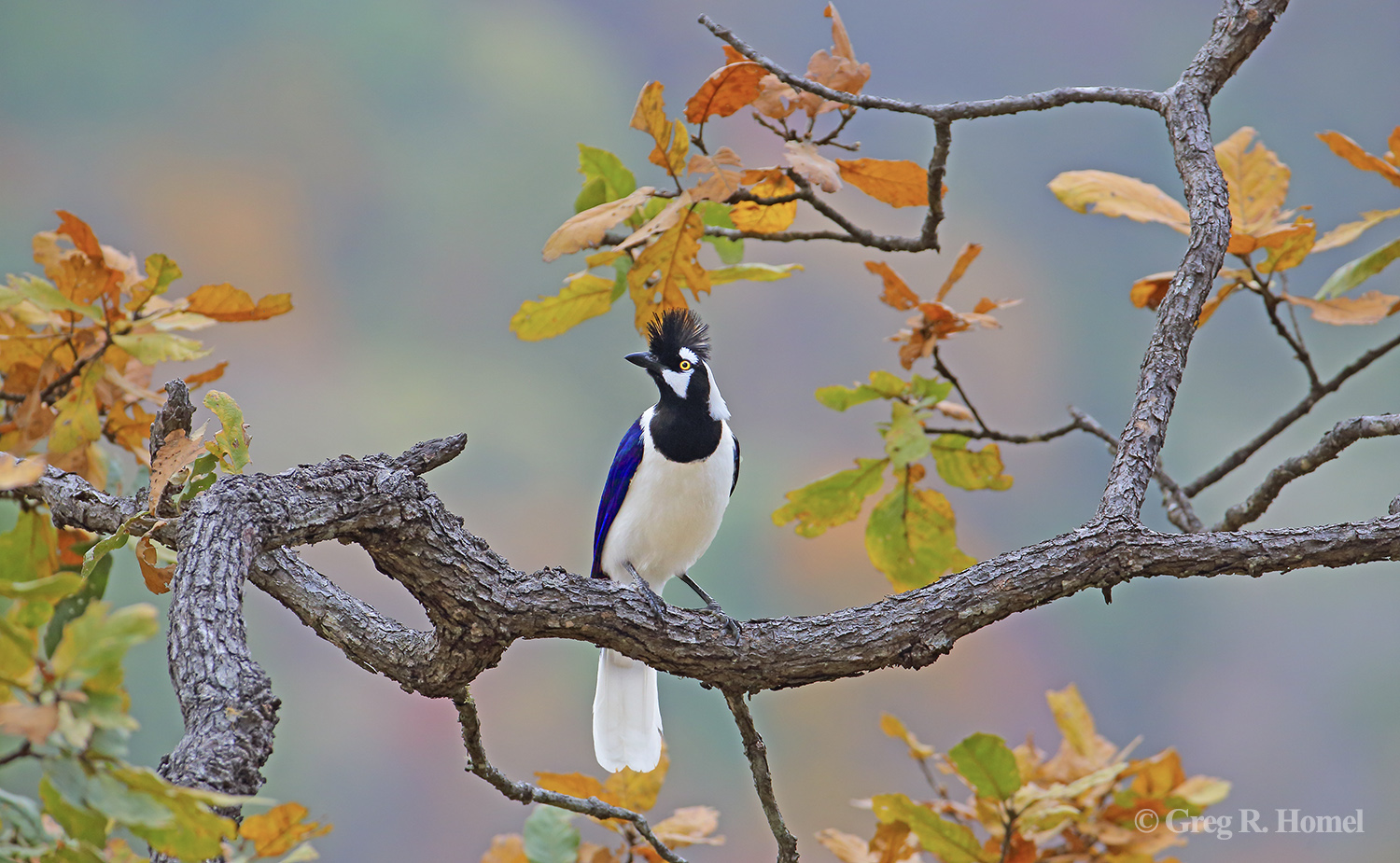
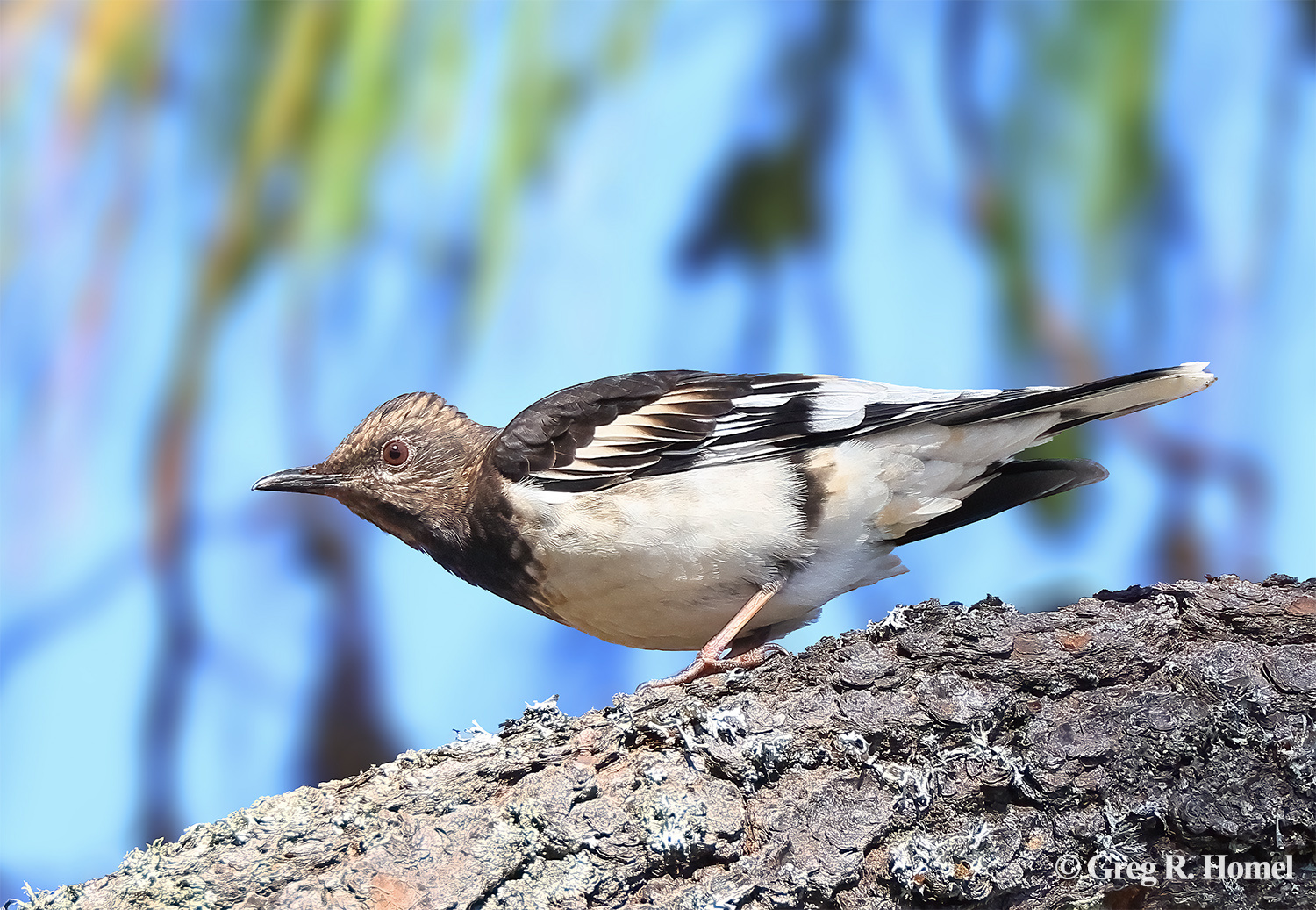
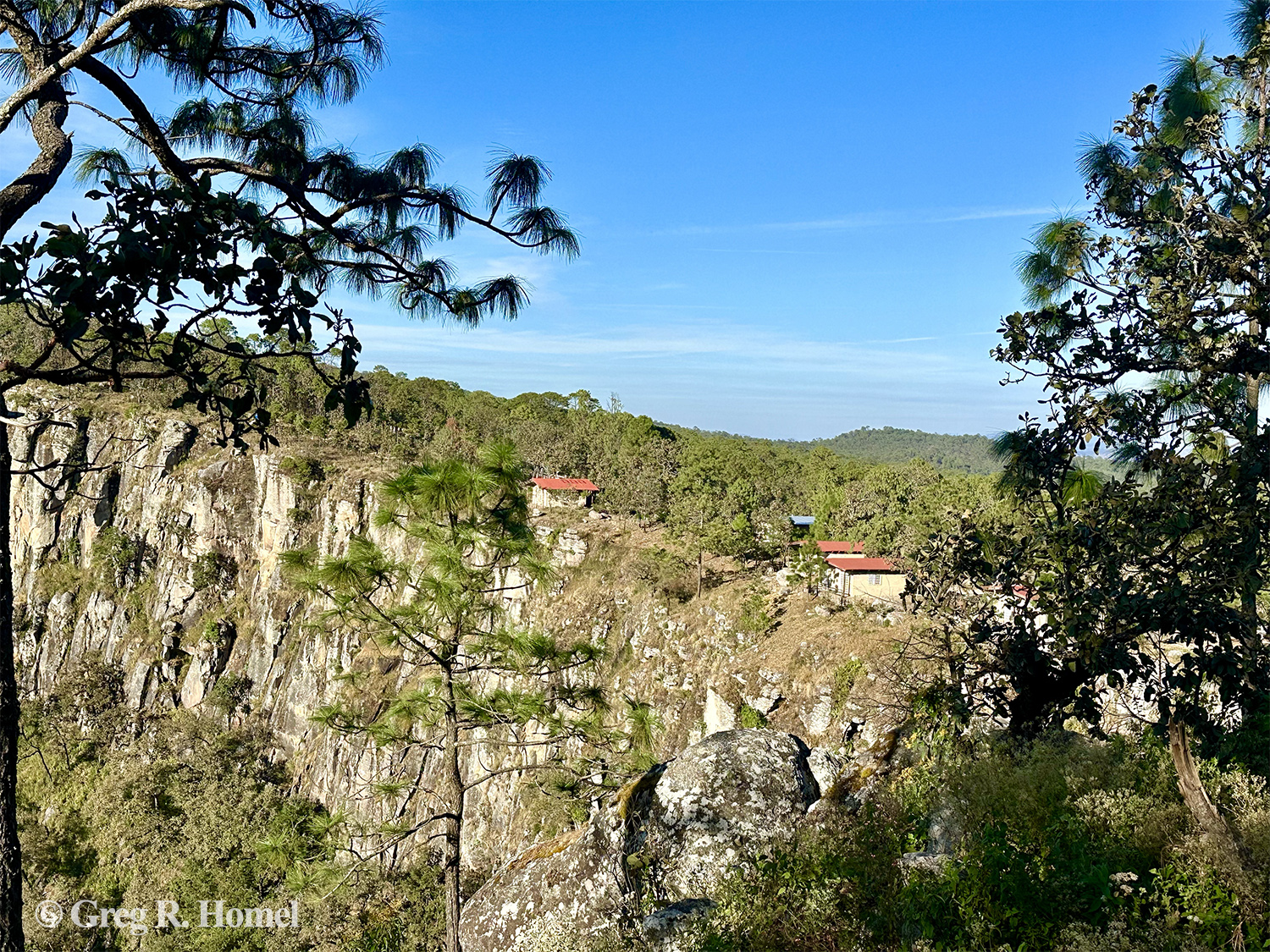
PART III— Guadalupe Ocotán in the mighty Sierra Madre Occidental, Nayarit: Discover the real treasure of the remote Sierra Madre Occidental — its birds! Part three of our exciting excursion takes us into the rugged mountains of West Mexico, as we rise from sea level to nearly 2400 m (8000’) for an overnight stay at the Cabañas Ecológicas Guadalupe Ocotán (the Ecological Cabins of Guadalupe Ocotán), an ecotourism and conservation effort administered by the local indigenous Huichol community of Nayarit’s remote Sierran highlands. Here you will explore and seek out a constellation of colorful birds inhabiting the high-altitude pine/oak forest in Mexico’s lofty and rugged Sierra Madre Occidental, which is home to three dazzling endemics — the Tufted Jay, Eared Quetzal, Aztec Thrush — and other mountain specialties, while enjoying local meal service provided by our friendly Huichol hosts. 2 days/1 night; 300+ recorded species.
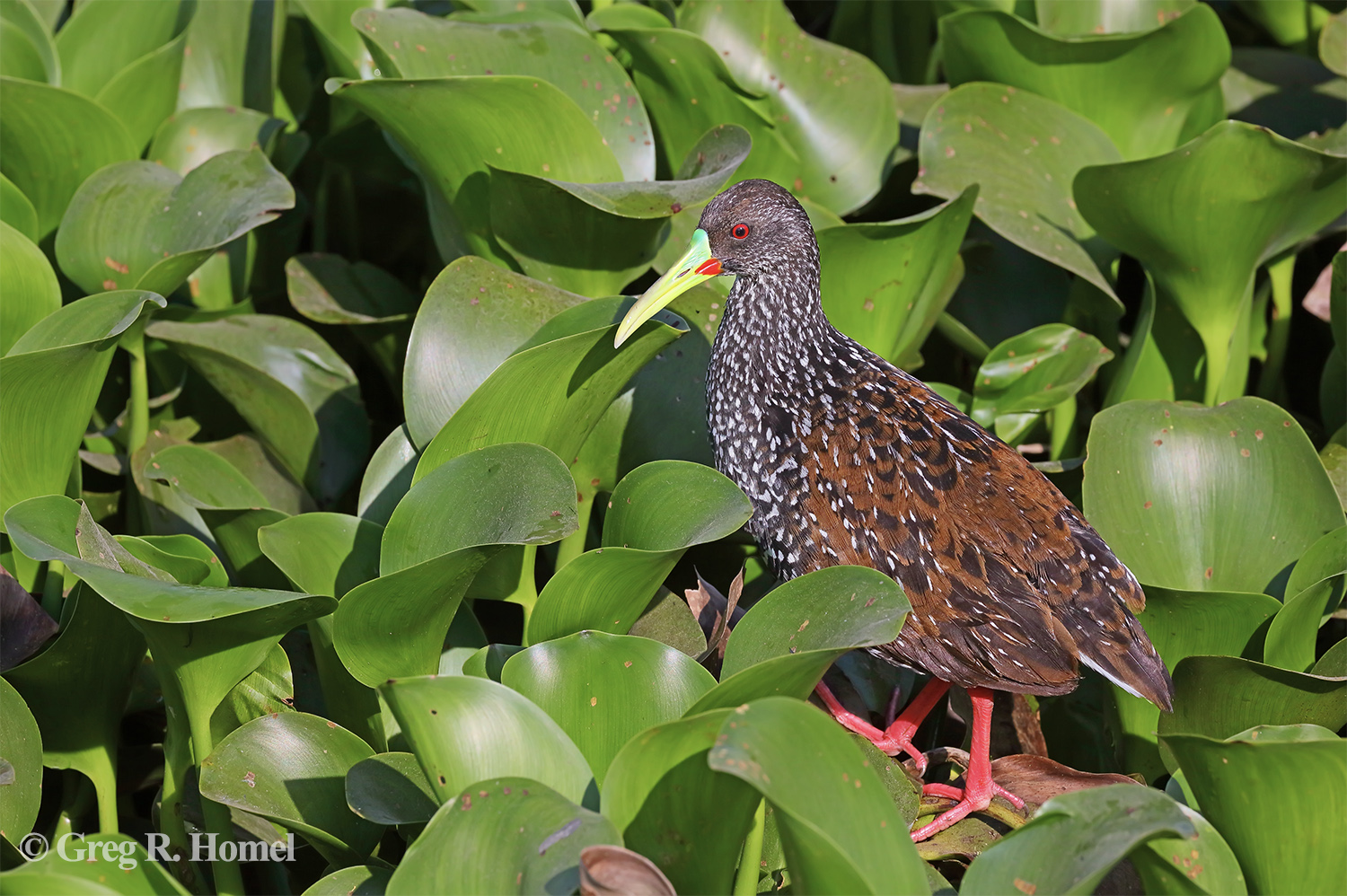
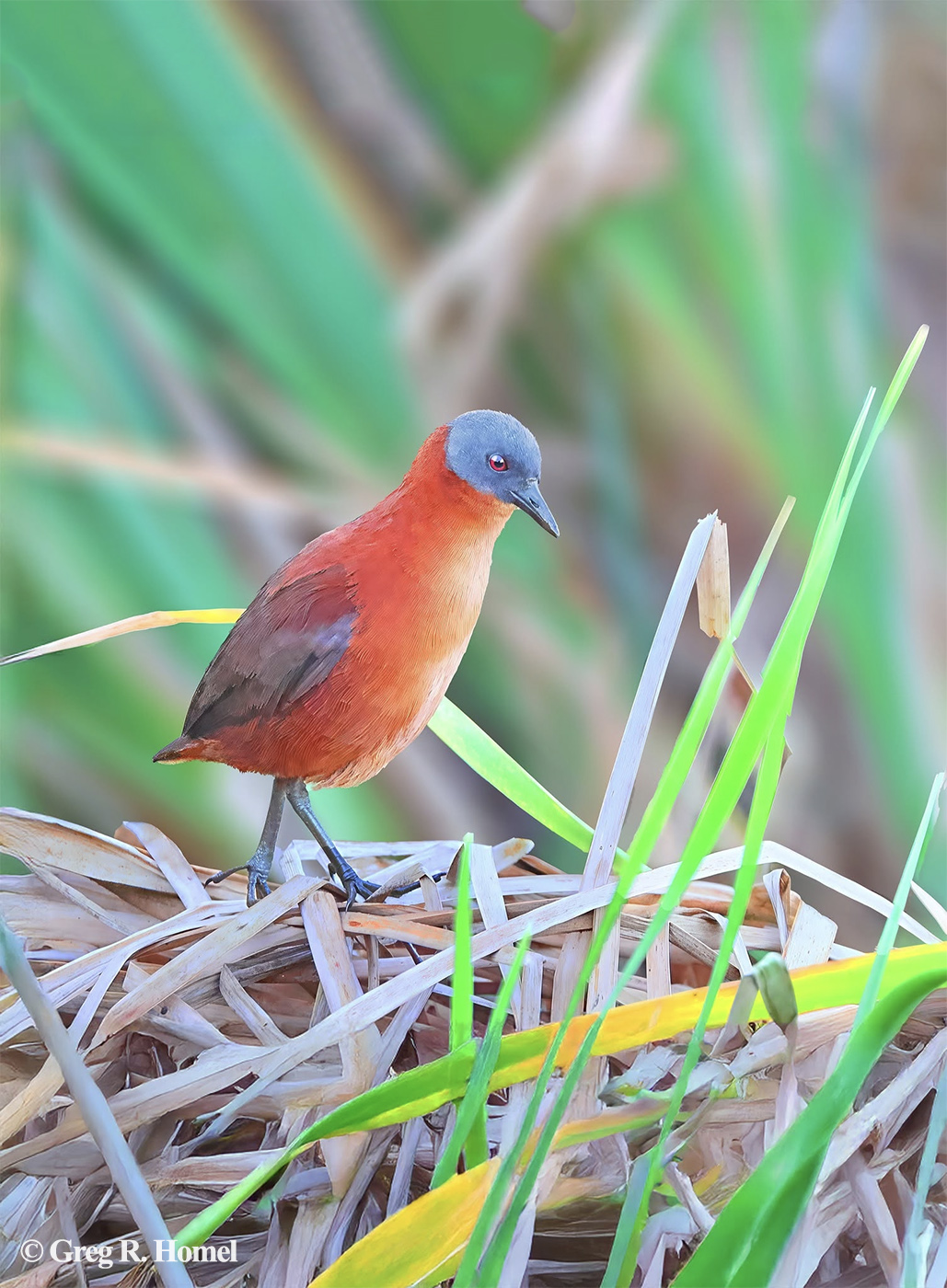
PART IV—Pursue resident, migratory, and endemic specialties as the birding excitement continues overland from the Sierra Madre Occidental to the volcanic massifs of Volcan Nevado de Colima, and points between: Here, pristine forests of pine, oak, and fir thrive between 1,524 m (5,000’) and 2657 m (12,000’) in the cool air, supporting such specialties and the endemic Cinereous Owl, Red Warbler, Collared Towhee, Eared Poorwill, etc., while wetlands at Teuchitlán and Mexico’s largest lake — Lago Chapala (1,100 sq km; 420 sq miles) — support endemic Aztec Rail, Limpkin, and flocks of migratory waterfowl from northern North America. We finish the excursion on the tropical coast at Barra Navidad, Colima, home to a fascinating array of tropical birds, including the northernmost population of Ruddy Crakes on the West Coast of Mexico, Spot-breasted Orioles, Ruddy-breasted Seedeaters, and the world’s largest colony of Red-billed Tropicbirds, over 1,000 pairs strong on Islote Peña Blanca — less than 1 nautical mile offshore from Playa del Oro (aka Playa Peña Blanca) near Manzanillo International Airport, Colima, in addition to colonies of Cocos and Blue-footed boobies and a seasonal assortment of Bridled Terns, Brown Noddies, and other interesting marine species. 7 days/6 nights; 500+ recorded species.

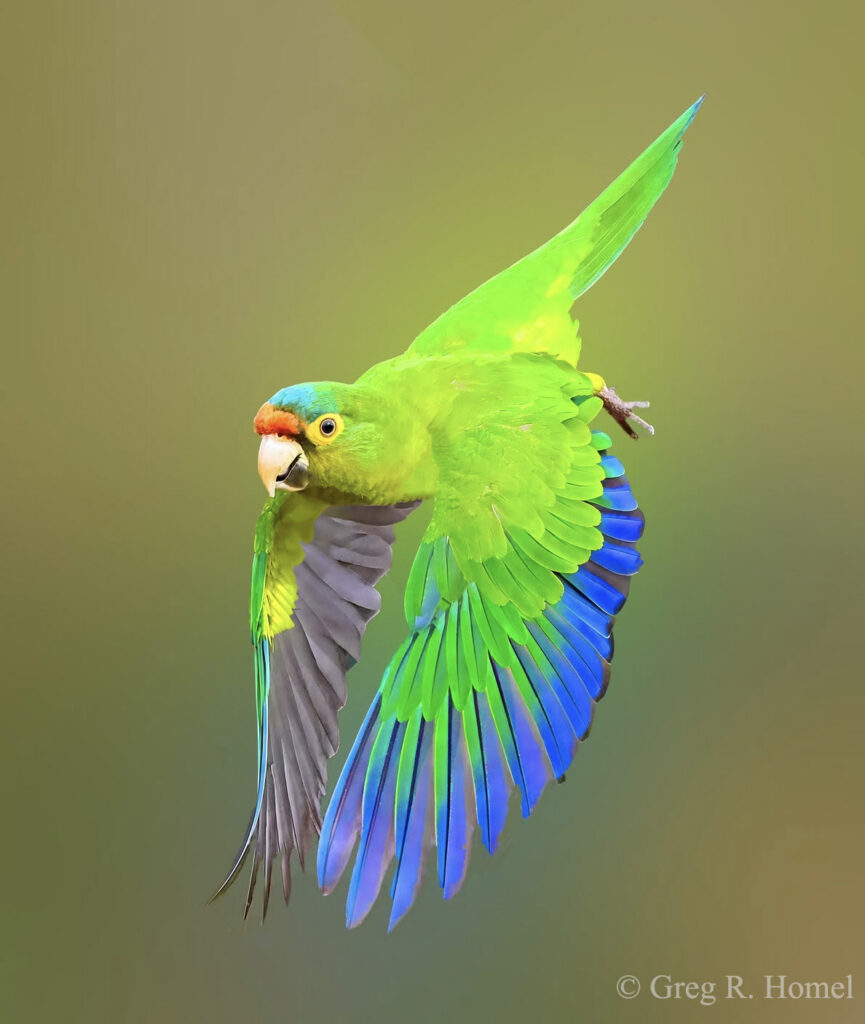
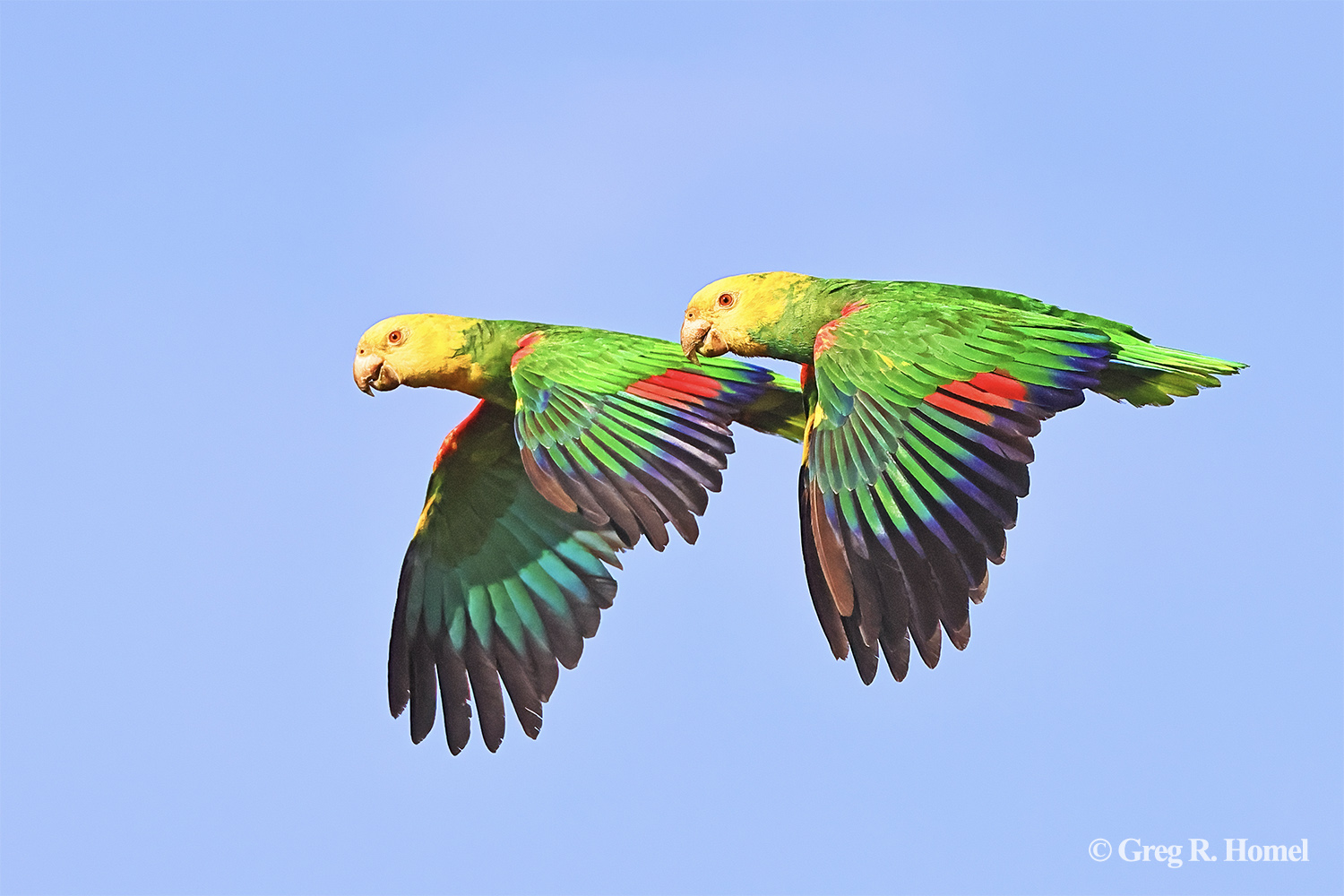
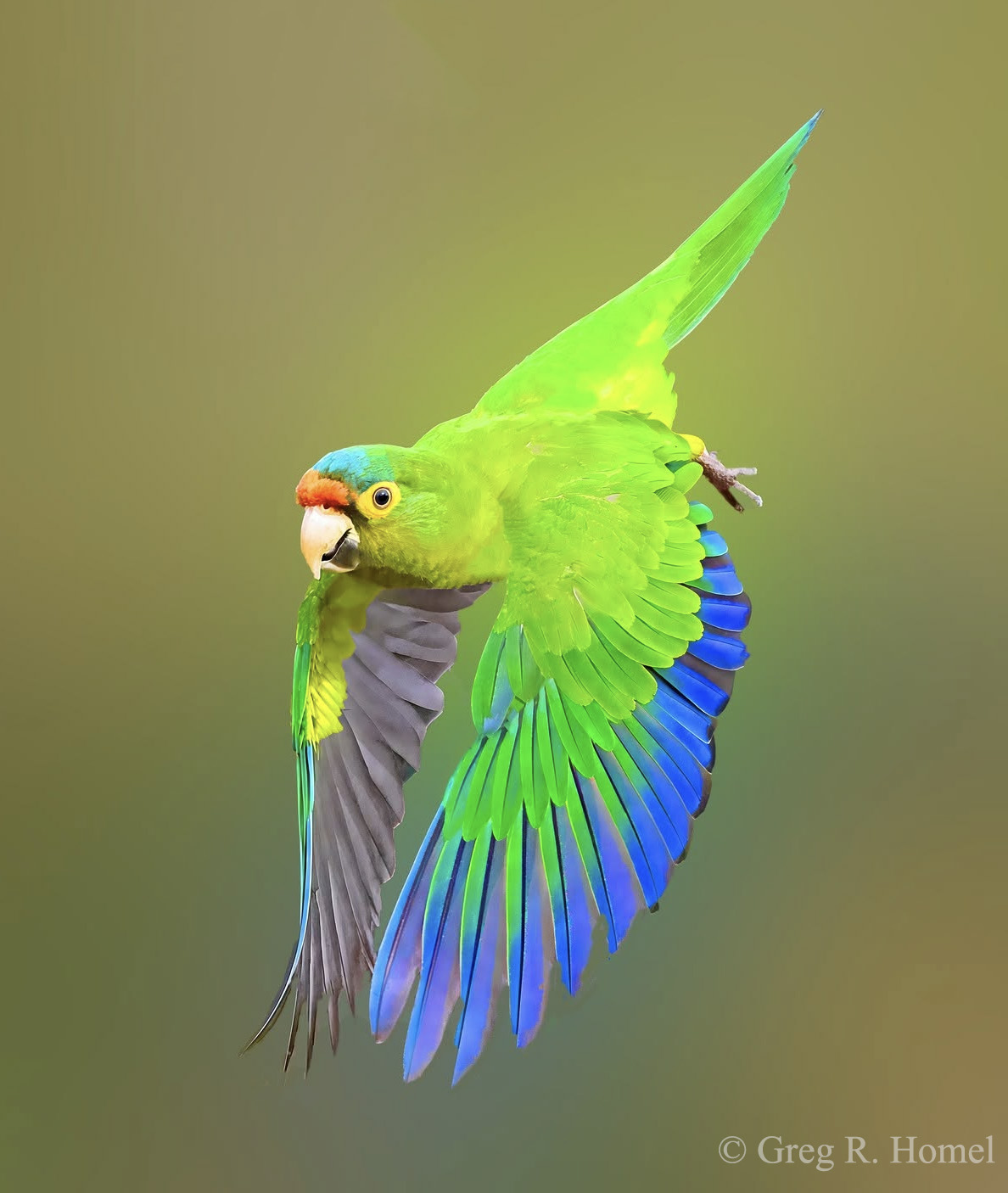
PART V—5-DAY OPTIONAL POST-EXTENSION: Endemic specialties of the Islas Tres Marias Biosphere Reserve: Travel 4 hours west of the tropical Pacific Port of San Blas or Puerto Vallarta to access a newly opened island world that was closed to visitors for over a century: Islas Marias National Park, in the tropical Pacific… so close but yet so far from the coast of west Mexico. Visit a living picture postcard of the west coast of Mexico as it was before humans altered the landscape and its wildlife: a land where flocks of Yellow-headed Parrots are the norm and not the exception and endemic Tres Marías Hummingbirds probe aloe blooms, in addition to a cline of endemic avian subspecies of more widespread birds, such as Elf Owl, Red-tailed Hawk, Crested Caracara, Elegant Trogon, Mexican Parrotlet, Blue Mockingbird, Hooded and Streak-backed orioles, Flame-colored Tanager, Tropical Parula, etc. This recently opened insular biosphere reserve has preserved a constellation of colorful endemic and indigenous birds that are finally readily accessible after more than a century of being off-limits as a penal colony. 5 days/4 nights; 150+ species.
Outline
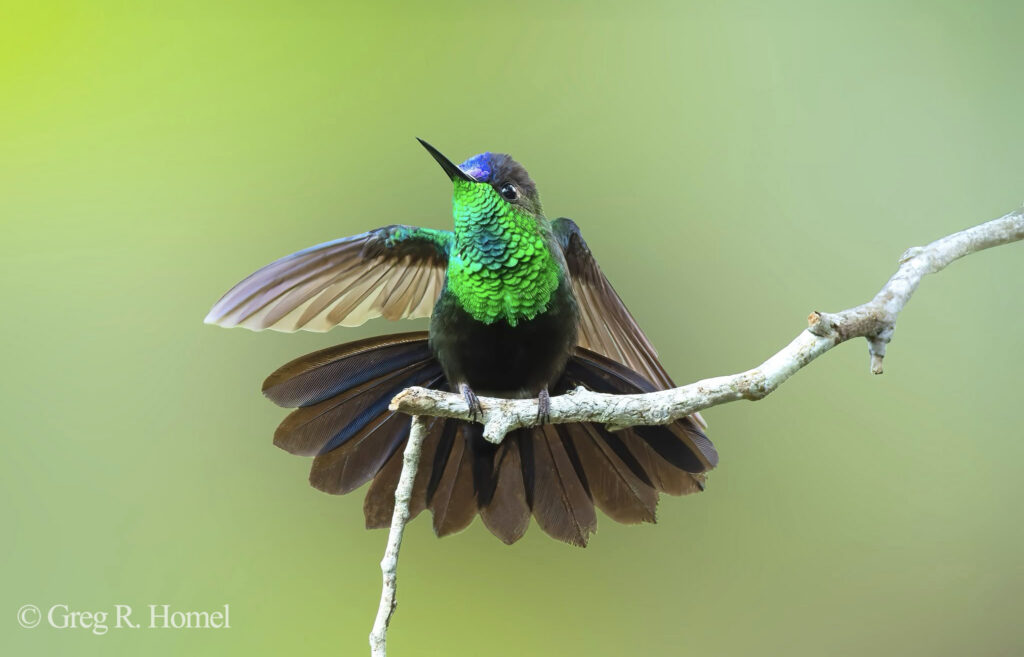
Part I: Puerto Vallarta, Jalisco State (Days 1–6)
Day 1: Arrival in Puerto Vallarta; birding at Mirador Mojoneras
Day 2: Hummingbird & Neotropical songbird viewing & photography at Rancho Primavera & Rancho Aqua Fria
Day 3: Rancho Sanctuario (the Military Macaw Sanctuary) & Camino Bascula
Day 4: Neotropical raptor viewing & photography from Yelapa Tapa & nocturnal birding at Mirador Mojoneras.
Day 5: A.M. boating excursion to Islas Marietas Marine National Park; P.M. birding and owling between San Sebastian del Oeste and Cerro de la Bufa
Day 6: Full day exploring the birds of Mexico’s high sierra, near the historic silver-mining town of San Sebastian de Oeste and lofty Cerra de la Bufa (elevation 2800 m/8800′).
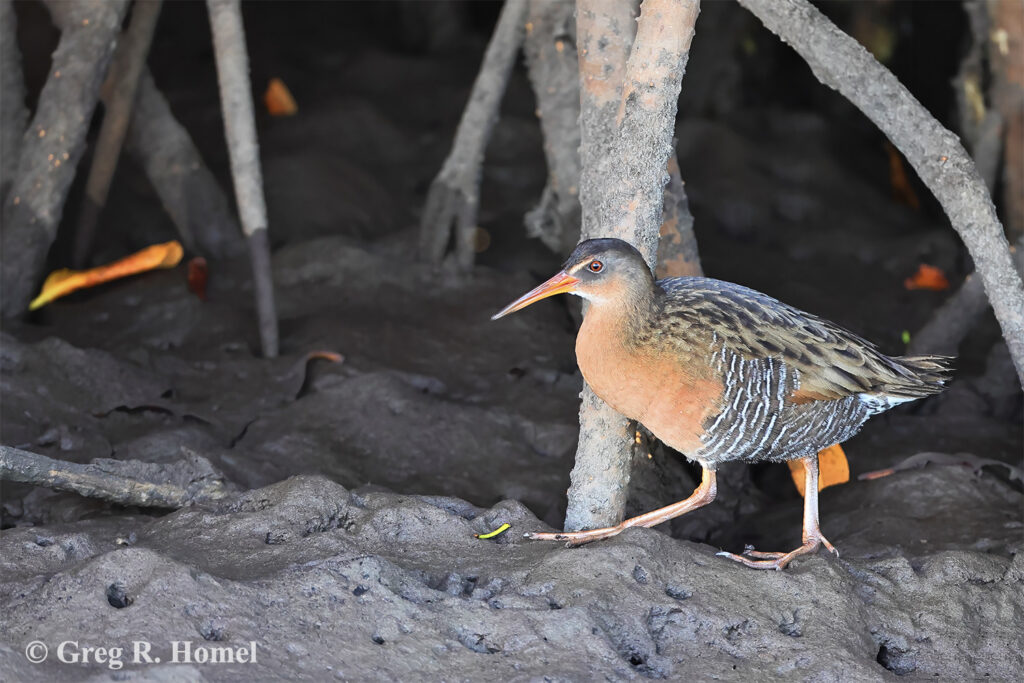
Part II: San Blas, Riviera Nayarit (Days 7–8)
Day 7: Birding in San Blas and crepuscular and nocturnal excursion on the Rio La Tovara
Day 8: A.M. river-borne excursion on the Rio San Cristobál to visit Laguna de Zoquipan; p.m. birding at Chacalilla, San Blas.
Part III: Sierra Madre Occidental, Nayarit (Days 9–10)
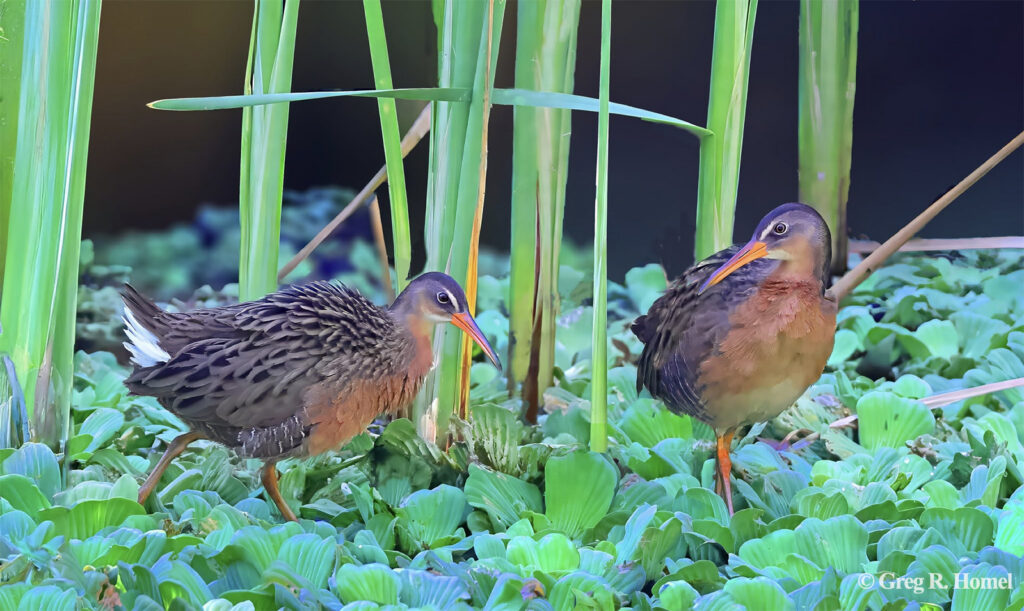
Day 9: Seeking Ridgeway’s Rail, followed by travel to the Cabañas Ecológitcas Guadelupe Ocotán in the Sierra Madre Occidental.
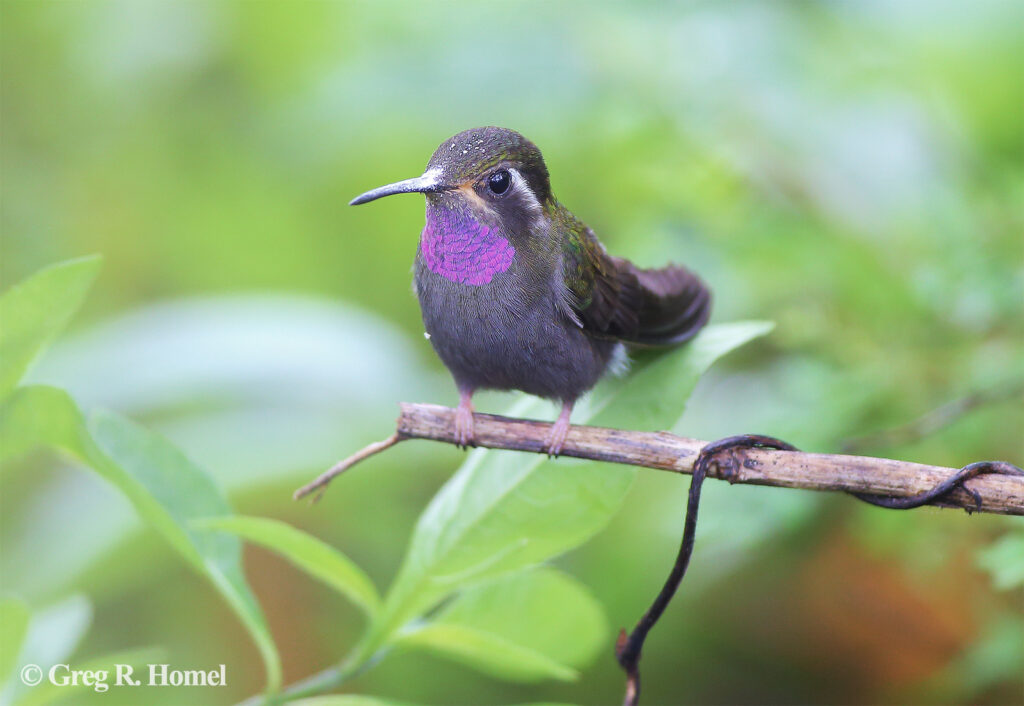
Day 10: Mixed, high-altitude coniferous forest in the vicinity for Eared Quetzal, Tufted Jay, Aztec Thrush, raptors, and Sierra Madrean specialties.
Day 11: Presa la Vega and Parque Nacional Nevado de Colima.
Day 12: Overland transfer to Colima City, birding at Lago Chapala, and owling on Cerra La Cumbre, Colima.
Day 13: A.M. at Parque Ecológico la Compaña-Rio Colima and overland transfer to Melaque; P.M. at Laguna Tule, Jalisco
Day 14: A.M. at Islito Piedra Blanca for seabirds.
Day 15: A.M. at Laguna del Tule and/or Manzanillo Airport marshes for aquatic birds. P.M. homebound flights from Manzanillo International Airport (ZLO), Jalisco, or continue with the optional post extension.
Part V: Optional Post Extension: Parque Nacional Islas Marías, Nayarit State (Days 15–19)
Day 15: Overland transfer from Barra de Navidad to Puerto Vallarta, with birding en route.
Days 16–18: Parque Nacional Islas Tres Marías, Nayarit
Day 19: Return to San Blas in the early morning; overland transfer to a hotel near Tepic International Airport for your homebound flights.
Day 20: Homebound flights.
Part I: Puerto Vallarta, Jalisco State (Days 1–6)
Day 1
After clearing customs, you will be whisked away to your very comfortable hotel.
Arrive in Puerto Vallarta. Welcome to Mexico!
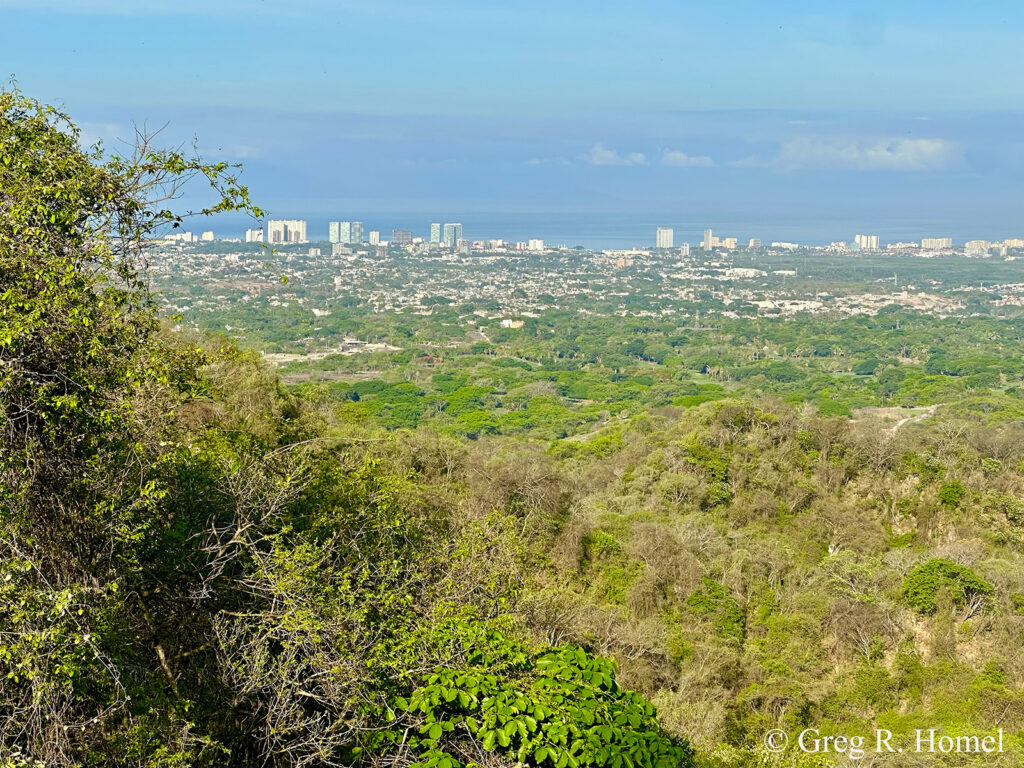
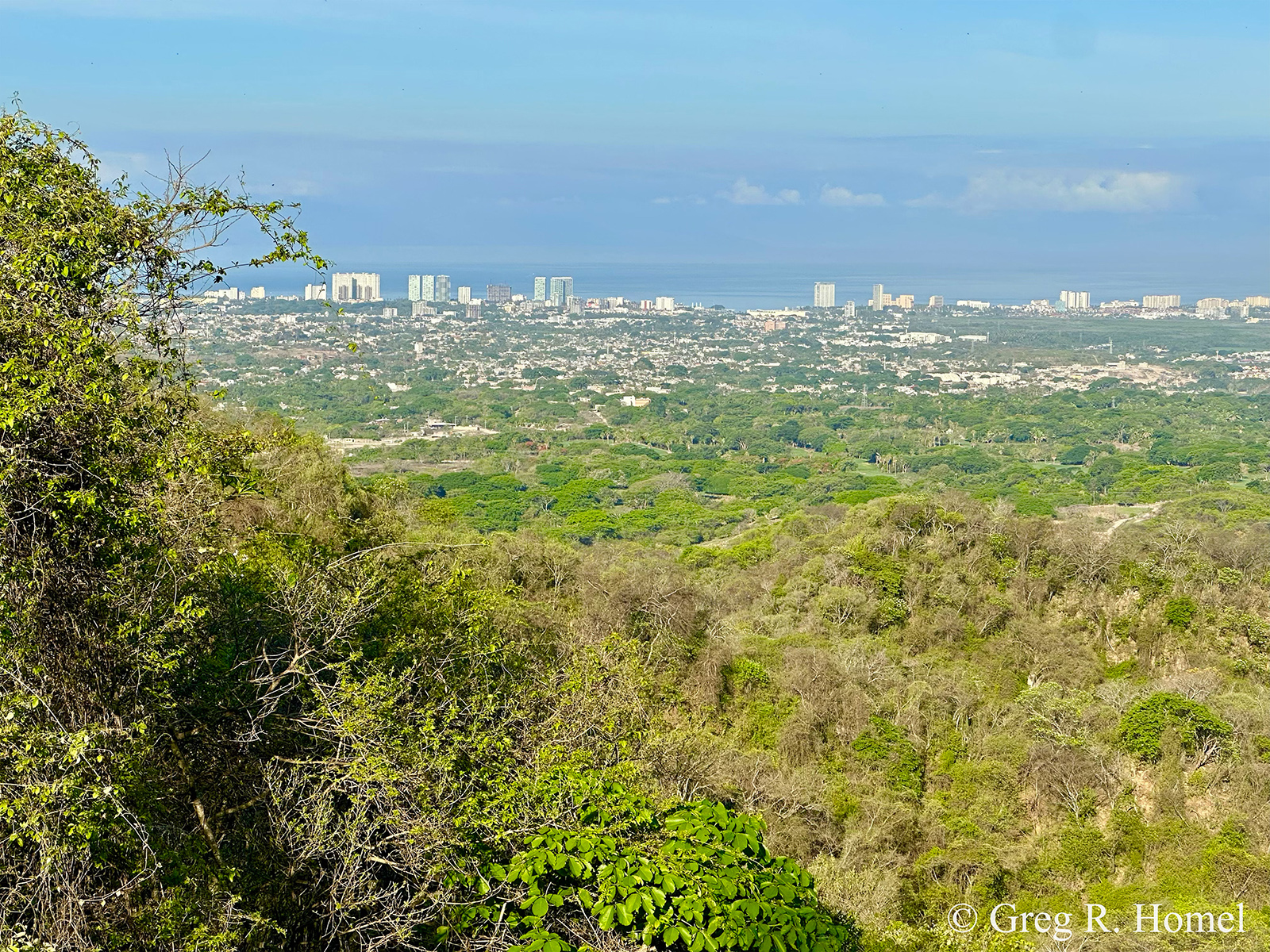
This afternoon, we will offer birding at Mirador Mojoneras (see Specialties tab), which has come to be known as “Puerto Vallarta’s Wild Side,” a remarkable swathe of intact Sinaloan Thorn Forest, abutting Puerto Vallarta only 20 minutes or so from our hotel, Holiday Inn Suites or Fiesta Inn.
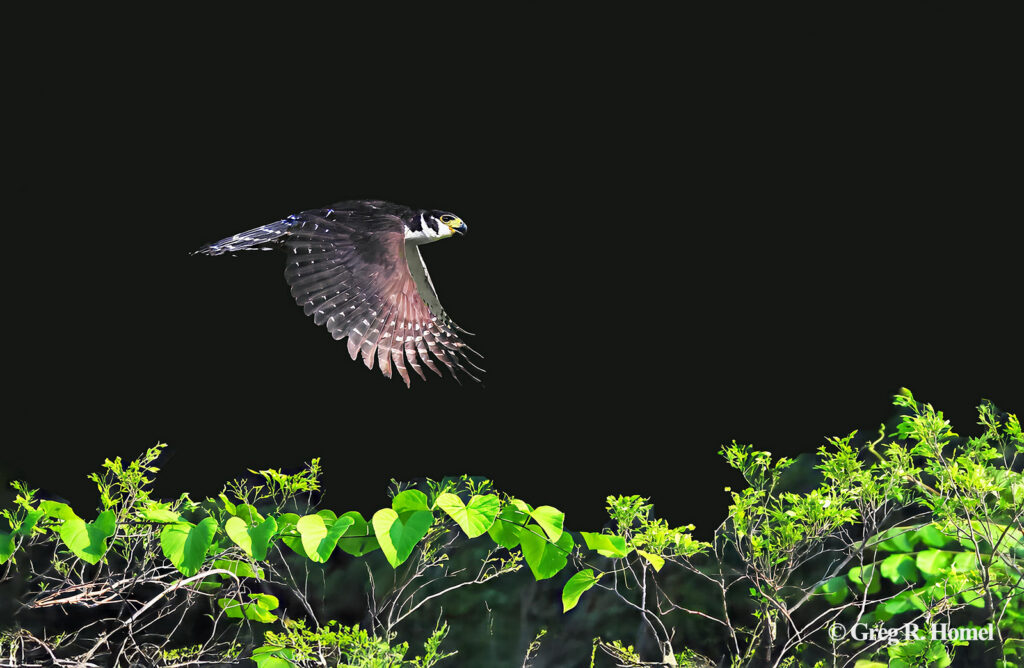
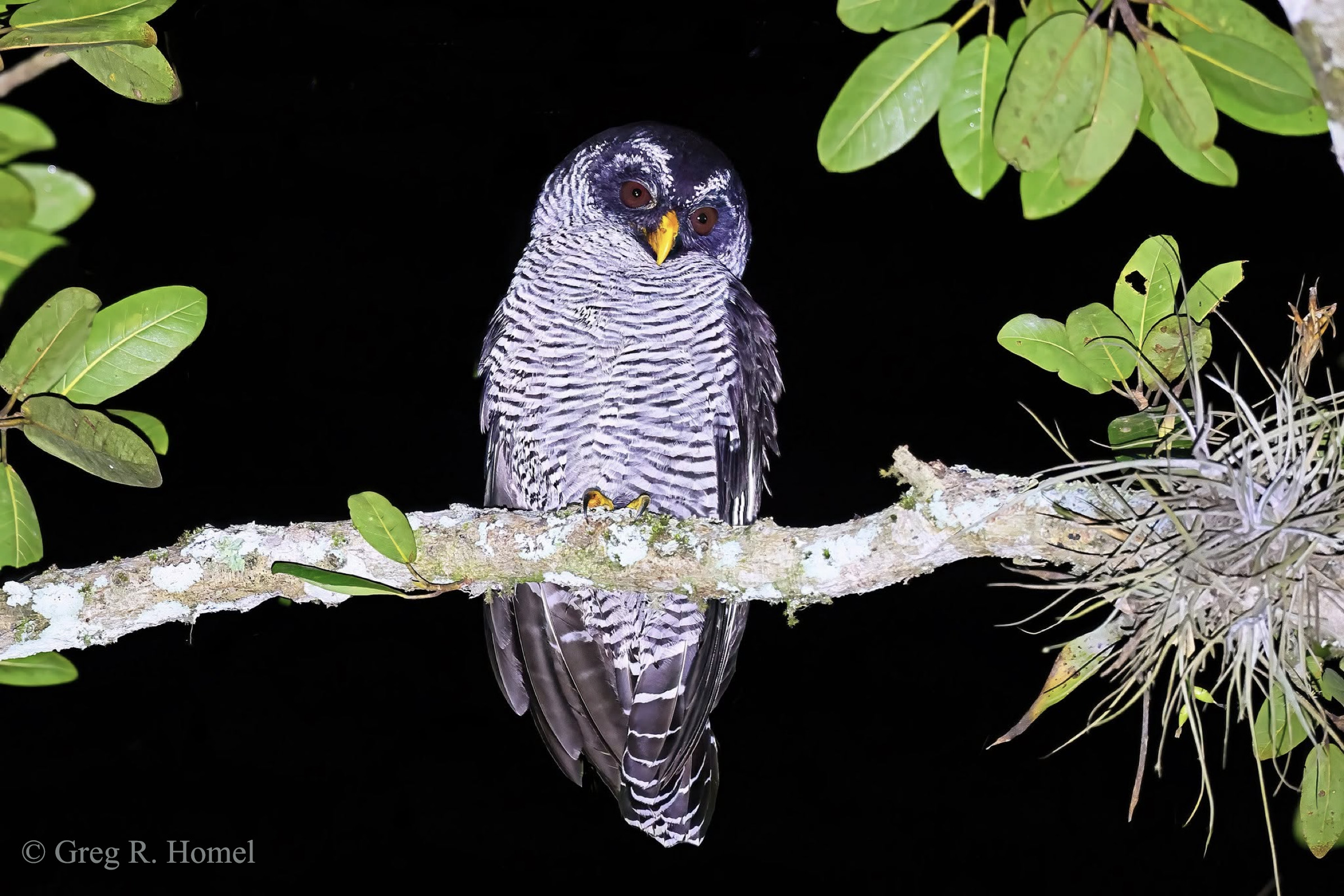
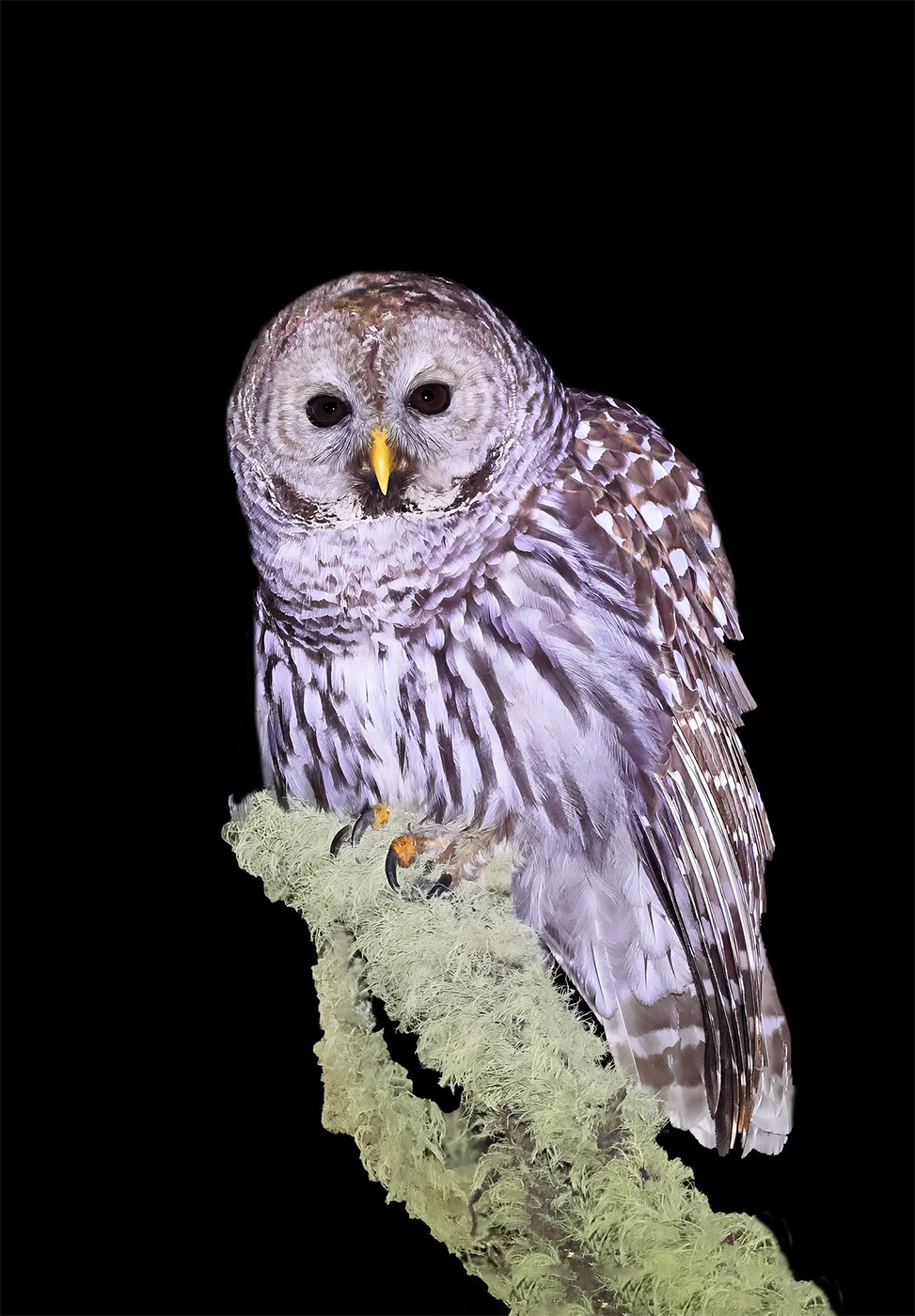
We will also offer nocturnal birding, for those who are up to it, the highlights being Black-and-White Owls, which your guide, Greg R. Homel, and his team discovered in October 2023, and they are still regularly showing nightly.
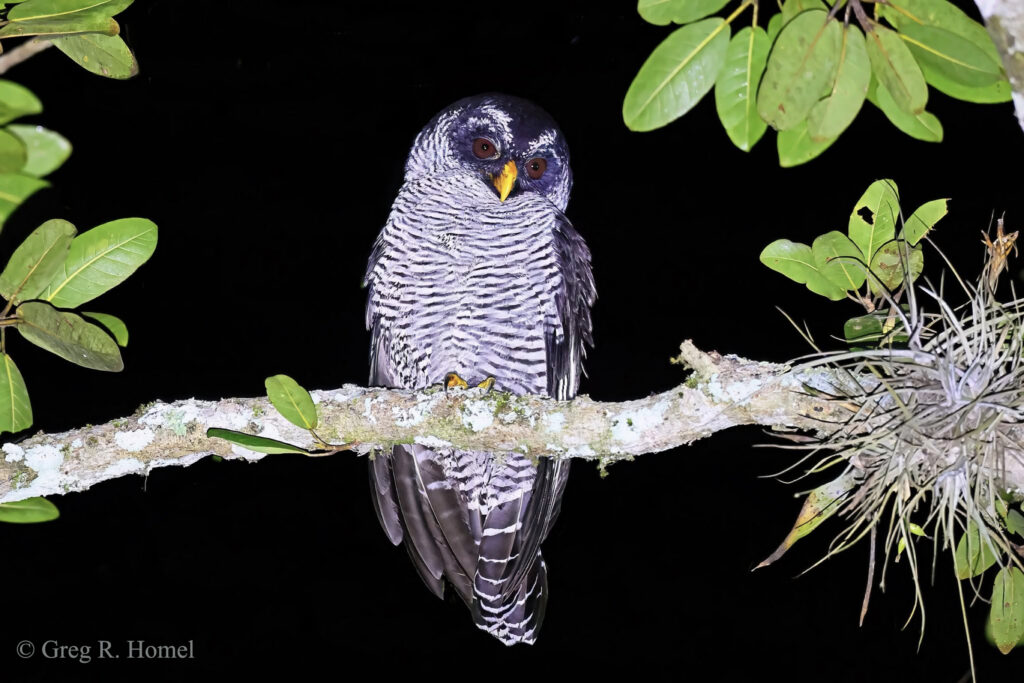
We realize you may be tired from your flight, and if so, you will have another crack at these and other specialties (see the Species tab) on night three, following our exciting visit to Cabo Corrientes.
Lodging at the very nice Fiesta Inn or Holiday Inn Suites, Puerto Vallarta.
Day 2
Hummingbird & Neotropical songbird viewing & photography at Rancho Primavera & Rancho Aqua Fria.

We rise early to reach Rancho Primavera in the early morning (it’s about 90 minutes from Puerto Vallarta, with a stop at a wonderful rural bakery with piping hot pastries with a variety of fillings and coffee—and hours that suit a birder’s life!). Rancho Primavera is the second-most prolific eBird hotspot in the entire state of Jalisco, with over 339 species recorded as of July 2026. Nearby Rancho Agua Fria, which is is nearly the size of Primavera and offers more natural, unspoiled habitat, is also very productive (160 species recorded so far), but it has the potential to overtake Rancho Primavera someday due to its pristine habitat.
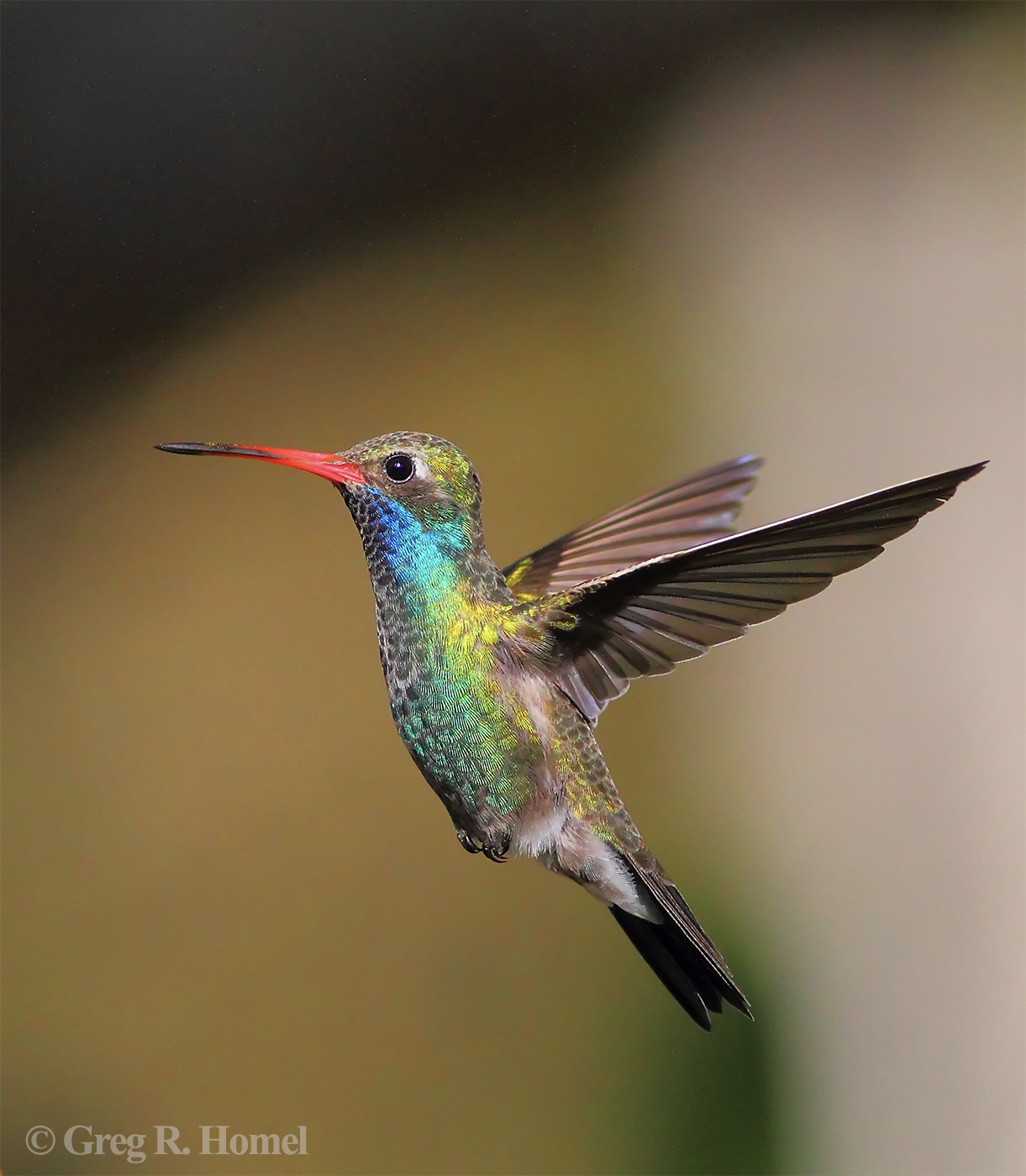
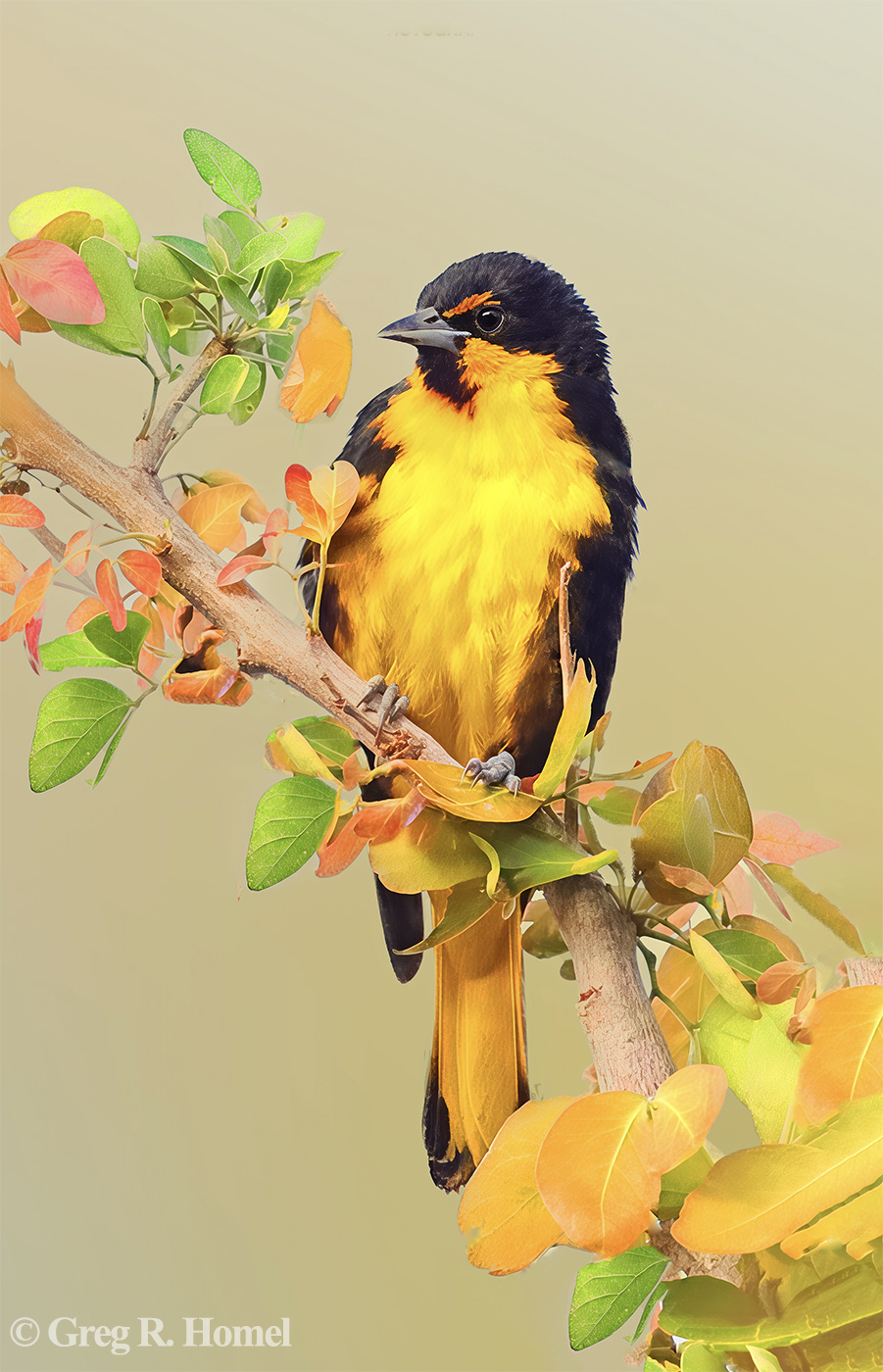
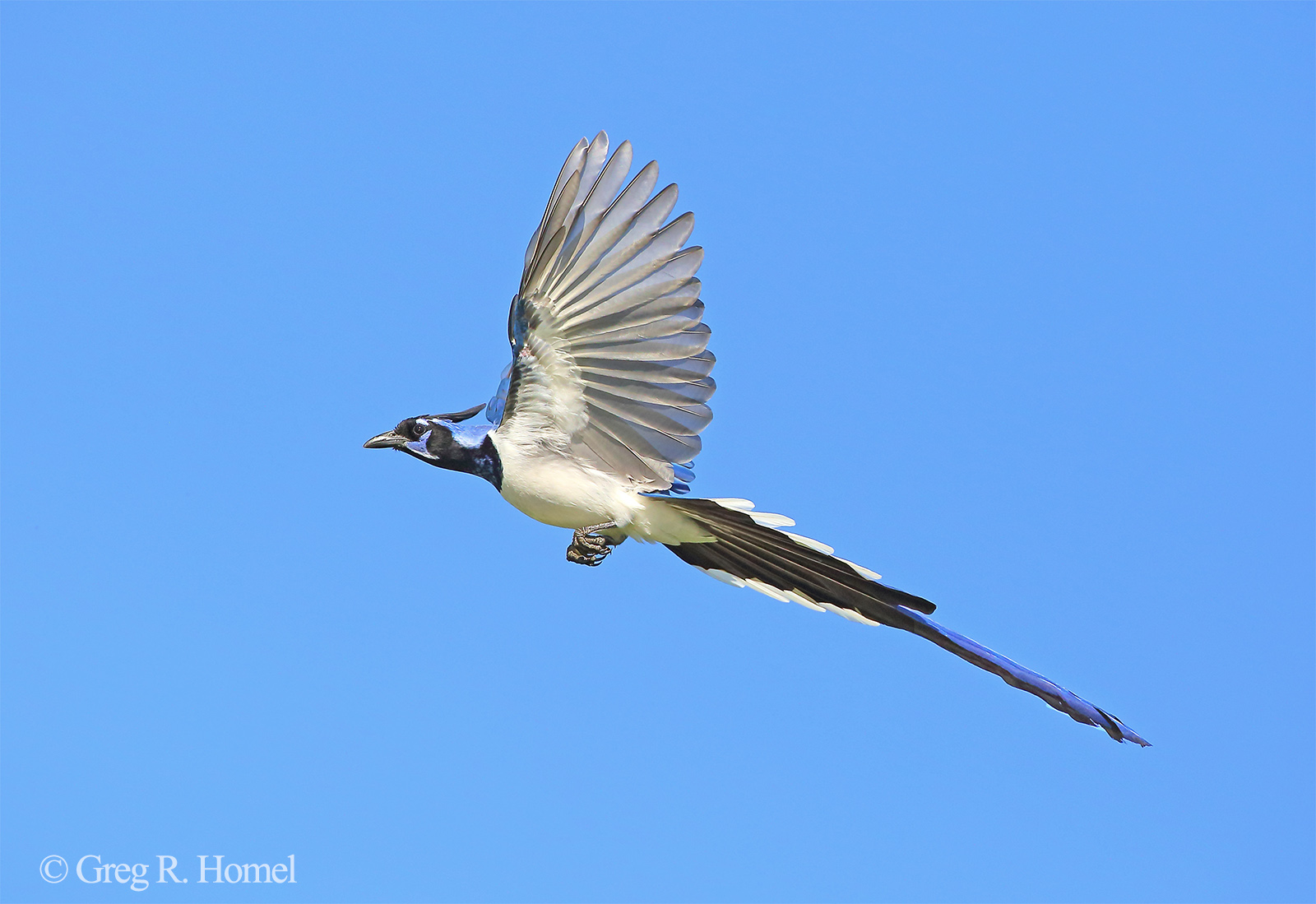
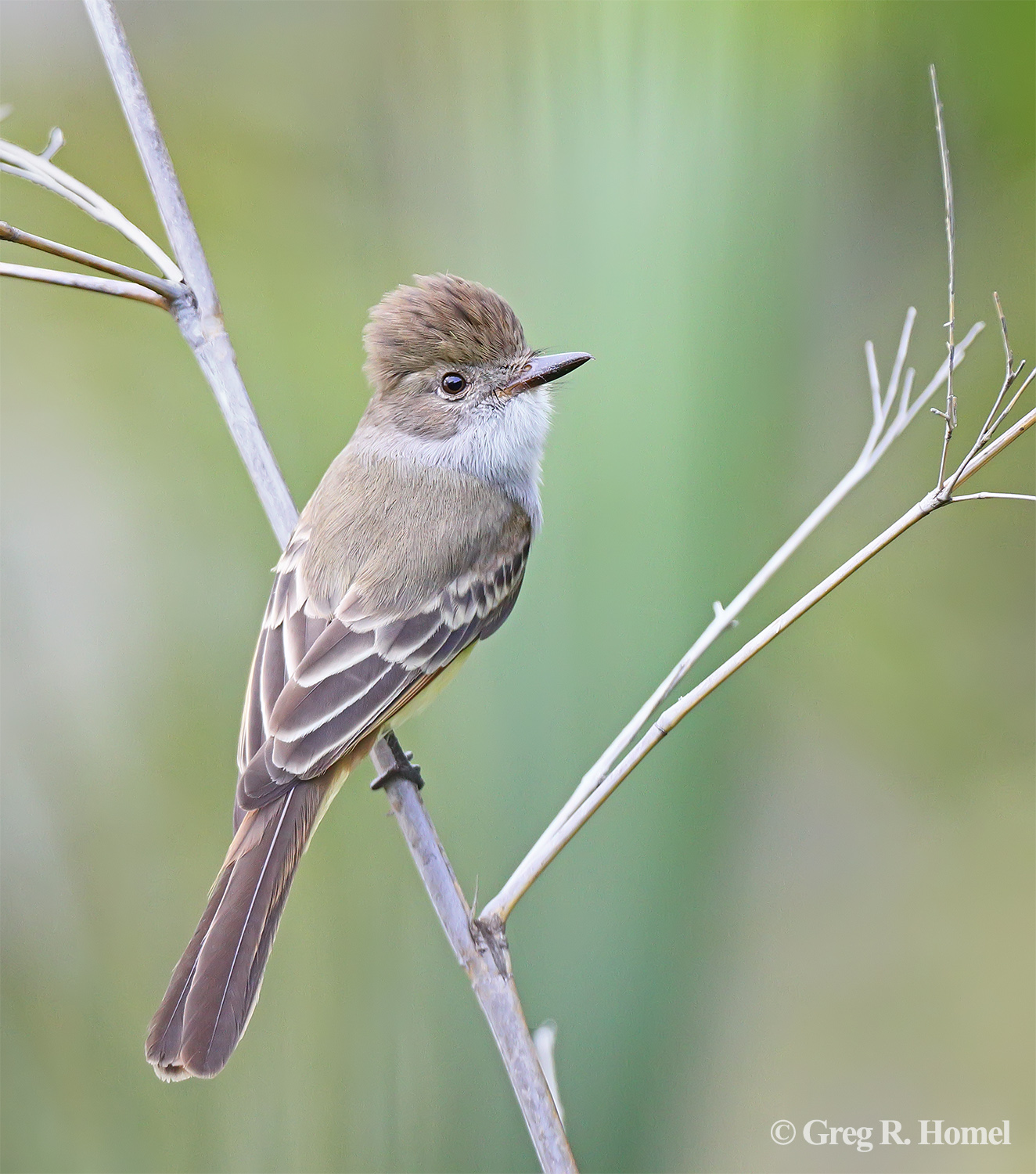
Species include, among many others, Plain-capped Starthroat, Military Macaw, endemic West Mexican Chachalaca, endemic Blue Mockingbird, endemic Black-throated Magpie-Jay, near-endemic Streak-backed Oriole, regional endemic Yellow-winged Cacique, Yellow Grosbeak, etc.
We will place special emphasis on viewing and photographing the stunningly colorful birds attracted to Rancho Primavera’s feeders (hummingbird, seed, and fruit) and Rancho Agua Fria’s natural spread.
We will also enjoy an early lunch afield at one of a number of restaurants featuring local cuisine and fresh seafood either in or overlooking the mountain hamlet of El Tuito, followed by a nice siesta in our lodgings. During the cocktail hour, we will review our lists and some of our images for critique in anticipation of the next day’s exciting outings.
Lodging at the lovely Rancho Primavera or similar.
Day 3
Rancho Sanctuario (the Military Macaw Sanctuary) & Camino Bascula
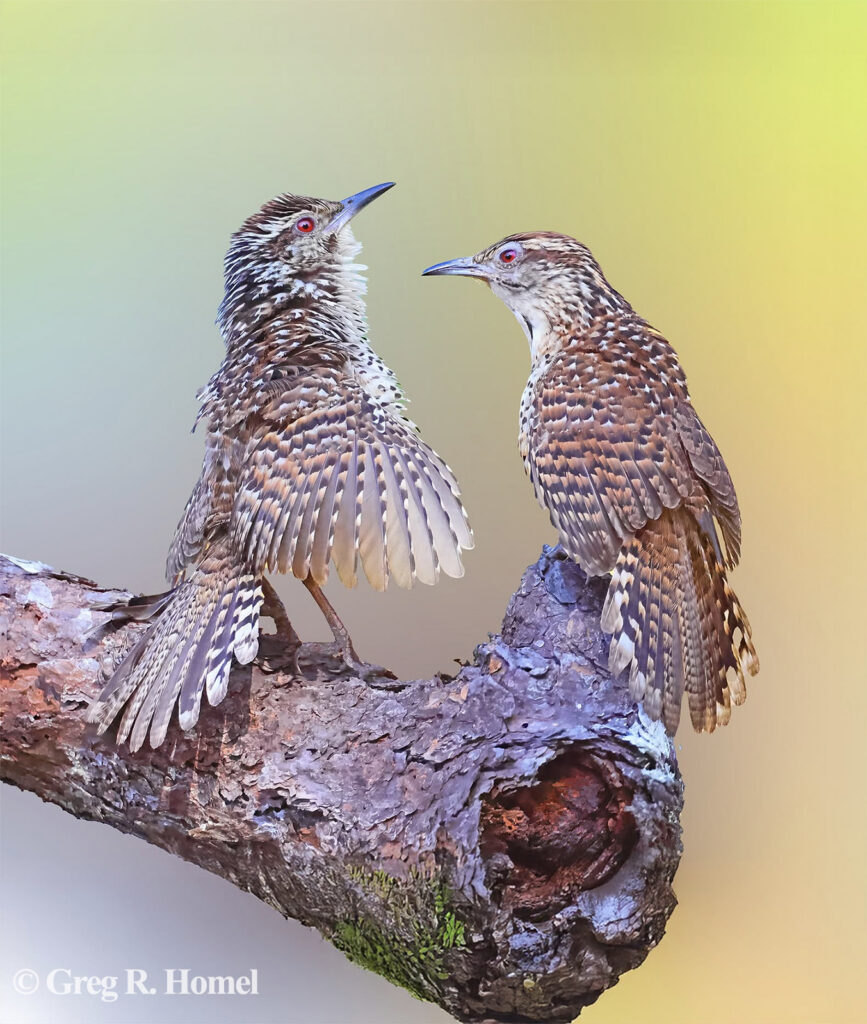
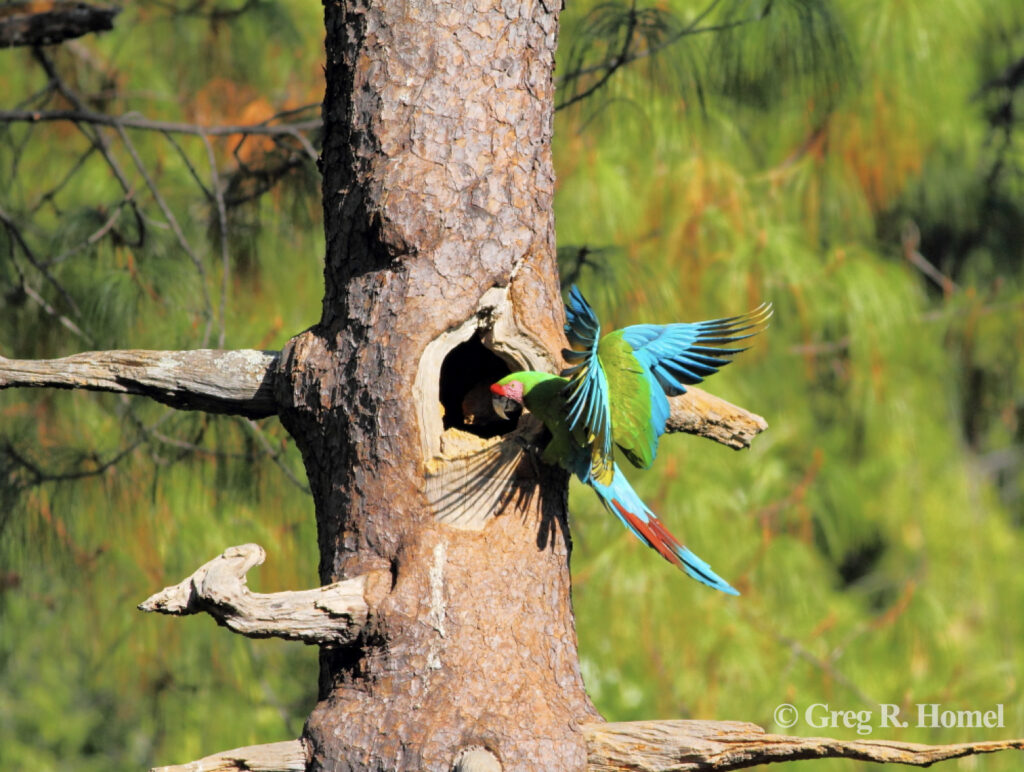
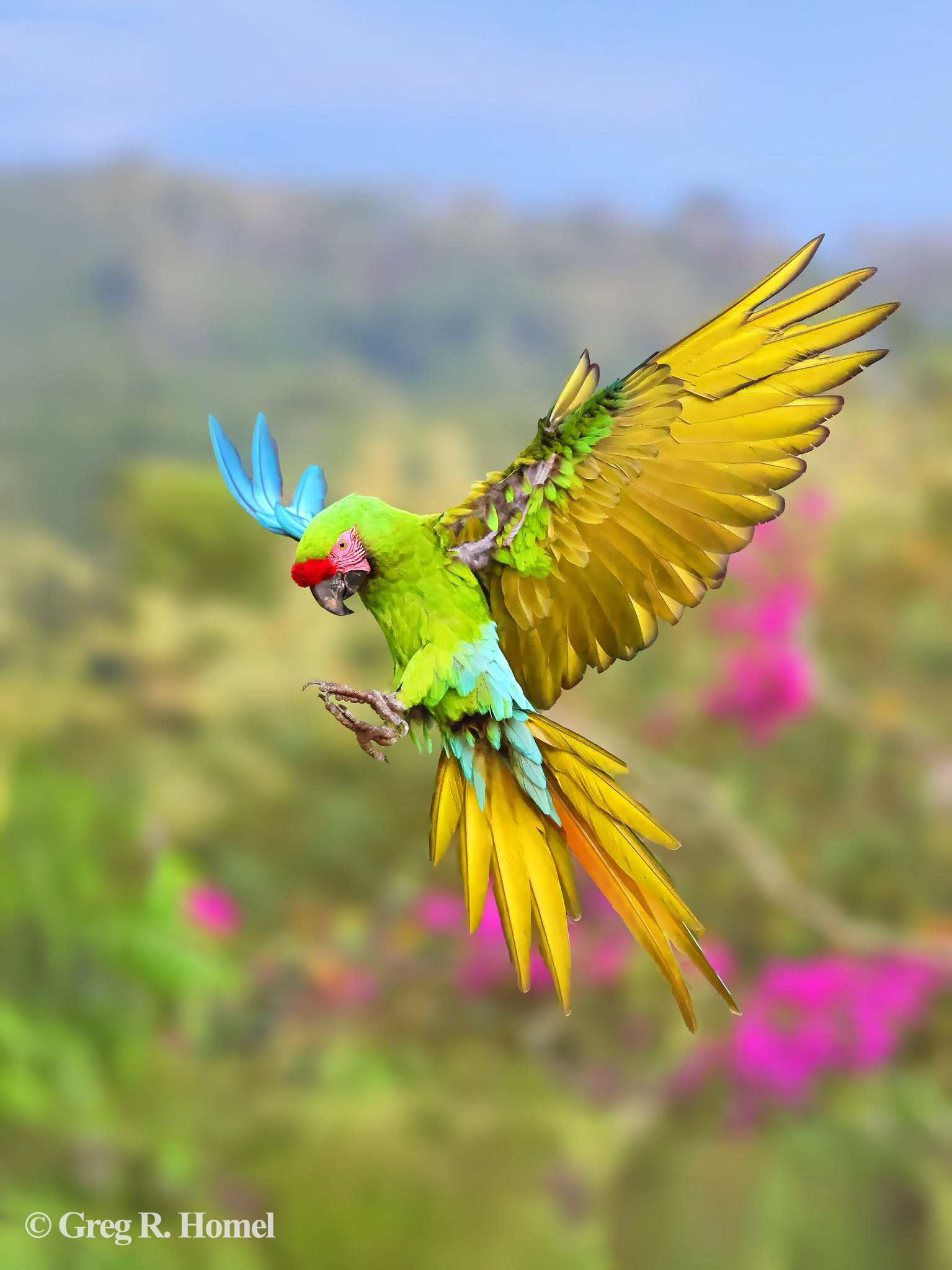
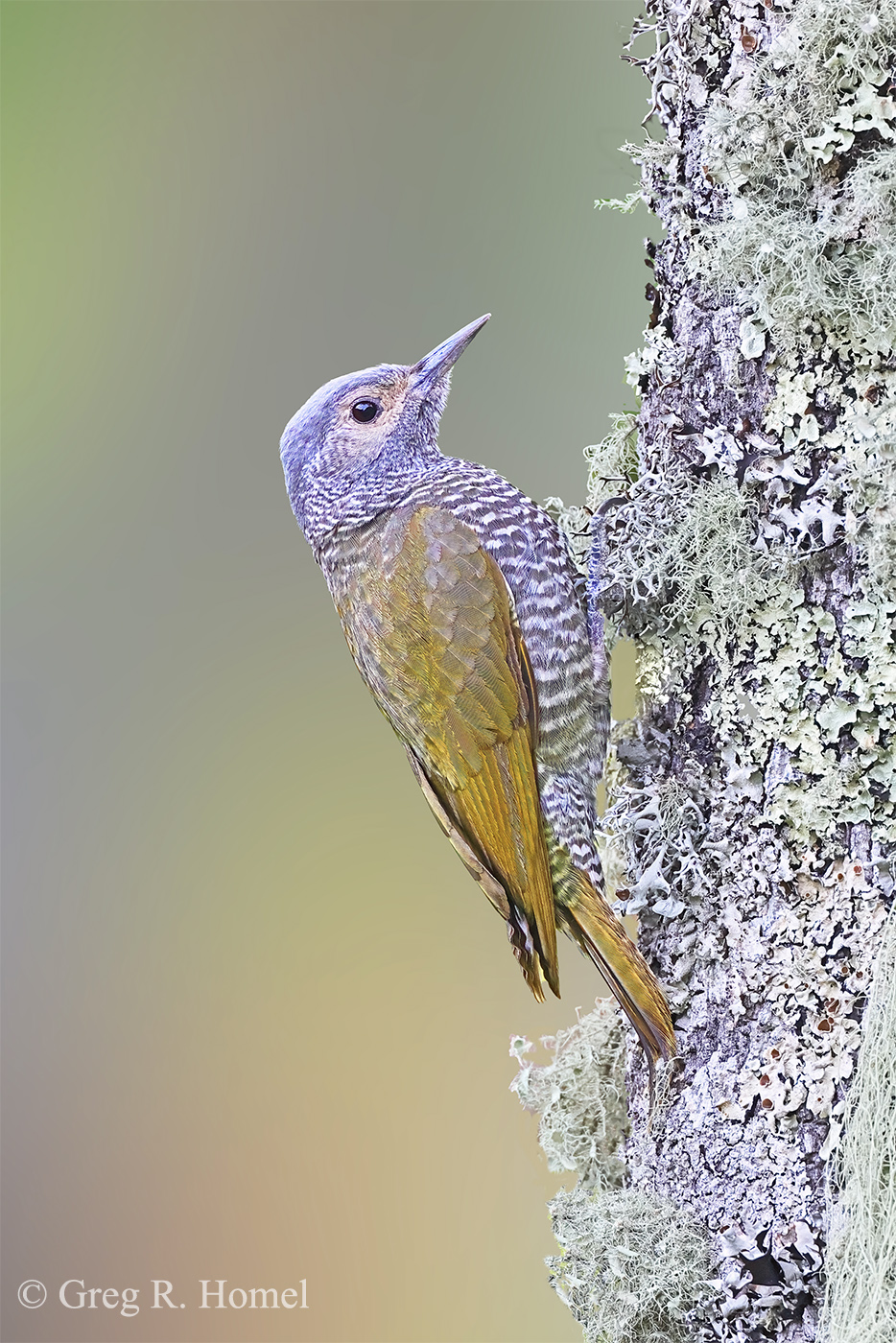
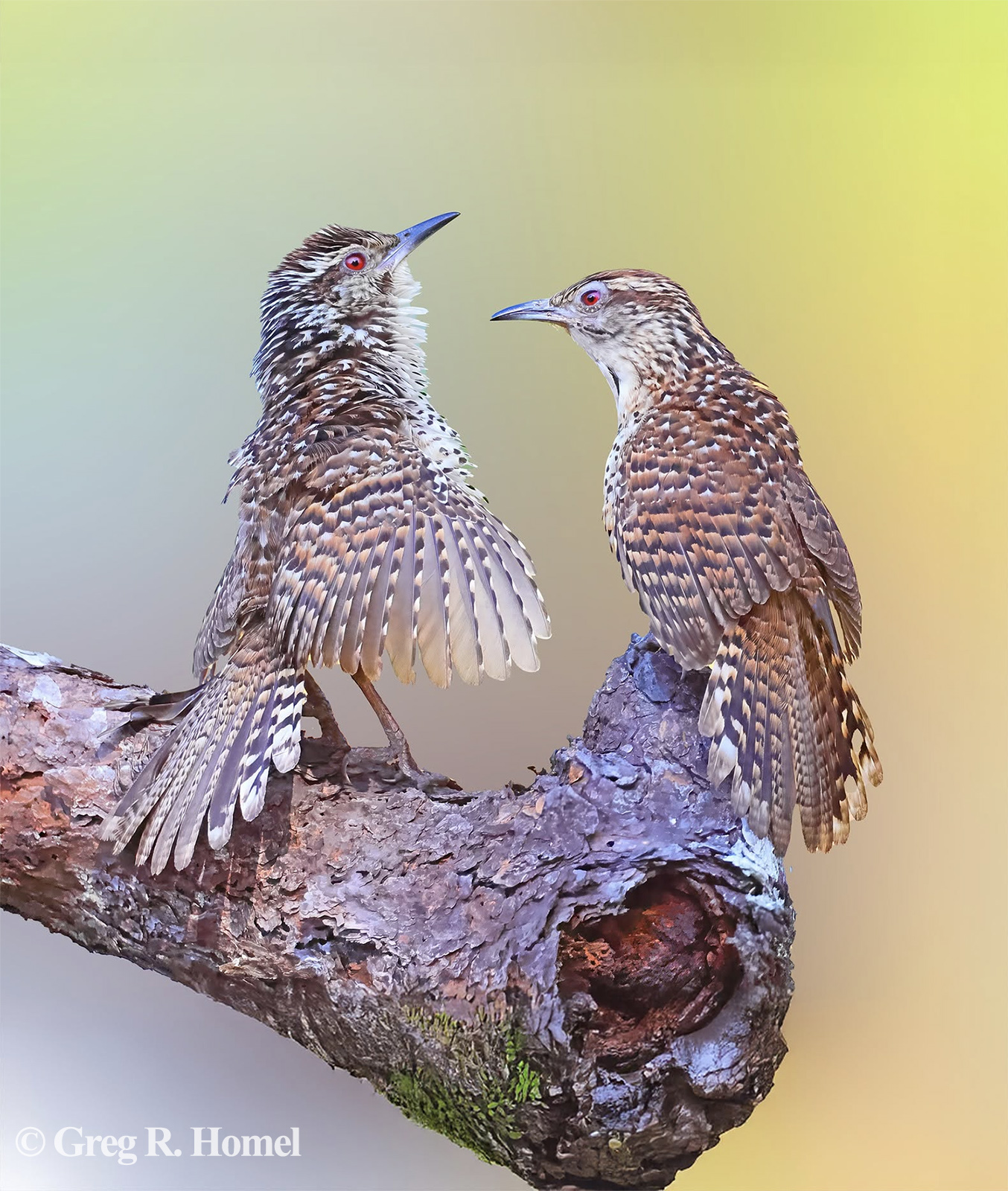
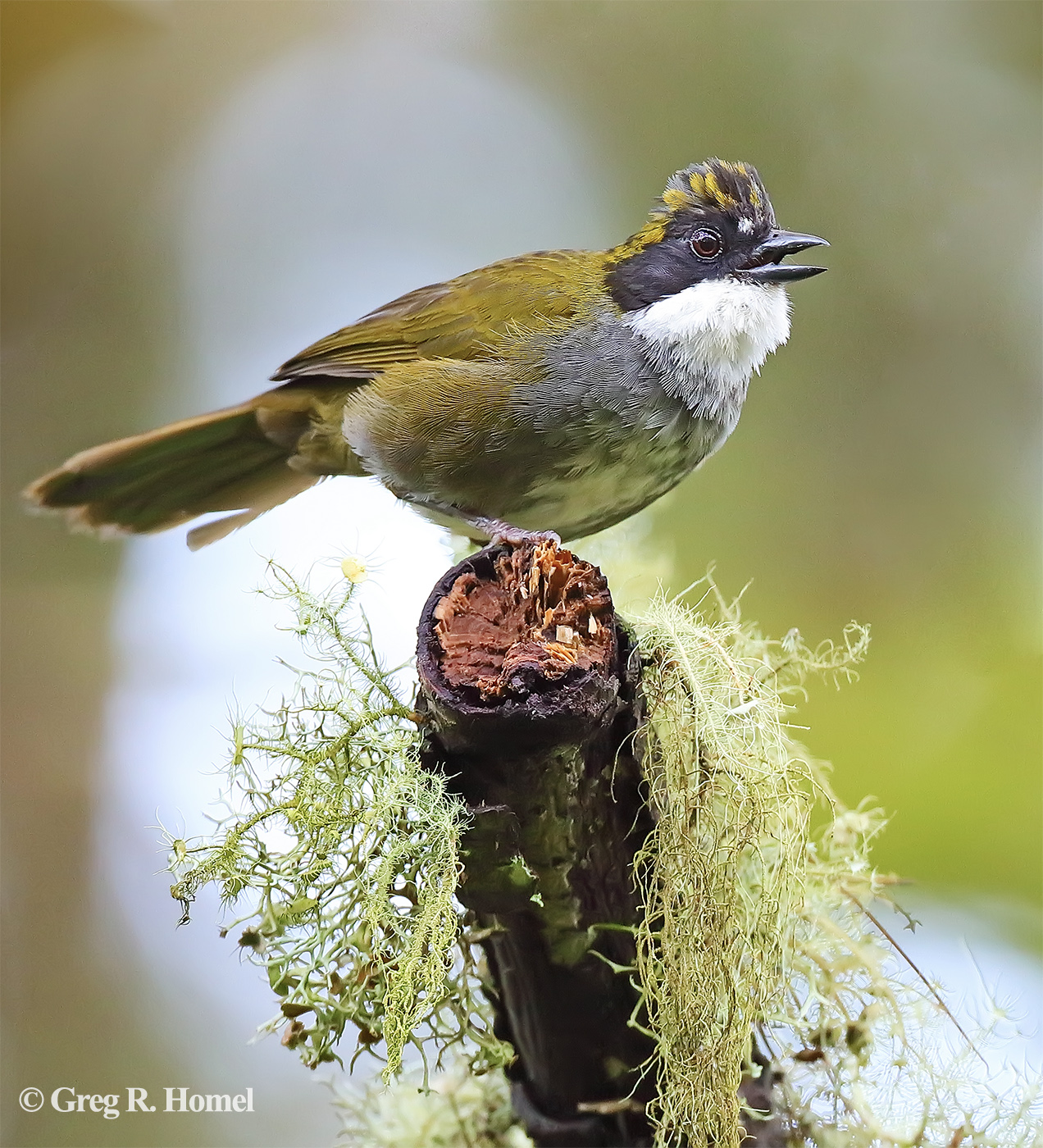
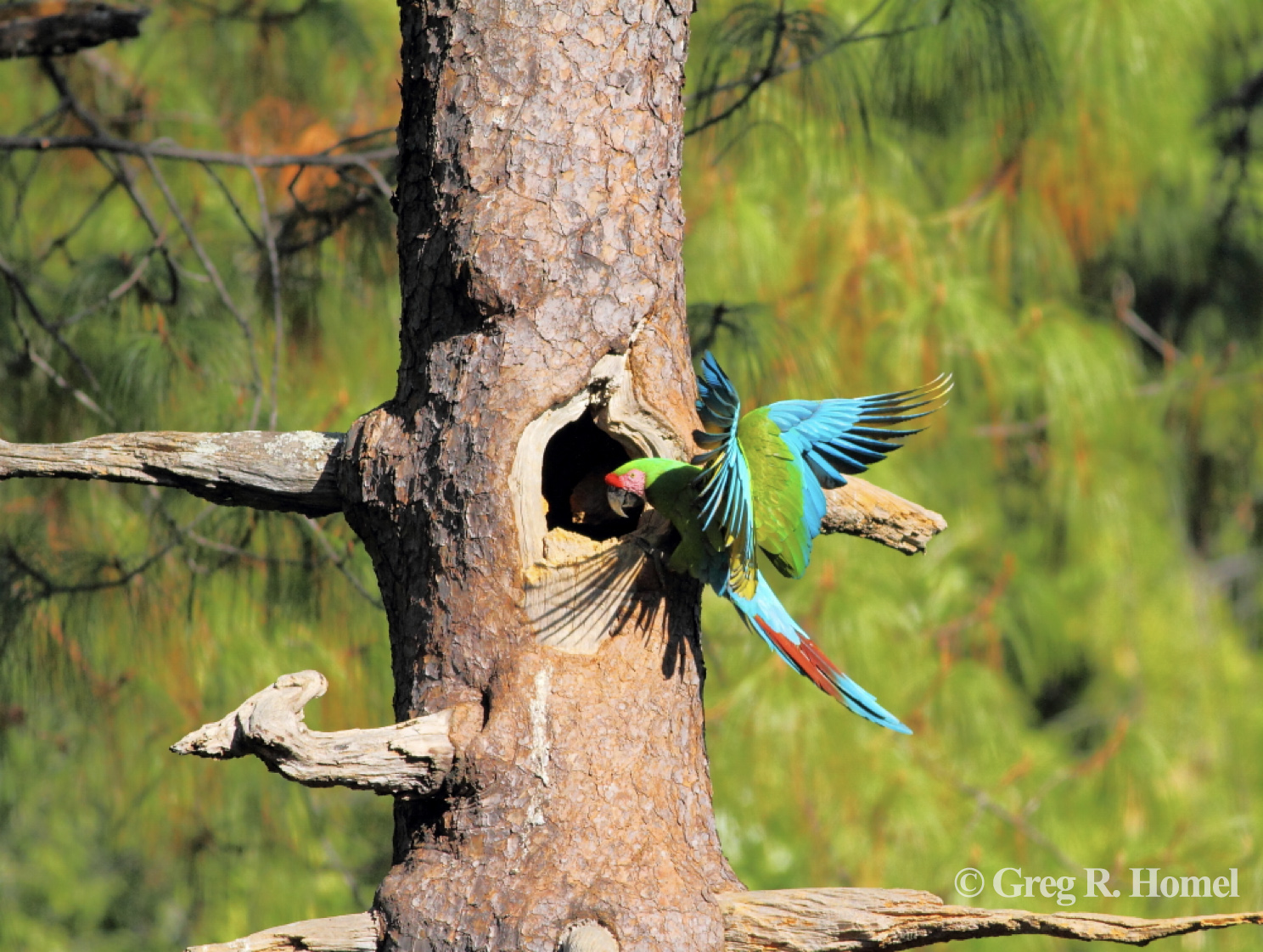
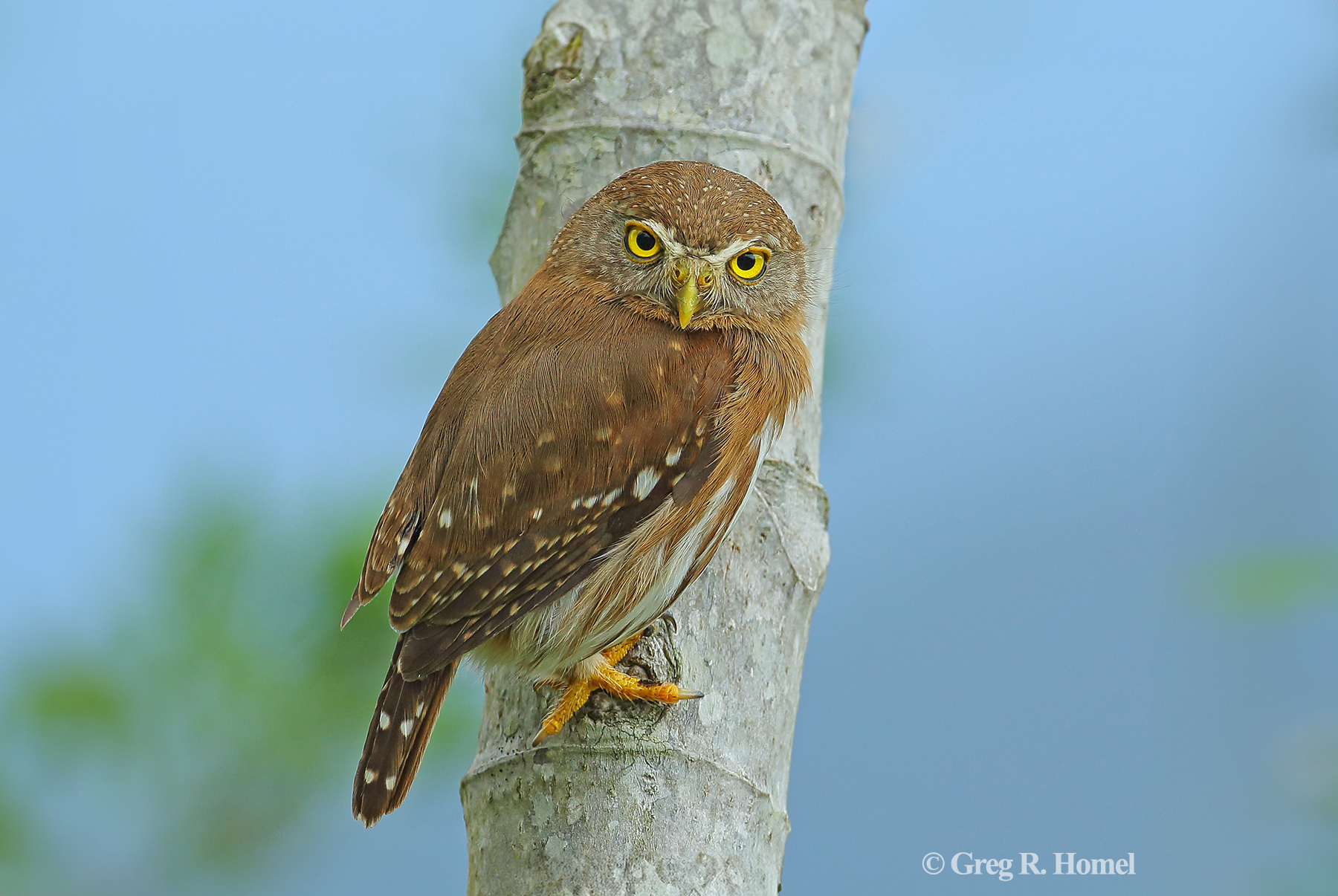
In the A.M. of this full day afield, we will concentrate on viewing and photographing Rancho Santuario’s nesting macaws and other avian gems that inhabit the pine-oak woodlands of the middle elevations of Cabo Corrientes. A specialized walk-in blind and elevated canopy tower will aid our efforts! Here, and along the walking paths, closeup views of wild and majestic Military Macaws and a wide variety of montane specialties — including possible endemic Colima Pygmy-Owl, endemic Gray-crowned Woodpecker, Gray-collared Becard, endemic Spotted Wren, Grace’s and Rufous-capped Warblers, Painted Redstart, and other specialties of Cabo Corrientes’ pine-clad encinal habitat will delight you.
Emphasis will be on finding and photographing Military Macaws at their nest sites (both natural and artificial) and in flight, as well as raptors in flight, from the tower and blind.
We will enjoy lunch at the nearby Vallarta Botanic Garden, which was voted one of the best botanic gardens in Latin America by USA Today’s 10-Best Readers’ Choice Awards. After a restful siesta at the garden’s restaurant overlooking the Rio Los Horcones, we again hit the trail to enjoy warbler, oriole, becard, and tanager watching amid the pine-oak ecostystem of Camino Bascula (“Provincia Road”), Cabo Corrientes, home to endemic Gray-crowned Woodpeckers, White-striped Woodcreepers, Spotted Wrens, and Eared Poorwills. We will undertake a nocturnal Eared Poorwill excursion tonight after dinner in El Tuito.
Lodging at Rancho Primavera or similar.
Day 4
Neotropical raptor viewing & photography from Yelapa Tapa & nocturnal birding at Mirador Mojoneras.
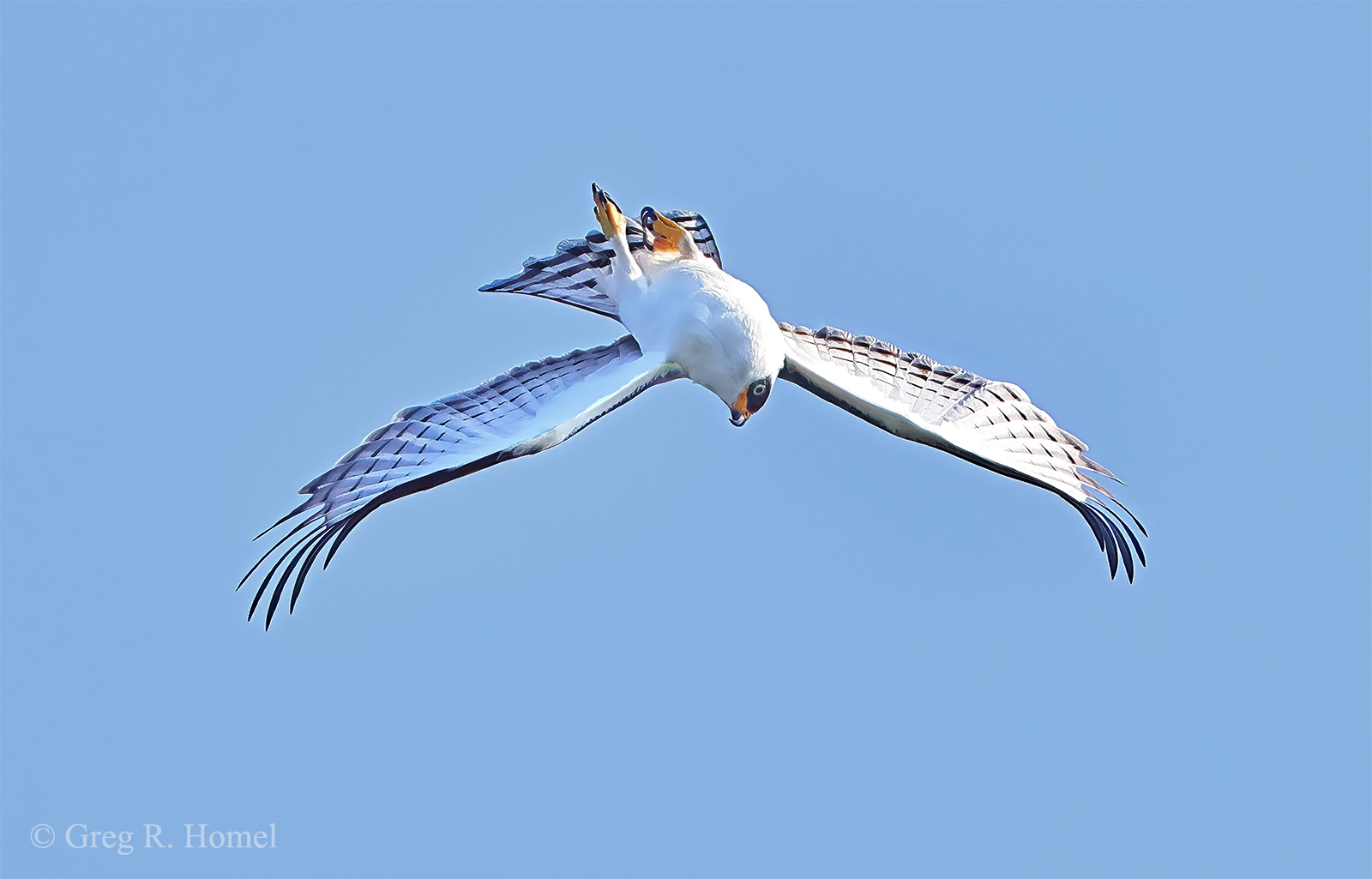
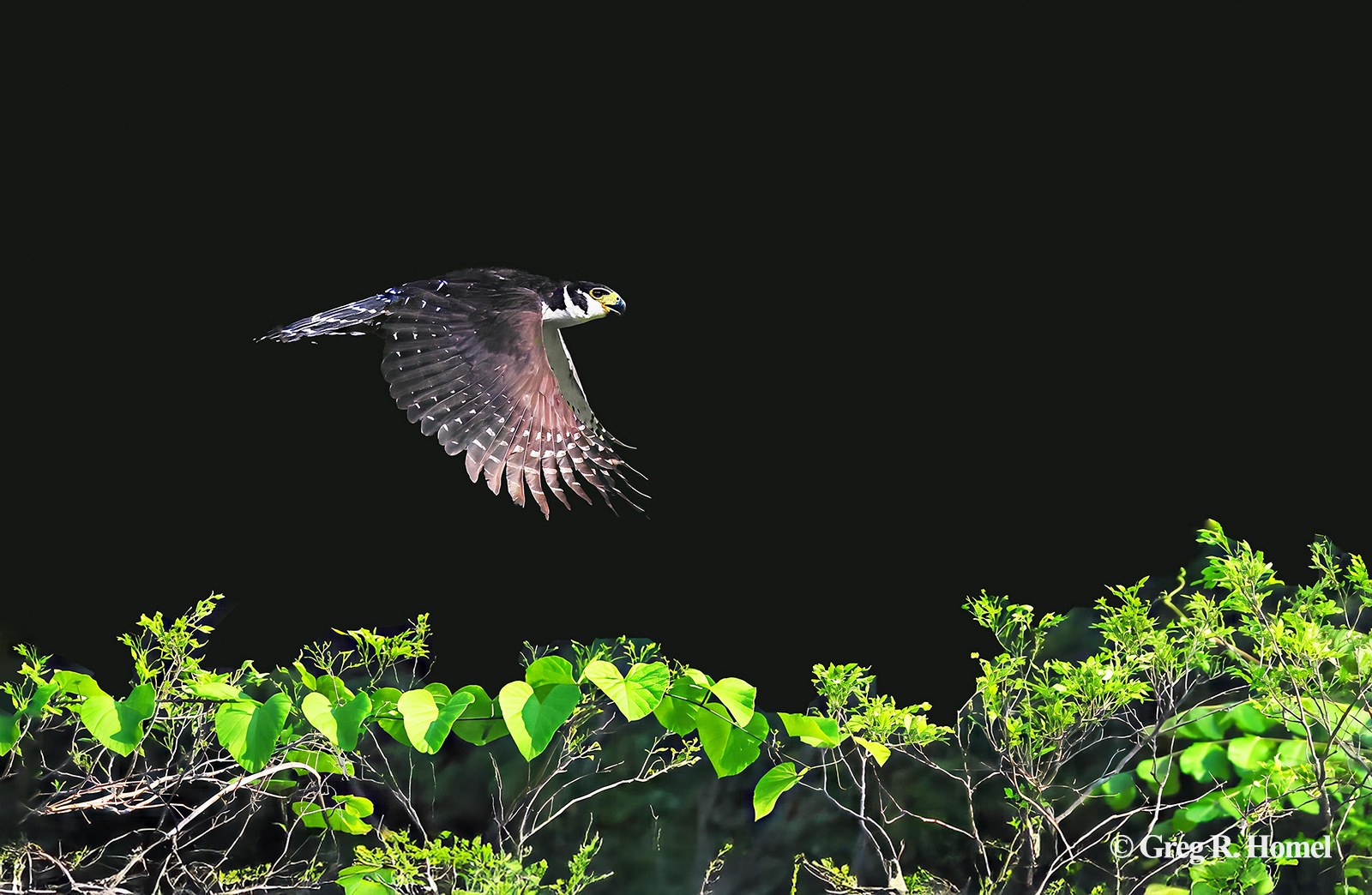
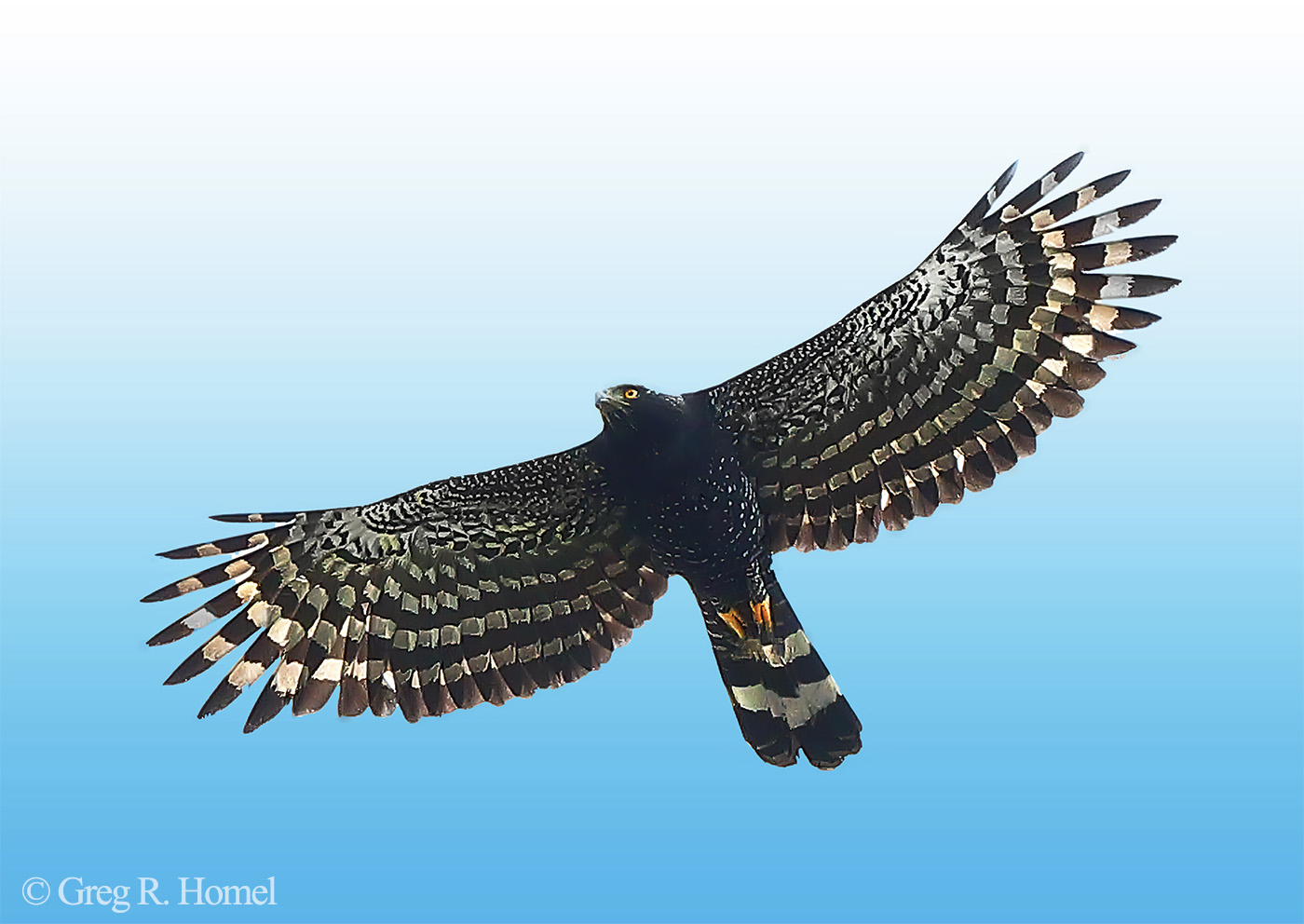
Our activities begin with neotropical raptor viewing & photography from Yelapa Tapa, with stunning vistas of the tropical broadleaf and palm forests that surround Bahía de Banderas. Raptors—including up to three species of hawk-eagles (including Black-and-white and Black), Great Black Hawk, and Double-toothed Kites—swifts, endemic Mexican Woodnymph, Military Macaws, Rosy Thrush-Tanager, Russet-crowned Motmot, endemic Rusty-crowned Ground-Sparrow, and many more delightful neotropical specialties may be seen from several amazing vantage points (600 m/2000′) in the largely wild backcountry along an adventurous road (4WD only!) that runs from the mountain hamlet of El Tuito to the Indigenous communities of Chachalaca, El Algodón, and, at sea level, Yelapa and Pizota.
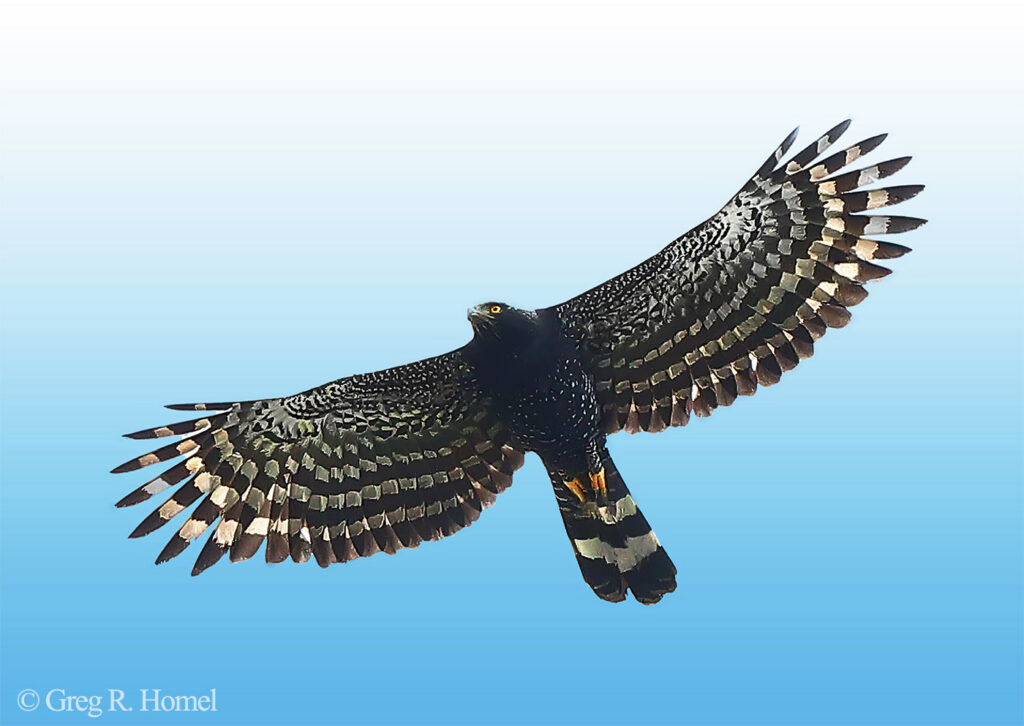
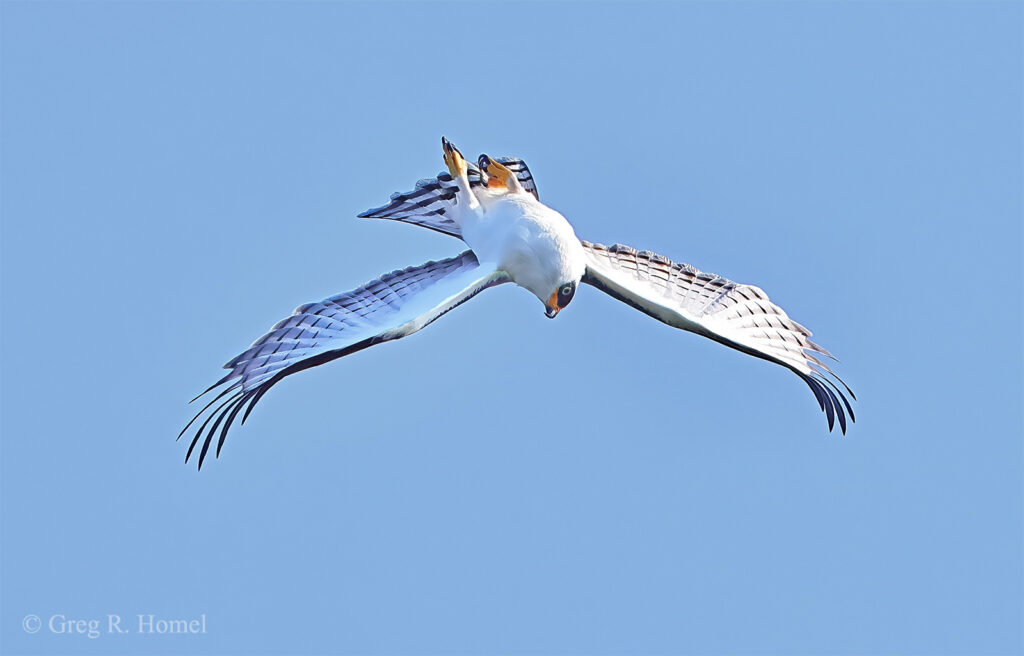
Special emphasis at Yalapa Tapa is placed on techniques for finding and photographing raptors in flight from a former hang-glider port (elev. 600 m/2000’), where rising thermals often bring these soaring birds (raptors, swifts, sometimes Military Macaws) directly above us for excellent viewing and photographic opportunities. Folding chairs allow us to wait in comfort for the action! There will also be excellent opportunities for the endemic Colima Pygmy-Owl.
We will also have very good opportunities along the road to see and photograph the limited-range endemic Mexican Woodnymph at select forested sites discovered by Greg Homel… including the only known lek for the species in Jalisco State.
Lunch will be afield at a local restaurant (which offers a restroom, unlike Yalapa Tapa itself). We return to Puerto Vallarta in the afternoon, followed by nocturnal birding at Mirador Mojoneras.
Lodging at the Holiday Inn Suites, Fiesta Inn, or similar, Puerto Vallarta.
Day 5
A.M. boating excursion to Islas Marietas Marine National Park; P.M. birding and owling between San Sebastian del Oeste and Cerro de la Bufa.
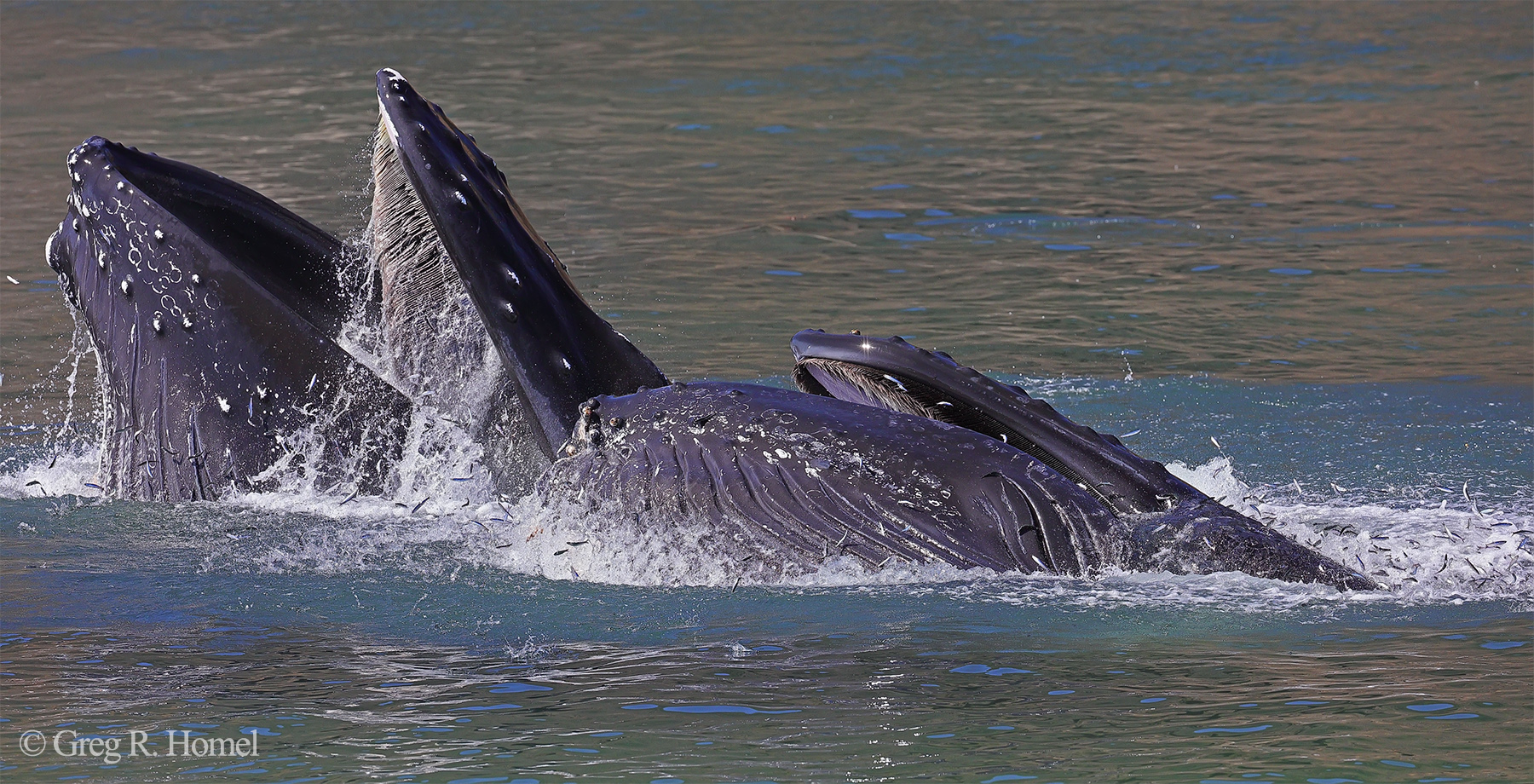
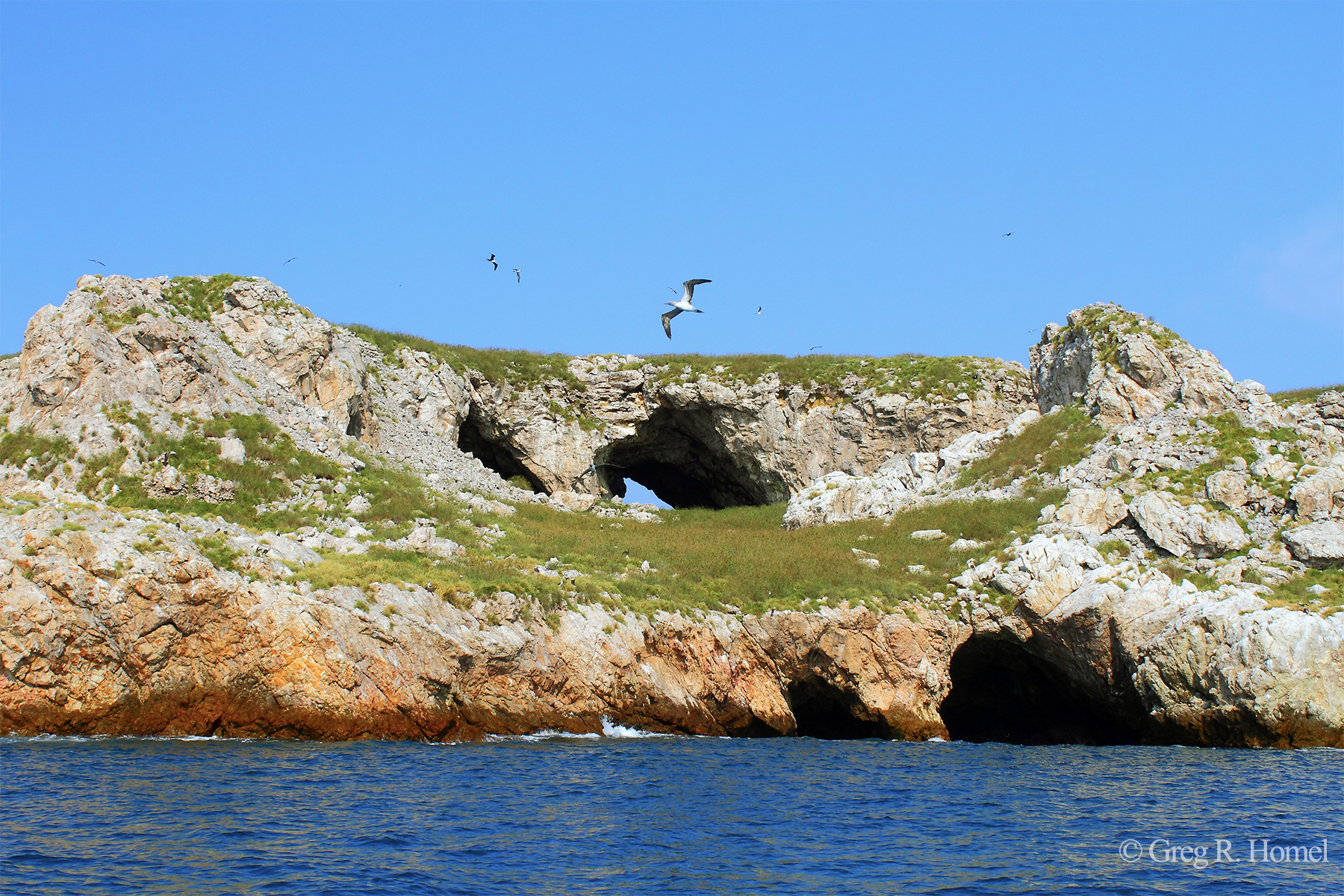
We check out from our hotel and depart early in the morning to undertake a boating excursion from the harbor at Punta de Mita, which serves as the gateway to the spectacular, bird-rich Islas Marietas Marine National Park. This national marine park, which lies about 20 minutes away by boat, is seasonal home to Blue-footed and Cocos boobies, Red-billed Tropicbird (erratic), Magnificent Frigatebird, Brown Pelican, Brandt’s Cormorant, Elegant and Bridled Terns, Brown Noddy, Heermann’s and Laughing gulls, and even a pair of Zone-tailed Hawks, in addition to migratory shorebirds, gulls, turns, wading birds, Peregrine Falcon, a large wintering population of Humpbacked Whales, other cetaceans, and perhaps California Sea Lions, and several species of marine turtles, all readily seen with the aid of our seasoned crew and canopied seagoing panga. We will spend 3–4 hours on the water (refreshments and Dramamine provided). Landings are not permitted on the islands, but we may approach the islands and their birds within meters. Complementary snorkeling (including snorkeling gear) can be offered if the group prefers.
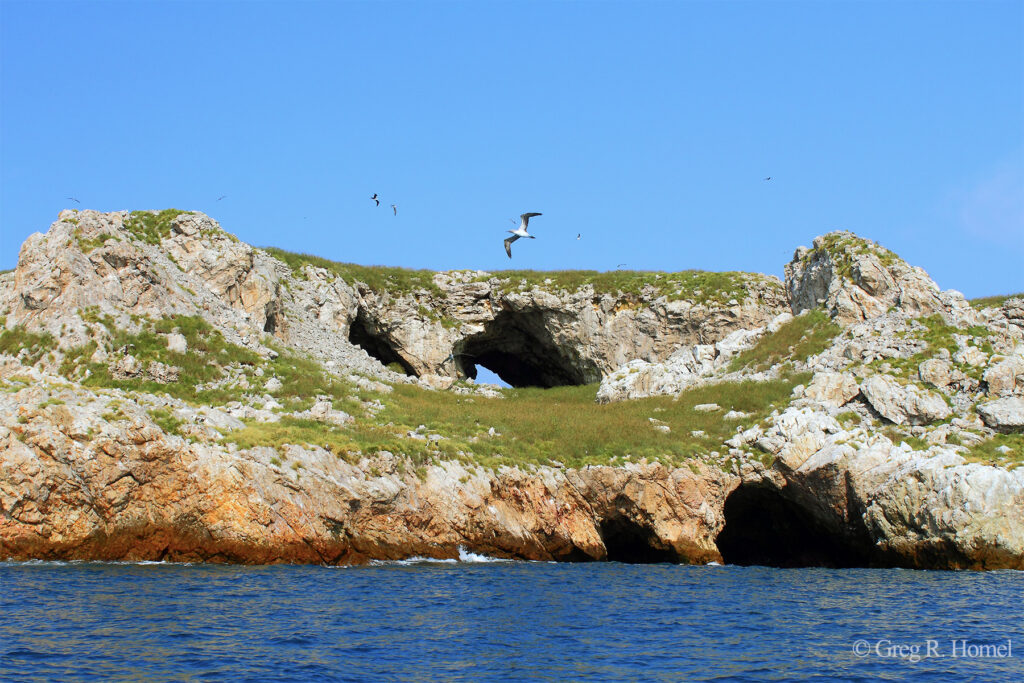
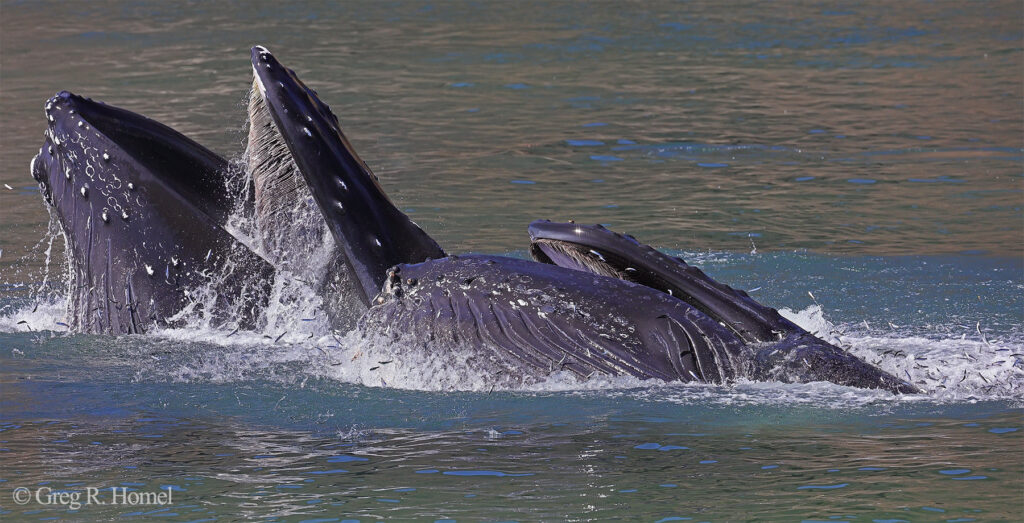
Special emphasis here will be placed on techniques for viewing and photographing Humpbacked Whales (which may breach and are usually very tolerant of and approachable by boats in the winter) as well as boobies and other seabirds in flight from a moving boat.
After our return, breakfast (or lunch) will be at the Mr. Cream Restaurant at the harbor. Then it’s onward to the high sierra! We arrive in Sebastian del Oeste in the afternoon.
Lodging at the incomparable Casa Patio, Casa dos Gallos, or similar, San Sebastian de Oeste.
Day 6
Full day exploring the birds of Mexico’s high sierra, near the historic silver-mining town of San Sebastian de Oeste and lofty Cerra de la Bufa (elevation 2800 m/8800′).
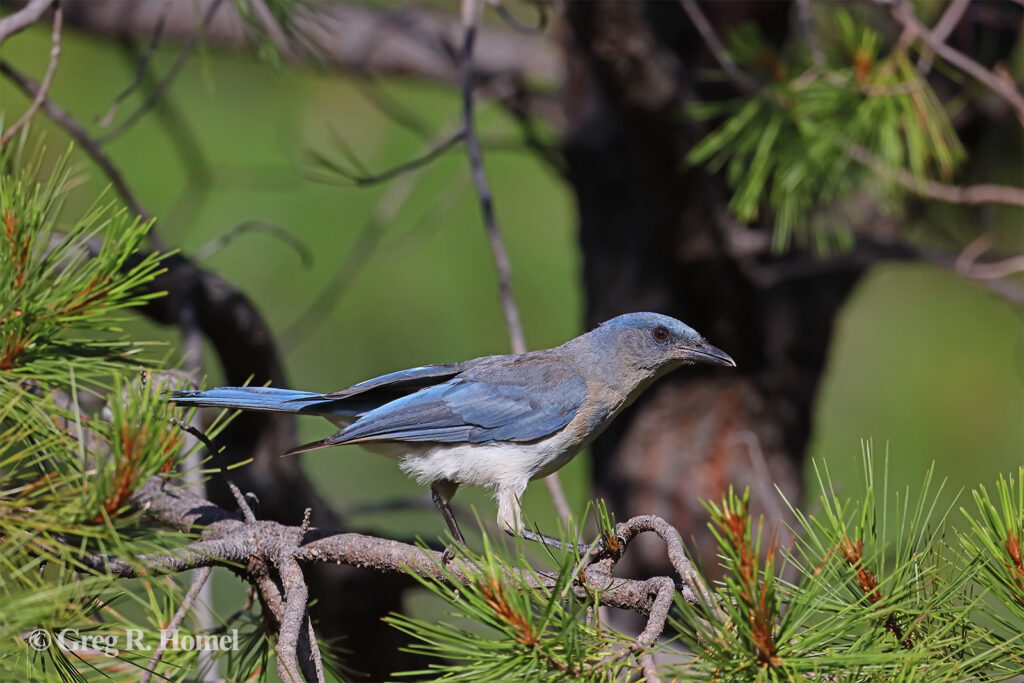
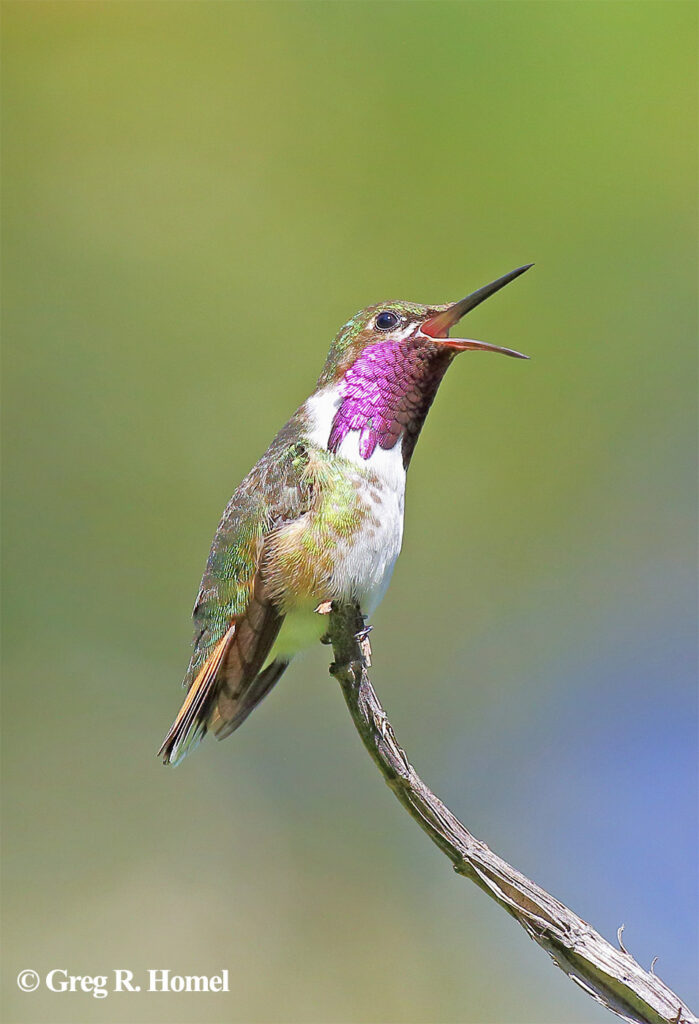
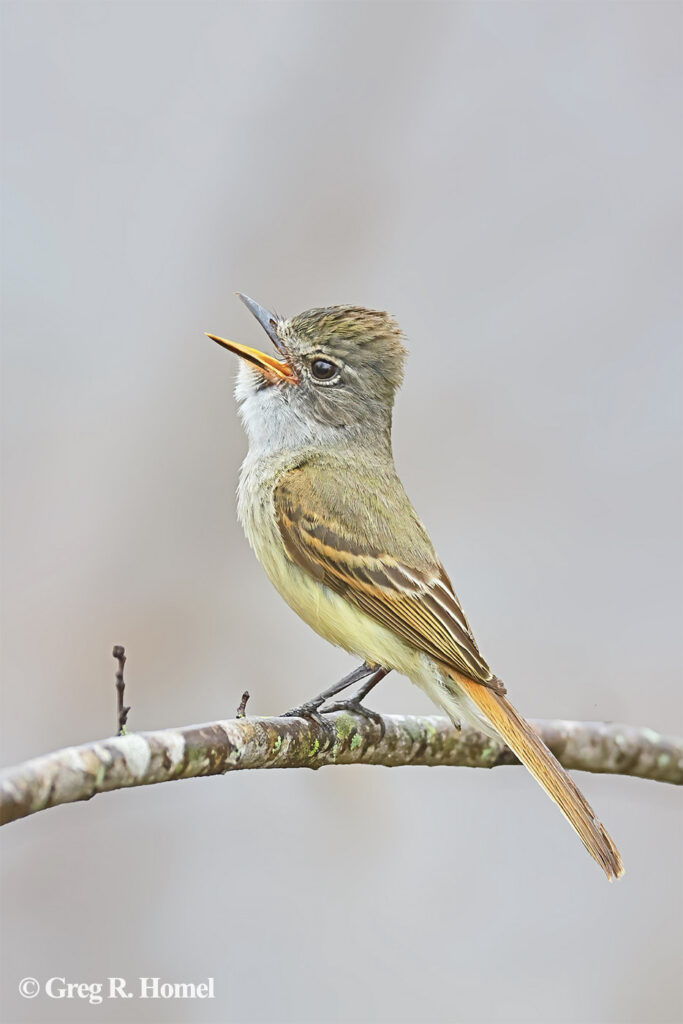
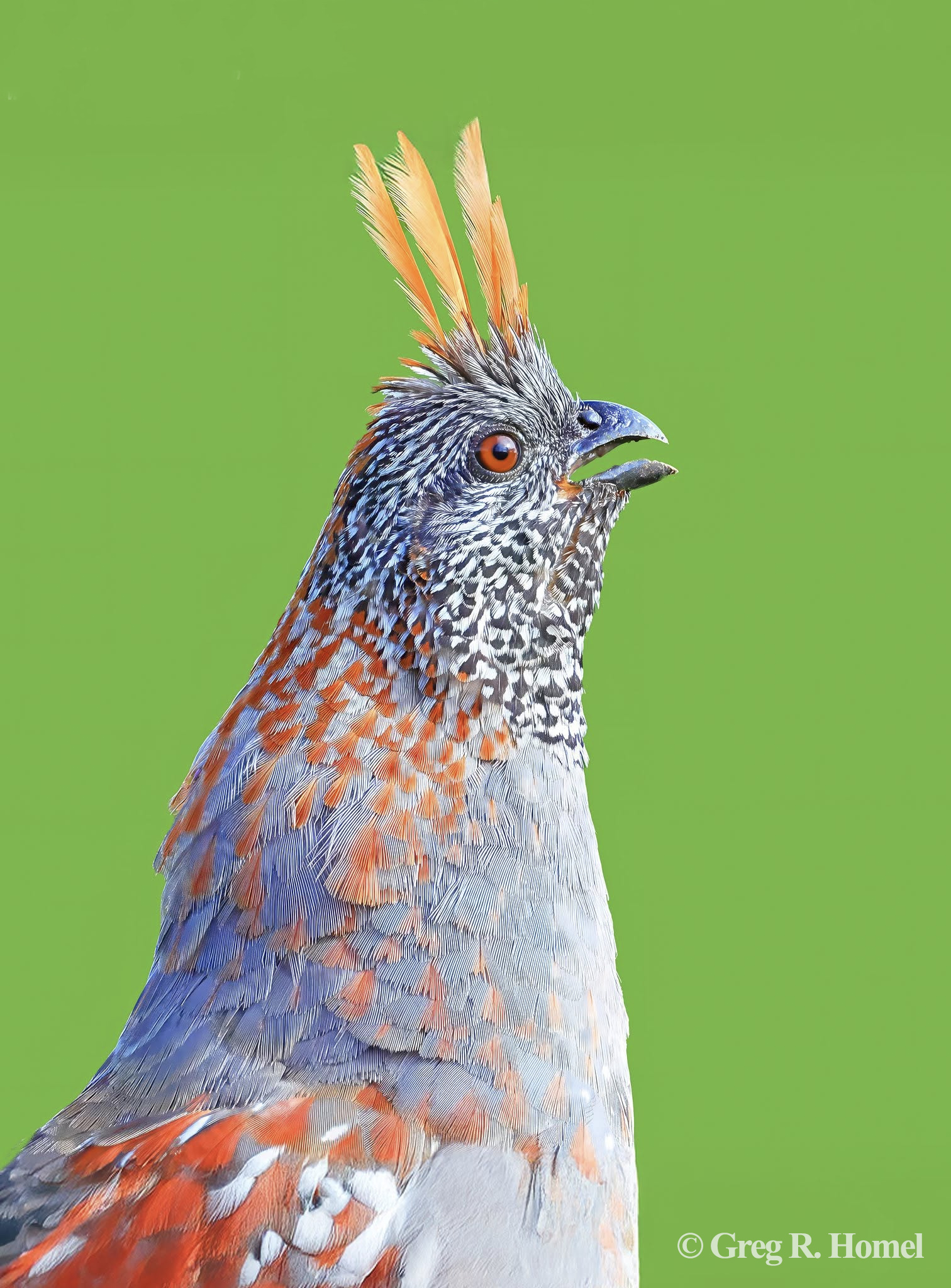
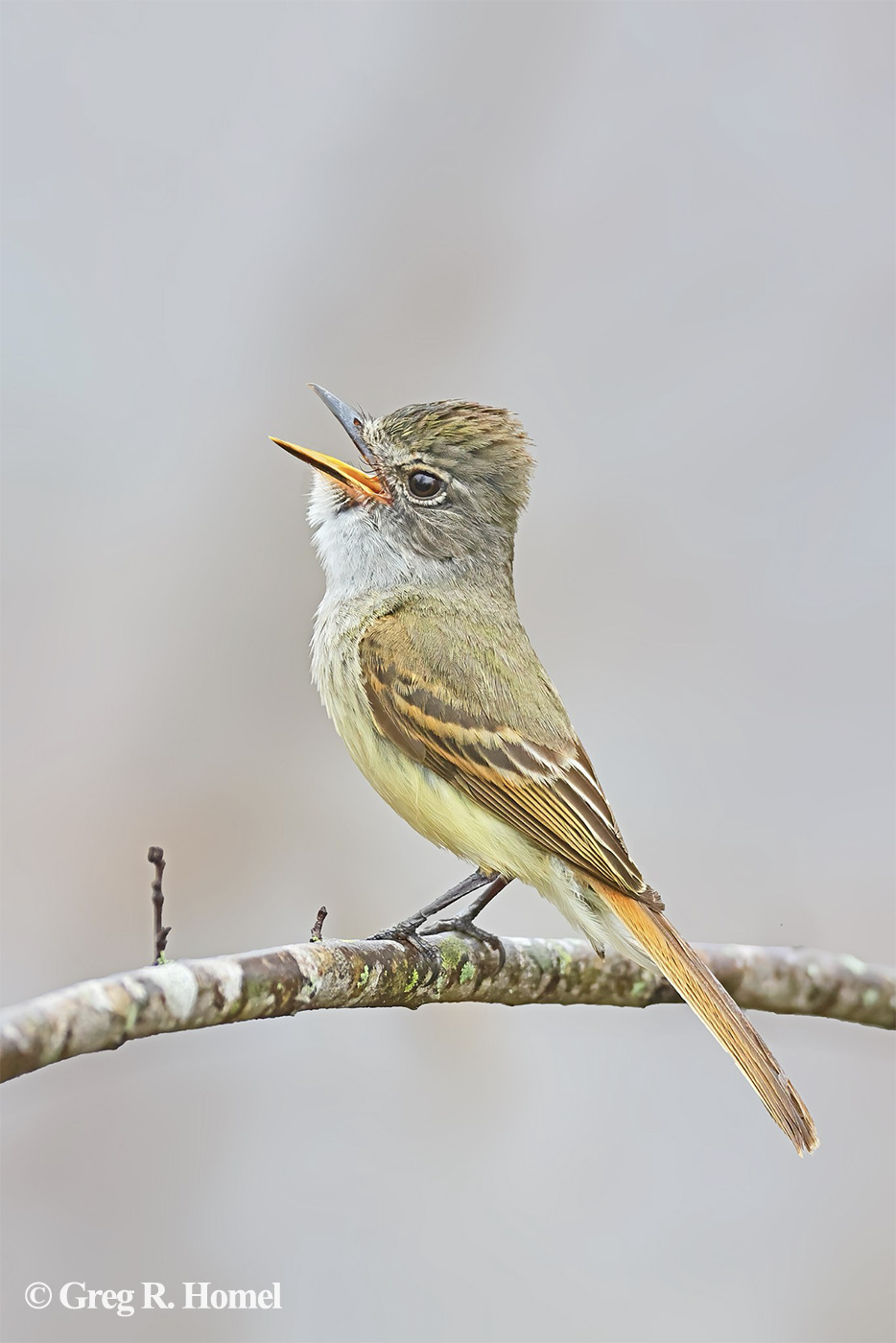
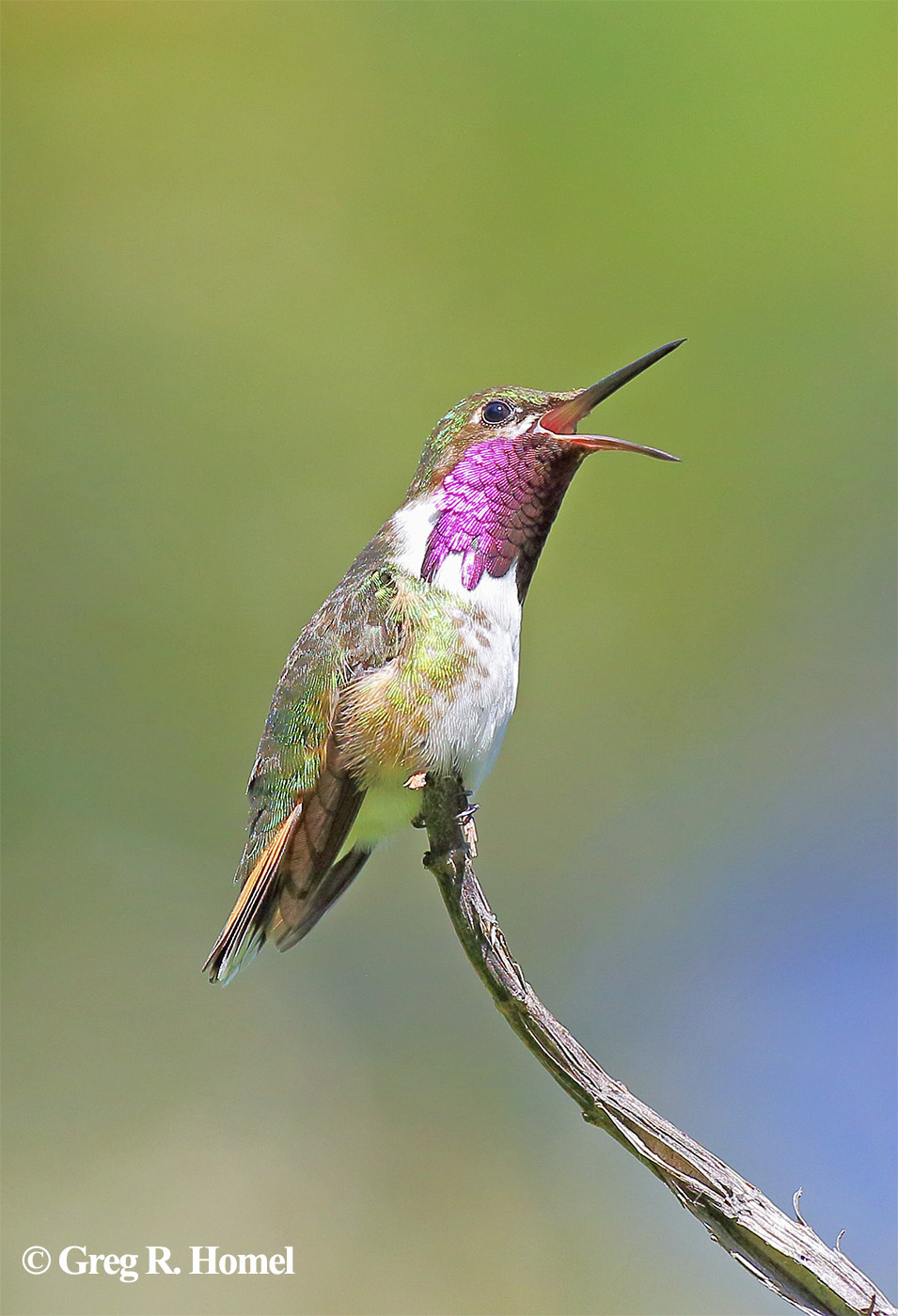
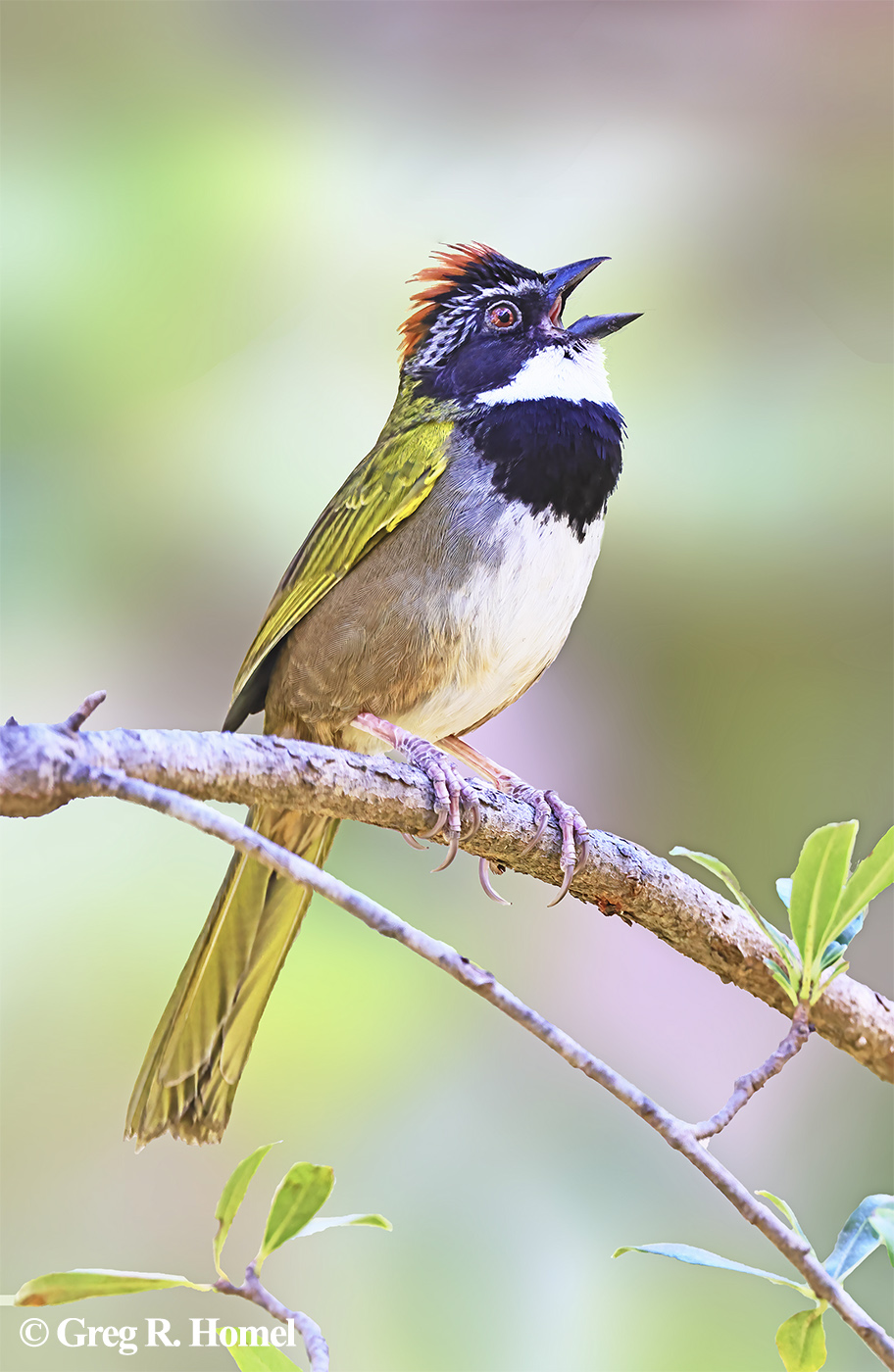
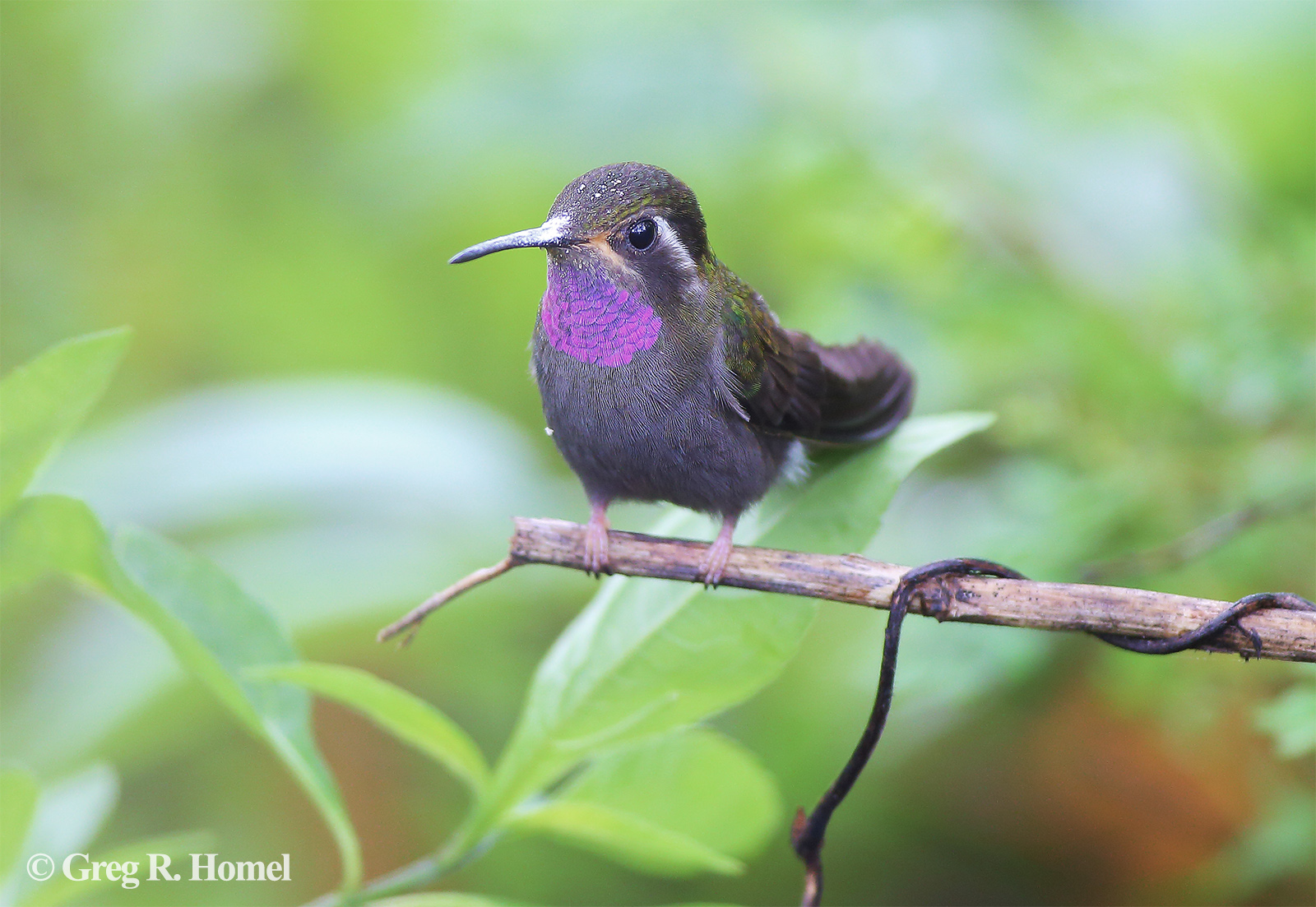
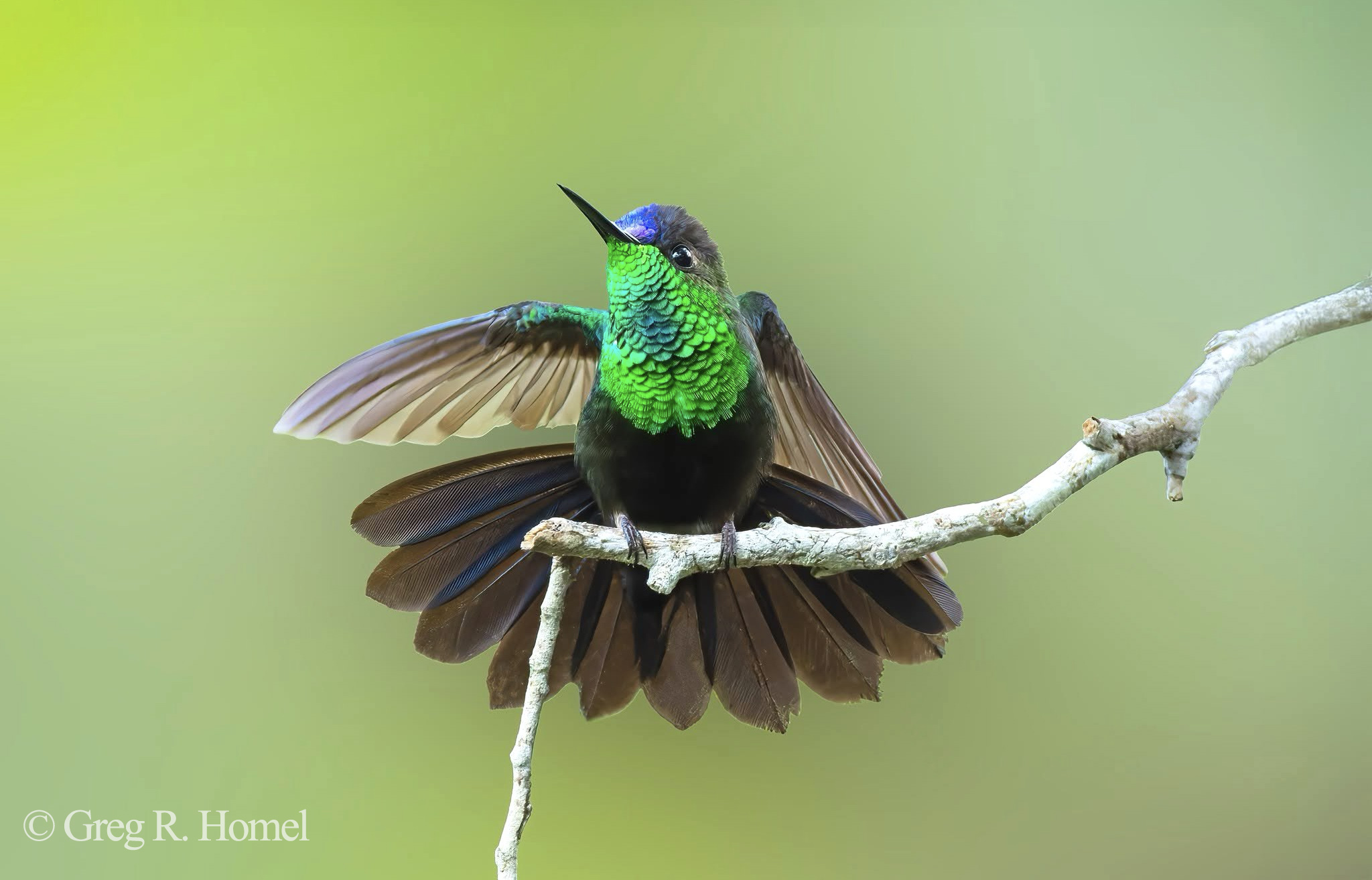
In tthe historic mining town of San Sebastian del Oeste and the lofty Cerro de la Bufa (elevation 2800 m/8800′) to explore the birds of the high sierra. Highlights include a veritable who’s-who of Mexico’s Sierra Madre Occidental: Long-tailed Wood-Partridge, Singing Quail, regional endemic Mountain Trogon, up to three species of pygmy-owl (stratified according to elevational preferences), Stygian Owl, Whiskered Screech-Owl (including the uncommon rufous morph), Mexican Whip-poor-will (spring & summer), endemic White-striped and more widespread Ivory-billed and Olivaceous woodcreepers, regional endemic Arizona Woodpecker, over a dozen species of hummingbirds (including the endemic Bumblebee Hummingbird and widespread White-eared and Rivoli’s hummingbirds, in addition to the regional endemic Amethyst-throated Mountain-gem and Blue-throated Mountain-gem, Zone-tailed and Red-tailed hawks, dozens of tyrant-flycatcher specialties (including Tufted Flycatcher, regional endemic Pine Flycatcher and wintering Hammond’s Flycatcher), endemic Golden Vireo, regional endemic and stunning-looking Chestnut-sided Shrike-Vireo; endemic Transvolcanic Jay, endemic Blue Mockingbird, the remarkable vocalist Brown-backed Solitaire and endemic Russet Nightengale-Thrush and, occasionally, endemic Aztec Thrush, Gray Silky-Flycatcher, Olive Warbler, Elegant Euphonia and regional endemic Black-headed Siskin, endemic Green-striped Brushfinch, endemic Collared Towhee, endemic Rufous-capped Brushfinch, over 20 species of wood warblers (including resident Grace’s, Crescent-chested, and Red-faced warblers, wintering Townsend’s and Hermit (an Audubon bird to watch) warblers, endemic Red-faced Warbler (very uncommon & local here), Painted and Slate-throated Redstarts, Golden-browed and locally common Golden-crowned warblers and others, endemic Dicky’s race of Audubon’s Oriole, wintering Scott’s Oriole, resident Hepatic (northern gray-eared form), Flame-colored (western race), and endemic Red-headed tanagers, Cinnamon-bellied Flower-piercer, etc.
We will indeed be busy during our two days in these highlands, including with owling and regional cuisine tonight.
Lodging at the Casa Patio, Casa dos Callos, or similar, San Sebastian del Oeste
Part II: Birding World-Famous San Blas, Riviera Nayarit (Days 7–8)
Day 7
Bidding a fond farewell to San Sebastian de Oeste, A.M. overland transit from San Sebastian del Oeste (elevation 1524 m/5000′) to the world-famous West Mexican birding hotspot of San Blas, Nayarit, located at sea level, with the possiblity of raptor sightings (ranging from Gray and Zone-tailed Hawks to Black Hawk-Eagle) and numerous endemic Sinaloa Crows at roadside en route, among many other common Neotropical species, such as Great Kiskadee, Social Flycatchers, Thick-billed and Tropical kingbirds, Western Cattle Egret, etc. P.M. riverine crepuscular and nocturnal excursion on the Rio La Tovara, San Blas.
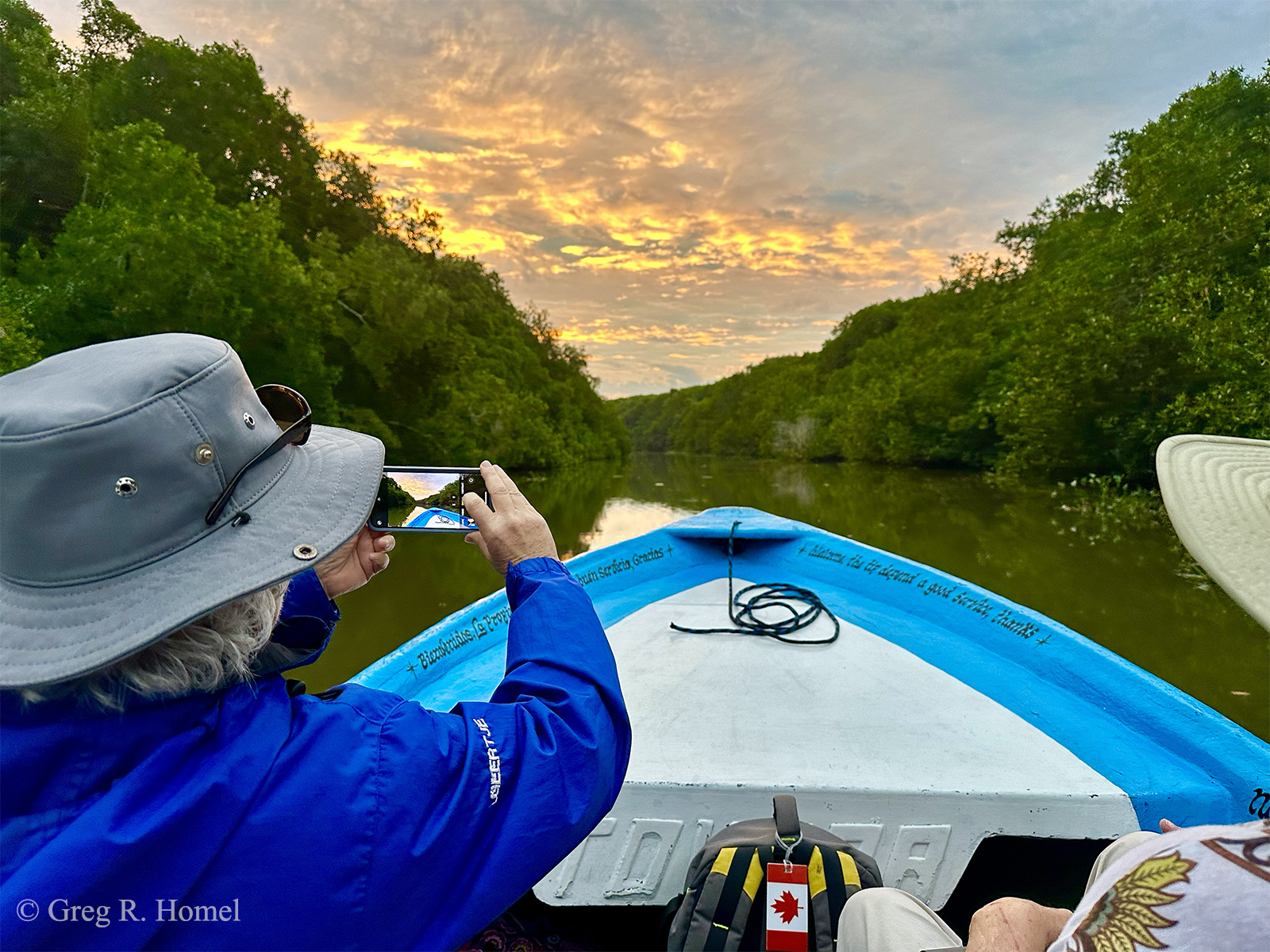
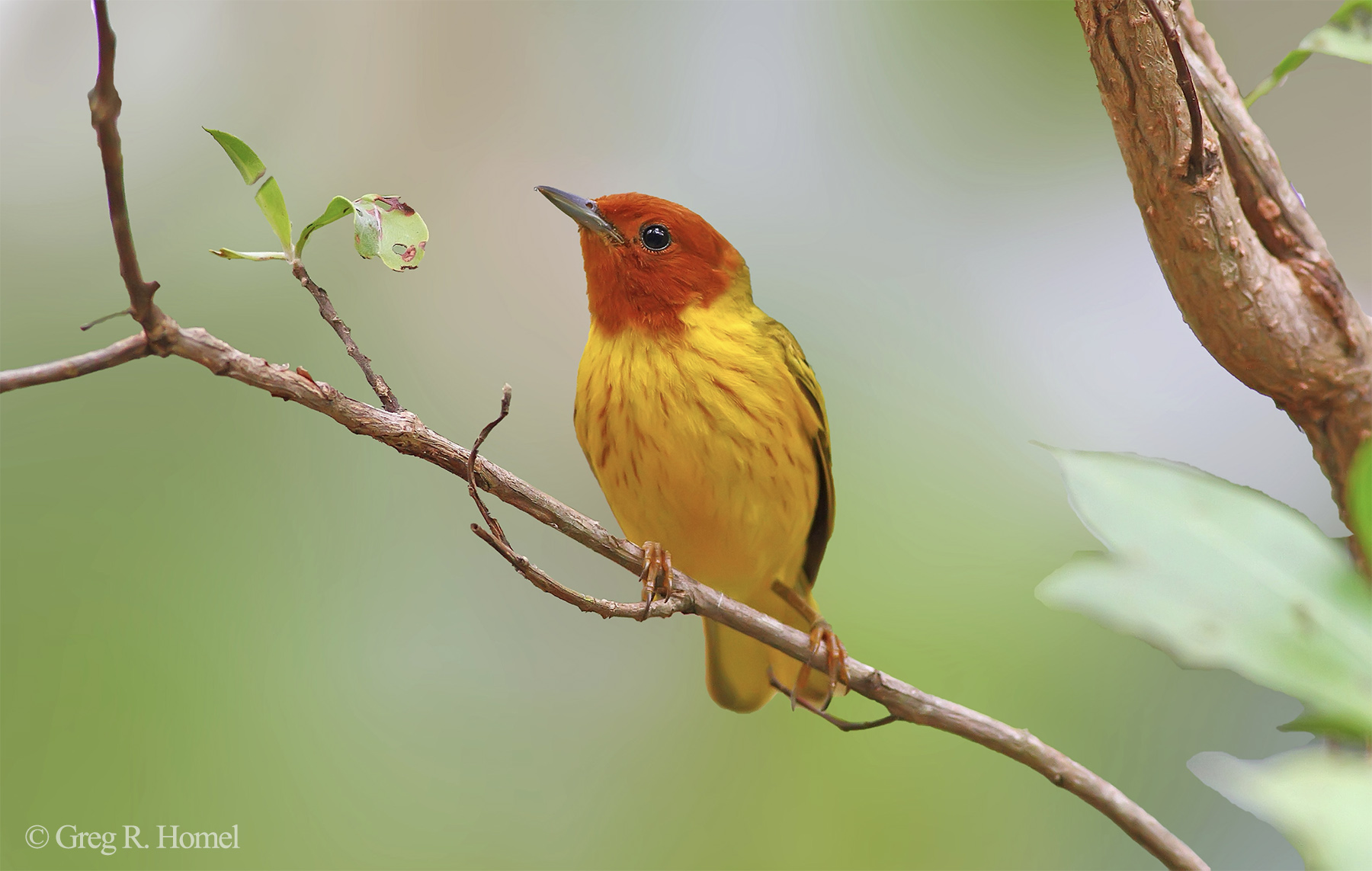
This afternoon, after hotel check-in and lunch on the beach or at our hotel’s very pleasant restaurant, we board our watercraft to ply the placid waters of the Red Mangrove-lined channel of the Rios San Cristobal and La Tovara, watching for an exciting lineup of wading birds, rails, sandpipers, raptors, kingfishers, swallows, and especially the Mangrove Yellow Warbler, a recently recognized chestnut-headed resident species of this habitat.
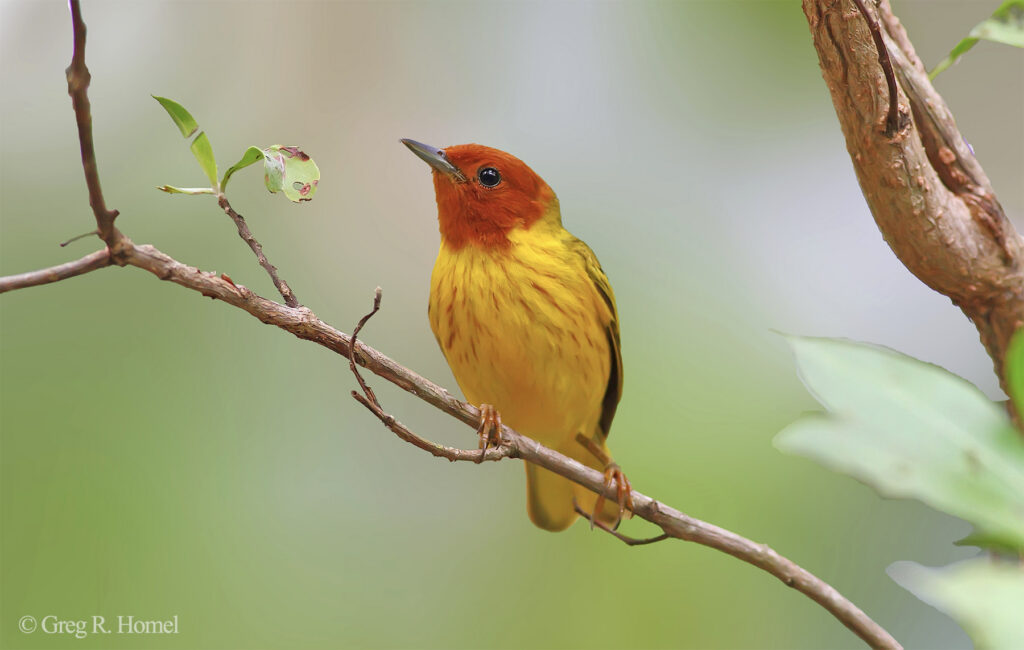
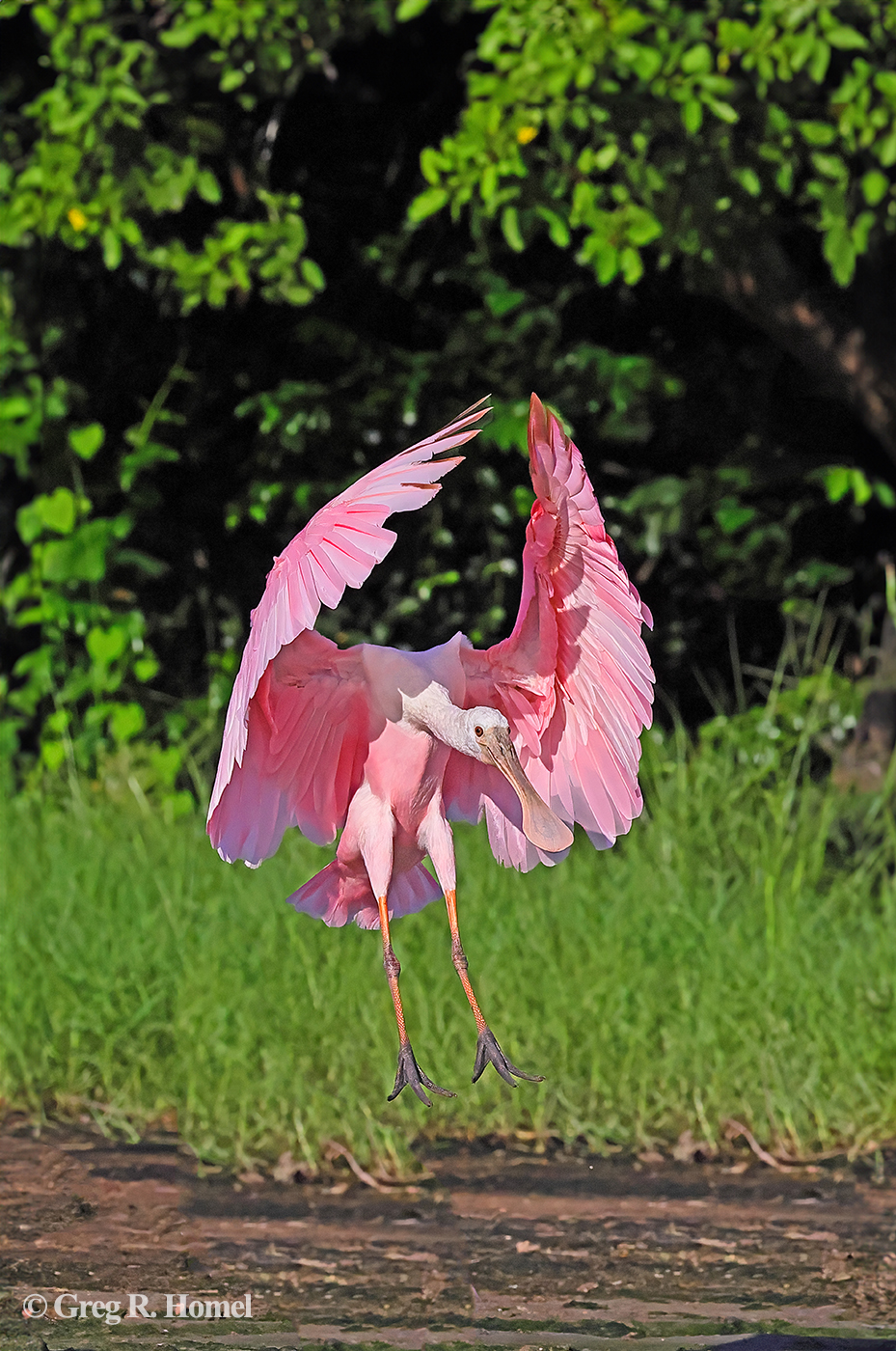
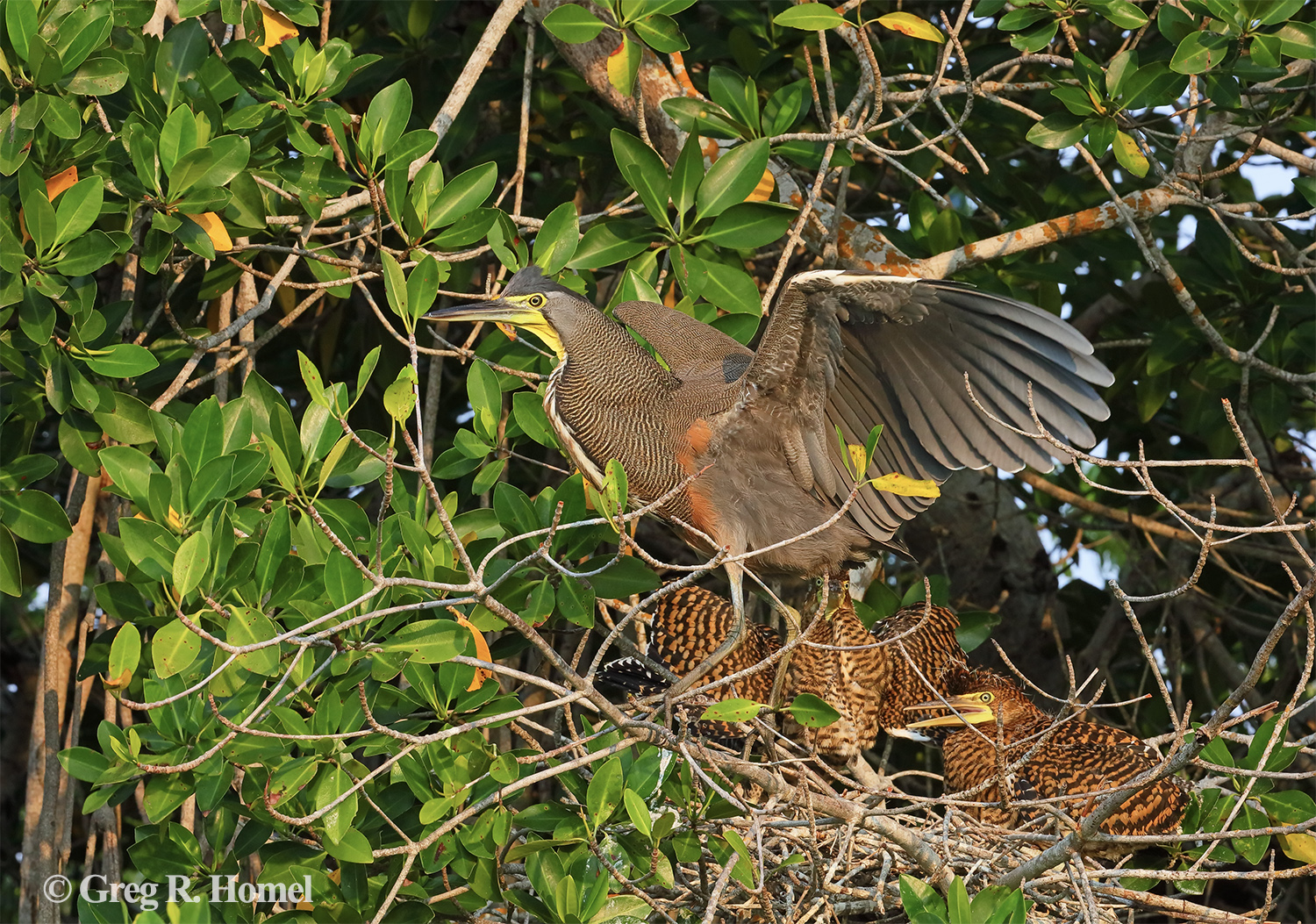
Commonly sighted long-legged wading birds during this afternoon’s excursion include White Ibis, Roseate Spoonbill, Bare-throated Tiger-Heron, Boat-billed, Green, Great Blue, Little Blue, and Tricolored herons, Snow and Great egrets, Willet, Whimbrel, Least and Spotted sandpipers, Belted, Ringed, and especially the diminutive Green kingfishers, flurries of Mangrove Swallows low over the water’s surface, Northern Rough-winged and Barn swallows, not to mention Tropical and Thick-billed kingbirds, Great Kiskadee, and Social Flycatcher, in addition to the regionally endemic Yellow-winged Cacique, Streak-backed Oriole, and the Yellow Mangrove Warbler.
Our main target is the nocturnal Northern Potoo, commonly seen and photographed here with the use of our river-borne pangas, in addition to Common Pauraque, Lesser Nighthawk, and even Mottled Owls.
We arrive back in San Blas after dark to have a quick dinner at a local taqueria, where the decked-out waitstaff serve up remarkably fine grilled tacos and quesadillas, with a fresh salsa bar and aguas frescas to complete your meal.
Lodging at the well-positioned Hotel Garza Canela (“Boat-billed Heron Hotel”!), San Blas.
Day 8
A.M. river-borne excursion on the Rio San Cristobál to visit Laguna de Zoquipan; p.m. birding at Chacalilla, San Blas.
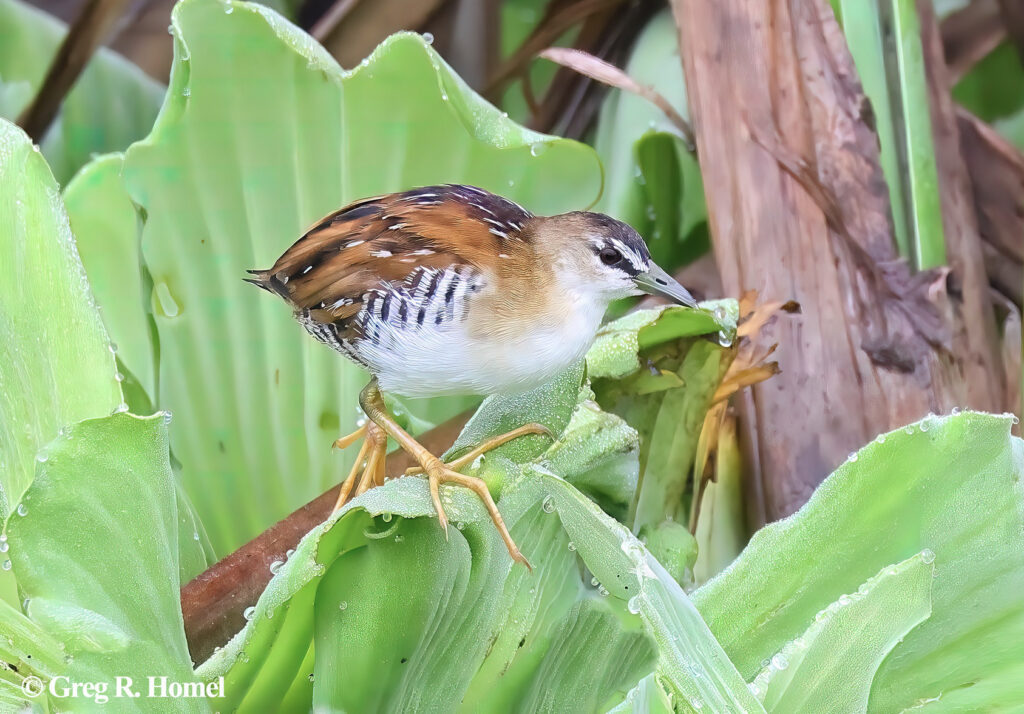
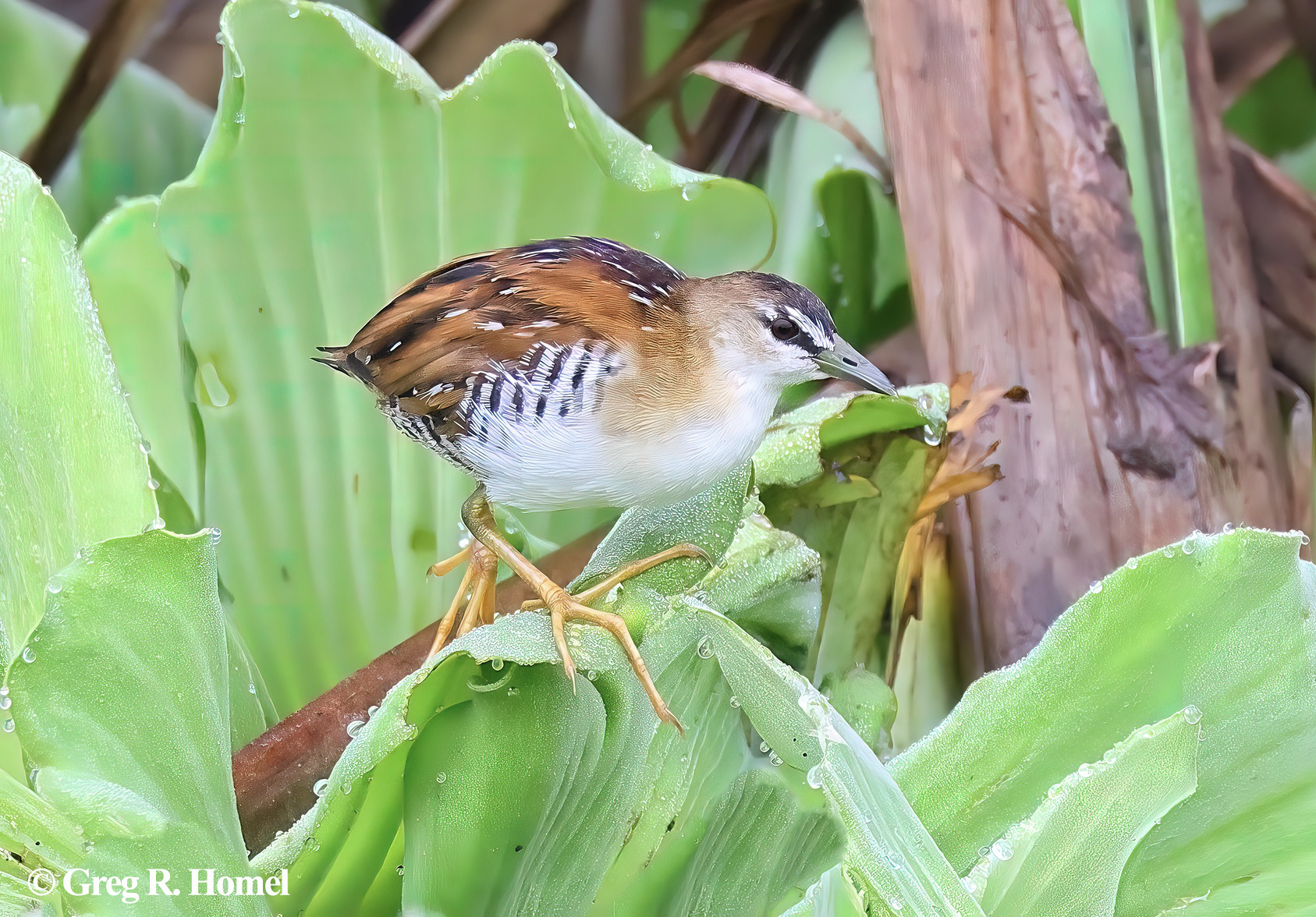
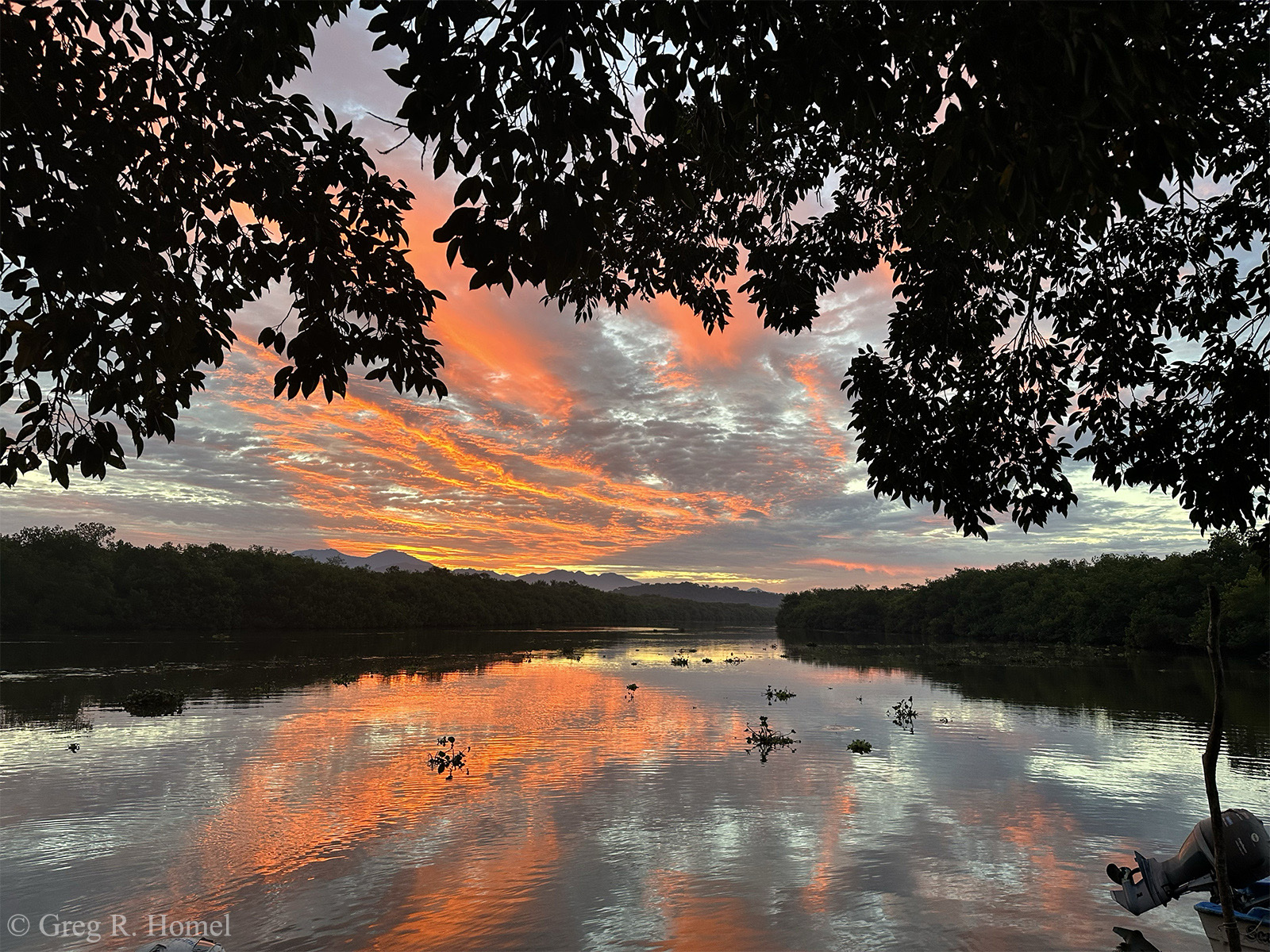
Departing before dawn, as the neon horizon signals the start of another exciting birding day, we board our panga (complete with back-support seating and well stocked with food) to comfortably and expeditiously traverse about 2.5 km (14 miles) of the brackish Rio San Cristobál, passing inspiring stands of mature Red Mangrove forest, then grading to mixed Black Mangrove hammocks and finally extensive freshwater cattail marshes and emergent glades of Water Hyacinth at Laguna Zoquipan itself. We arrive early enough to, with luck, sight one of the only known Yellow-breasted Crakes present on Mexico’s west coast, visiting strategic points preferred by these tiny, chick-sized crakes while also watching for Muscovy and Black-bellied Whistling-Ducks, impressive seasonal nesting sites where both Wood Storks and Roseate Spoonbills (the former visible on Google satellite images from space!) nest in numbers, in addition to other graceful long-legged wading birds — including Tricolored Heron, Snowy and Great egrets, Northern Jacana, and Limpkin, among other elegant aquatic species.
Although we seem to be hurrying to reach the lagoon in the crepuscular hours, there is method to our madness, and we will still see and appreciate numerous wading birds, kingfishers, songbirds, and raptors en route and during the return.
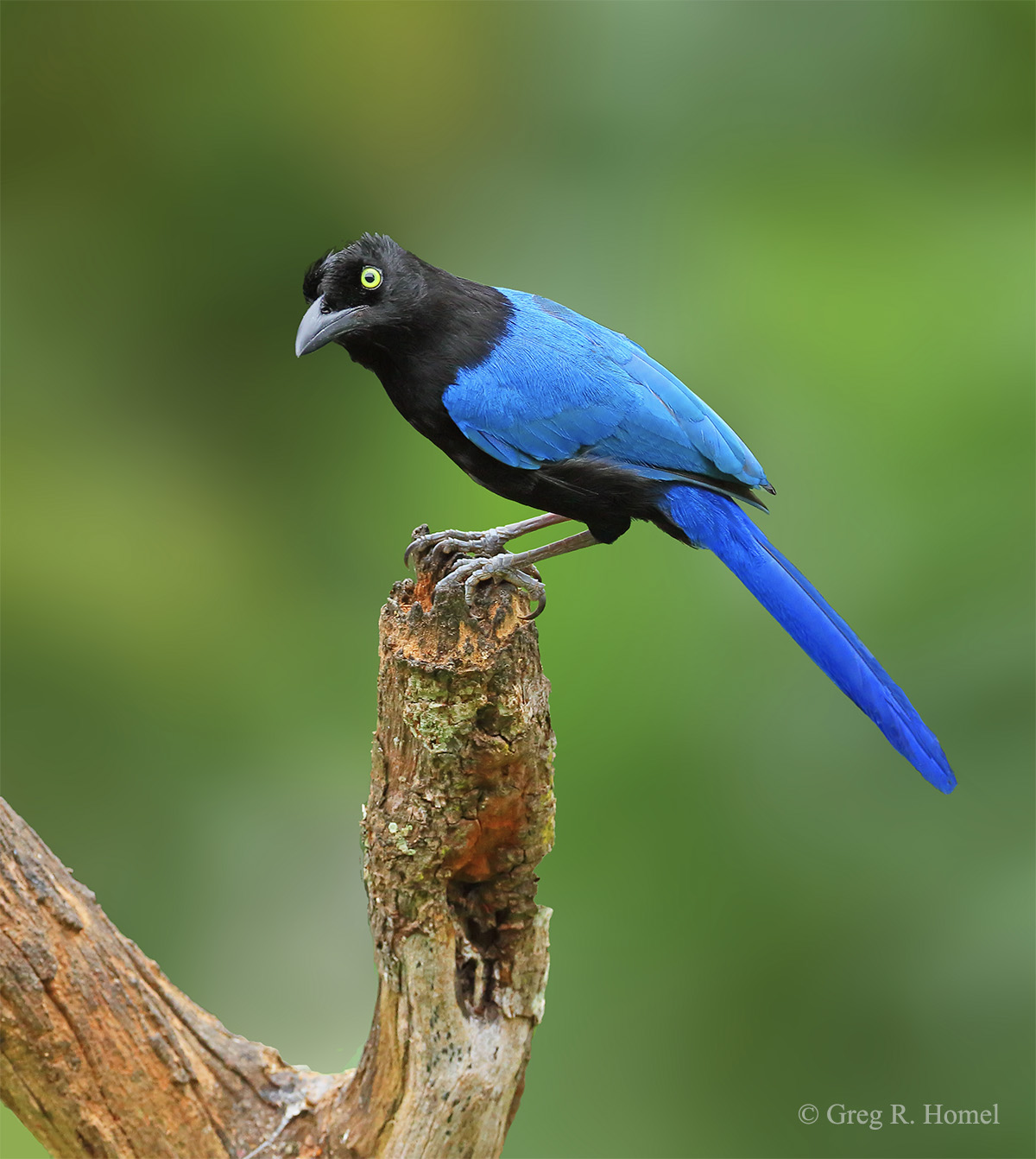
Commonly sighted but notable species seen while plying the river include Bare-throated Tiger-Heron, Boat-billed Heron, Yellow-crowned and Black-crowned night-herons, Common Black Hawk, Snail Kite, occasionally Crane Hawk, Green, Ringed, and wintering Belted Kingfishers, Lineated Woodpecker, Great Kiskadee, Social Flycatcher, Tropical and thick-billed Kingbirds, Yellow-winged Cacique, Streak-backed Oriole, an many warblers (including resident Mangrove Yellow Warbler and wintering American Redstart, Northern Waterthrush, and Northern Parula), and flocks of the furtive endemic Purplish-backed Jays, and sometimes even the locally rare Mangrove Vireo makes appearances.
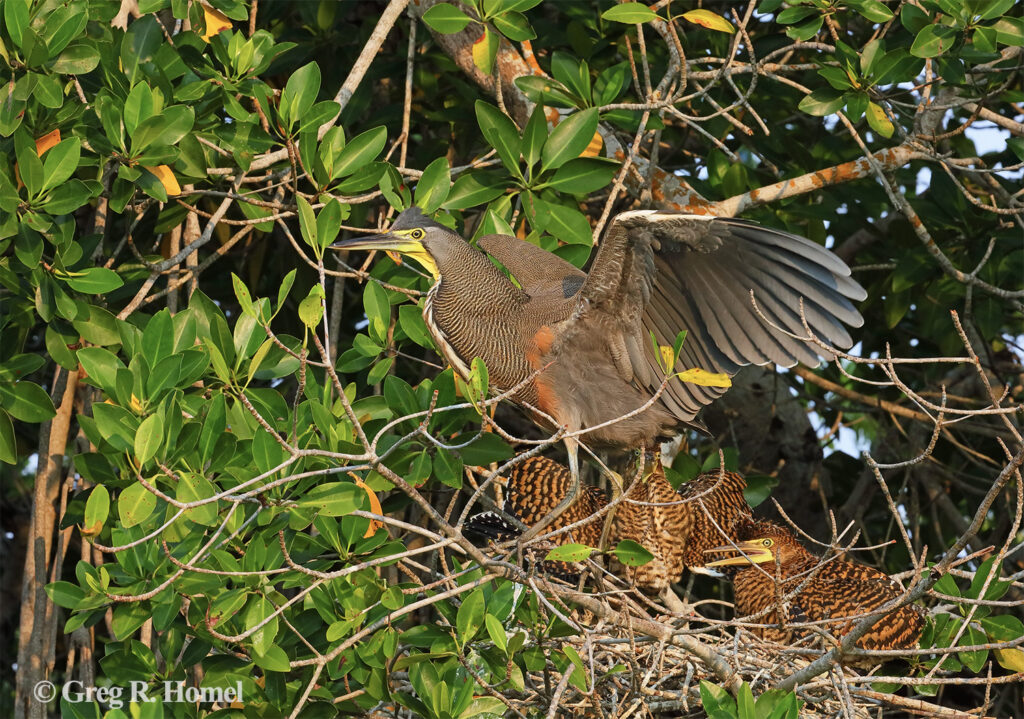
On our return downriver to San Blas, we will more leisurely ply this beautiful waterway, watching for the above and occasionally other species, including such rarely seen birds as Rufous-necked Wood-Rail and the more common Purple Gallinue. We will often have closeup views of large American Crocodiles resting on the vegetated palm-lined riverbanks.
We return to San Blas after a full morning of birding when the crepuscular activities has slowed but in time for a late lunch at either our hotel or Wala Wala Restaurant. in San Blas itself (1–2 P.M., but arrival may vary, depending on weather conditions and birding productivity).
After lunch, we take a siesta at our hotel, and then set out in the late afternoon for more exciting birding at one of several local birding hotspots.
Lodging at the Hotel Garza Canela, San Blas.
Part III: Cabiñas Guadalupe Ocotán in the mighty Sierra Madre Occidental, Nayarit (Days 9–10)
Day 9
Today we head to a strategic site where Ridgeway’s Rails are common, and then we switch gears as we head to the mighty Sierra Madre Occidental, via Tepic, Nayarit’s capital city.
The city is easily reached by a now completed toll highway, which cuts the drive from three hours to a little over one, allowing us to bird our way to the Sierra Madrean highlands, with time for lunch at a roadside tienda, and arrive at our cabins at a time when afternoon birding is beginning to pick up. See the Specialty Species tab for a list. Owling this evening for Whiskered Screech-Owls near the cabins.
Lodging at the simple but comfy Cabañas Ecológicas Guadalupe Ocotán, Nayarit.
Day 10
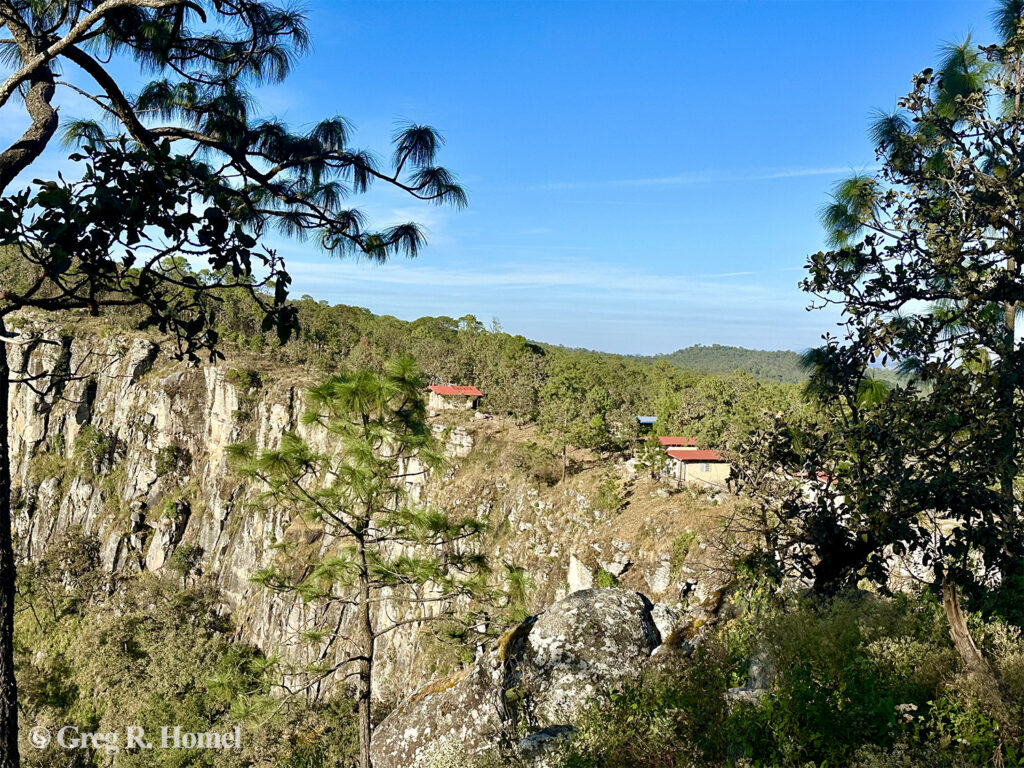
A.M., we bird a mixed, high-altitude coniferous forest in the vicinity of the cabins via a well-maintained trail. Refreshing weather resembling springtime in the Rockies makes birding at these high elevations easier. The cabins are perched atop rugged cliffs, overlooking the Sierra’s Barranca Country, at about 2100 m/7000′ elevation.
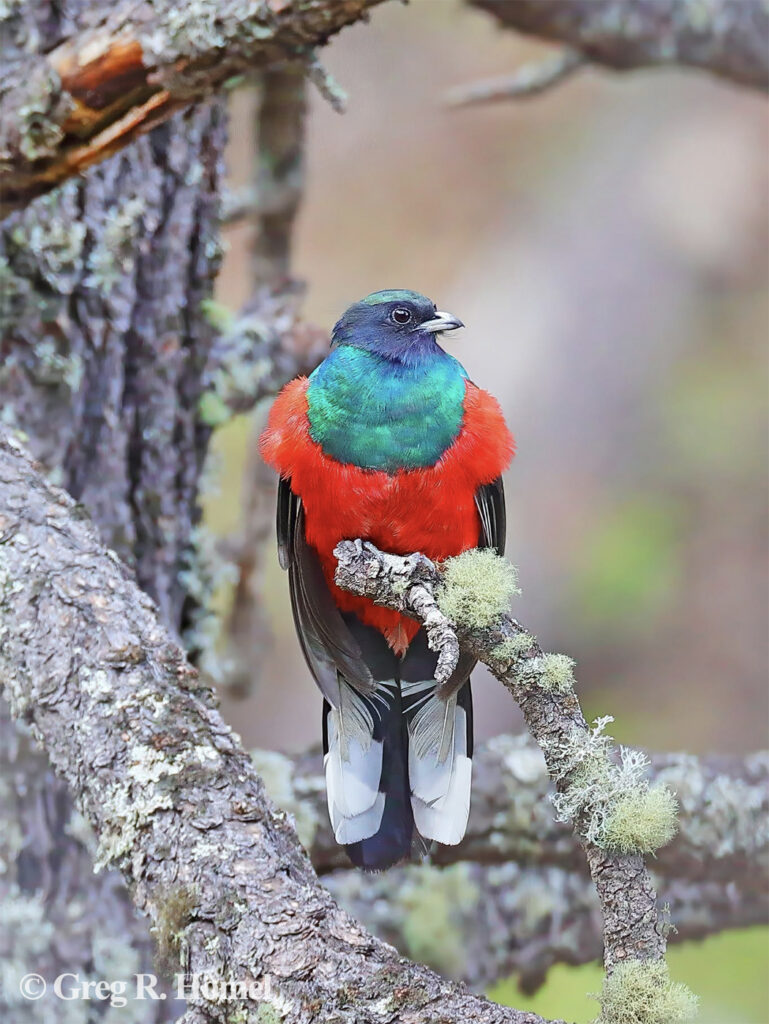
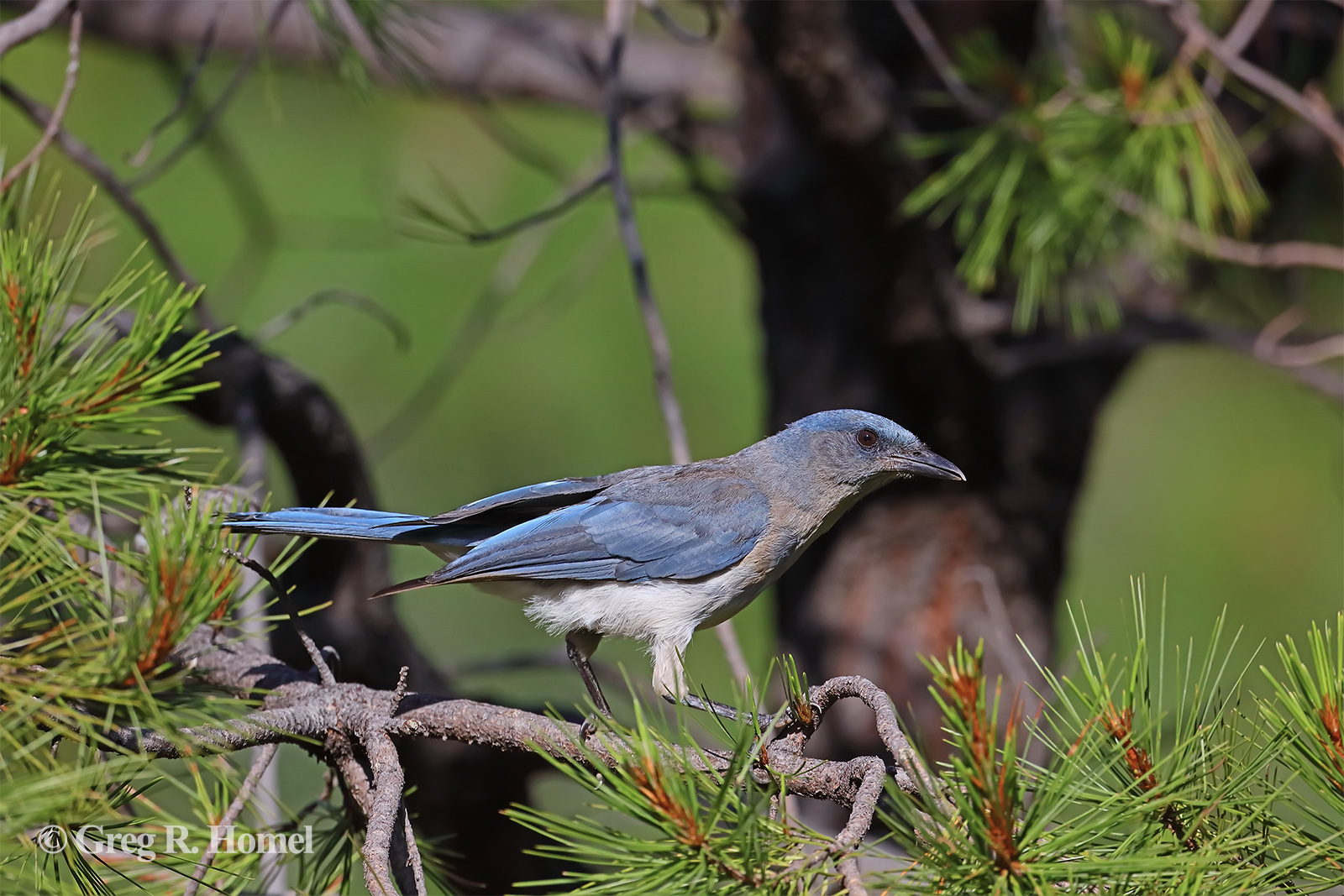
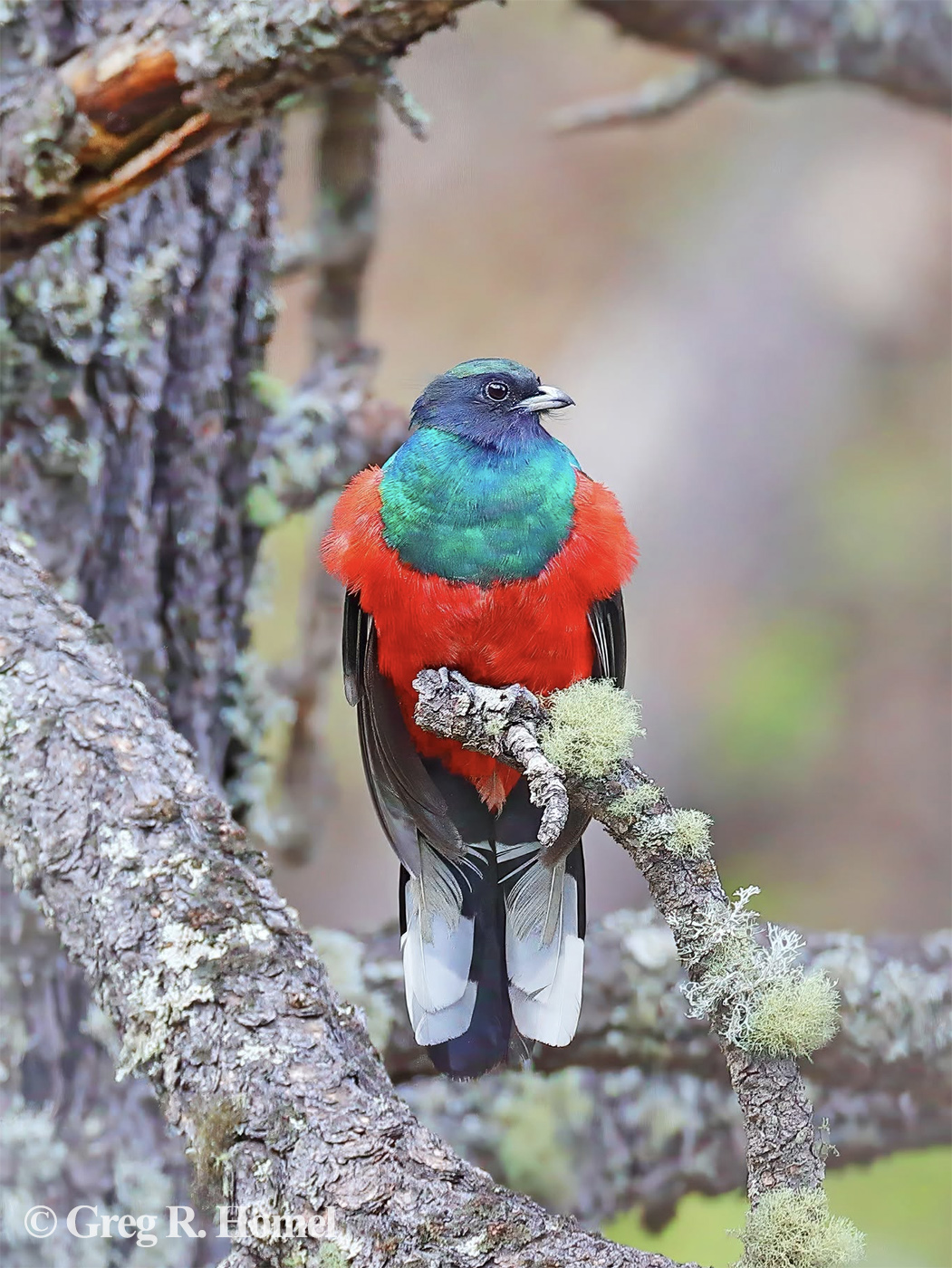
The high encinal and conferous forests surrounding the cabins and an adjacent knoll are perfect habitat for the limited-ranged endemic Tufted Jay and two near-endemics, the glisteningly colorful Eared Quetzal and the mysterious Aztec Thrush, which form the special emphasis of our time here. Finding them will be our priority on this part of our very diverse West Mexican expedition—made easier through Greg Homel’s remarkable experience with these birds.
Together with his local guide and good friend Otoniel, a Huichol ranger and birding guide, Greg has discovered the route that the Tufted Jays take to reach feeding grounds on the knowl near the cabins, so we will head the birds off at the pass (so to speak) by arriving there before 6 A.M. (It’s about a 20-minute hike.) In most cases, this strategy pays off. The other two species take some luck but are present, sometimes in surprising numbers, when the madrone fruit is in season. Fingers crossed!
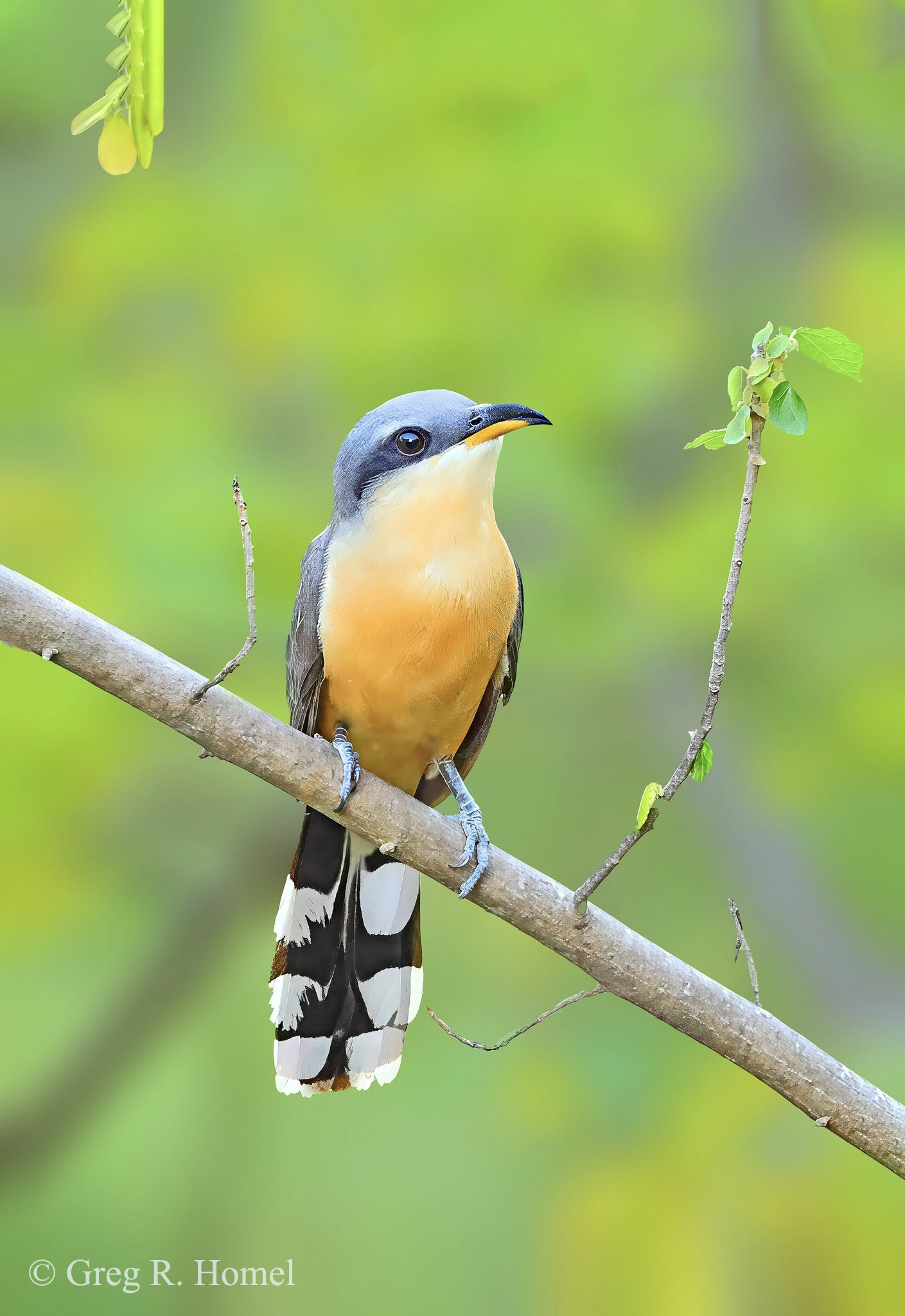
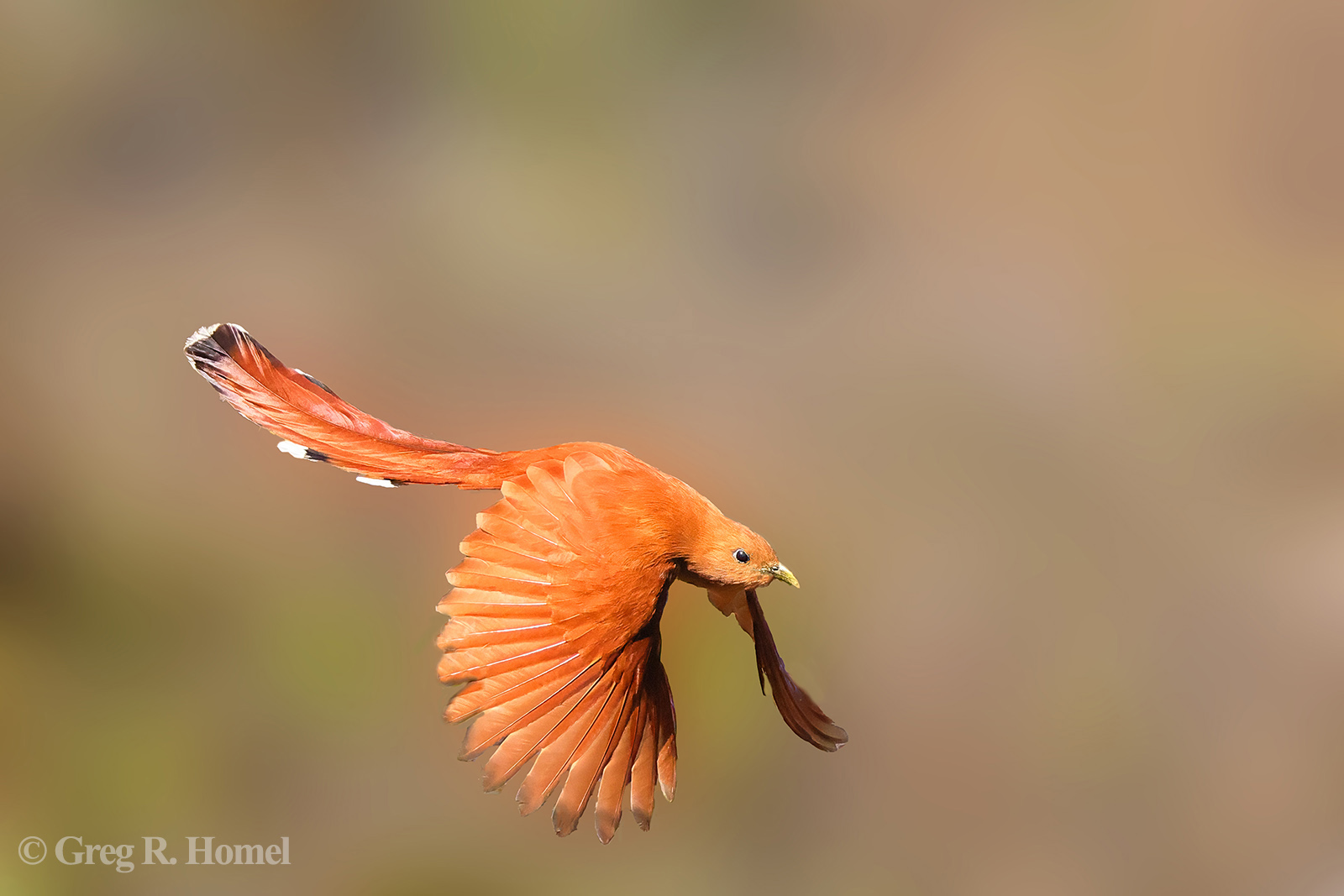
Other species of interest include the regional endemic West Mexican race of squirrel-cuckoo, near-endemic Pine Flycatcher, Dickey’s race of the Audubon’s Oriole, regional endemic Black-headed Siskin, endemic White-striped Woodcreeper, Happy Wren, Blue Mockingbird, Spotted Wren, and Red-headed Tanager. This is in addition to resident Crested Guan, Band-tailed Pigeon, Wild Turkey, Zone-tailed and Red-tailed hawks, Northern (Mountain) Pygmy-Owl, Rivoli’s, Violet-crowned, White-eared, and Berylline hummingbirds, regional endemic Arizona and Acorn woodpeckers, Greater Pewee, Tufted and Buff-breasted flycatchers, Plumbeous Vireo, Steller’s Jay, Mexican Chickadee, Bridled Titmouse, Brown Creeper, Canyon Wren, “Brown-throated Wren,” White-breasted Nuthatch, Eastern (Mexican) Bluebird, Brown-backed Solitaire, Gray Silky-Flycatcher, Olive Warbler, Red Crossbill (possibly Sierran type), Yellow-eyed Junco, Rusty Sparrow, Spotted Towhee, Grace’s and Red-faced warblers, Painted Redstart, Hepatic Tanager, etc.
Wintering and/or migratory species include Calliope, Rufous, and Broad-tailed hummingbirds, Golden Eagle (one pair remains to nest on the cliffs near the cabins), Hammond’s and Western (Codilleran) flycatchers, Violet-green Swallow, Ruby-crowned Kinglet, Hermit Thrush, Bullock’s and Scott’s orioles, roving flocks of wood warblers (including Nashville, MacGillivray’s, Yellow-rumped [Audubon’s], Black-throated Gray, Townsend’s, Hermit, and Wilson’s), etc.
The special emphasis at Cabiñas Guadalupe Ocotán will be finding and photographing endemic Eared Quetzal, Tufted Jay, and Aztec Thrush, in addition to an array of Sierra Madrean specialties, as well as raptor viewing and photographing: Zone-tailed Hawk is frequent, and even Mexico’s national bird, the Golden Eagle, has been seen here at close range by your guide, Greg Homel.
P.M. transit, with birding stops en route, between Guadalupe Ocotán, Nayarit, and Teuchtitlán, Jalisco.
Lodging at the family-run Hotel Las Fuentes, Jalisco. (Note that although facilities for hot showers are being installed, they may not be available at the time of our visit.)
Part IV: Pursue Resident, Migratory, and Endemic Specialties as the Birding Excitement Continues Overland from the Sierra Madre Occidental to the Volcanic Massifs of Volcan Nevado de Colima and Points Between (Days 11–15)
Day 11
A.M. birding for Aztec Rail, migratory waterfowl, Elegant Euphonia, and others at Rio Teuchitlán and Presa la Vega, Jalisco, with P.M. birding for endemic Cinereous Owl and other specialities of Parque Nacional Nevado de Colima.
See the Specialty Species tab.
Lodging at the remarkably fine Uttsa Inn Tryp by Wyndham, Ciudad Guzman.
Day 12
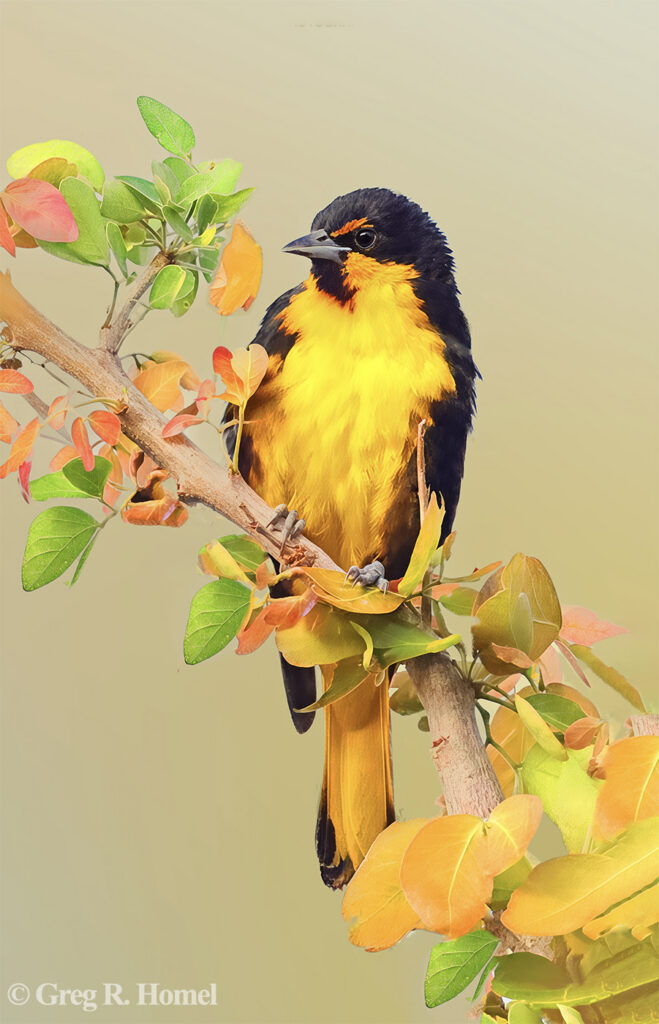
A.M. overland transfer to Colima City, with early A.M. birding at Lago Chapala for endemic Black-backed Orioles and waterbirds en route to Colima City, with owling for Balsas Screech-Owls on Cerro la Cumbre, Colima, tonight.
See the Specialty Species tab.
Lodging at the Fiesta Inn, Colima.
Day 13
A.M. birding at Parque Ecológico la Compaña-Rio Colima; P.M. overland transfer to Melaque, with afternoon birding at Laguna Tule, Jalisco.
See the Specialty Species tab.
Lodging at the Hotel Delfin or Playa Azul, Barra de Navidad, Jalisco.
Day 14
A.M. birding at Islito Piedra Blanca for Red-billed Tropicbirds, boobies, frigatebirds, and more.
Lodging at the Hotel Delfin or Playa Azul, Barra de Navidad, Jalisco.
Day 15
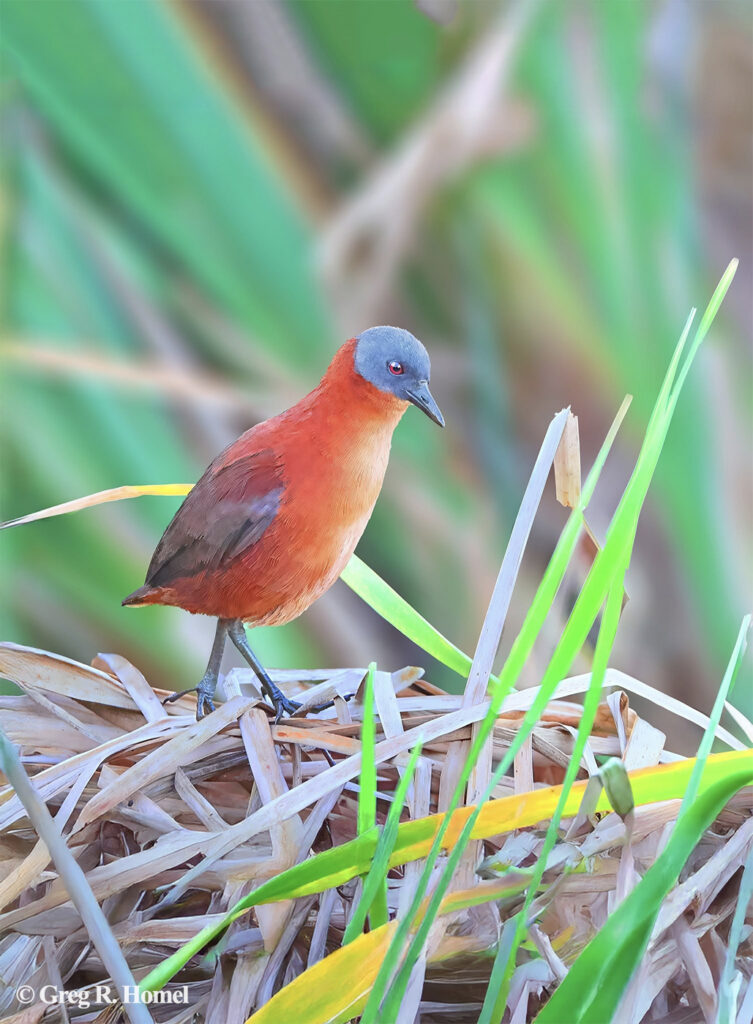
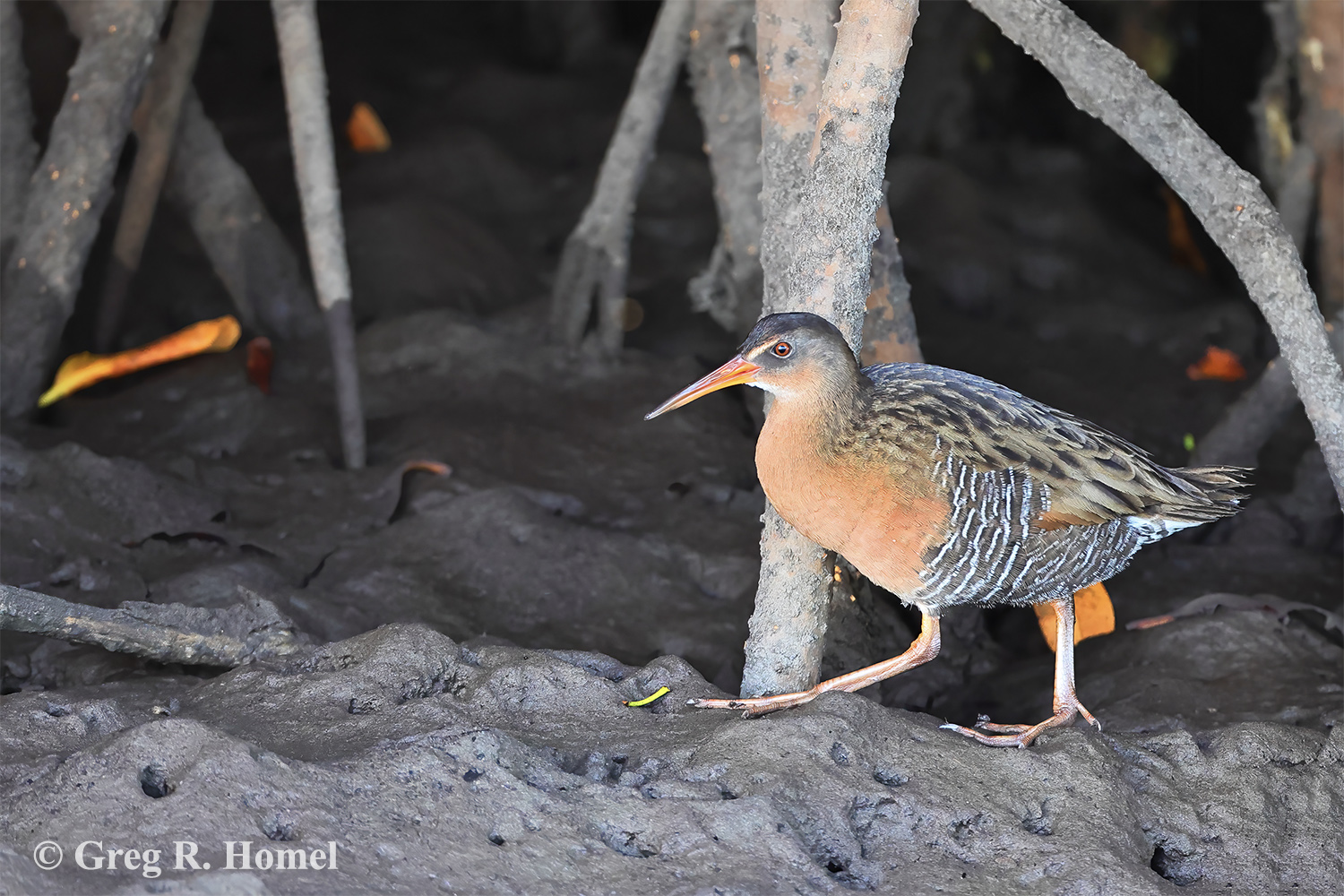
A.M. birding at Laguna del Tule or Manzanillo Airport marshes — or both — for Ruddy Crakes, Ruddy-breasted Seedeaters, and an abundance of resident and migratory aquatic birds. P.M. homebound flights from Manzanillo International Airport (ZLO), Jalisco.
End of services for the main tour. Thanks for adventure traveling with Natural Encounters Birding and Wildlife Photography Tours and Birding in Mexico!
Note: If opting to participate in the Islas Marías Endemics post extension, we will overnight tonight at Barra Navidad in advance of our four-hour drive to Puerto Vallarta on Day 15. You will receive instructions regarding when to book your homebound flight following this excursion. Please inquire with us for further information.
Part V: Optional Post Extension: Parque Nacional Islas Marías, Nayarit State (Days 15–20)
Day 15 continued
Overland transfer from Barra de Navidad to Puerto Vallarta, with birding en route.
Lodging at the Fiesta Inn or Holiday Inn Suites, Puerto Vallarta, Jalisco.
Days 16–18
Enjoy 3 days of photographic exploration of a “living time capsule” of West Mexico as it once was—on the Islas Marías National Park, a privilege unavailable to birders for more than a century prior to its opening in 2022! Lodging on the island of Isla Maria Madre in private cabanas with all the amenities (including hot showers and air conditioning), complete with buffet-style food service at select times of the day and evening (tiendas selling sundries, souvenirs, and snacks outside of meal hours are available), and access to pristine Isla María Madre, largest of the Islas Tres María, in Puerto Balleto.
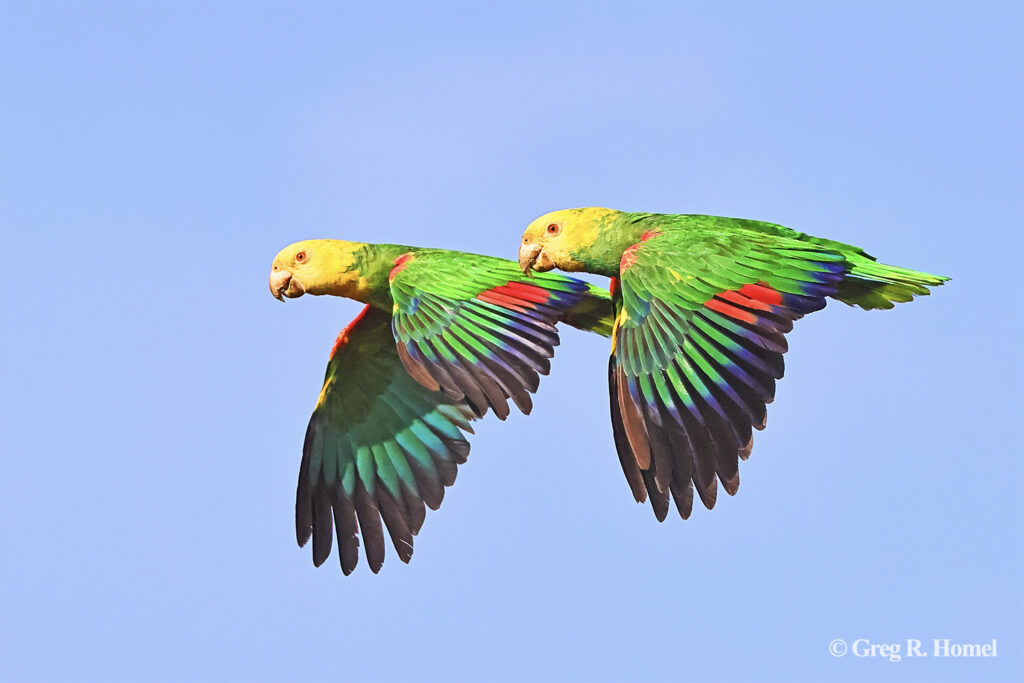
Special emphasis at Isla María Madre will be placed on techniques for photographing wild Yellow-headed Parrots and other island specialties in flight and perched, endemic bird photography, and neotropical forest-bird and diurnal owl photography.
Lodging in your own private chalet in Puerto Balleto, Isla María Madre, Nayarit.
Day 19: November 20, 2026
Return to San Blas in the early morning; overland transfer to a hotel near Tepic International Airport for your homebound flights.
End of services. Thanks for adventure traveling with Natural Encounters Birding and Wildlife Photography Tours/Birding in Mexico!
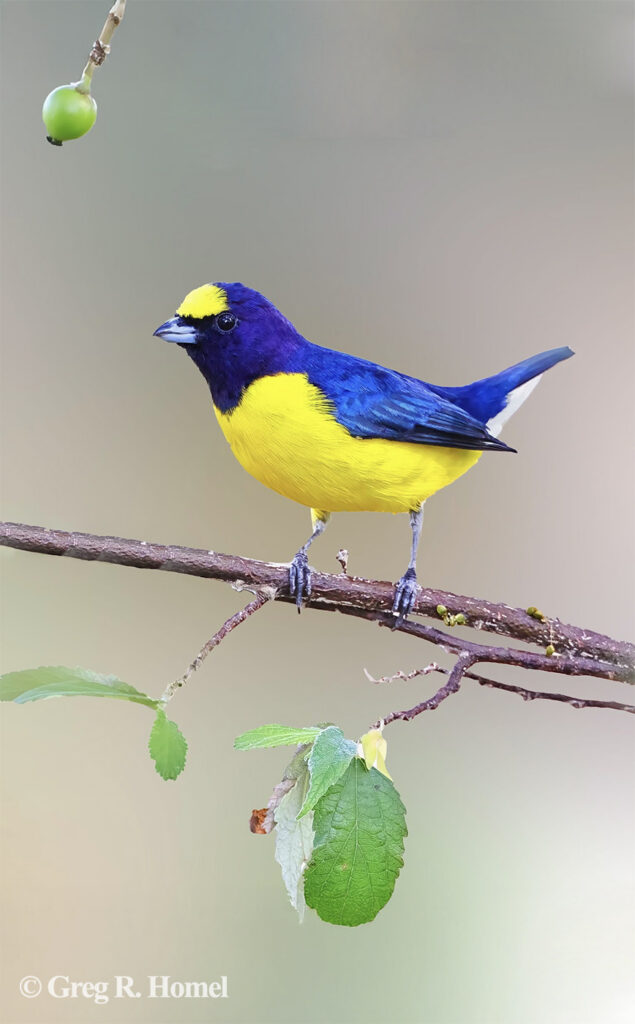
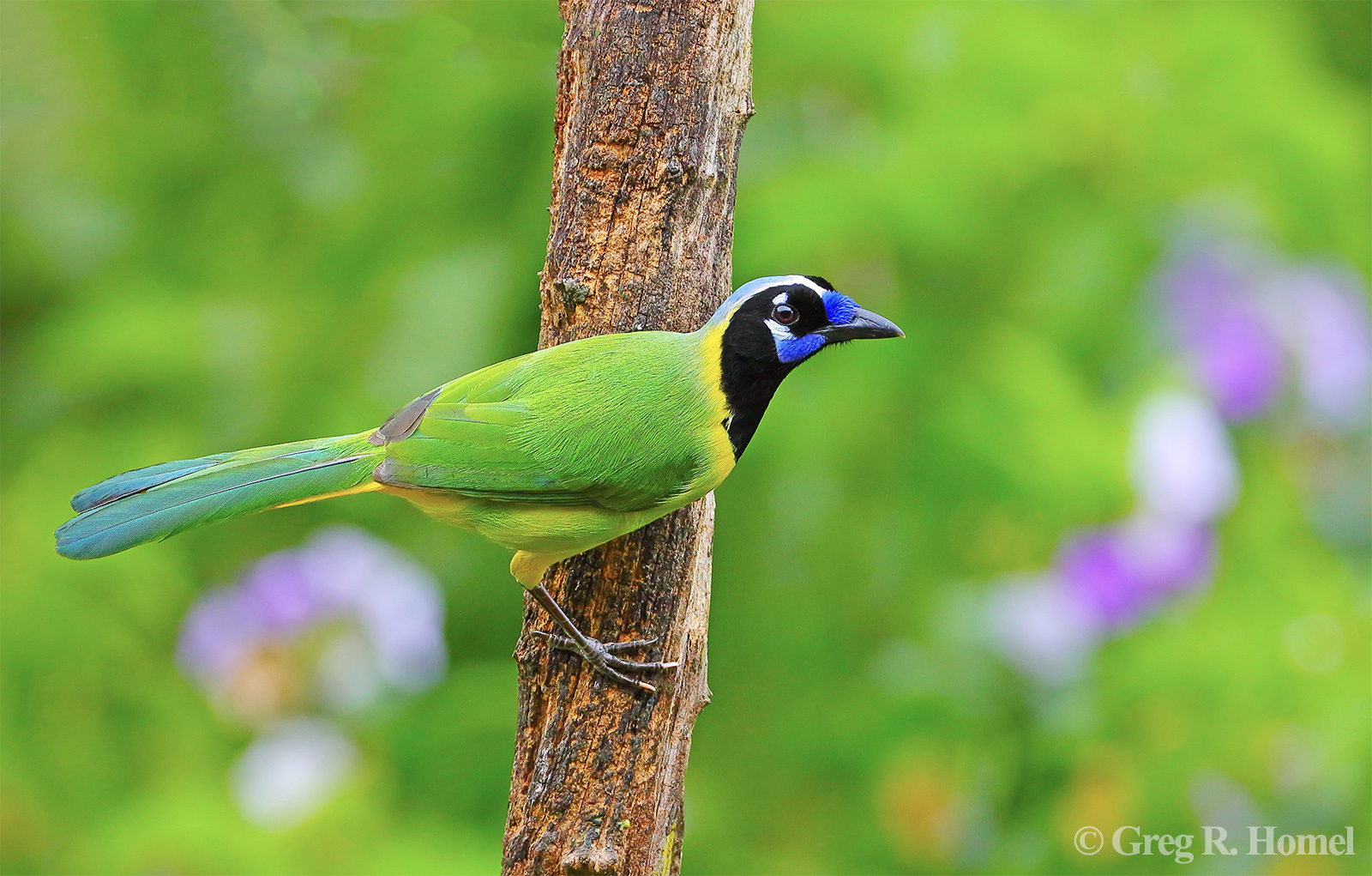
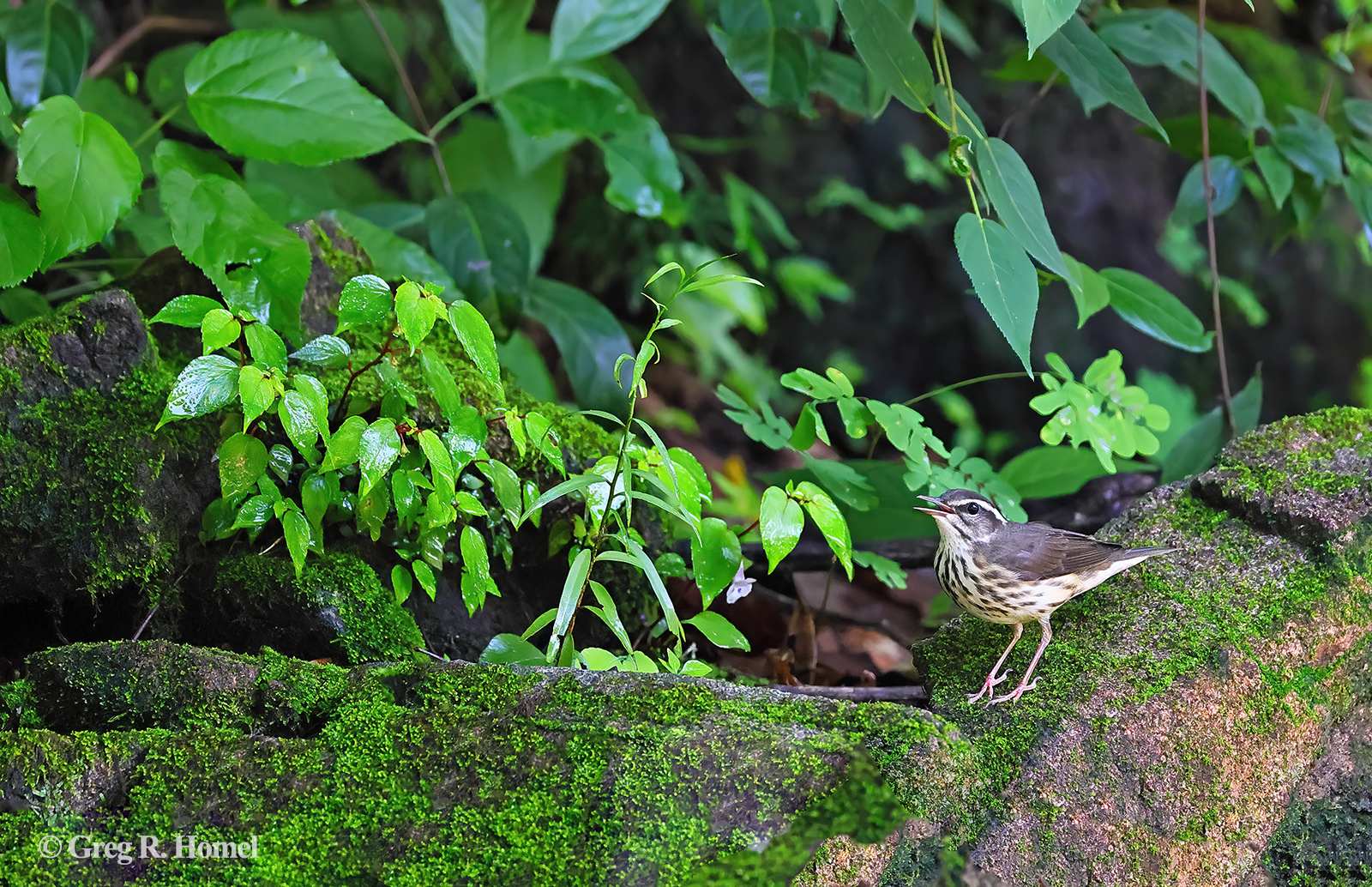
Specialty Birds of Mirador Mojoneras (227+ species): Crested Guan, West Mexican (endemic, common hills and foothills) and Rufous-bellied (endemic, uncommon lowlands) chachalaca; Elegant Quail (endemic); Lesser Ground-Cuckoo, Mangrove Cuckoo (spring & summer) and Mexican Squirrel-Cuckoo (endemic); Buff-collared Nightjar; White-fronted (endemic), Chestnut-collared, White-collared, White-naped, Greater Swallow-tailed, and Vaux’s swifts; Plain-capped Starthroat, Broad-billed Hummingbird, Golden-crowned Emerald, and Violet-crowned Hummingbird; Hook-billed Kite, Crane and Zone-tailed hawks; Middle-American Screech-Owl, Colima (endemic) and Ferruginous pygmy-owls, Mottled and Black-and-White owls; Citreoline (endemic) and Coppery-tailed trogons; Ringed Kingfisher; Golden-cheeked (endemic), Lineated and Pale-billed woodpeckers; Laughing and Collared Forest- falcons; Military Macaw, Lilac-crowned Amazon (endemic) and Orange-fronted Parakeet; Ivory-billed Woodcreeper (West Mexico race); Greenish Elaenia (West Mexico race), Flammulated Flycatcher (endemic; most commonly seen in spring & summer); Nutting’s Flycatcher, Thick-billed Kingbird; Black-capped (winter); Yellow-green & (spring & summer); Green, San Blas (endemic), and Black-throated Magpie- (endemic) jays; Happy (endemic) and Sinaloa (endemic) wrens; Blue Mockingbird (endemic); West Mexican Euphonia (endemic); House Finch; Rosy Thrush-Tanager; Rusty-crowned Ground-Sparrow (endemic); Yellow-winged Cacique (regional endemic) and Streak-backed Oriole (regional endemic; west Mexico form); Louisiana Waterthrush (winter), MacGillivray’s Warbler (winter), Tropical Parula (West Mexico form), and Fan-tailed Warbler; Yellow Grosbeak (northern form), Varied, Painted and Blue (West Mexico form) buntings; Dickcissel (winter); Cinnamon-bellied Saltator; etc.
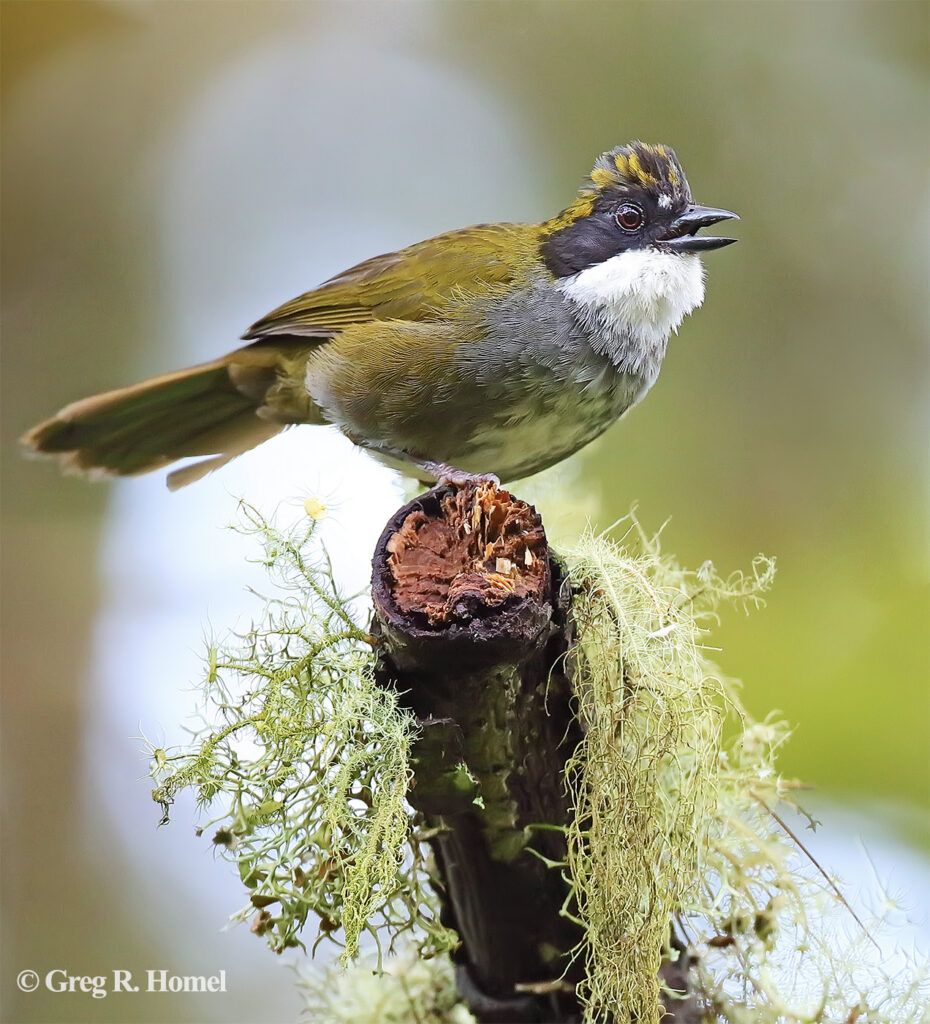
Specialty birds of Cerro de la Bufa and environs, Jalisco (277 species): Crested Guan, and Rufous-bellied Chachalaca (endemic); Long-tailed Wood-Partridge (endemic) and Singing Quail; Band-tailed Pigeon; Mexican Squirrel-Cuckoo (endemic); Eared Poorwill(endemic) and Mexican Whip-poor-will; Chestnut-collared and White-throated swifts; Mexican Violet-ear (regional specialty; rare), Amethyst-throated and Blue-throated mountain-gems (regional endemics); Calliope (winter), Rufous (winter), Broad-tailed (winter), Bumblebee (endemic), Broad-billed, White-eared, and Berylline hummingbirds; Broad-winged (winter), Zone-tailed, and Short-tailed hawks; Flammulated Owl, Whiskered Screech-Owl (including rufous morph birds), Northern (Mountain), Colima (endemic), and Ferruginous pygmy-owls; Mottled, Stygian, and Northern Saw-whet owls; Coppery-tailed and Mountain trogons (regional endemics); Russet-crowned Motmot (regional specialty); Acorn, Golden-cheeked (endemic), Hairy, Smoky-brown, Arizona, Pale-billed, Lineated, and Gray-crowned (endemic) woodpeckers, Northern (Red-shafted) Flicker (mostly winter); Olivaceous, Ivory-billed (West Mexican form), and White-striped woodcreepers (endemic); Gray-collared and Rose-throated becards; Northern Beardless Tyrannulet, Greenish Elaenia (West Mexican form), Tufted Flycatcher (Mexican form), Olive-sided Flycatcher (migrant), Hammond’s (winter), Dusky (winter), Pine (regional endemic), Western (Cordilleran), Buff-breasted, Vermilion (winter), and Dusky-capped flycatchers, Bright-rumped Attila (ocher-rumped race), Sulphur-bellied Flycatcher (spring and summer), Thick-billed Kingbird (regional endemic); Chestnut-sided Shrike-Vireo (regional endemic), Golden Vireo (endemic), Black-capped (winter), Dwarf (endemic; winter), Hutton’s, Cassin’s (winter), Plumbeous (winter) and Western Warbling Vireo; Black-throated Magpie-Jay (endemic), Green, and Transvolcanic (endemic) jays; Bridled Titmouse; Violet-green Swallow (winter); Bushtit (black-eared form); Canyon, Northern House (brown-throated form, which is a candidate for a split to regional endemic), Happy (endemic), and Sinaloa (endemic) wrens; Blue Mockingbird (endemic); Brown-backed Solitaire, Orange-billed Nightingale-Thrush (brown-headed form), Russet Nightingale-Thrush (endemic), Swainson’s (winter), Hermit (winter), and Aztec (endemic; nomadic) thrushes, American Robin, Rufous-backed Robin (endemic), White-throated Thrush (West Mexico form), Gray Silky-flycatcher; Elegant and West Mexican (endemic) euphonias; Black-headed Siskin(regional endemic); Stripe-headed Sparrow, Rusty-crowned Ground-Sparrow (endemic), Rusty Sparrow, Collared Towhee (endemic), Rufous-capped Brushfinch (endemic); Streak-backed (West Mexican form), Bullock’s (winter), and Audubon’s (Dickey’s form, a candidate for a split to endemic status), and Scott’s (winter) oriole; Crescent-chested, MacGillivray’s (winter), Grace’s, Townsend’s (winter), Hermit (winter; Audubon Bird to Watch), Rufous-capped, Golden-browed, Golden-crowned, and Red-faced warblers, Painted and Slate-throated (red bellied form) redstarts; Hepatic Tanager (gray-cheeked form), Red-headed Tanager (endemic), Western Tanager (winter), Red-crowned Ant-Tanager; Black-headed Grosbeak, Varied Bunting; Cinnamon-bellied Flowerpiercer, Cinnamon-rumped Seedeater (endemic), Cinnamon-bellied Saltator, etc.
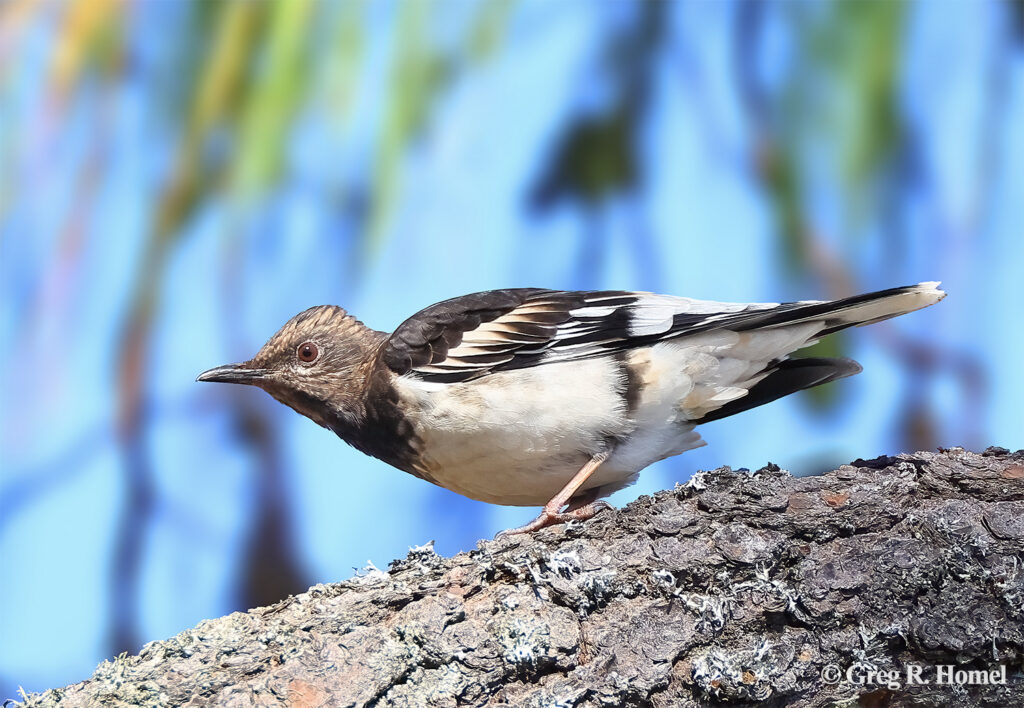
Specialty birds of Ocotán, Nayarit (187 species): Crested Guan; Montezuma Quail; Wild Turkey; Band-tailed Pigeon; Mexican Squirrel-Cuckoo (endemic); Eared Poorwill (endemic), Mexican Whip-poor-Will; White-throated Swift; Rivoli’s Hummingbird, Blue-throated Mountain-Gem, Calliope, Bumblebee (endemic), White-eared, and Berylline hummingbirds; Golden Eagle (Mexico’s National Bird; nests here), Zone-tailed Hawk; Whiskered Screech-Owl, Northern Pygmy-Owl, Stygian Owl, Northern Saw-whet Owl; Eared Quetzal (near endemic), Coppery-tailed (regional endemic), and Mountain (regional specialty) trogons; Arizona (regional endemic) and Gray-crowned (endemic) woodpeckers; Green Parakeet; White-striped Woodcreeper (endemic); Gray-collared Becard, Tufted Flycatcher (Mexican race), Greater Pewee, Hammond’s (winter), Pine (near endemic), Western (Cordilleran) and Buff-breasted Flycatcher; Cassin’s and Thick-billed kingbirds; Golden (endemic), Hutton’s, Cassin’s (migrant), Plumbeous, and Western Warbling vireos; Tufted (endemic), Steller’s, and Mexican jay; Mexican Chickadee and Bridled Titmouse; Violet-green Swallow (winter); Canyon, Northern House (brown-throated), Spotted (endemic), Happy (endemic), and Sinaloa (endemic) wrens; Blue Mockingbird (endemic); Eastern (Mexican) Bluebird, Brown-backed Solitaire; Orange-billed (Brown-headed) and Russet (endemic) nightingale-thrushes, Aztec Thrush (endemic); Gray Silky-flycatcher; Olive Warbler; Elegant Euphonia; Red Crossbill, Black-headed Siskin (regional endemic); Chipping Sparrow, Yellow-eyed Junco, Rusty and Rufous-crowned sparrows, Spotted Towhee, Rufous-capped Brushfinch (endemic); Black-vented, Streak-backed (West Mexico form), Bullock’s (winter), Audubon’s (Dickey’s form, which will likely be a future split); Crescent-chested, MacGillivray’s (winter), Grace’s, Townsend’s (winter), Hermit (winter), Rufous-capped, and Red-faced warblers, Painted and Slate-throated (red-bellied form) and Painted redstarts; Hepatic (northern form), Flame-colored (burnished western form), Red-headed (endemic) tanagers; Black-headed Grosbeak, and Lazuli Bunting (winter), etc.
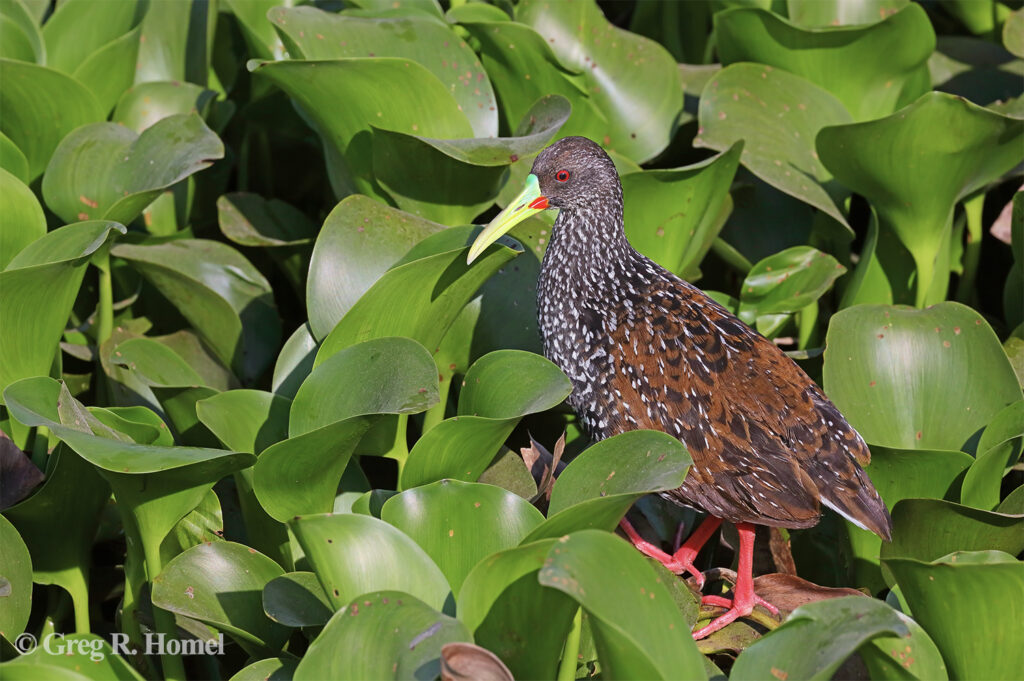
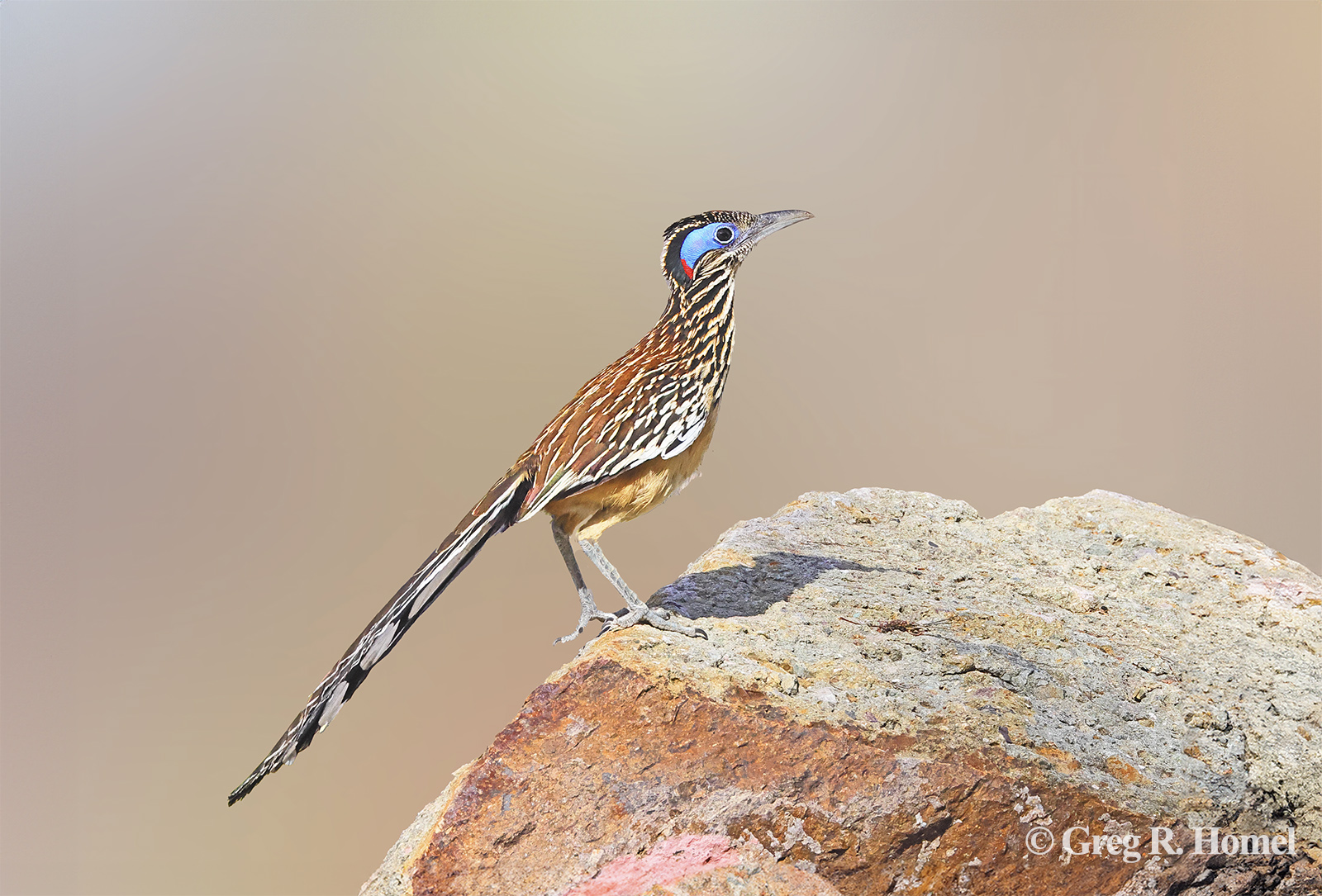
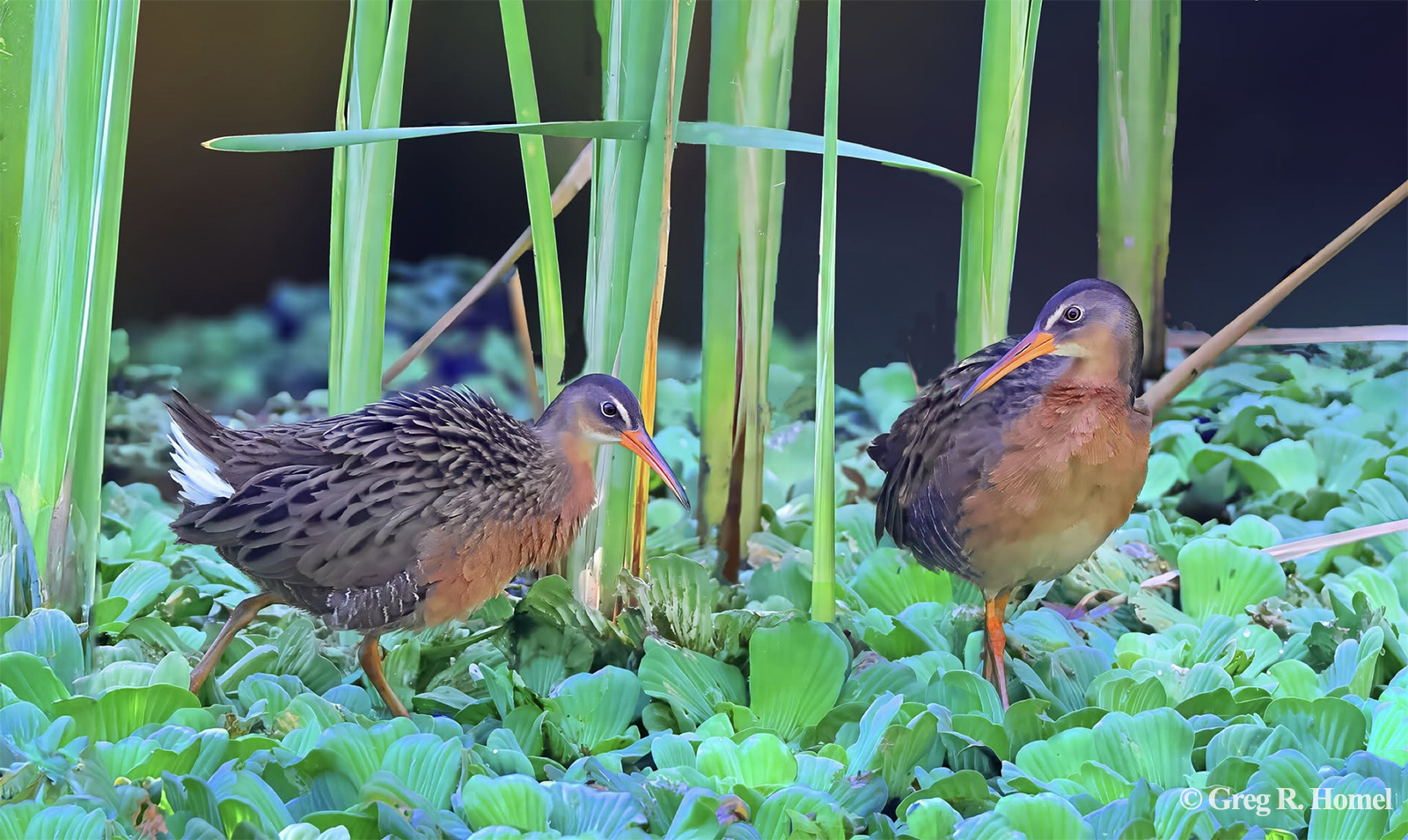
Specialty birds of Rio Teuchitlán and Presa La Vega, Jalisco (226 species): Black-bellied and Fulvous whistling-ducks, Snow Goose (winter), Cinnamon Teal (winter), and Mexican Duck (regional endemic); Banded Quail (endemic) and Northern Bobwhite (cinnamon-bellied race); Greater Roadrunner and Mexican Squirrel-Cuckoo (endemic); Broad-billed and Violet-crowned hummingbirds; Aztec (endemic), Virginia, and Spotted rails, Common and Purple gallinules; Limpkin; Northern Jacana, Stilt Sandpiper (migrant); Franklin’s Gull (migrant), Black Skimmer; Least, Western (winter), and Clark’s grebes; Roseate Spoonbill; American White Pelican; White-tailed Kite, Harris’s, White-tailed, Red-shouldered (winter), and Swainson’s (migrant) hawks; Belted and Green kingfishers; Gila and Golden-fronted woodpeckers; White-throated Flycatcher (regional endemic; winter), Black Phoebe, Vermilion and Sulphur-bellied (spring and summer) flycatchers, Cassin’s and Thick-billed kingbirds; Loggerhead Shrike; Tree Swallow (winter), Canyon, Marsh, Bewick’s, and Sinaloa (endemic) wrens; Rufous-backed Robin (regional endemic); Gray Silky-flycatcher; Elegant Euphonia, House Finch; Stripe-headed Sparrow, Rusty-crowned Ground-Sparrow; Canyon and Green-tailed (winter) towhees; Yellow-headed Blackbird and Chihuahuan Meadowlark; Orchard (winter), Streak-backed Oriole (regional endemic), Brewer’s Blackbird; Lucy’s (winter) Warbler, Gray-crowned Yellowthroat, MacGillivray’s Warbler (winter), Western Tanager (migrant); Blue Grosbeak (winter), Painted Bunting (winter), Cinnamon-rumped Seedeater (endemic), etc.
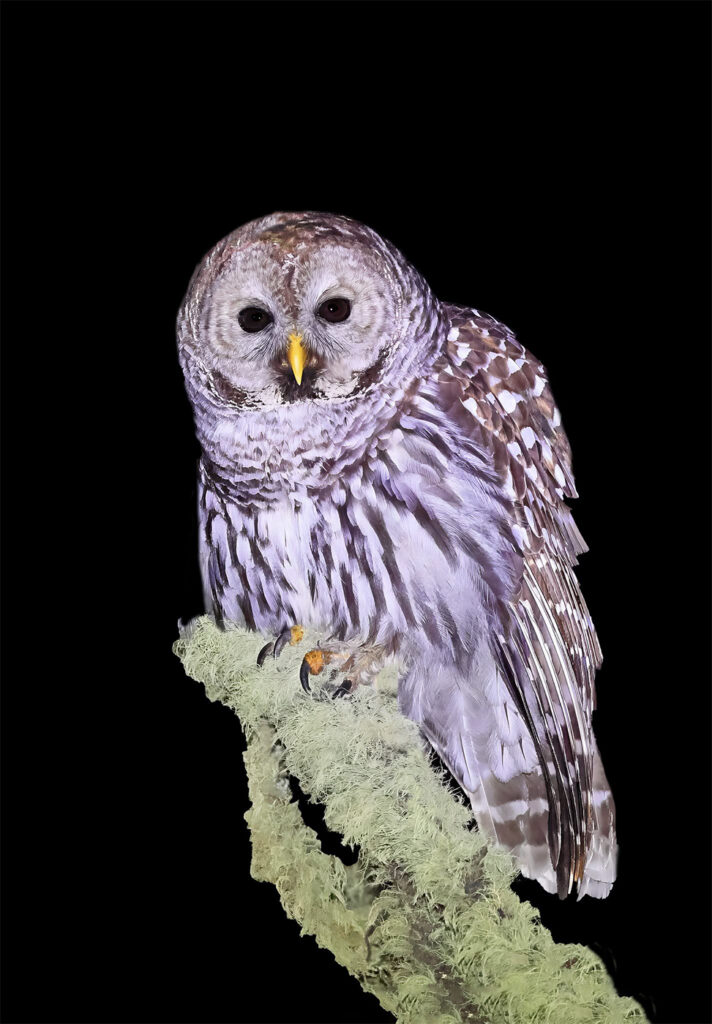
Specialty birds of Parque Nacional Nevado de Colima, Jalisco (306-species): Crested Guan, West Mexican Chachalaca (endemic); Long-tailed Wood-Partridge (endemic), Banded (endemic) and Singing quail; Band-tailed Pigeon; Lesser Roadrunner and Mexican Squirrel-Cuckoo (endemic); Eared Poorwill (endemic), Buff-collared Nightjar, and Mexican Whip-Poor-Will; White-throated Swift; Mexican Violetear, Rivoli’s Hummingbird, Amethyst-throated (regional endemic) and Blue-throated (regional endemic) mountain-gem; Calliope (winter), Rufous (winter), Broad-tailed (winter), Bumblebee (endemic), Broad-billed, White-eared, and Berylline hummingbirds; Zone-tailed and Short-tailed hawks; Whiskered Screech-Owl, Northern (Mountain) Pygmy-Owl, Colima Pygmy-Owl (endemic), Stygian Owl, Cinereous Owl (endemic), Northern Saw-whet Owl; Coppery-tailed and Mountain (regional endemic) trogons; Acorn, Golden-cheeked (endemic), Golden-fronted, Hairy, and Arizona (regional endemic) woodpeckers, Northern (Red-shafted) Flicker; White-striped Woodcreeper (endemic); Gray-collared and Rose-throated becards, Greenish Elaenia (west Mexico race), Tufted (Mexico race) Flycatcher, Olive-sided Flycatcher (migrant), Greater Pewee, Hammond’s (winter), Dusky (winter), Pine (regional endemic), Western (Cordilleran), Buff-breasted flycatchers; Say’s Phoebe (winter), Dusky-capped Flycatcher, Cassin’s, and Thick-billed kingbird; Chestnut-sided Shrike-Vireo, Golden (endemic), Slaty (endemic), Black-capped (endemic), Dwarf (endemic; winter), Hutton’s, Cassin’s (winter), and Plumbeous (winter) vireos; Loggerhead Shrike; Green, Steller’s, and Transvolcanic (endemic) jays; Mexican Chickadee and Bridled Titmouse; Violet-green Swallow (winter); Bushtit (Black-eared form); Golden-crowned Kinglet; White-breasted and Pygmy nuthatches; Brown Creeper; Canyon, Northern House (Brown-throated; a regional endemic and candidate for specific recognition), Bewick’s, Gray-barred (endemic), Spotted (endemic), Happy (endemic), Sinaloa (endemic), and Gray-breasted Wood- wrens; Blue Mockingbird (endemic) and Curve-billed Thrasher; Eastern (Mexican) Bluebird, Brown-backed Solitaire, Orange-billed (Brown-headed), Russet (endemic), and Ruddy-capped nightingale-thrushes, Swainson’s (migrant), Hermit (winter), and Aztec (endemic) thrushes, American Robin, Rufous-backed Robin (regional endemic), White-throated Thrush (West Mexico form); Gray Silky-flycatcher; Olive Warbler; Elegant Euphonia, House Finch, Red Crossbill (possibly Sierran), Pine and Black-headed (regional endemic) siskins; Stripe-headed, Clay-colored (winter), Chipping (winter), and Lark (winter) sparrows; Green-striped Brushfinch (endemic), Yellow-eyed Junco (regional endemic), Rusty-crowned Ground-Sparrow (endemic), Canyon, Green-tailed (winter), Spotted, and Collared (endemic) towhees, Rusty and Rufous-crowned sparrows, Rufous-capped Brushfinch (endemic); Black-vented, Hooded (winter), Streak-backed (West Mexico type, regional endemic), Bullock’s (winter), Audubon’s (West Mexico Dickeyi race, a likely split and Mexican endemic), Black-backed (endemic), and Scott’s (winter) orioles; Crescent-chested, Colima (winter), Nashville, Virginia’s (migrant), MacGillivray’s (winter), Grace’s, Black-throated Gray- (endemic), Townsend’s (winter), Hermit (winter; an Audubon Bird to Watch), Black-throated Green (winter), Fan-tailed, Rufous-capped, Golden-browed, Golden-crowned, Red-faced, Red (endemic; White-cheeked form) warblers; Painted and Slate-throated (red-bellied form) redstarts; Hepatic (northern type), Western (winter), Flame-colored (burnished-orange west Mexico type), and Red-headed (endemic) tanagers; Black-headed Grosbeak, Lazuli (winter) and Varied (winter) buntings; Cinnamon-bellied Flower-Piercer (regional endemic and northernmost of the flowerpiercers); Cinnamon-rumped Seedeater (endemic), Cinnamon-bellied Saltator, etc.
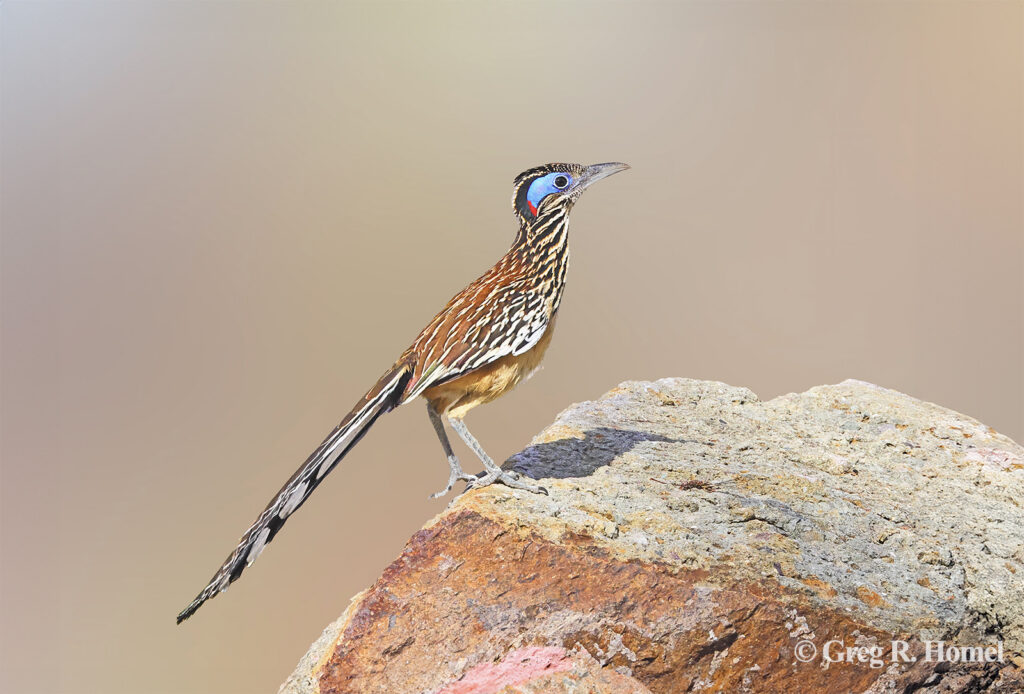
Specialty birds of Parque Nacional Nevado de Colima (Volcan de Fuego Sector), Jalisco (306 species): Crested Guan, West Mexican Chachalaca (endemic); Long-tailed Wood-Partridge (endemic); Banded (endemic) and Singing quail; Red-billed and Band-tailed pigeons; Lesser Roadrunner (regional endemic), Mexican Squirrel-Cuckoo (endemic); Eared Poorwill (endemic), Buff-collared Nightjar and Mexican Whip-Poor-Will; White-throated Swift; Mexican Violet-ear, Plain-capped Starthroat, Amethyst-throated Mountain-gem (regional endemic), Lucifer Hummingbird, Calliope (winter), Rufous (winter), Broad-tailed (winter), Bumblebee (endemic), Broad-billed hummingbirds, Golden-crowned Emerald (endemic), White-eared and Berylline hummingbirds; Zone-tailed and Short-tailed hawks; Flammulated Owl, Whiskered Screech-Owl, Northern (Mountain; regional endemic) and Colima (endemic) pygmy-owls; Stygian Owl; Coppery-tailed (regional endemic) and Mountain (regional endemic) trogons; Russet-crowned Motmot (regional endemic); Acorn, Golden-cheeked (endemic), Golden-fronted, Smoky-brown, Arizona (regional endemic), Gray-crowned (endemic) woodpeckers, Northern (Red-shafted) Flicker; Laughing and Bat falcons; Ivory-billed (West Mexico form) and White-striped (endemic) woodcreepers; Gray-collared and Rose-throated becards; Greenish Elaenia (West Mexico race), Tufted Flycatcher (Mexico form), Greater Pewee, Hammond’s (winter), Dusky (winter), Pine (regional endemic), Western (Cordilleran), Buff-breasted, and Vermilion flycatchers, Bright-rumped (northern ocher-romped form) Attila, Nutting’s and Sulphur-bellied (spring and summer) flycatchers, Cassin’s and Thick-billed (regional endemic) kingbirds; Chestnut-sided Shrike-Vireo (regional endemic), Golden (endemic), Slaty (endemic), Dwarf (endemic), Hutton’s, Cassin’s (winter), Plumbeous (winter), and Western Warbling (winter) vireos; Loggerhead Shrike (winter); Green Jay, and Transvolcanic (endemic) jays; Mexican Chickadee (regional endemic), Bridled Titmouse (regional endemic); Violet-green Swallow (winter); Bushtit (Black-eared form, which may prove to be a distinct near-endemic species); Golden-crowned Kinglet; Black-capped Gnatcatcher (rare); Canyon Wren, Northern House (Brown-throated type, which may prove to be a distinct, near-endemic species), Bewick’s, Gray-barred (endemic), Spotted (endemic), Happy (endemic), Sinaloa (endemic), and Gray-breasted Wood- wrens; Blue Mockingbird (endemic), Curve-billed Thrasher; Eastern (Mexican) Bluebird, Orange-billed (brown-headed), Russet (endemic), and Ruddy-capped nightingale-thrushes, Swainson’s (migrant), Hermit (winter), Aztec (endemic), American Robin, Rufous-backed Robin (regional endemic), White-throated Thrush (West Mexico form); Gray Silky-flycatcher; Olive Warbler; Elegant Euphonia, House Finch, Red Crossbill (possibly Sierran), Pine (winter), and Black-headed siskins; Stripe-headed, Chipping (winter), Clay-colored (winter), and Lark (winter) sparrows, Green-striped Brushfinch (endemic), Yellow-eyed Junco, Rusty-crowned Ground-Sparrow (endemic), Canyon, Spotted, and Collared (endemic) towhees, Rusty and Rufous-crowned sparrows; Rufous-capped Brushfinch (endemic); Black-vented, Orchard (winter), Streak-backed (West Mexican form; regional endemic), Bullock’s (winter), Audubon’s (West Mexico form, Dickeyi, which may prove to be a new endemic species), Scott’s (winter) orioles; Crescent-chested, Colima (winter), Lucy’s (winter), Nashville (winter), MacGillivray’s (winter) warblers, Tropical Parula (West Mexico form), Grace’s, Black-throated Gray- (winter), Townsend’s (winter), Hermit (winter; Audubon Bird to Watch), Fan-tailed (rare), Rufous-capped, Golden-browed, Red-faced, Red (endemic White-cheeked form) warblers, Painted and Slate-throated (red-bellied form) redstarts; Hepatic (northern gray-cheeked form), Western Tanager (winter), Flame-colored (burnished-orange West Mexico form), and Red-headed (endemic) tanagers; Black-headed Grosbeak, Blue Grosbeak (endemic), Lazuli (winter), Indigo (winter), Varied, and Painted (winter) buntings; Cinnamon-bellied Flower-Piercer (northernmost of the Flower-Piercers), Cinnamon-rumped Seedeater (endemic), Cinnamon-bellied Saltator, etc.
Click to expand.


Dates: To be determined. Contact us to inquire or ask about your desired schedule.
Price: To be determined. All-inclusive, per person.
Accommodation, Transportation, & Meals:

All-inclusive, with very good, comfortable accommodation at the best, high-standard hotels or private eco-lodges available in the region, provided with fresh, sumptuous regional meals throughout the excursion. Transportation is by modern, comfortable SUVs or 4WD vehicle(s), and/or mini-van(s) with window-seats for all, fully air-conditioned.
Pace and Physical Requirements
The pace will be ambitious but not rushed. Enjoyment while watching and photographing birds in their natural environments will be the priority. We may be out early each morning (usually before 7:00 a.m. [just before dawn], sometimes even earlier, depending on the estimated travel time between our hotel and our main destinations), when bird activity and vocalization is at its zenith. We usually return to the hotel for lunch followed by a relaxing midday siesta most days before hitting the birding trail again in the mid-afternoon until dusk.
Since the thrill of birding and bird photography are the priorities on this expedition, if the birding is exceptionally productive at any one location, we may remain in the field longer than expected (sometimes much longer, without any siesta), so participants should be prepared for this with good spirit, a flexible attitude, and a cheerful yen for adventure! Greg R. Homel and the other Natural Encounters staff will always be prepared with extra refreshments, snacks, and water while in the field, but you will need to carry water on your person while walking.
Select nocturnal excursions will be offered to see and photograph owls, potoos, and nightjars.
You should be in fairly good physical condition and able to walk at least one to a few kilometers (cumulatively) per day over sometimes rough, uneven, mountainous, rocky, sandy, snowy or muddy terrain. Bring good high-top walking shoes or soft hiking boots (that have been “worked in,” preferably not new) to avoid blisters and twisted ankles.
Some rural roadways will be rough in places, but we’ve discovered that “bad roads and good birding go together here in Mexico!”
Most Mexican highways are now modern — especially in Puerto Vallarta itself, including the new toll highway that allows quick access between Puerto Vallarta, San Blas, and other points — with occasional potholes (in some of the least expected places) and topes (speed bumps, more kindly referred to as “sleeping policemen”) in the smaller and even larger towns and cities, sometimes in the middle of nowhere, and even on supposed “freeways” or toll ways.
Biting insects are a possibility anytime, so it’s recommended to carry an insect repellent containing DEET (chemical name, N,N-diethyl-meta-toluamide), such as Off! or Deep Woods Off! (the latter highly recommended). In the experience of your guides, only repellents containing DEET work, and regular use will make your outdoor experiences much more comfortable, particularly at dusk and dawn in humid environments. These repellents are available in our region of travel, but it’s always best to bring your own in advance of your arrival. Greg Homel and our local guides will have some extra repellent, but not enough to provide for the entire group. It is your responsibility to be prepared and on time!
You will be required to carry all your personal equipment (including water) in a light backpack or on your person and to provide for reasonable protection of your valuables. We cannot be held responsible for thefts of valuables or injuries to your person.
FOR PARTICIPANTS’ MAXIMUM ENJOYMENT AND FOR MINIMAL IMPACT ON THE FRAGILE HABITATS THAT THE BIRDS WE TRAVEL SO FAR TO ENJOY DEPEND ON FOR SURVIVAL, SPACE IS LIMITED TO 6–8 PARTICIPANTS, PLUS GUIDES.
Reserve early!