
Wild Yucatan, Cozumel, & Tikal
Yucatán, Quintana Roo, & Campeche, Mexico, & Petén, Guatemala
Focus:
> Birding
> Bird Photography
> Archaeology
Length:
> 14 days
> 18 days with optional post extension to Tikal, Guatemala
Click on a slide for caption and full photo.
Birds Lists
Experience the most biodiverse and fascinating natural and archaeological Yucatec sites—a birder’s paradise in the Mayan world!
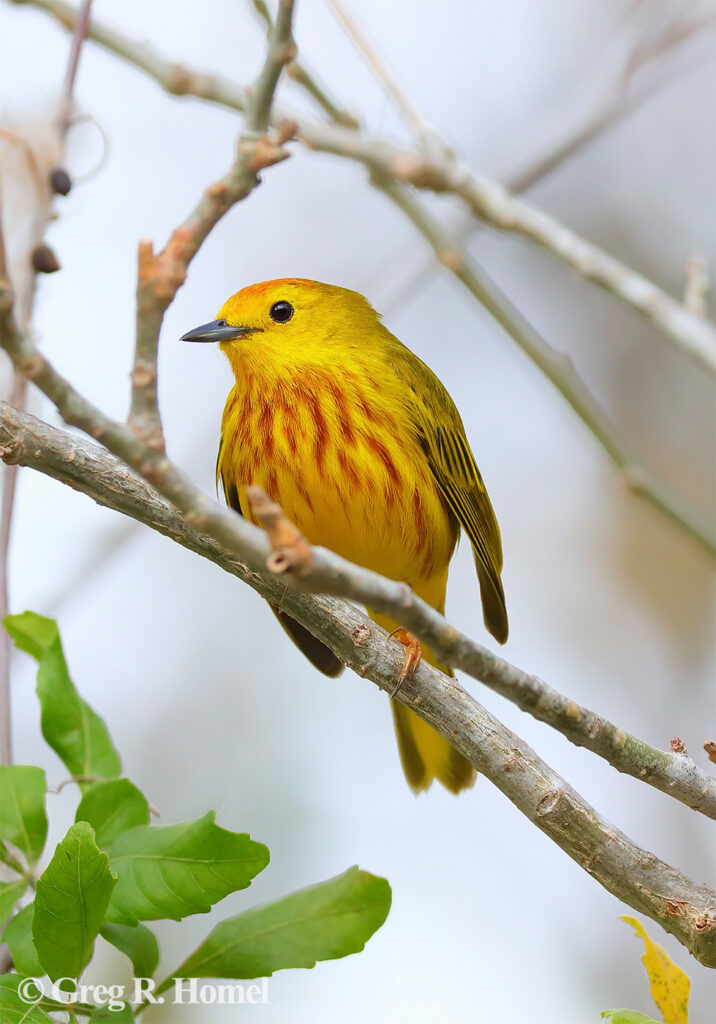
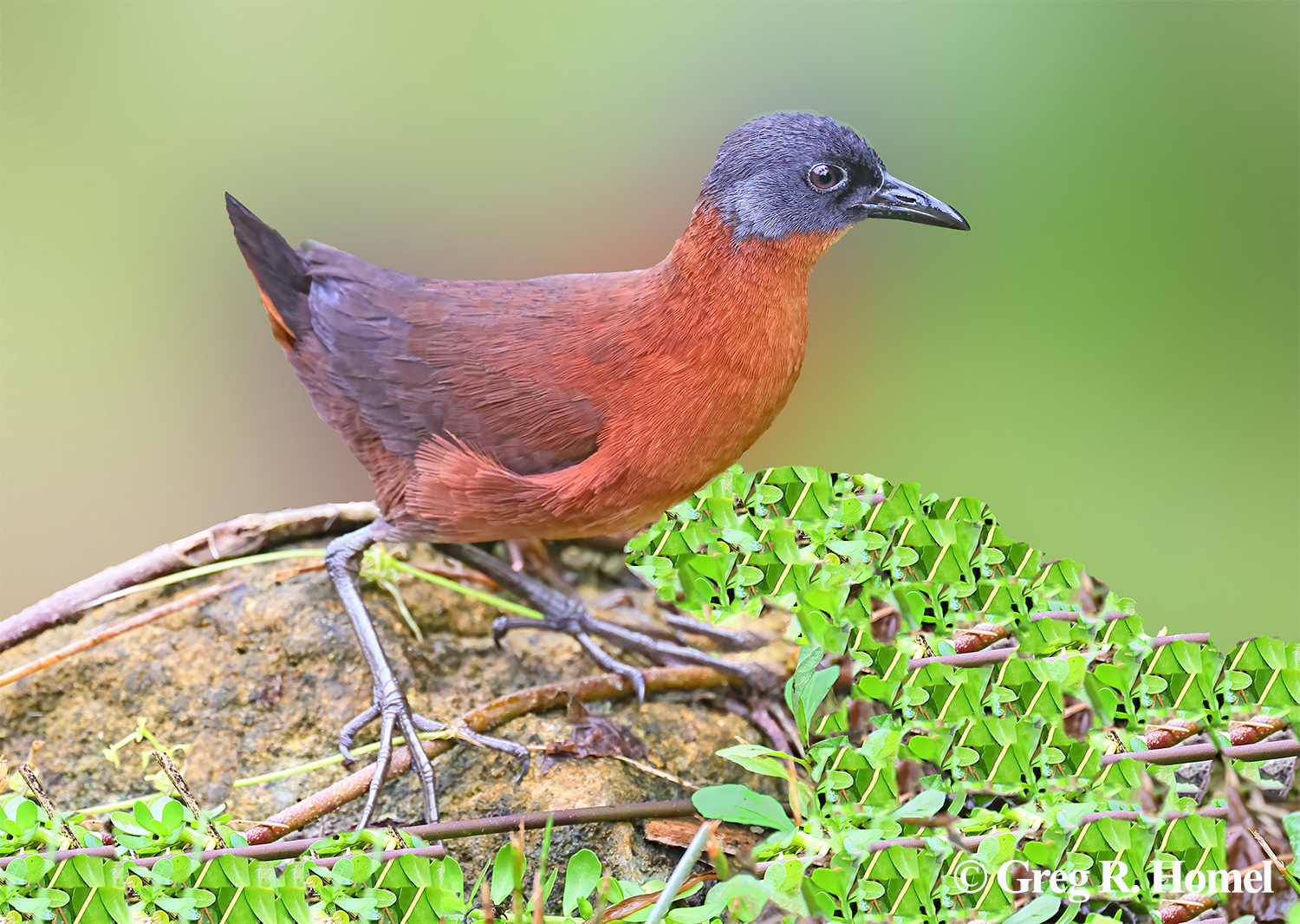
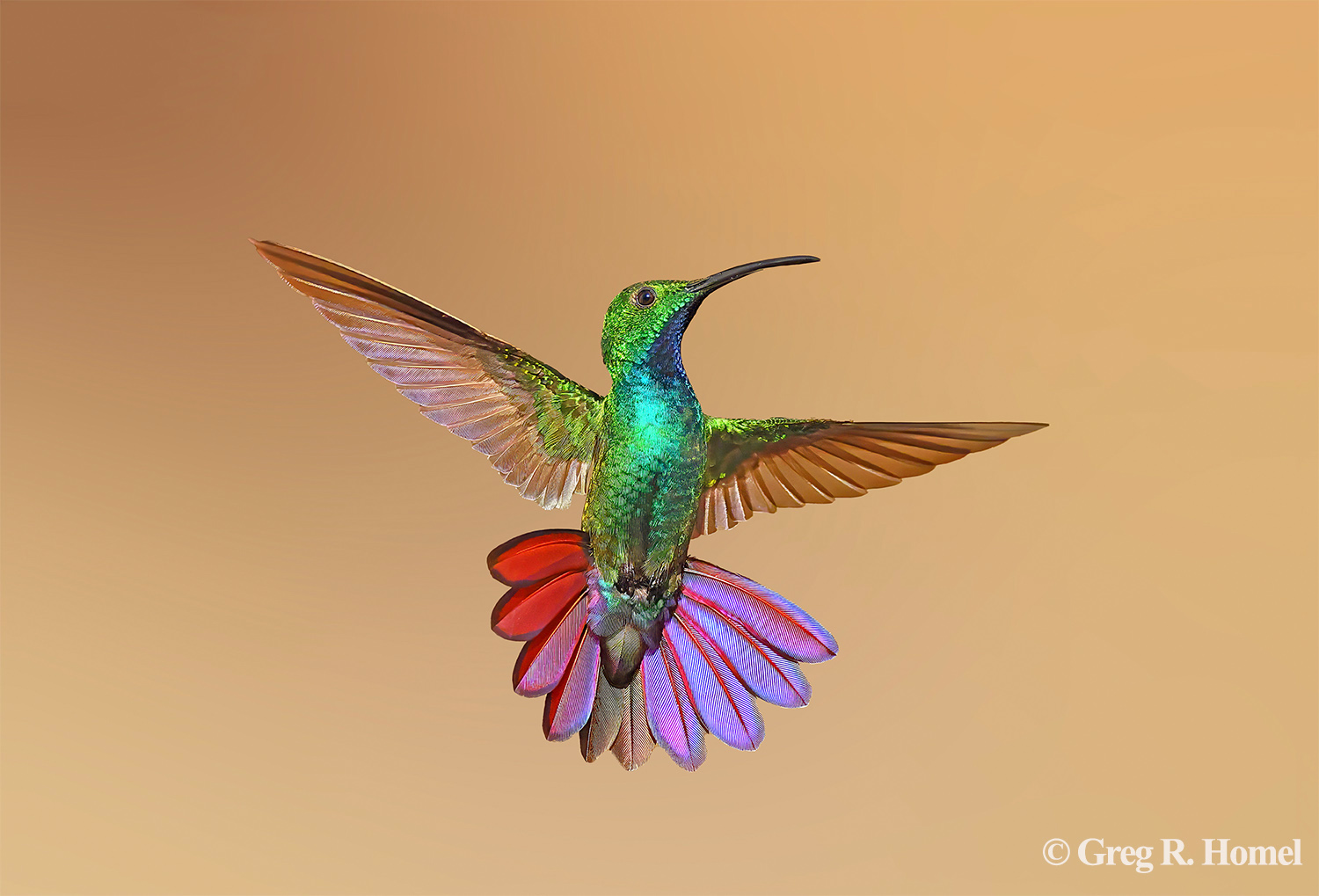
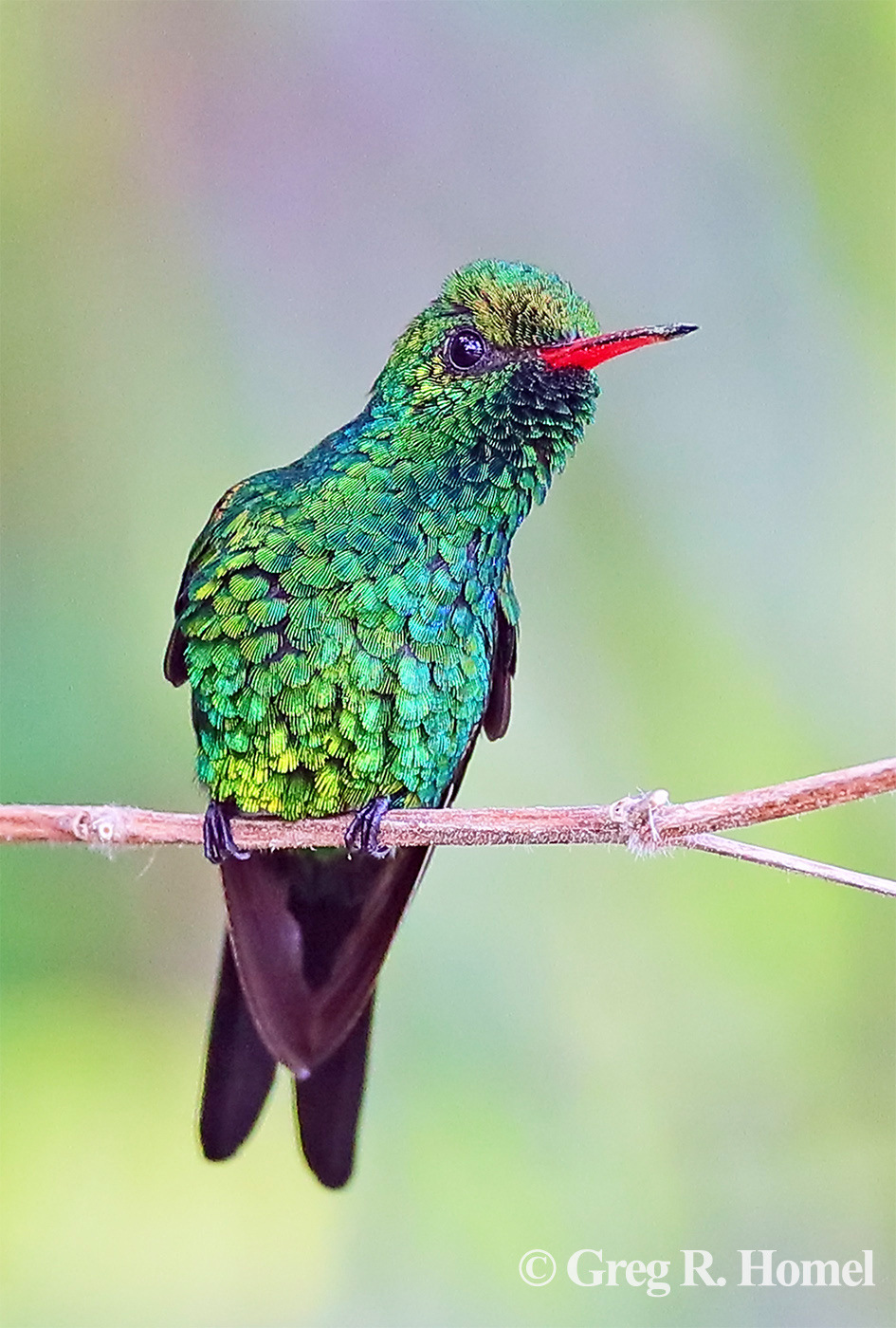
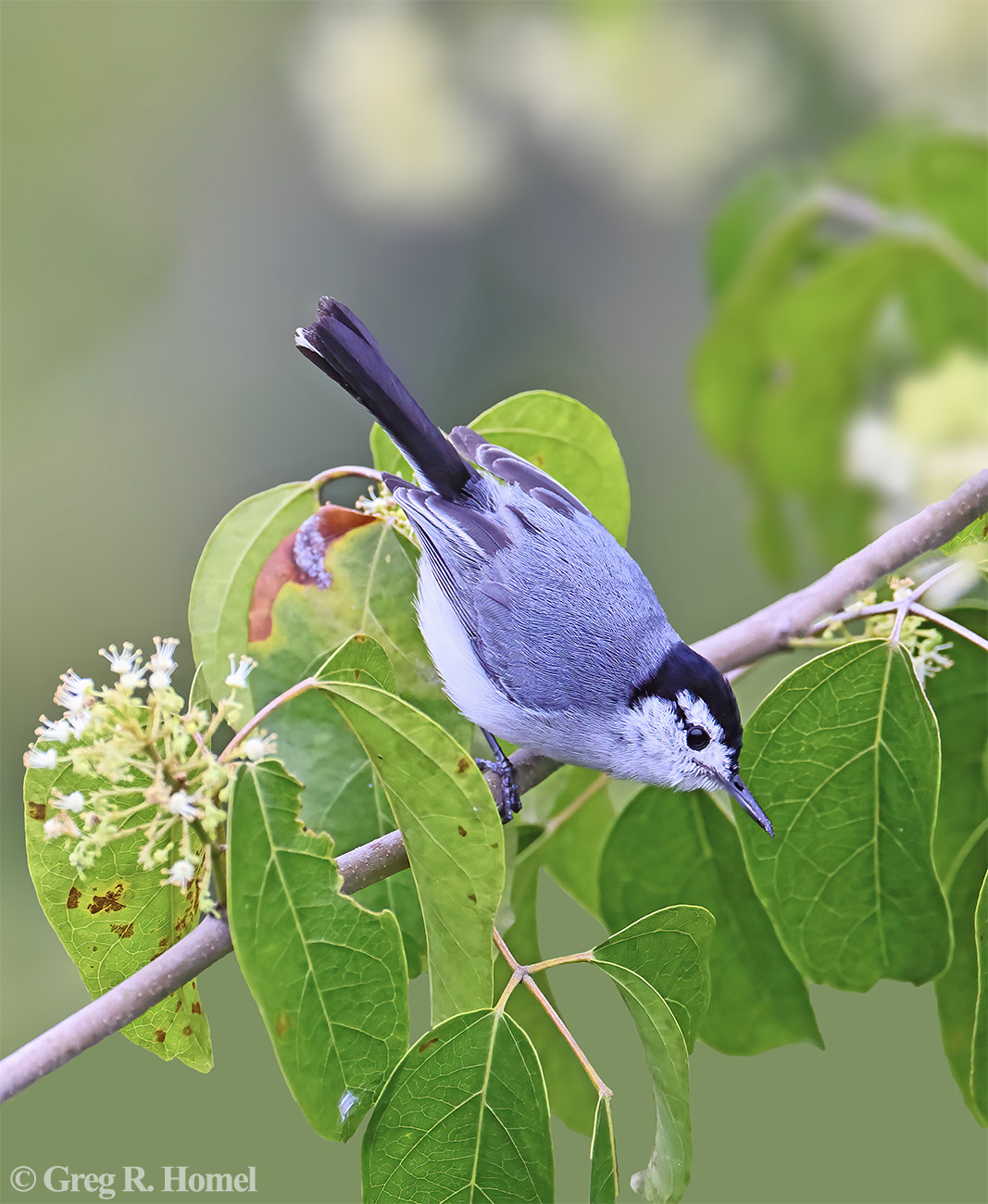
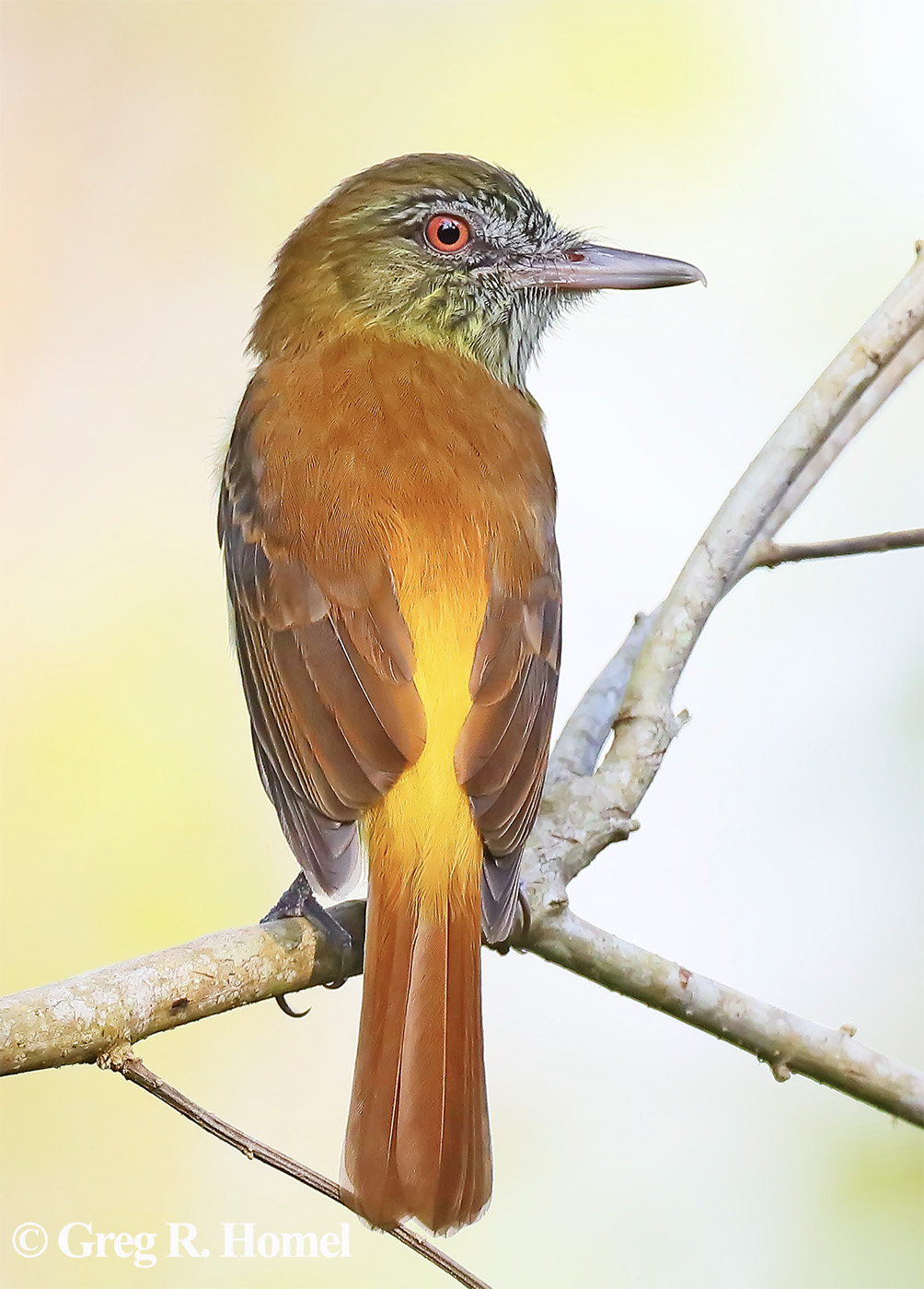
PART I—A Bit of the West Indies in Mexico, Isla Cozumel: Begin your immersion in Mexico’s marvelous Yucatán biome on Isla Cozumel. Greg Homel will meet you at Cozumel International Airport (CZM) on this beautiful island east of the Yucatán Peninsula mainland for two and a half days of diurnal and nocturnal birding. The island is home to four endemic species—the Cozumel Emerald, Cozumel Wren, Cozumel Vireo, and likely extinct Cozumel Thrasher—in addition to many endemic subspecies of birds including but not limited to Great Curassow (endangered), Roadside Hawk, Yucatan Woodpecker, Golden-fronted (Velasquez’s) Woodpecker, Yucatan Flycatcher, Dusky-capped Flycatcher, Bright-rumped Attila, Blue-gray Gnatcatcher, Bananaquit, Mangrove Yellow Warbler (Golden type, likely a separate species), Rufous-browed Peppershrike, etc. The island is also one of the best places to see and photograph the Ruddy Crake, and is also home to the Yucatán endemic Yucatan Nightjar, Yucatan Vireo, and Black Catbird, in addition to many warblers that primarily winter in the West Indies, such as Palm, Cape May, and Prairie warblers, etc. We will pursue birds day and night. Our hotel of choice, Hotel Villablanca Garden Beach, has hummingbird feeders attracting Green-breasted Mango, Cozumel Emerald, wintering Ruby-throated Hummingbird, etc. Caribbean Dove is also common here. Our time here includes a visit to the Mayan ruins at San Gervasio. 3 days/351 species/3 limited-range endemics.
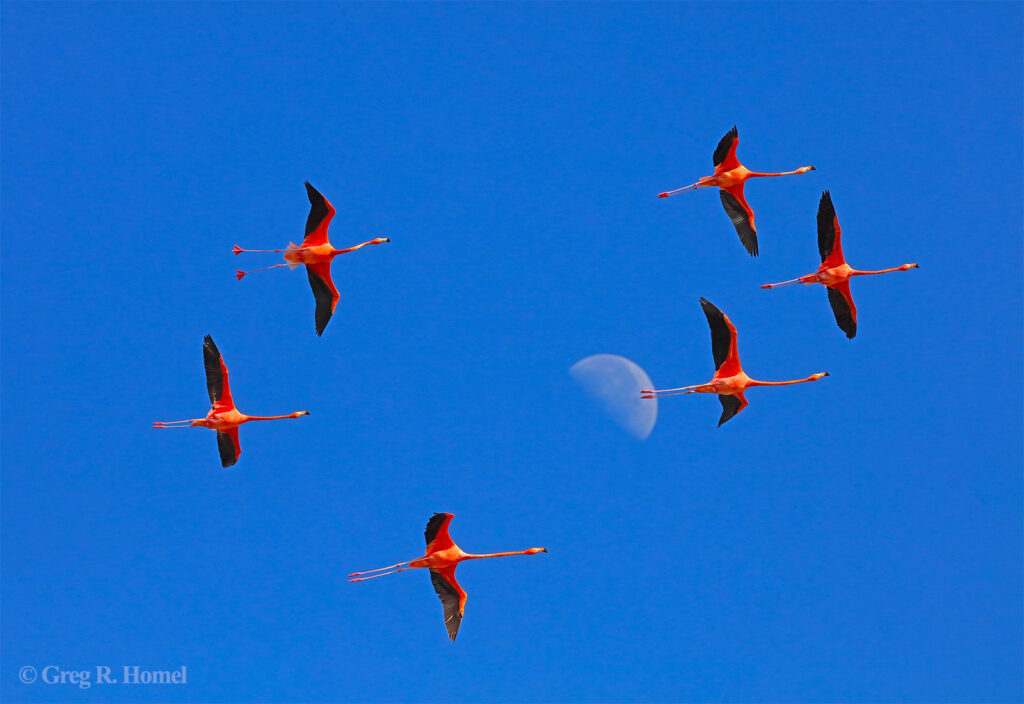
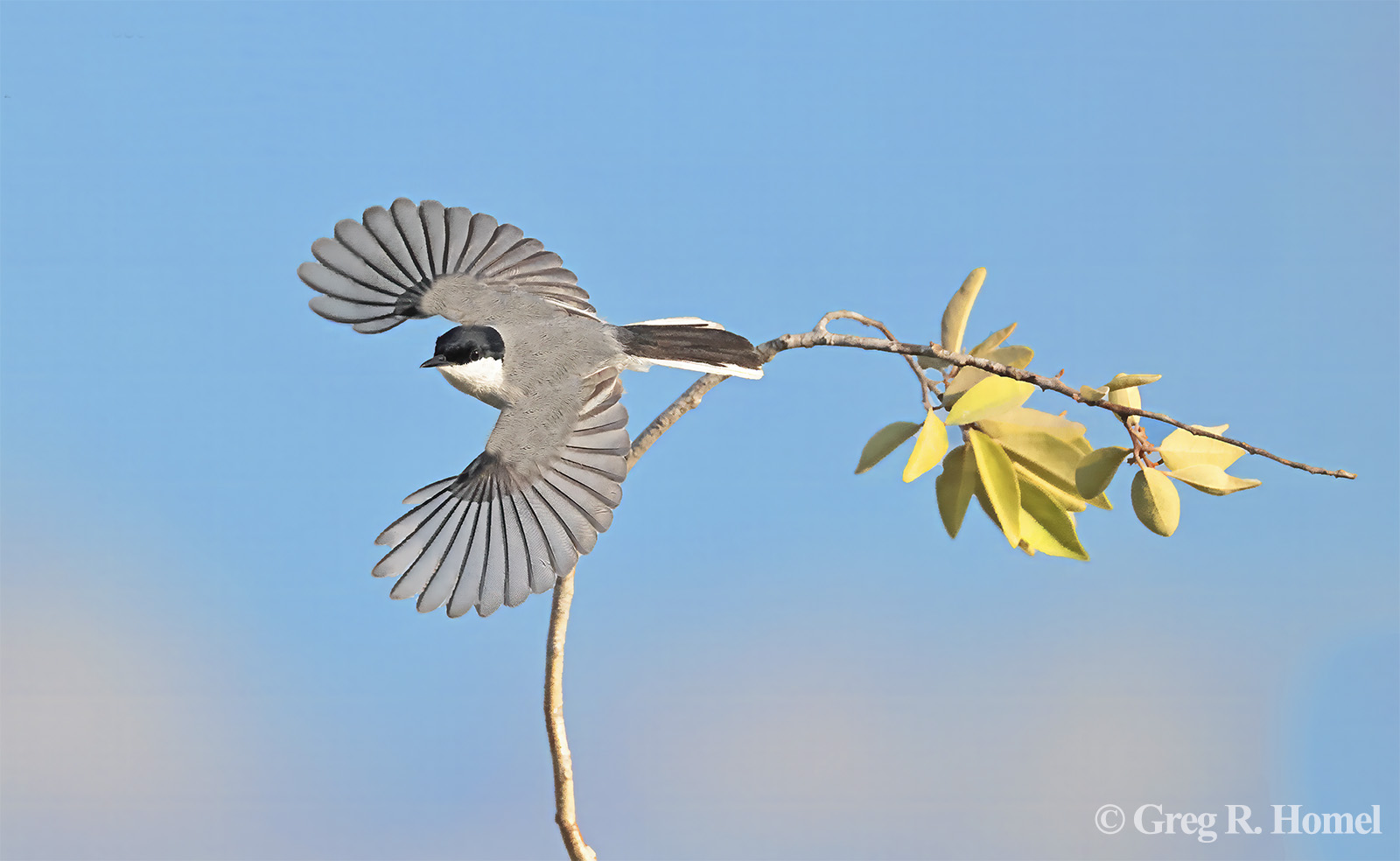
PART II—Birding Paradises of the North Yucatán, Yucatán & Qintana Roo States: Next we cross by ferry to the Yucatán Peninsula and travel overland to Río Lagartos. The first full day of birding on the Yucatán mainland will be Río Lagartos, at the upper edge of the peninsula. Here in the heart of Parque Natural Ría Lagartos, the only crowds are American Flamingos! Here, too, is Celestun National Park on the west coast of the Yucatán, home to an exciting suite of endemics—and more American Flamingos (more than 45,000!). Mixed in with the resident species of song- and waterbirds are numerous migrants that breed in north-central and eastern North America. We end this part of the expedition with an overland transfer to Dzilam de Bravo, Yucatán, pursuing the region’s endemics along the Gulf of Mexico, including the recently recognized Yucatan Gnatcatcher, the Yucatan Jay, the Yucatan Wren, and many other specialties. 3 days; 550+ recorded species/12 Yucatán endemics and near endemics.
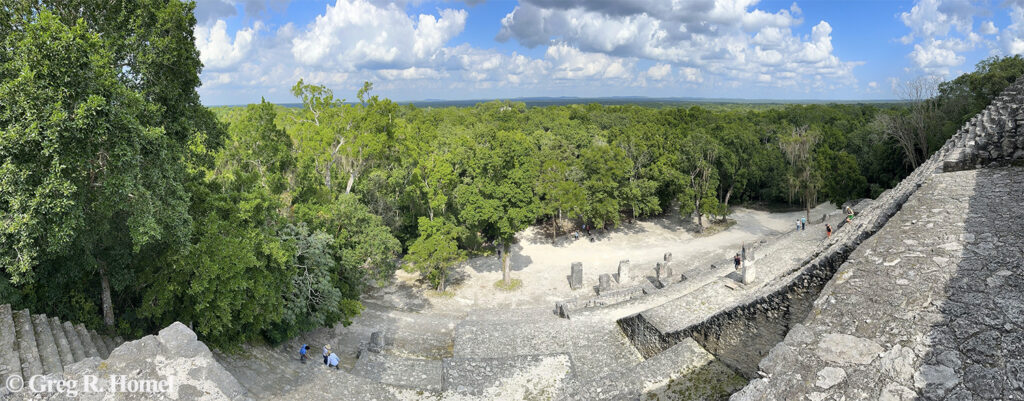
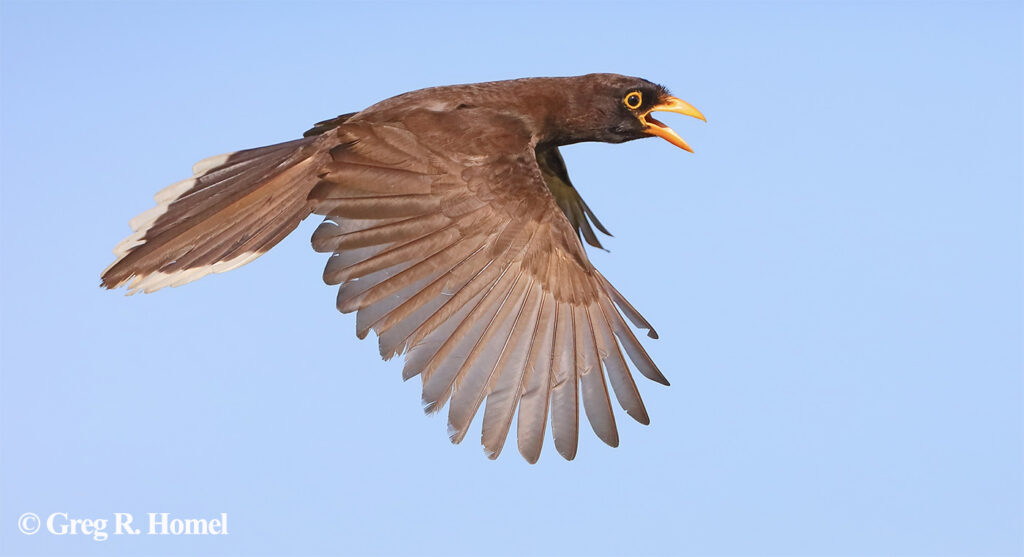
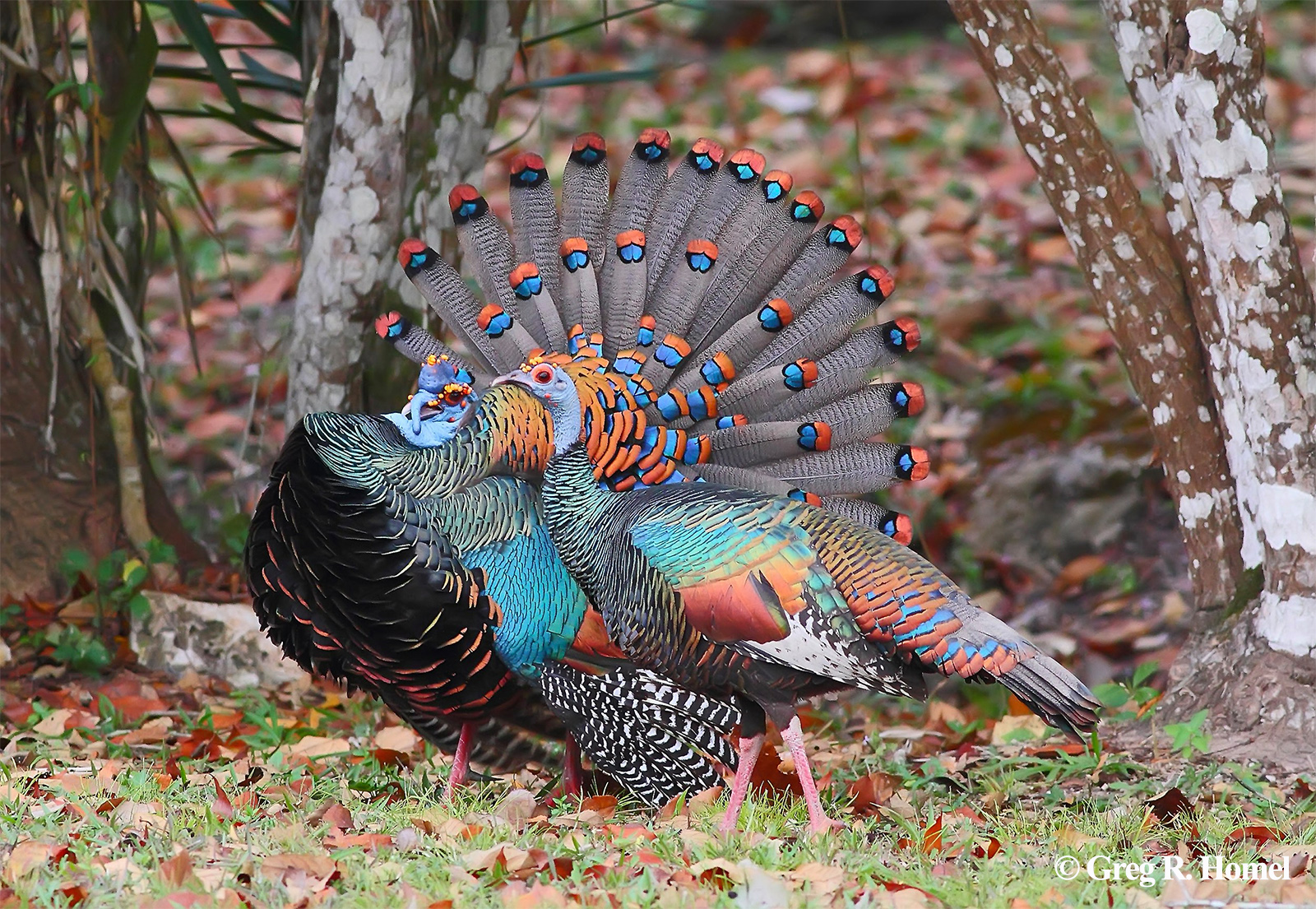
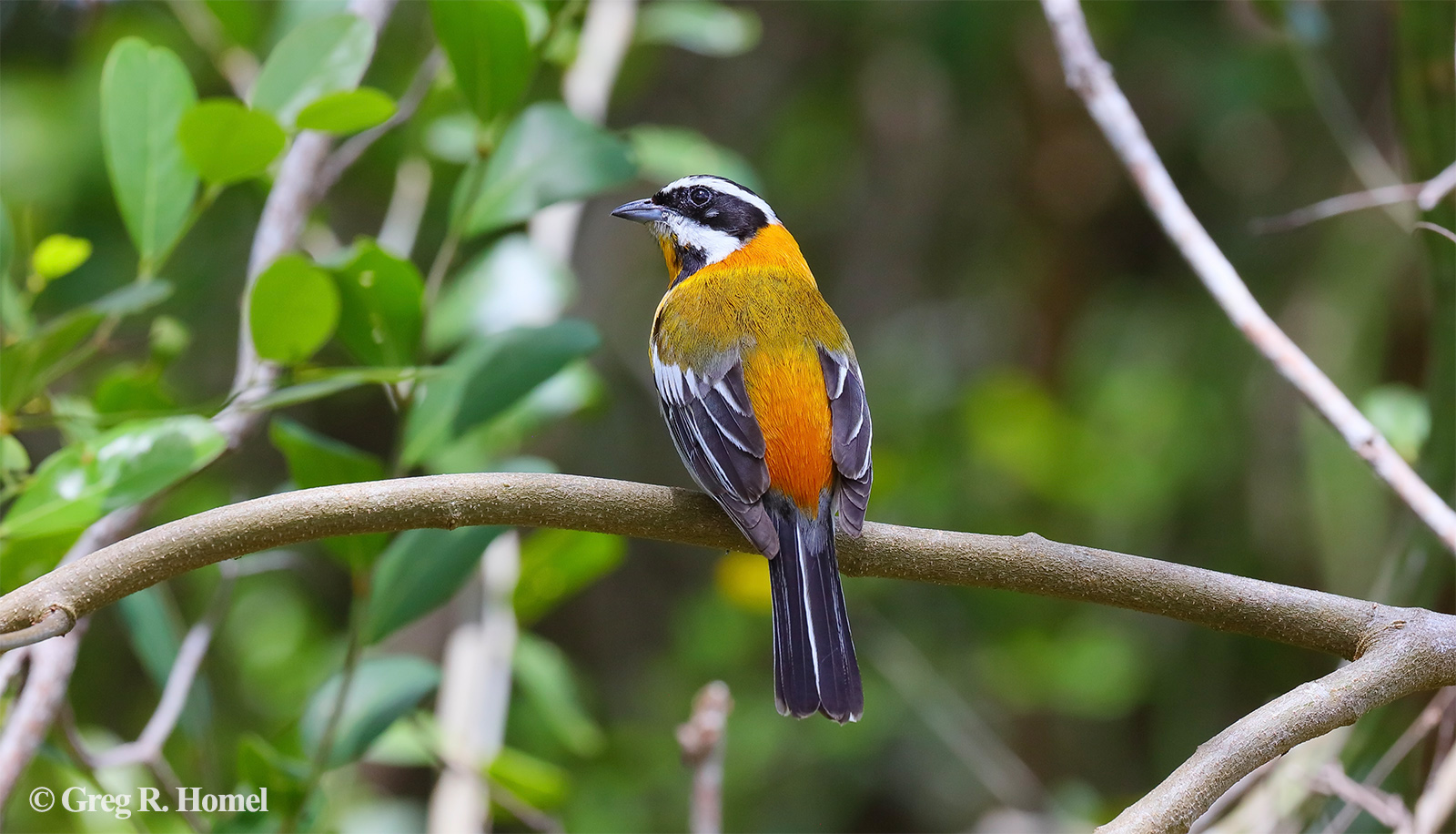
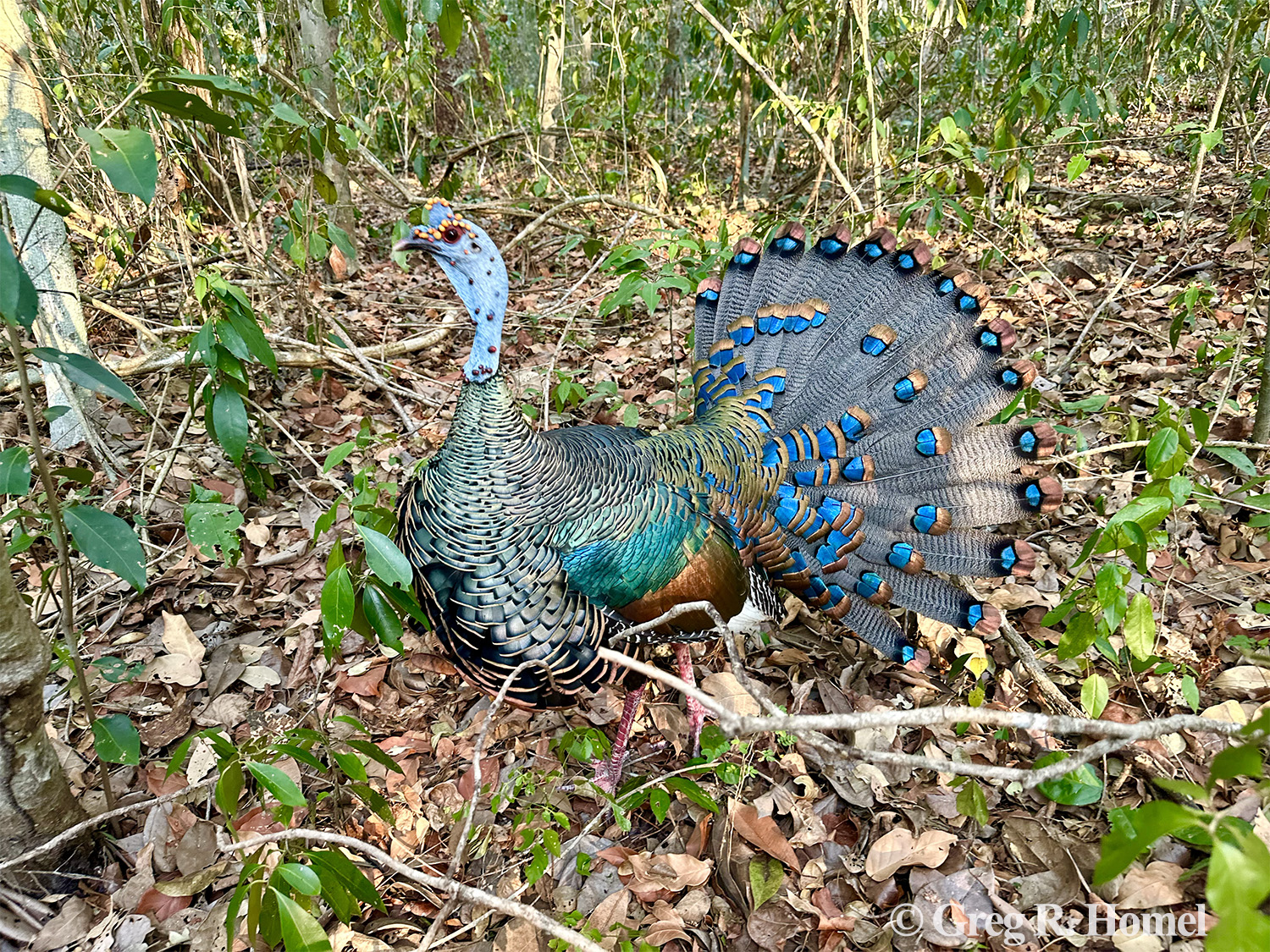
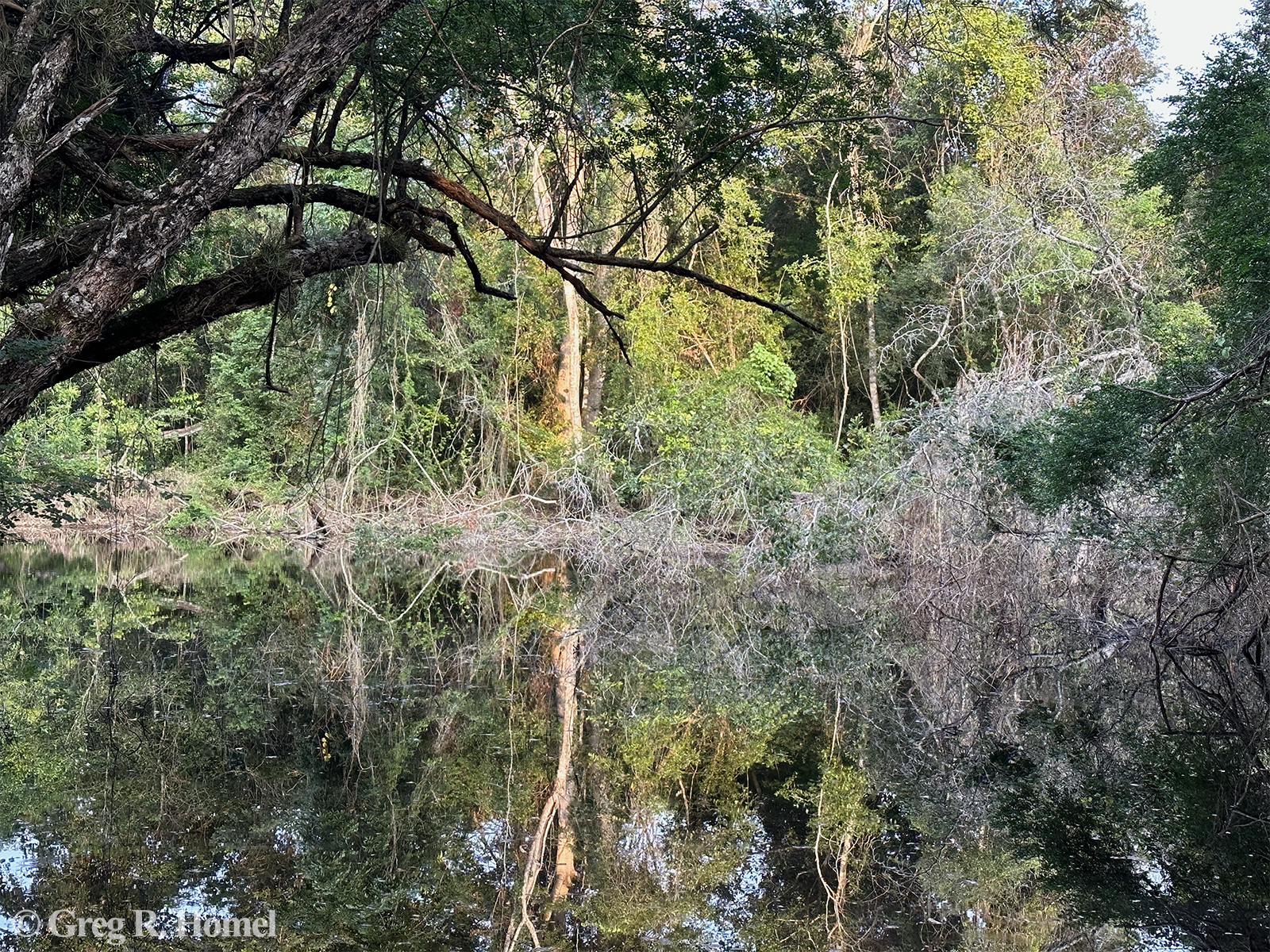
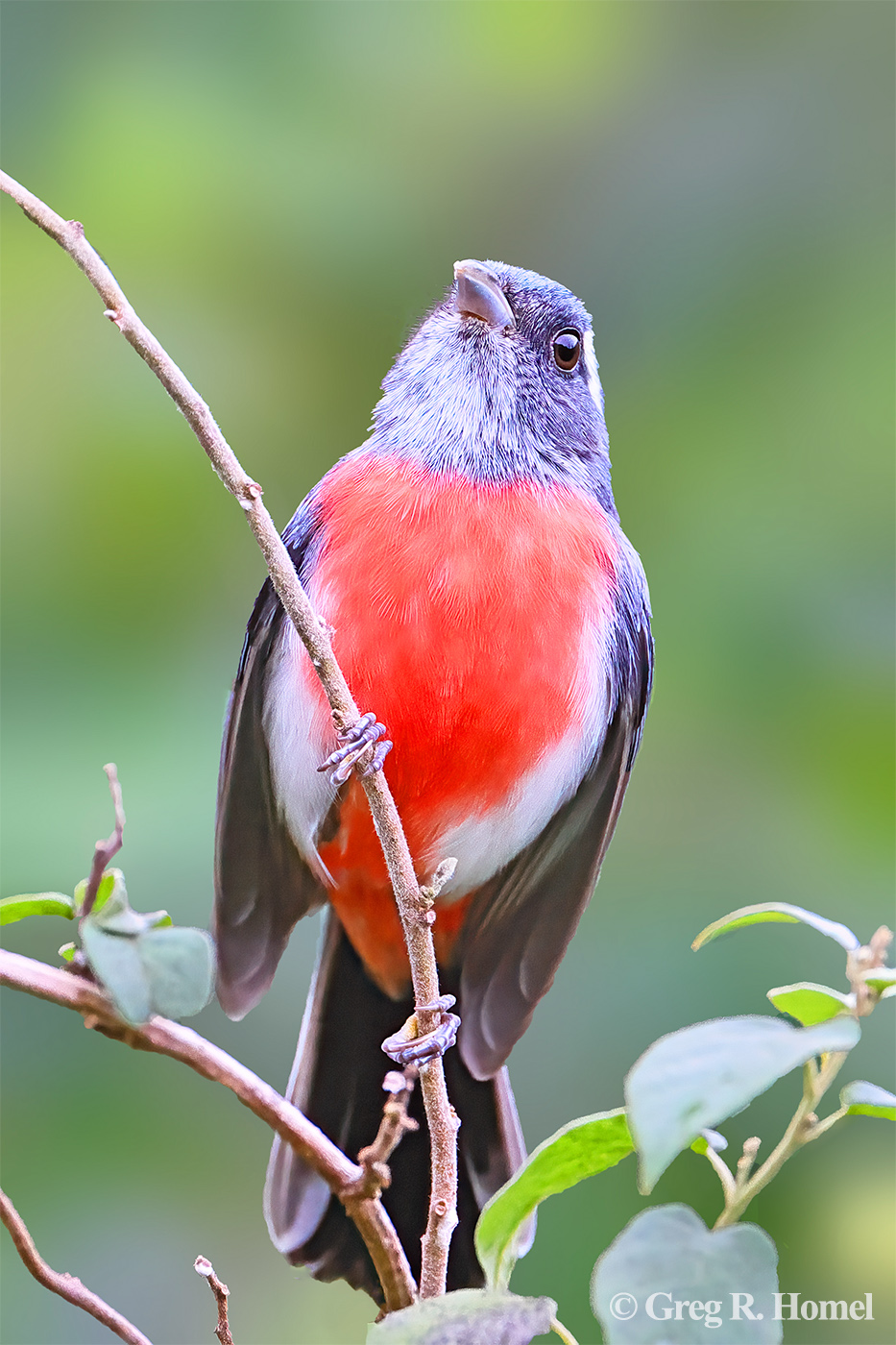
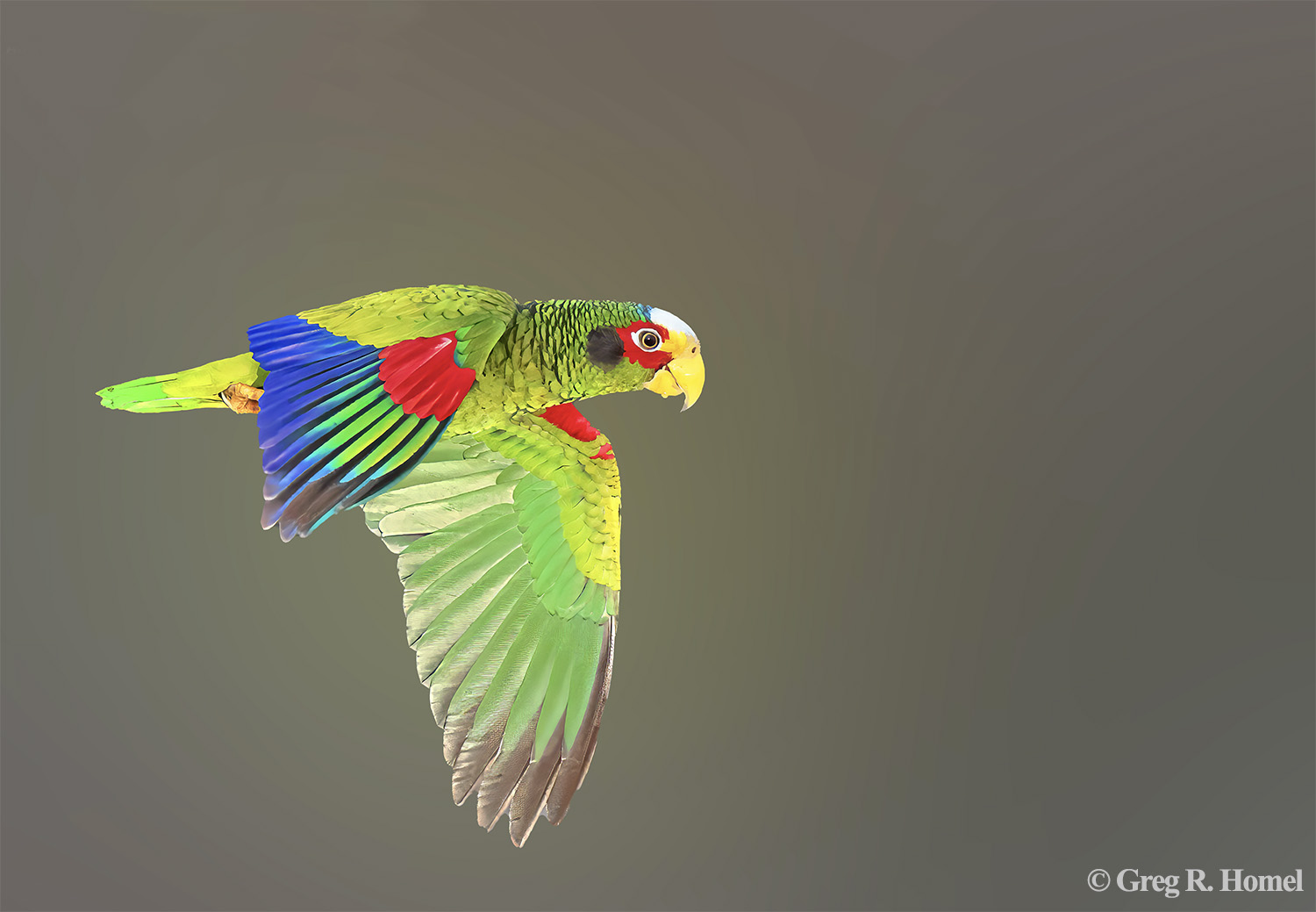
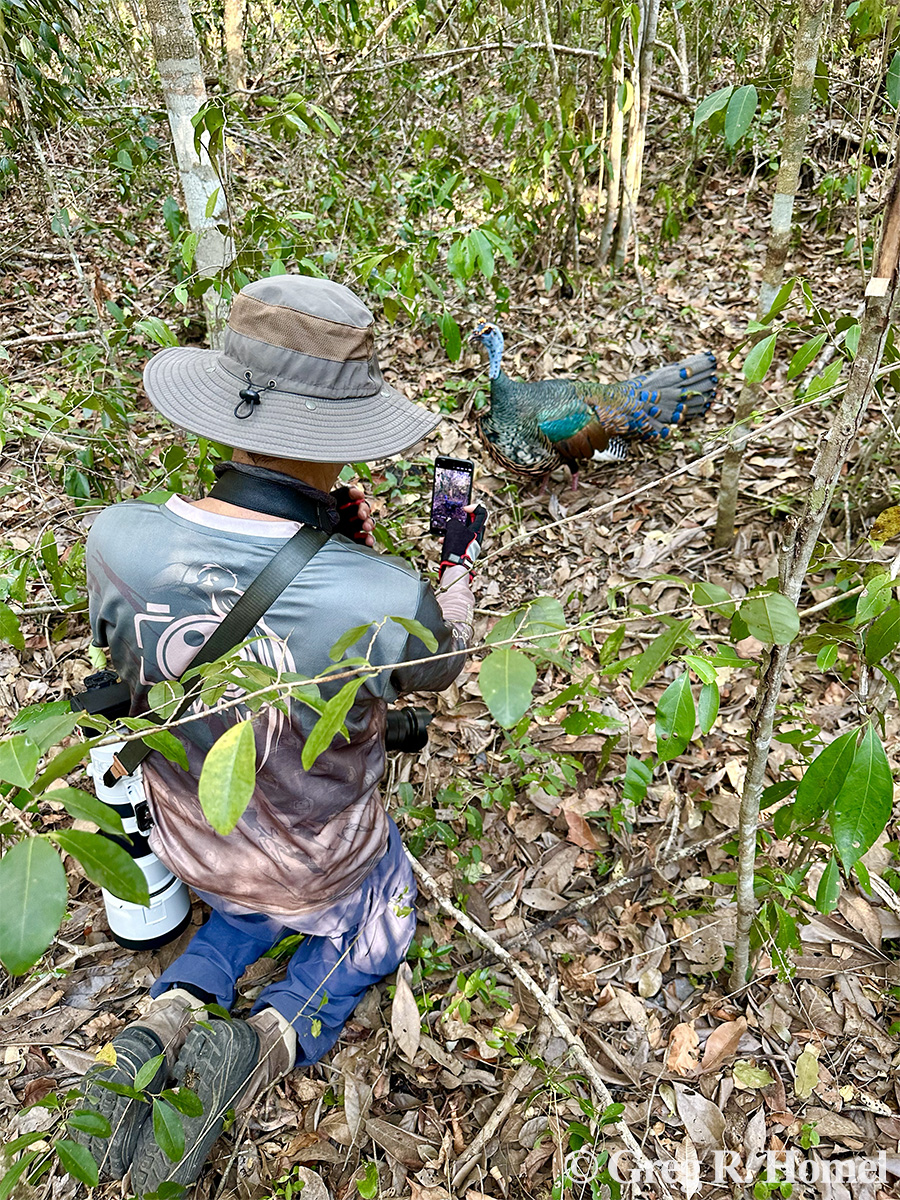
Part III—Mexico’s “Jaguar Forest”: The Calakmul Biosphere and Archaeological Reserve: We depart Dzilam de Bravo and head across the peninsula to Bacalar, Quintana Roo. Here we bird the Seven-Colored Lake and the forest. Then we go even more remote and exclusive by visiting what is perhaps the most extensive and unspoiled swath of tropical forest and tintal (flooded thorn forest), replete with ornate Mayan ruins so significant that the region has been designated a UNESCO World Heritage Site: the Calakmul Biosphere and Archaeological Reserve. Sightings of jaguars — the third-largest big cat in the world — are rare today in the reserve’s expansive 7,321 square km, but the birds here will not disappoint. 6 days/174+ recorded species/11 Yucatán endemics including Ocellated Turkey, Yellow-lored Amazon, Yucatan Poorwill, Yucatan Nightjar, Yucatan Woodpecker, Yucatan Flycatcher, Yucatan Jay, Rose-throated Tanager, Gray-throated Chat, Black Catbird, and Orange Oriole, etc.
PART IV—4-DAY OPTIONAL POST-EXTENSION: Guatemala: Lago Pétén Itza, Tikal National Park: Venture across the border to Mexico’s biodiverse southern neighbor, Guatemala, to experience Lago Petén Itzá and Tikal National Park. 4 days; 389 species; 10 Yucatán endemics.
Outline
Part I: Isla Cozumel (Days 1–3)
Day 1: Arrive on Isla Cozumel; birding in the afternoon.
Day 2: The first full day of birding on Isla Cozumel, with nocturnal birding.
Day 3: A second full day of birding on Isla Cozumel, with nocturnal birding.
Part II: North Yucatan, Yucatan & Quintana Roo States (Days 4–7)
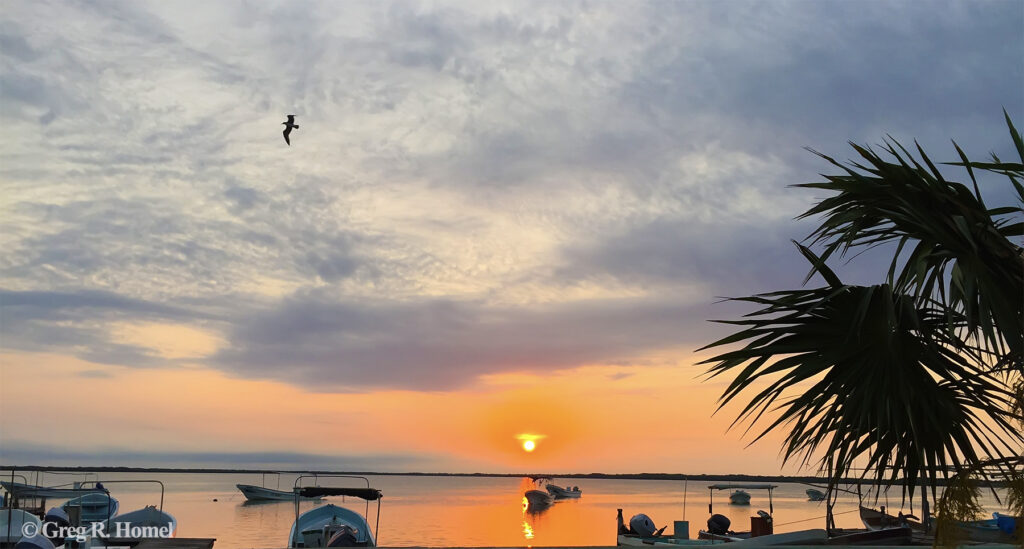
Day 4: Ferry crossing from Isla Cozumel to the Yucatán Peninsula, with overland transfer to Río Lagartos, Yucatán.
Day 5: Morning and afternoon birding by boat and on foot at Ría Lagartos Natural Park, Yucatán.
Day 6: A morning of flamingo photography at Las Coloradas Salt Ponds; in the afternoon, continue to Dzilam de Bravo, Yucatán.
Day 7: Morning and afternoon birding for Yucatán specialties at Dzilam de Bravo.
Part III: Calakmul and Chetumal (Days 8-14)
Day 8: Scenic overland transfer across the peninsula to Bacalar on the Caribbean coast of Quintano Roo, birding en route.
Day 9: Birding by boat on the Laguna de los 7 colores (Lagoon of the Seven Colors) at Bacalar, Quintana Roo.
Day 10: Scenic transfer overland from Bacalar to Hotel Puerta Calakmul, at the entrance to Calakmul Biosphere Reserve, with birding en route and on site. Afternoon visit to Cueva de Murciélagos, with nocurnal birding tonight.
Day 11: During our transfer to Hotel Tren Maya, we bird along the first 42 km of the 64 km access road linking Hotel Puerto Calakmul with the Calakmul ruins, deep within the biosphere reserve
Day 12: Second full day of birding within Calakmul’s extensive forest, with an early-morning visit to the Calakmul archaeological site.
Day 13: Visit the ruins in the early morning, followed by a scenic drive to Chetumal on the Caribean coast, near the border with Belize.
Day 14: Morning birding on the Caribbean coast at Chetumal ahead of flights from Chetumal International Airport (CTM) to Mexico City for either your home-bound connections or to join us in Guatemala for the post-extension (Part IV).
Part IV: Optional Post Extension: Tikal, Guatemala (Days 14–18)
Day 14: If participating in the Tikal, Guatemala post-extension, we overnight in Mexico City.
Day 15: In the morning we board our flight from Mexico City to Guatemala City, where we catch a commuter flight to Flores. We meet our local guide, Luis Oliveros, and check in at our hotel. Embark on our first Yellow-breasted Crake expedition on Lago Petén Itzá in the afternoon.
Day 16: Morning, another visit by boat to the west end of Lago Petén Itzá for the Yellow-breasted Crake and other exciting aquatic birds. Overland journey to Tikal National Park, Petén, for our first day of birding there.
Day 17: Full day of birding at Tikal National Park, Guatemala, with a visit to the hidden canopy tower to search for canopy birds in the deep rainforest of the Maya Biosphere Reserve.
Day 18: Morning commuter flight from Flores to Guatemala City to connect with your international homebound flights.
Part I: A Bit of the West Indies in Mexico, Isla Cozumel (Days 1–3)
Day 1
Welcome to Isla Cozumel, a West Indian island on Mexican turf, just 12 miles (25 km) off the east coast of the Yucatán Peninsula. Afternoon arrival at Cozumel Internatinal Airport (CZM). (Direct flights are available from various U.S. gateways and Mexico City.) After you clear the welcoming Mexican immigration and customs, Greg Homel and his team will whisk you to a lovely beachside hotel nearby, on the island’s placid Caribbean coast. The Mayan name of Isla Cozmel, Ah Cuzamil Peten, means “Island of the Swallows,” so you can be sure that this is a marvelous place to bird!
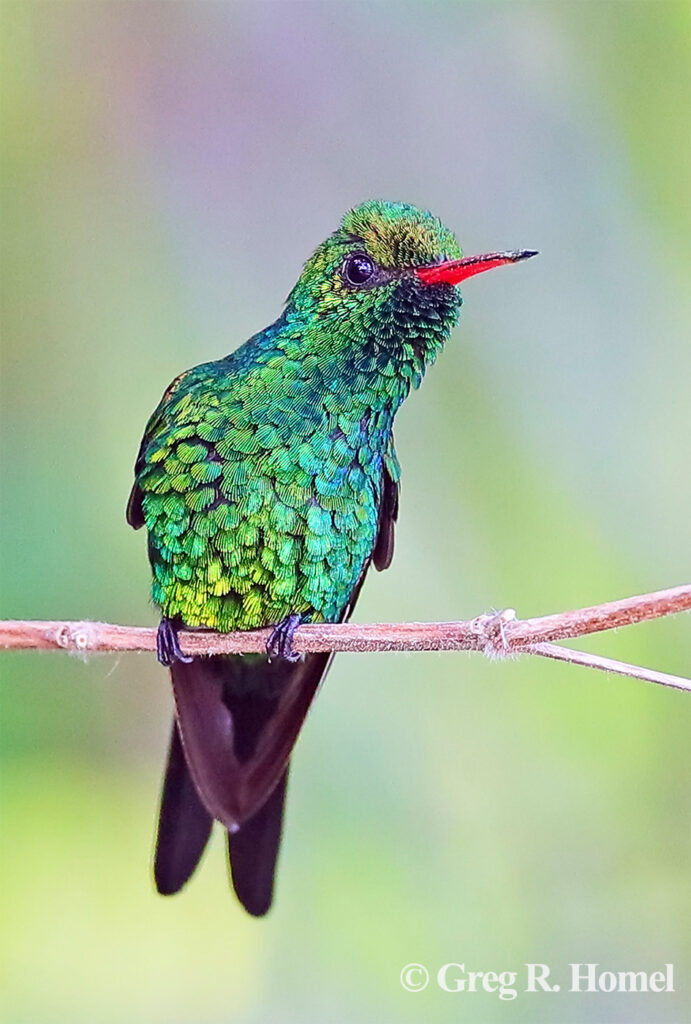
Compared to the touristy enclave of Cancun, arrival at Cozumel is laid back and one of the best ways to immerse ourselves in the great Yucatán biome of Mexico. Here, three species of limited-range endemic birds await: the Cozumel Emerald, Cozumel Wren, and Cozumel Vireo. Prior to 2007, there was a fourth: the Cozumel Thrasher, formerly common but now extinct due to the combined effects of Hurricane Gilbert (November 1988) and introduced Boa Constrictors, proving that we should never take for granted that island species, no matter how common, will always be there.
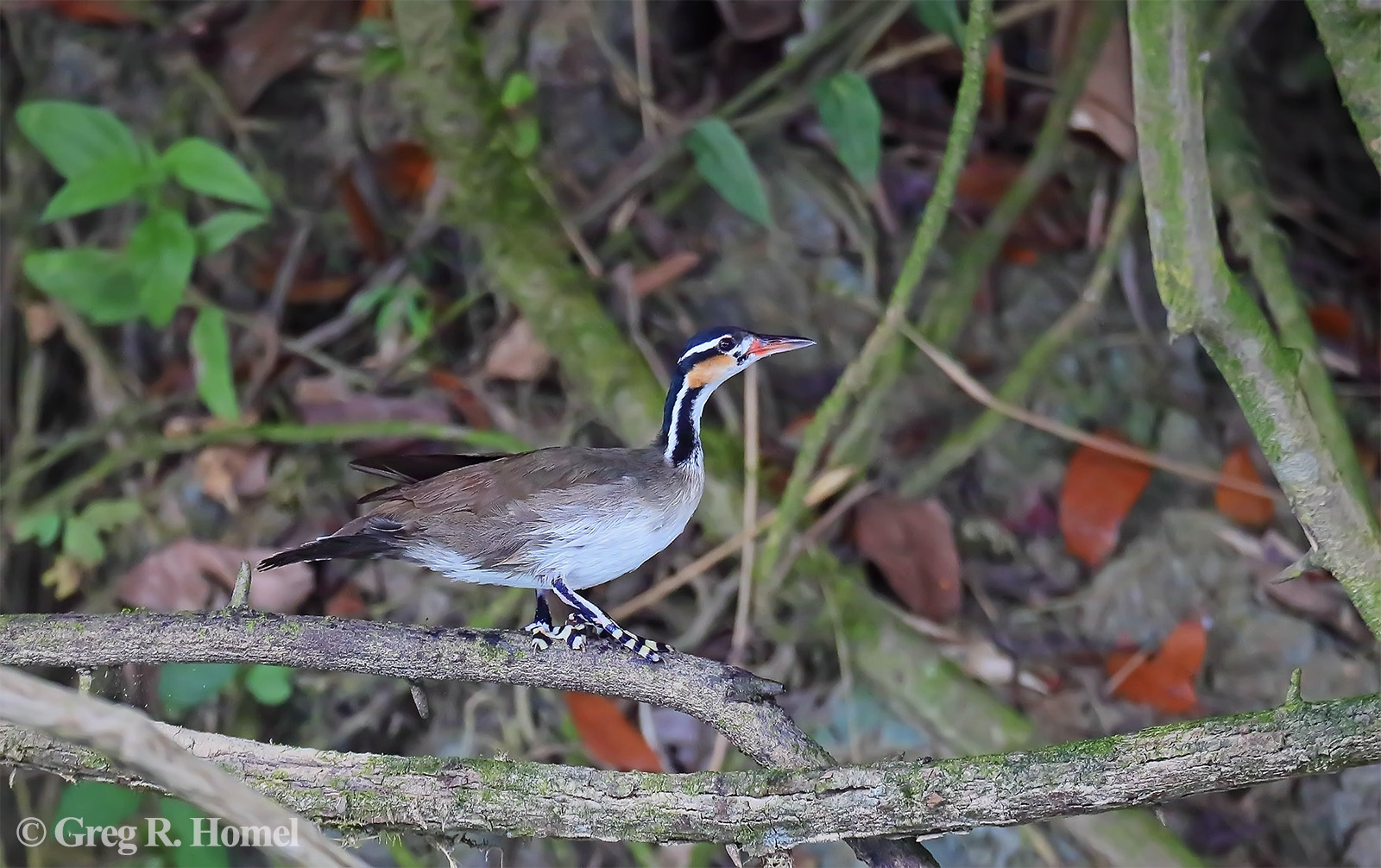
Here, too, are many endemic subspecies of birds including but not limited to Great Curassow (endangered), Roadside Hawk, Yucatan Woodpecker, Golden-fronted (Velasquez’s) Woodpecker, Yucatan Flycatcher, Dusky-capped Flycatcher, Bright-rumped Attila, Blue-gray Gnatcatcher, Bananaquit, Mangrove Yellow Warbler (Golden type, likely a separate species), Rufous-browed Peppershrike, etc. The island is also one of the best places to see and photograph Ruddy Crake and is also home to the Yucatán endemic Yucatan Nightjar, Yucatan Vireo, and Black Catbird, in addition to many warblers that primarily spend the winter in the West Indies, such as Palm, Cape May, and Prairie warblers, etc.
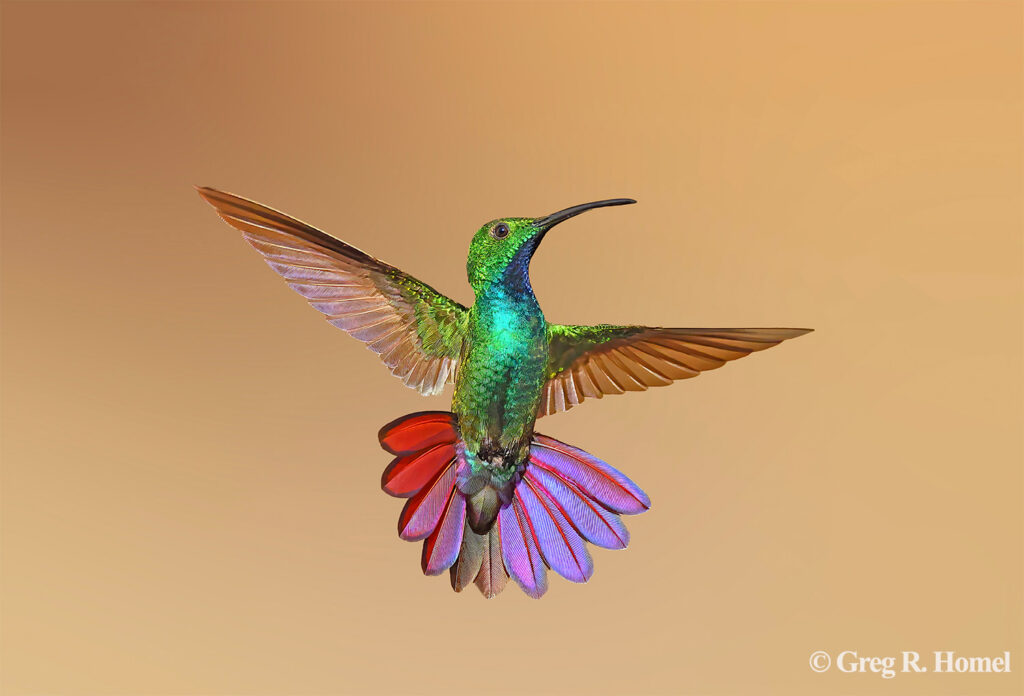
Our lodgings, which overlook the crystal-clear Caribbean Sea, offer hummingbird feeders that attract Green-breasted Mango, Cozumel Emerald, wintering Ruby-throated Hummingbird, etc. Caribbean Dove is also common here.
Lodging at Hotel Villablanca Garden Beach.
Days 2–3
Next we enjoy two full days of birding on Isla Cozumel, at one or both of the island’s primary archaeological sites — San Gervasio and El Cidral — and several of the island’s best birding hotspots. Both archaeological sites are surrounded by the Cozumel Biosphere Reserve, where, since 1987, Greg has learned all the top birding hotspots, which he will share with you during this expedition.
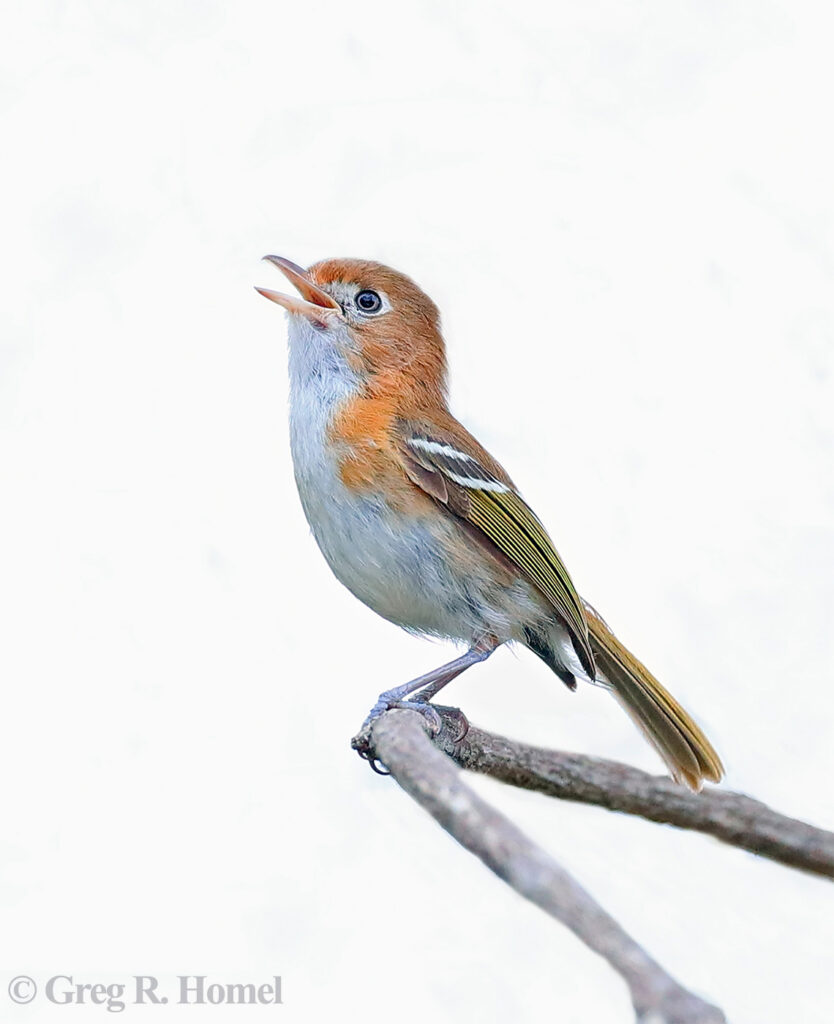
One of these is Bello Caribe, one of the best places to observe Ruddy Crake, Cozumel Vireo, and Mangrove Cuckoo, among others.
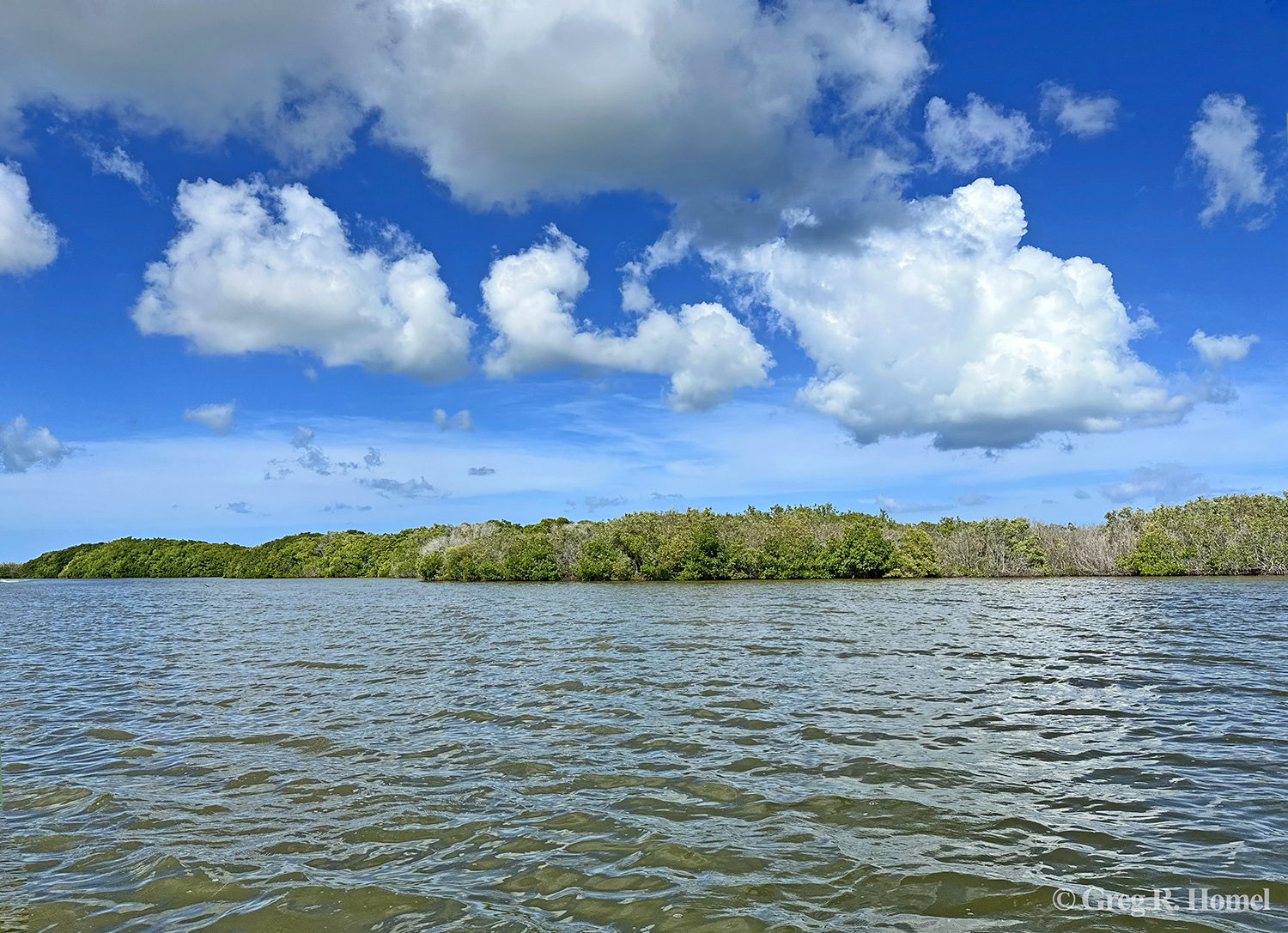
Another is the Mangrove Ecosystem Observation Tower (Torre de observación de manglares y embarcadero) near the Isla Passion (Passion Island) dock. The tower overlooks a beautiful, bird-rich mangrove forest located across a strait that separates Cozumel from the cay called Isla Passion.
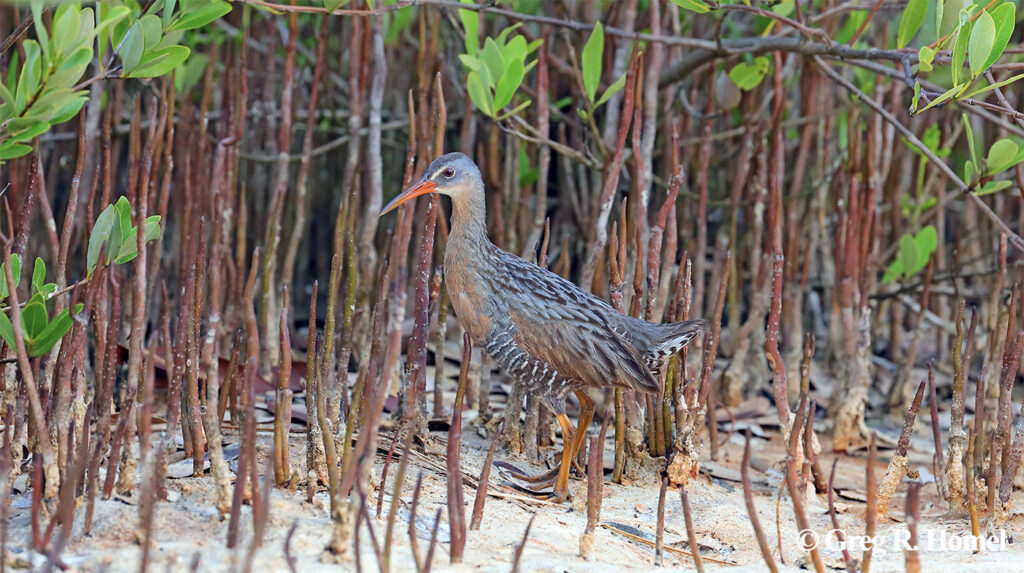
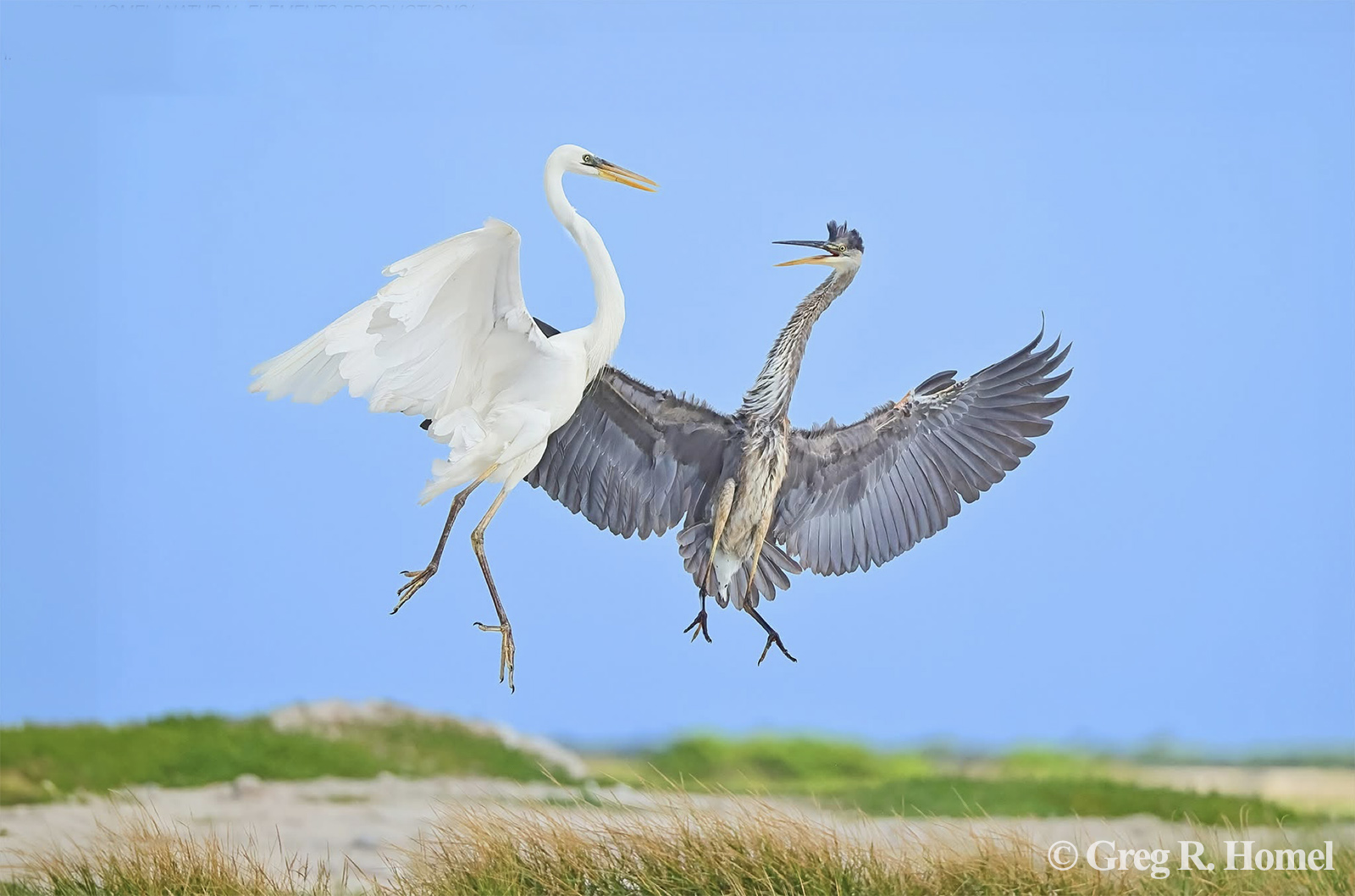
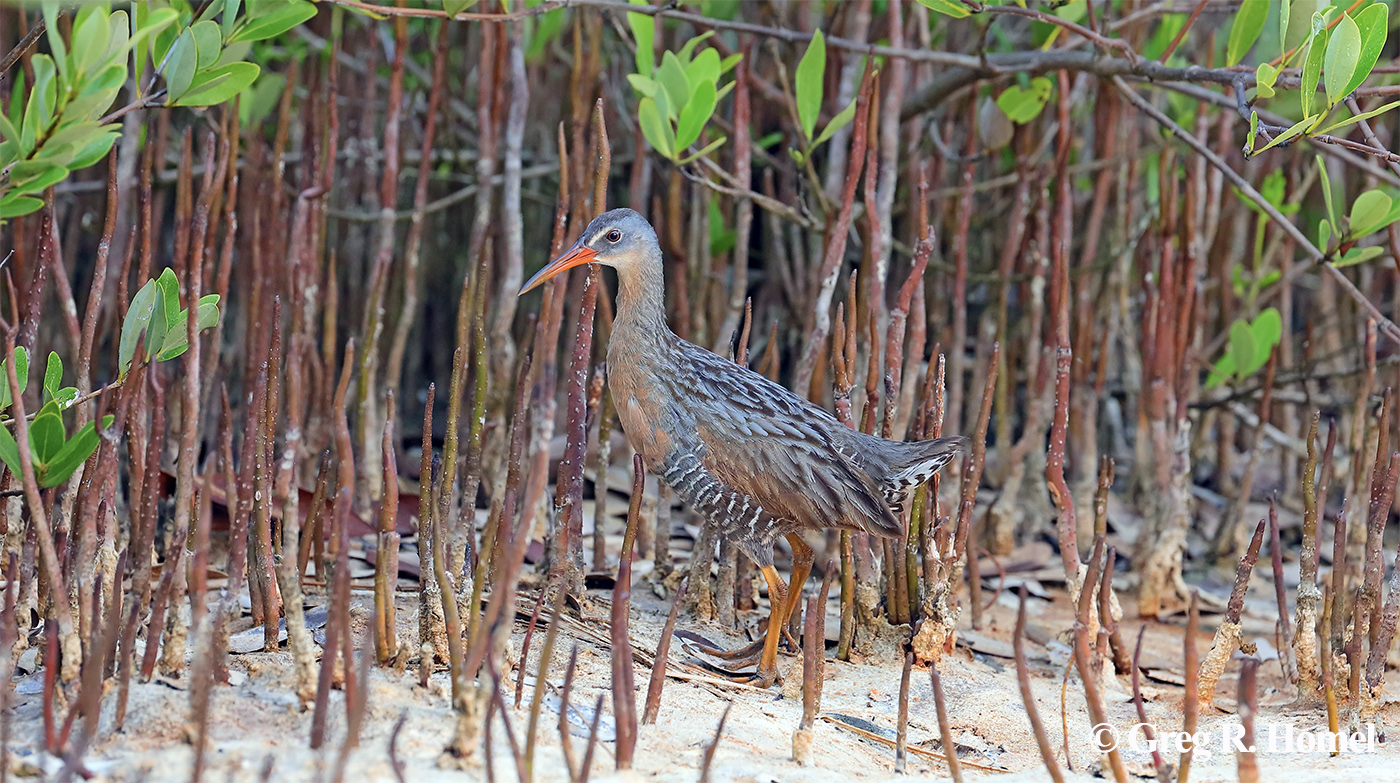
Clapper rails — of an endemic and quite colorful race — are easily called into the open here, along with the abundant “Golden Warbler,” a race of Mangrove Yellow Warbler found on Cozumel, Cuba, and, believe it or not, the Galapagos Islands — but not the peninsulas of Florida (USA) or Mexico’s adjacent Yucatán. Cozumel is truly a blend of the Caribbean and Mexican biogeographical regions!
By the time we finish our time in the mangroves that surround that observation tower, the nearby ruins of San Gervasio will be opening to the public, so we will switch gears to take in a little Mayan archaeology for the remainder of the morning. The ancient city was a center of worship of Ix Chel, a goddess of childbirth and medicine depicted as an old woman or a jaguar. Its Mayan name, Tantun Cuzamil, means “Flat Rock in the Place of the Swallows.” After exploring this place of Mayan pilgrimage, we then return to the comfort of our hotel for a sumptuous Yucateca lunch, followed by a relaxing siesta, which can be spent resting in the comfort of your hotel room or lounging in and around the hotel’s inviting swimming pool, drinks in hand.
Get used to these midday siestas! When it becomes hot, we’ll do what the locals do: enjoy a midday rest at our hotel.
In the mid-afternoon, when temperatures fall, we will continue our exciting exploration of Cozumel, such as with a birding visit to the charming community of El Cedral, adjacent to another Mayan site of the same name built around 800, which makes it the oldest ruin known on the island.
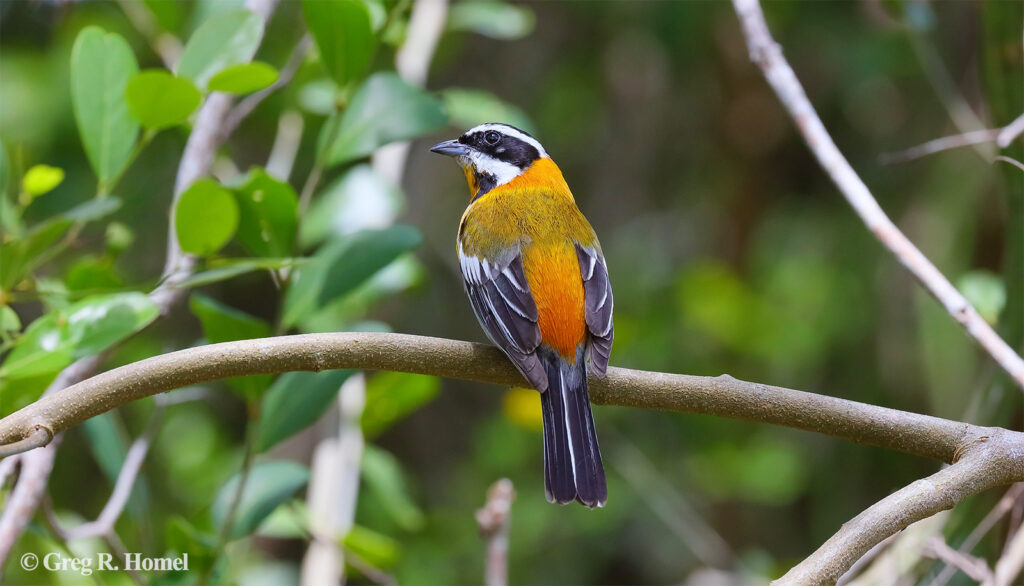
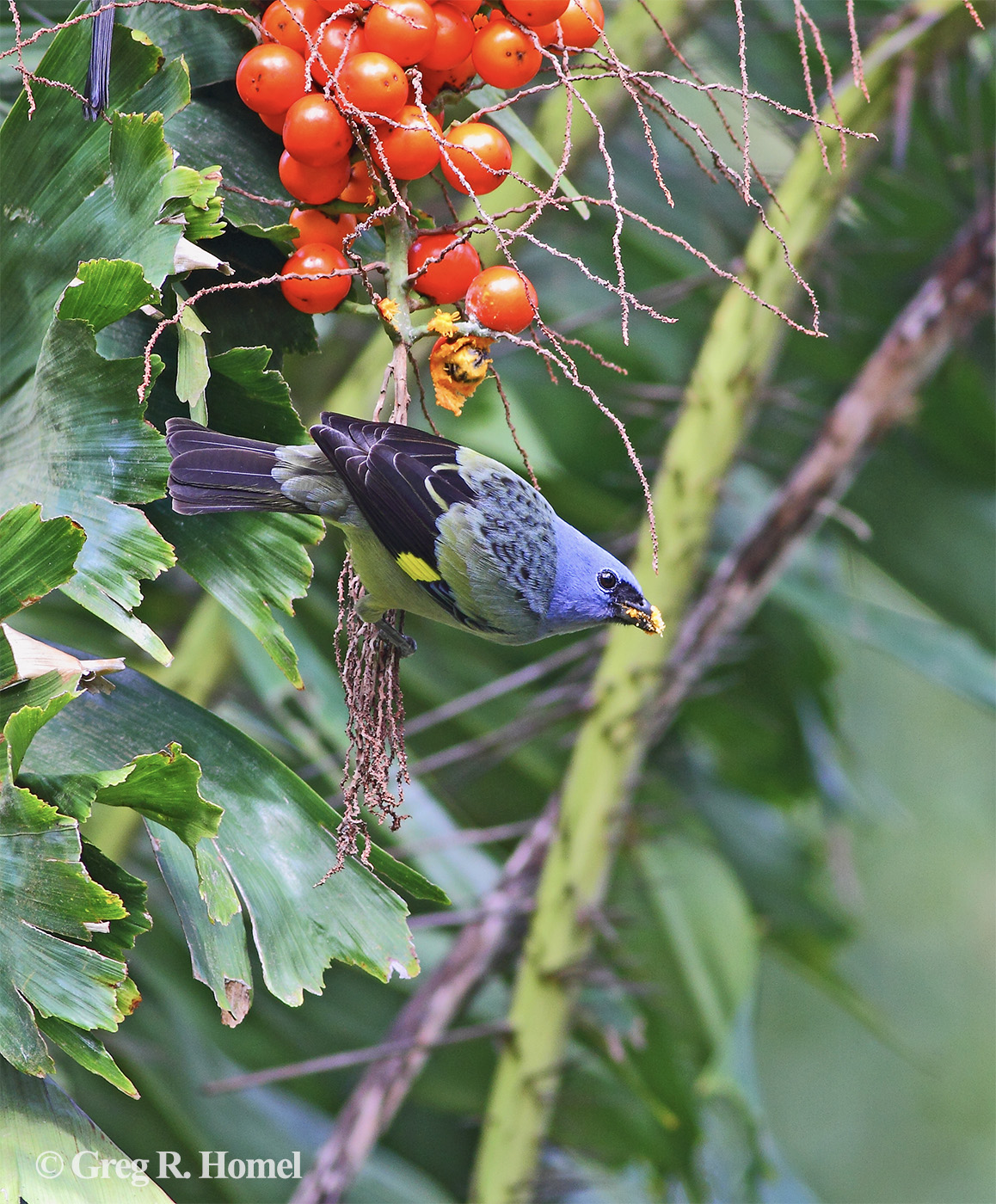
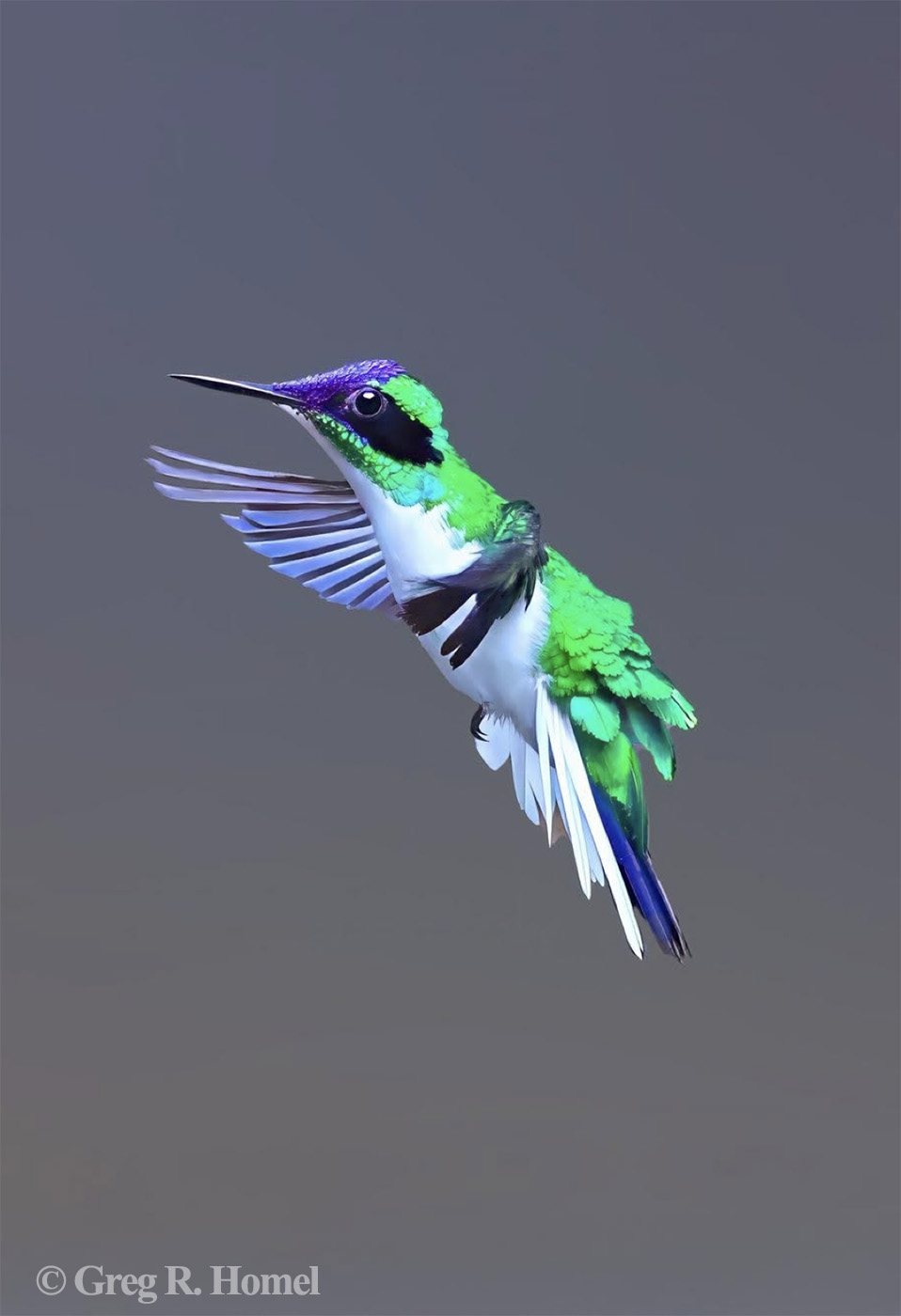
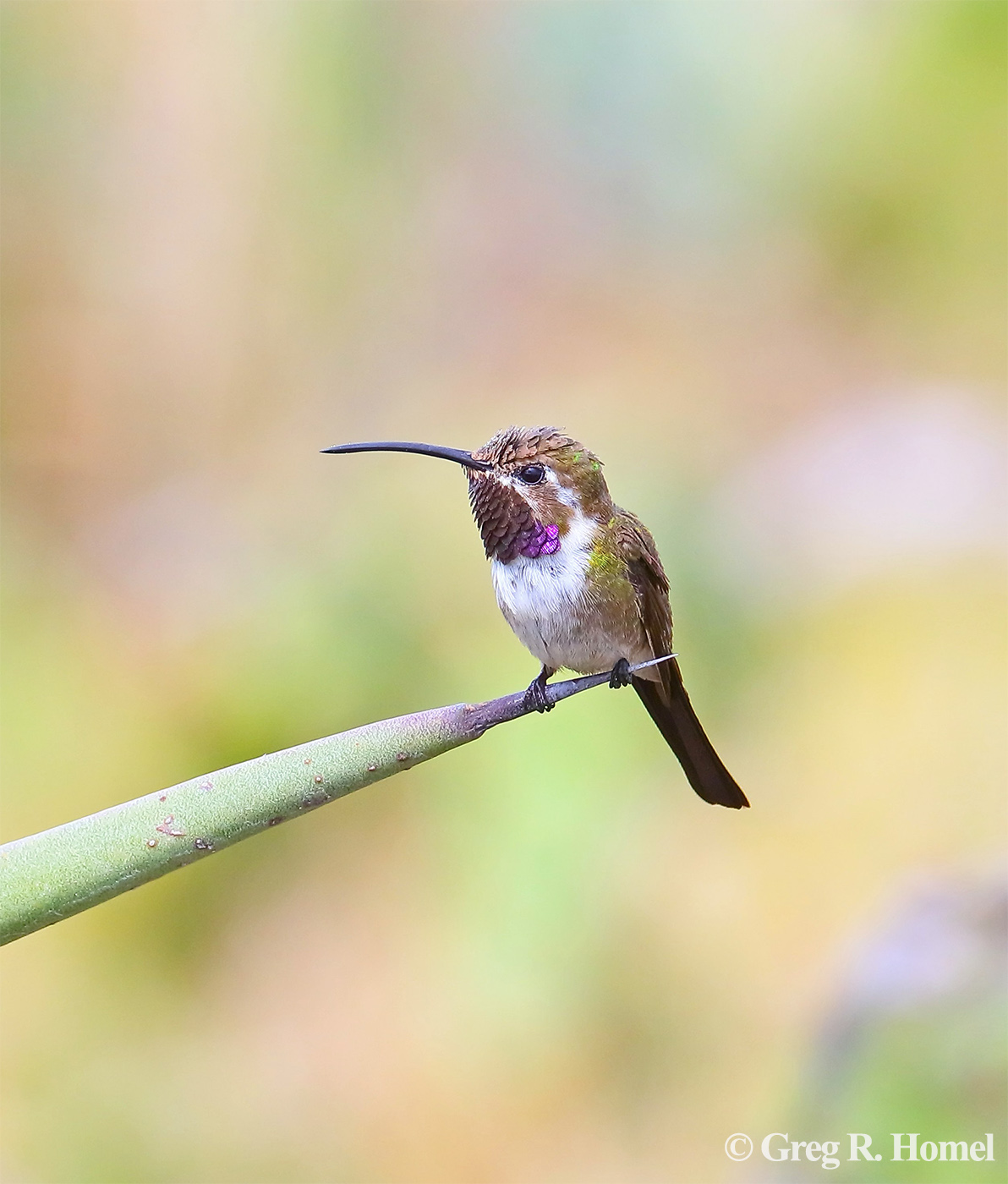
Perhaps the best thing about this quiet community — from a birding standpoint — is its pleasant, lush, flowery gardens and coconut plantations, which attract a wide variety of interesting migratory, resident, and endemic birds. El Cedral is perhaps the best place on the island to see the flashy endemic Cozumel Emerald (a hummingbird with an amazingly long, forked tail) and White-crowned Pigeon, in addition to the very colorful endemic race of Western Spindalis, a West Indian Tanager more typical of Cuba, the Bahamas, and Jamaica than Mexico…. This species is at its westernmost outpost on Cozumel, and we will seek out this beautiful bird!
We will dine on the malecon of San Miguel de Cozumel, the island’s main town, where we will take after-dinner strolls to watch the often-festive nightlife, which might include live mariachi, Caribbean, or popular music, inspiring visitors and residents alike to dance under the stars. It’s usually very lively and a lot of fun. You can join in if you want!
Lodging at Hotel Villablanca Garden Beach.
Part II: Birding Paradises of the North Yucatan, Yucatan & Quintana Roo States (Days 4–6)
Day 4
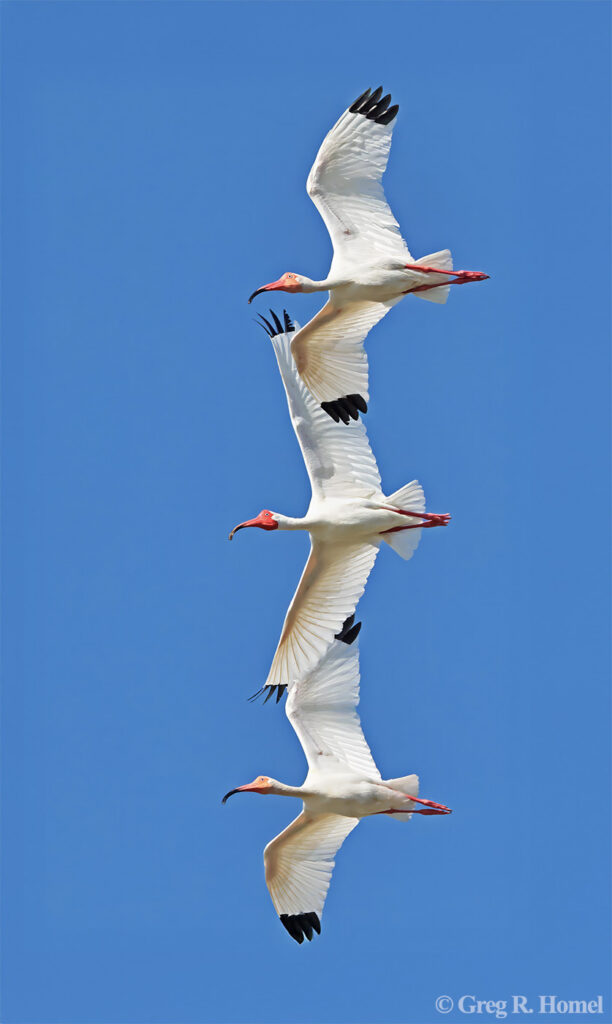
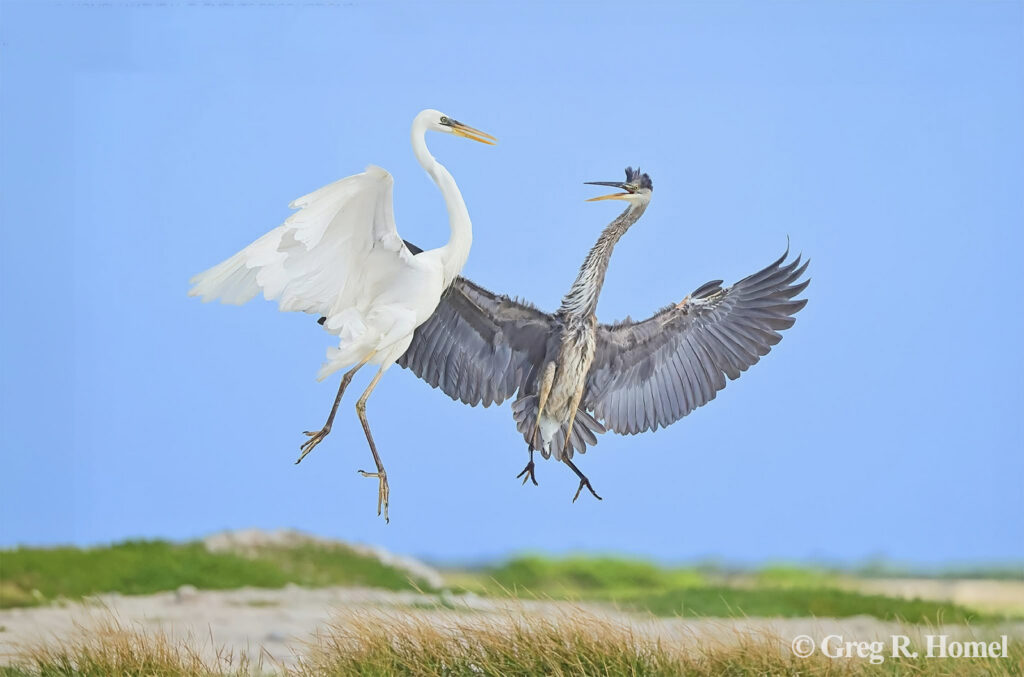
We enjoy birding from the deck of the Cozumel-Porto Calica car ferry as we cross from Isla Cozumel to the Yucatán proper (25 km, 1 hr), followed by an overland transfer (245 km, 3 hrs 42 mins) across the northern Yucatán to visit Ría Lagartos Natural Park, which, combined with nearby Celestun Natural Park on the peninsula’s west side, is home of the world’s largest and most photographable colonies of American Flamingos, in addition to many Yucatán endemics.
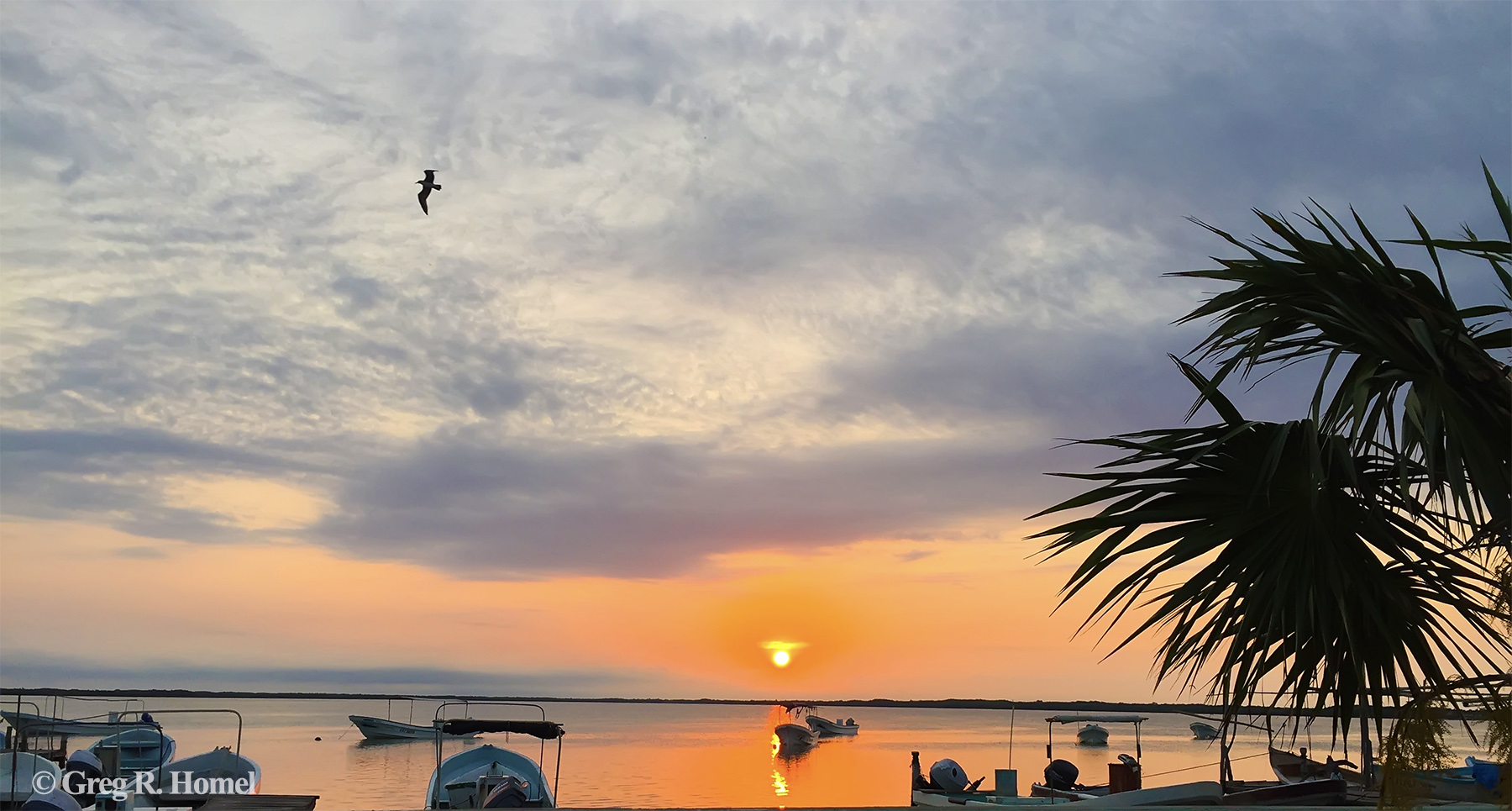
Our hotel overlooks the Rio Lagartos lagoon.
Lodging at the Hotel Río Lagartos, Río Lagartos, N. Yucatán
Day 5
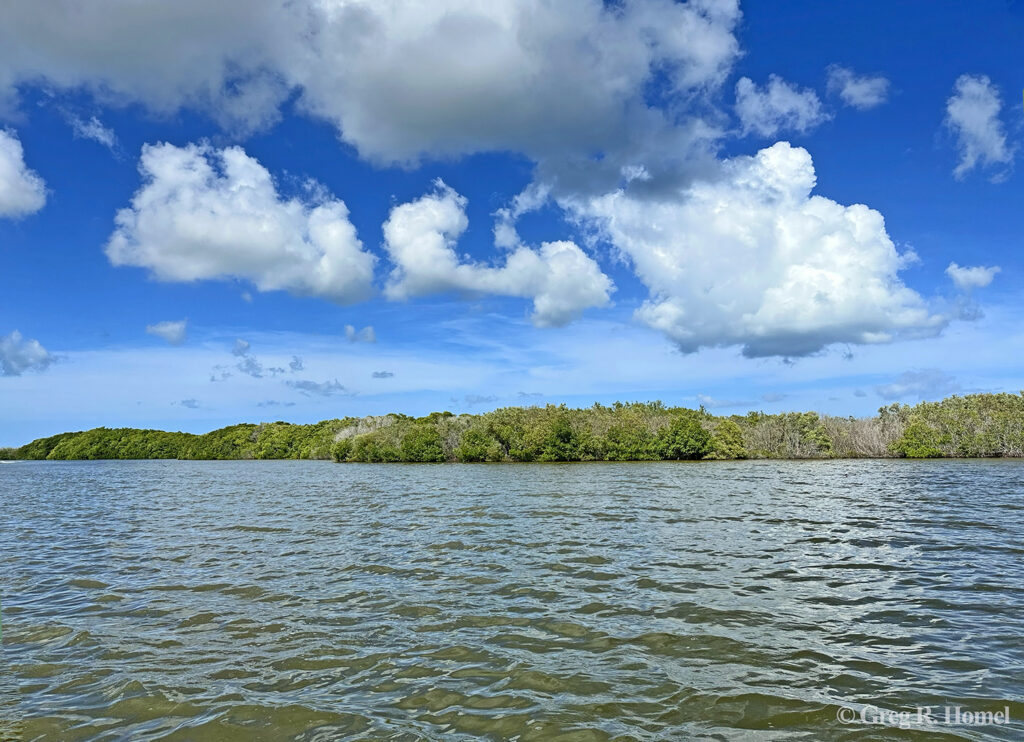
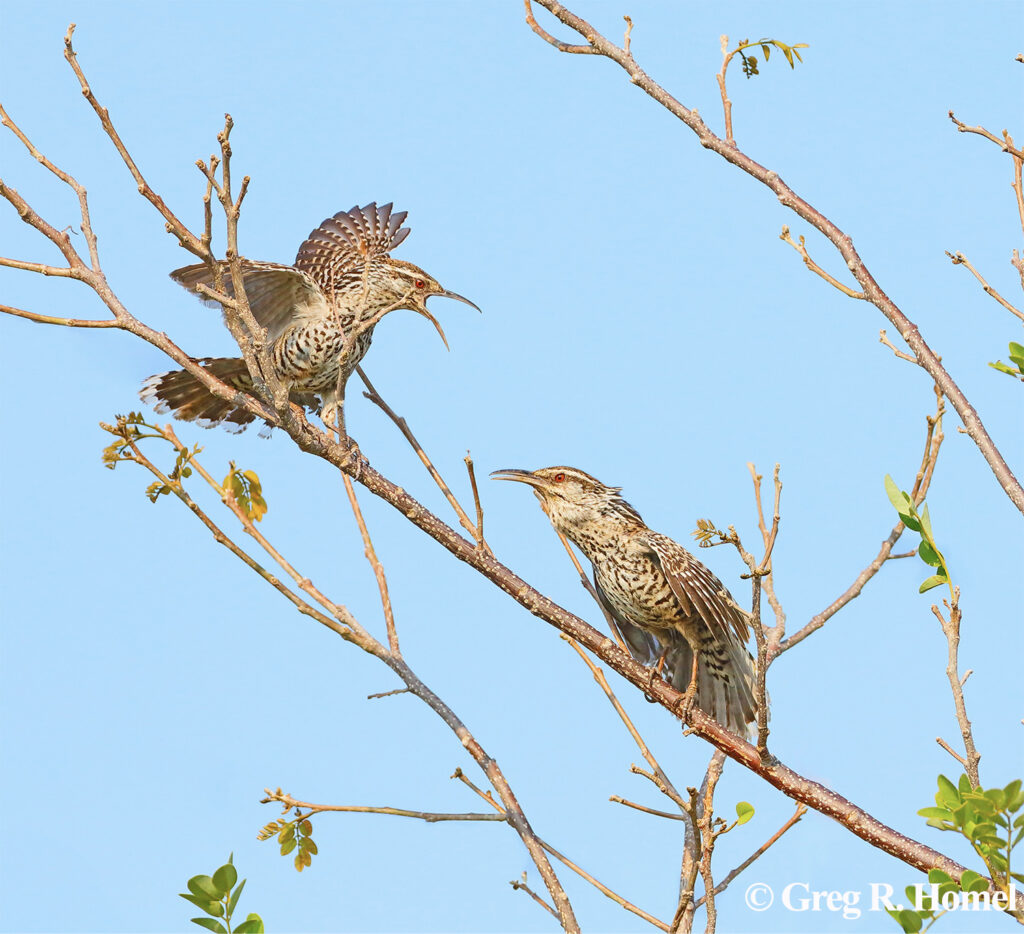
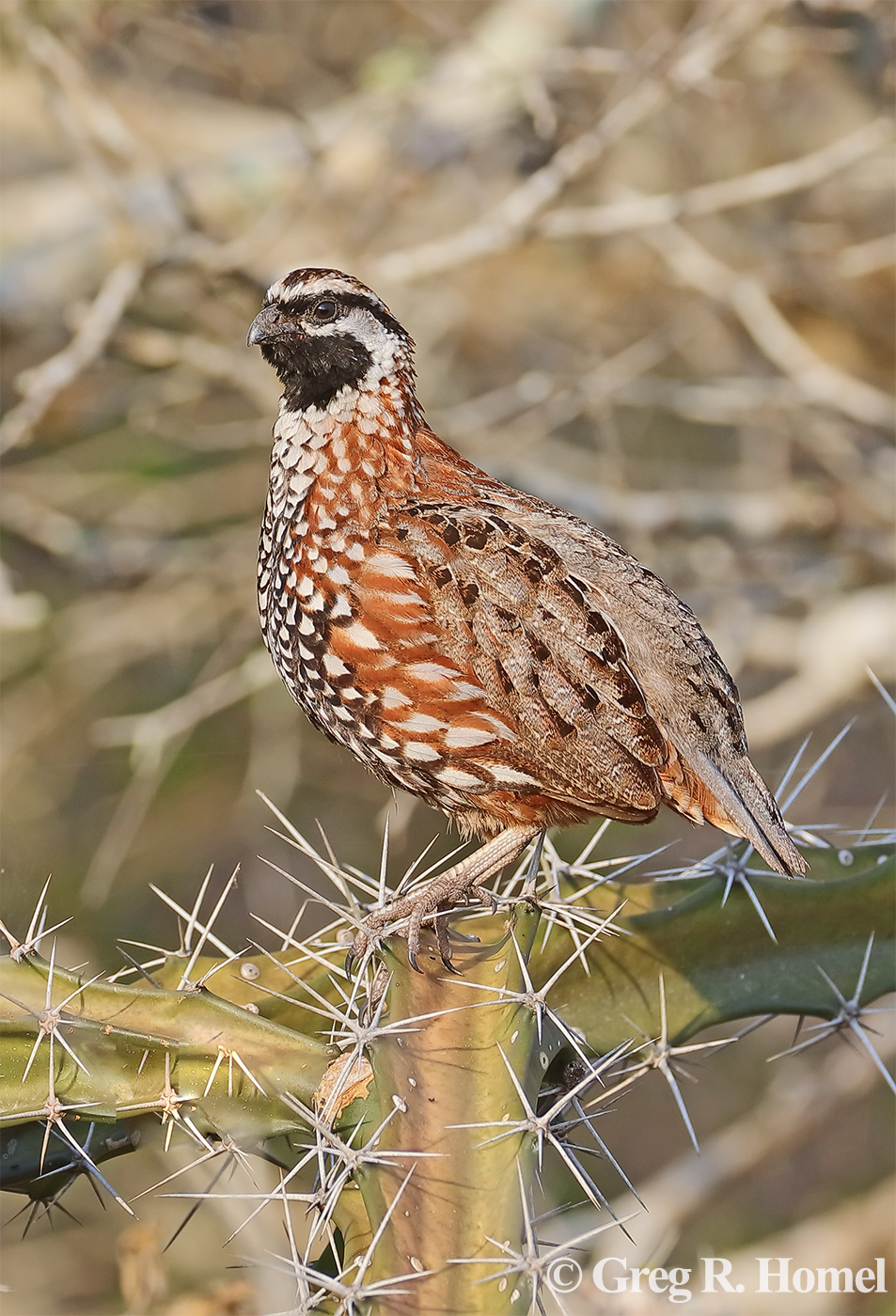
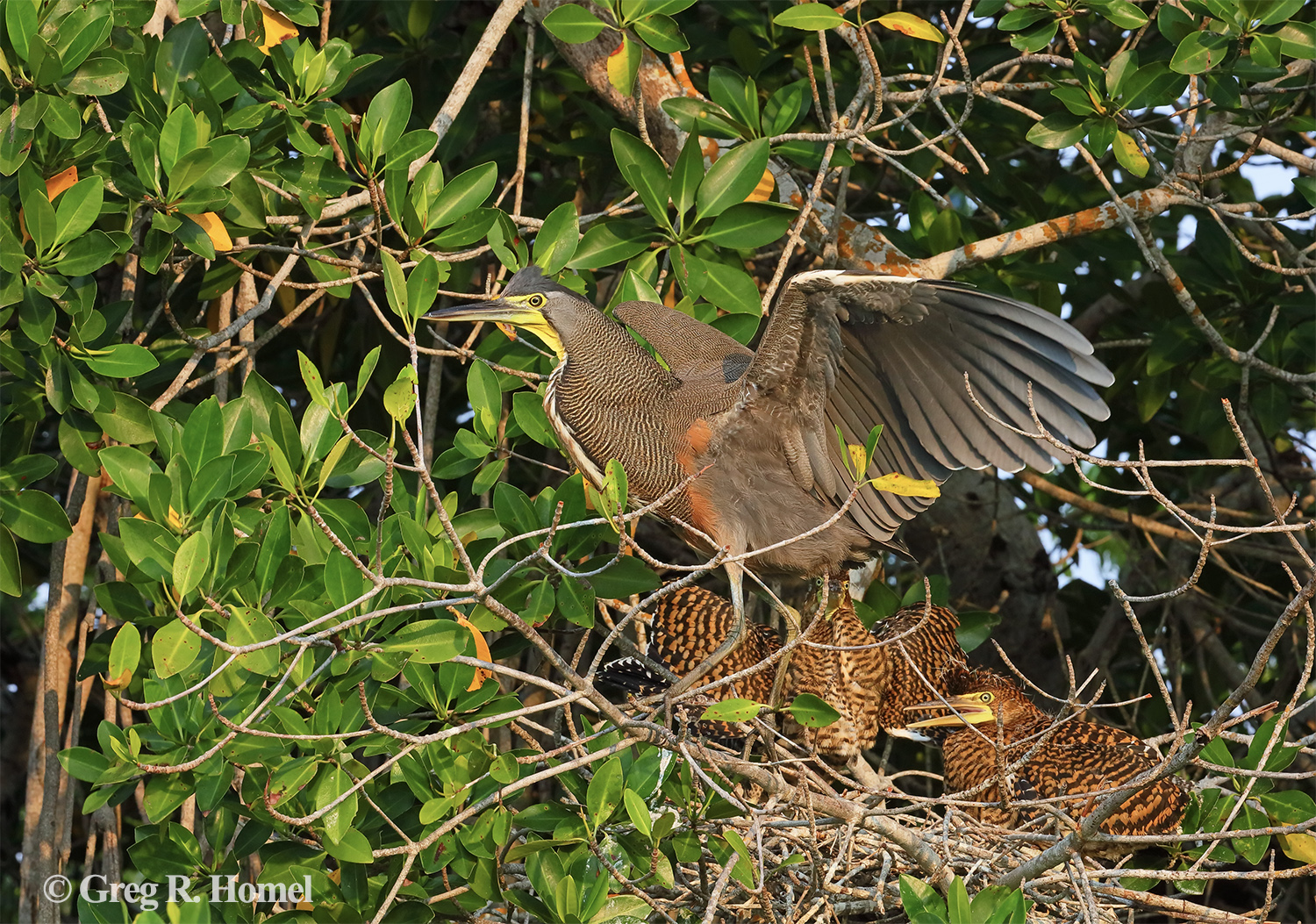
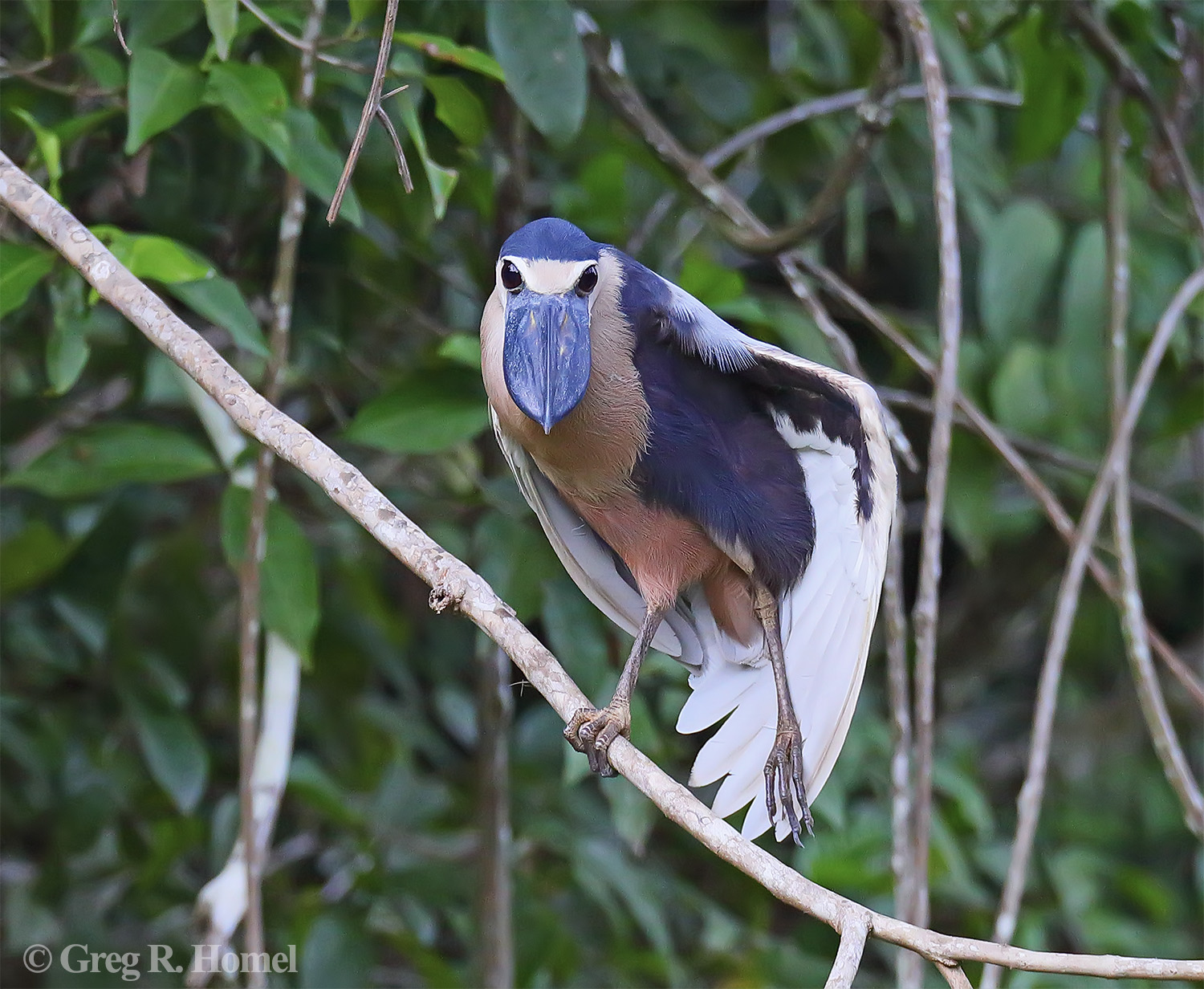
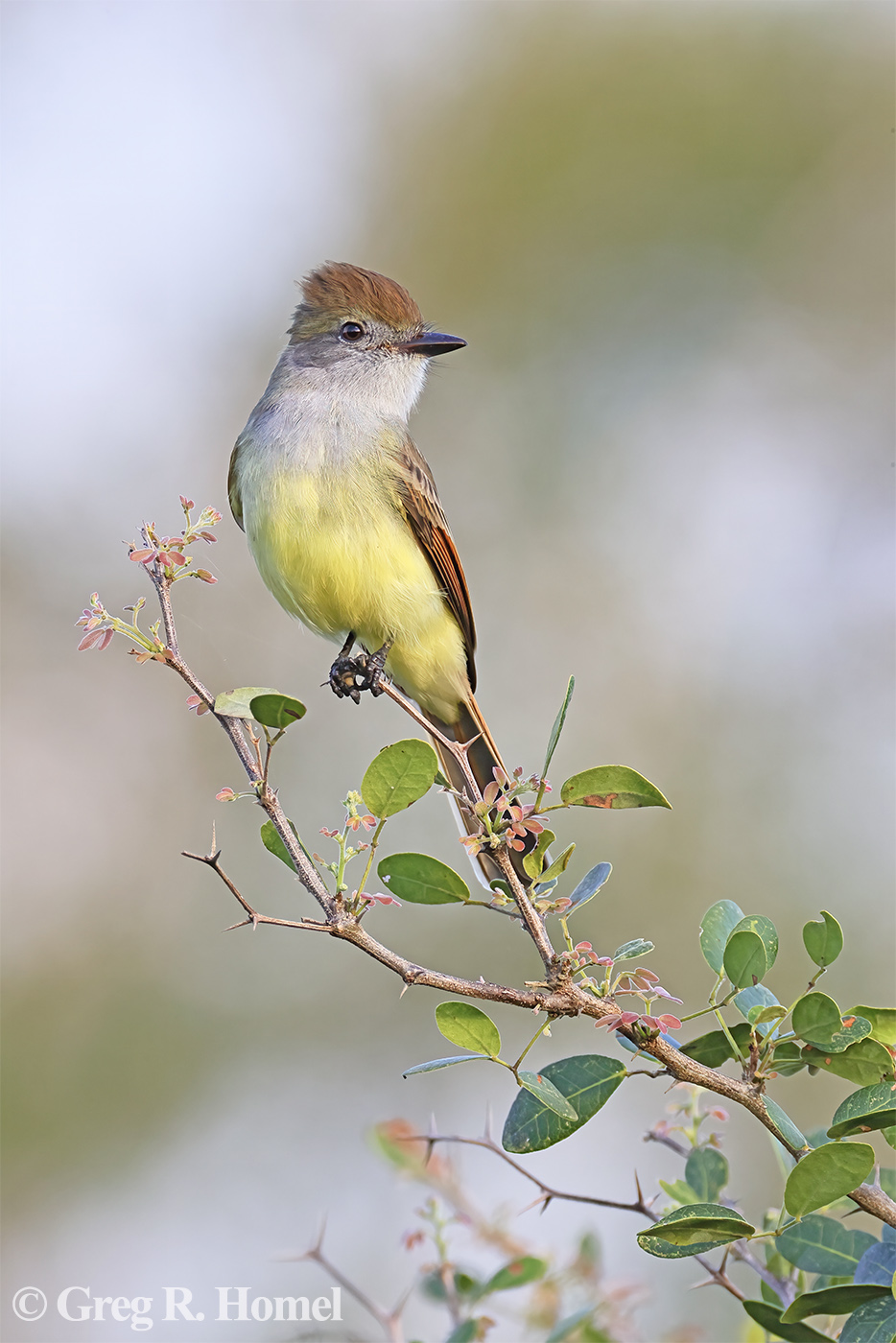
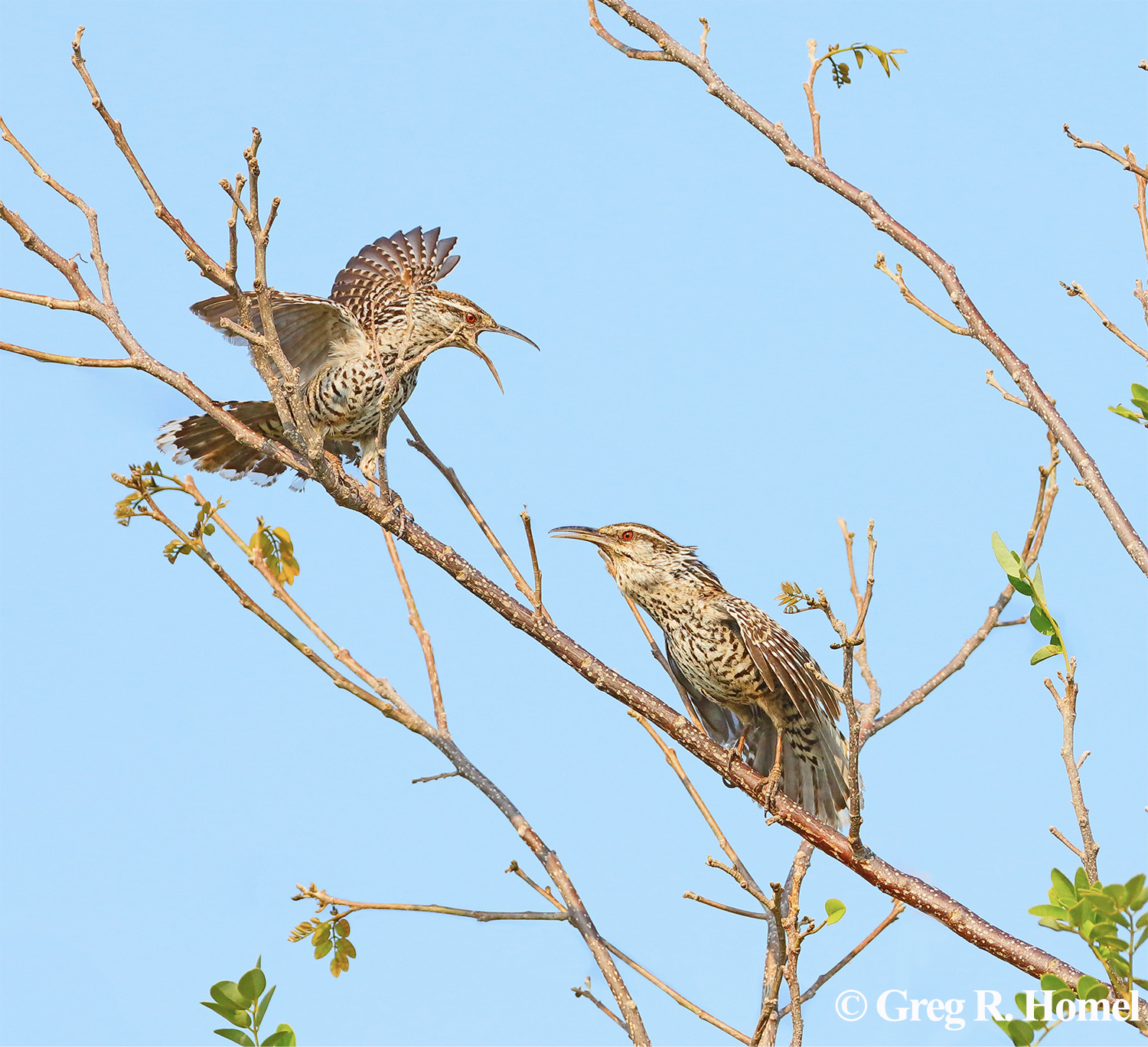
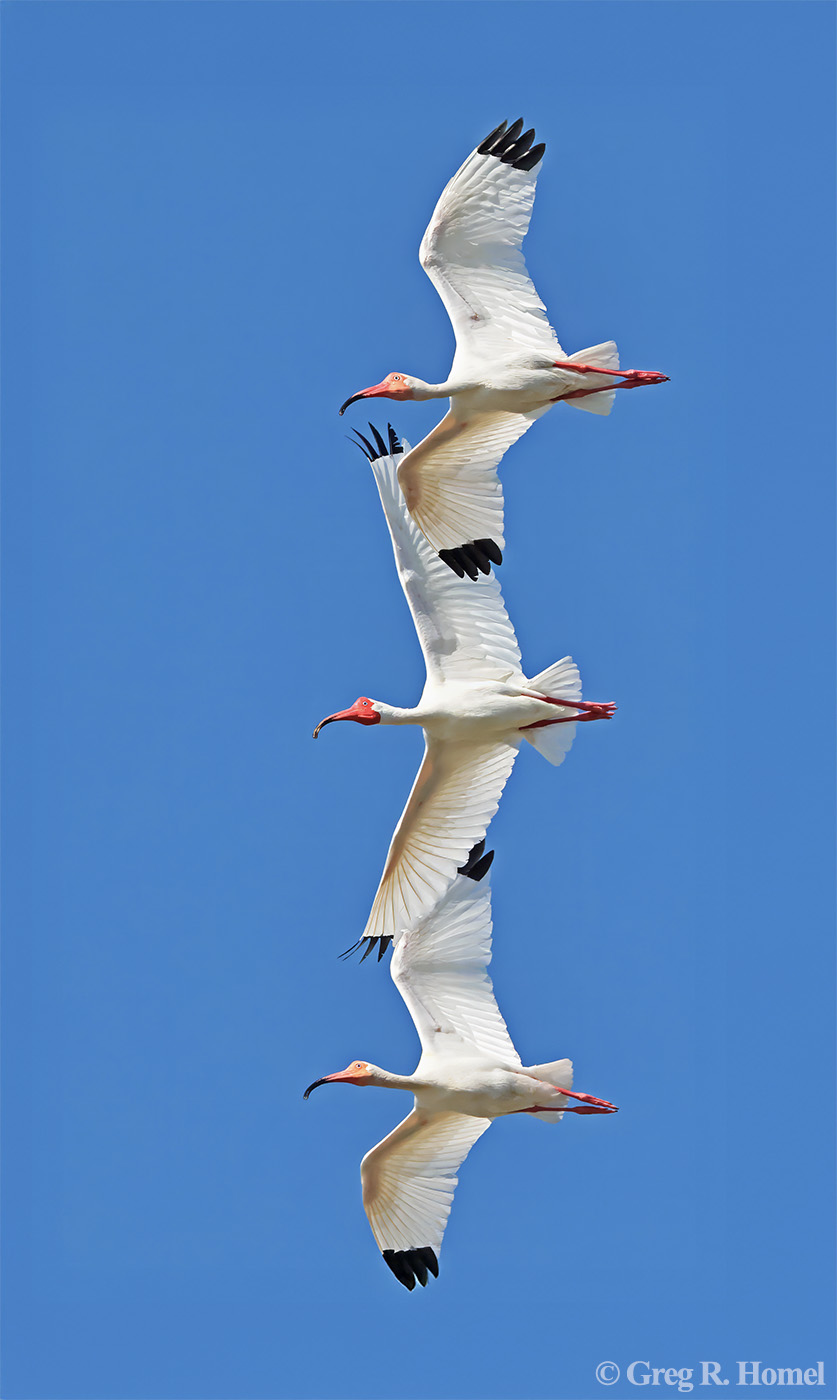
Morning and afternoon birding by boat and on foot at Ría Lagartos Natural Park, where a wide variety of exciting limited-range Yucatán endemics, such as Mexican Sheartail, Yucatan Bobwhite, Yucatan Wren, Yucatan Flycatcher and sometimes the Yucatan Gnatcatcher, as well as Orange Orioles and a plethora of resident and wintering shore, aquatic, and songbirds are often encountered. Brown and American White pelicans, Magnificent Frigatebird, a dozen species of herons — including Bare-throated Tiger and Boat-billed herons — Roseate Spoonbill, Stilt Sandpiper, rare Piping Plover, Clapper Rail (Yucatan form), Black Skimmer, and up to three species of kingfishers (with American Pygmy being the most exciting), etc. are in store for us.
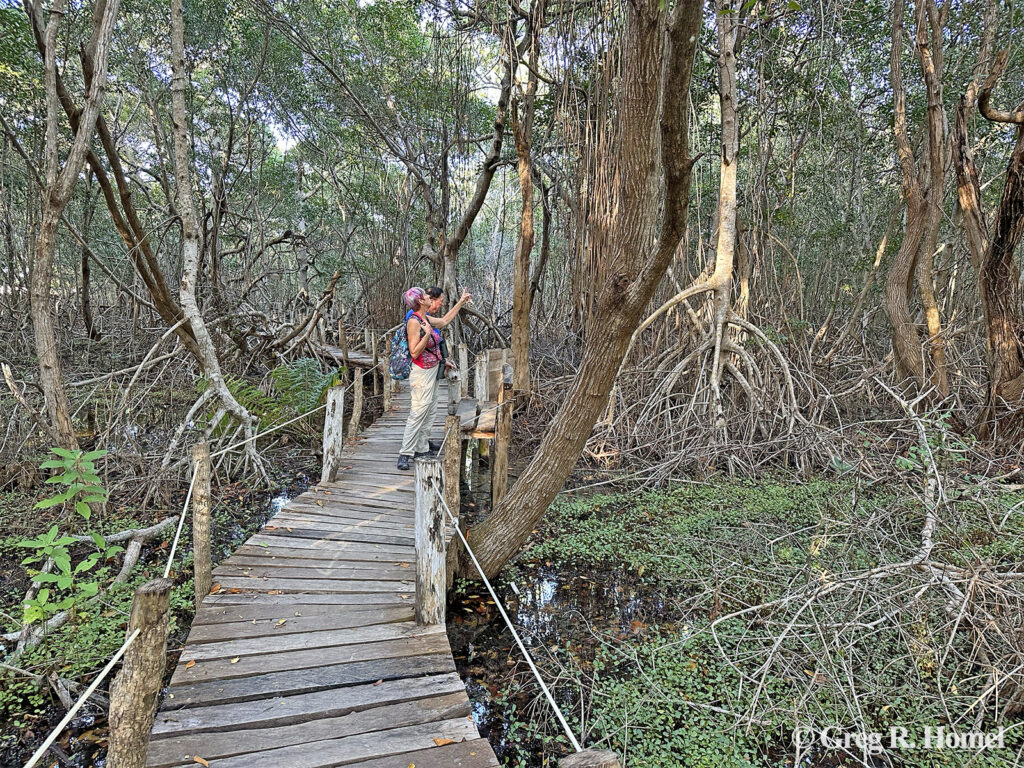
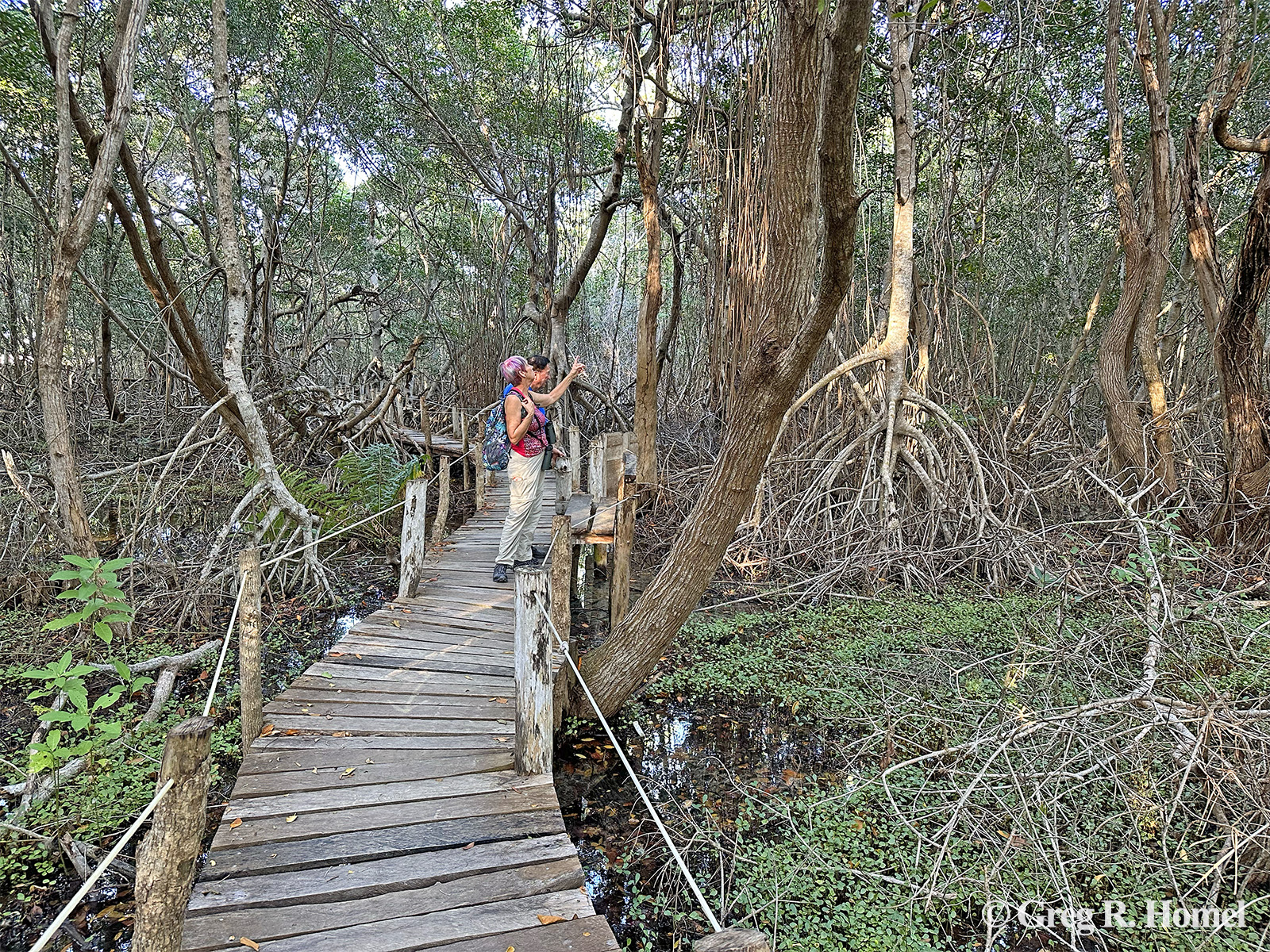
At Senderos Petén Mac and Petén Tucha, boardwalks lead into the mangroves, providing access to a sweet-water spring and cenote, respectively, where abundant birds and endemic Morelet’s Crocodiles can be seen.
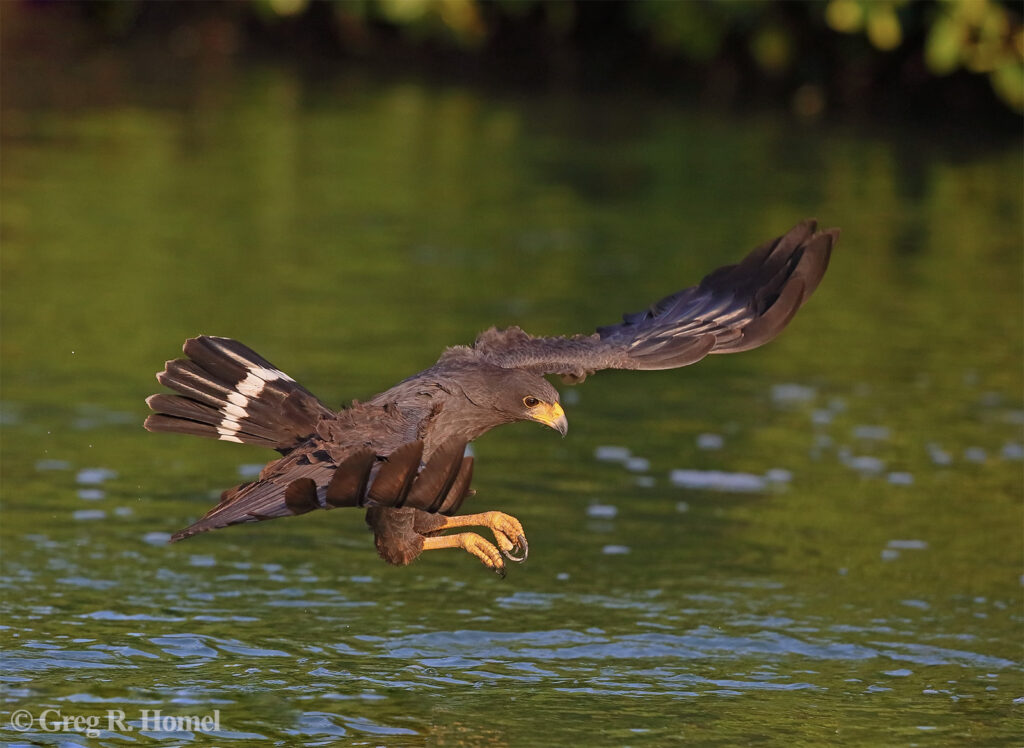
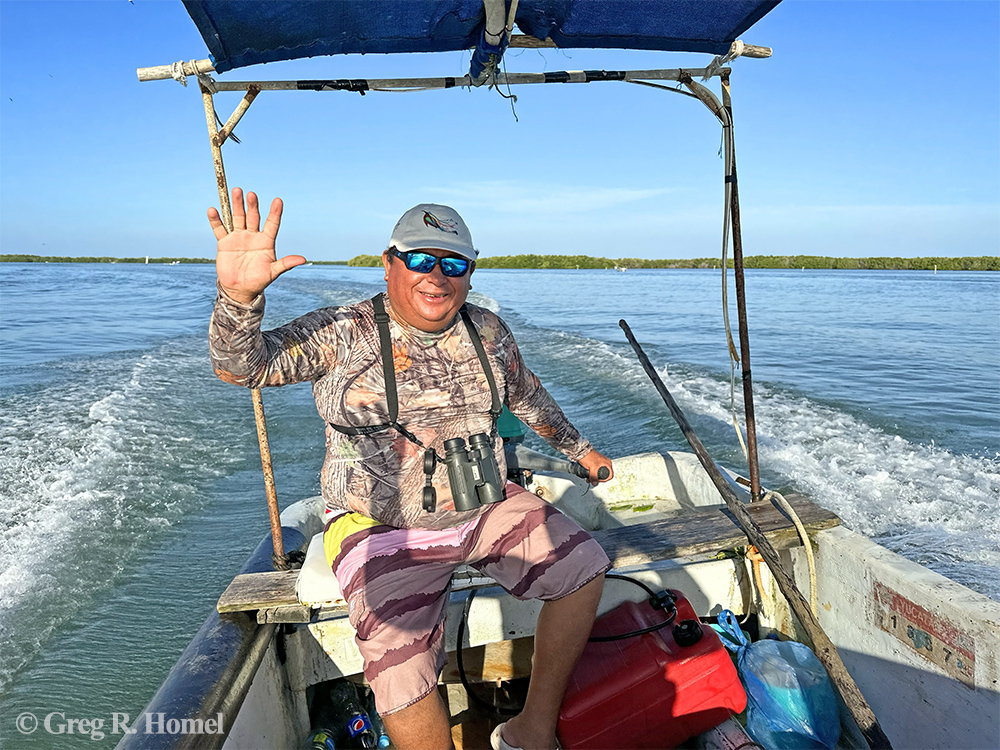
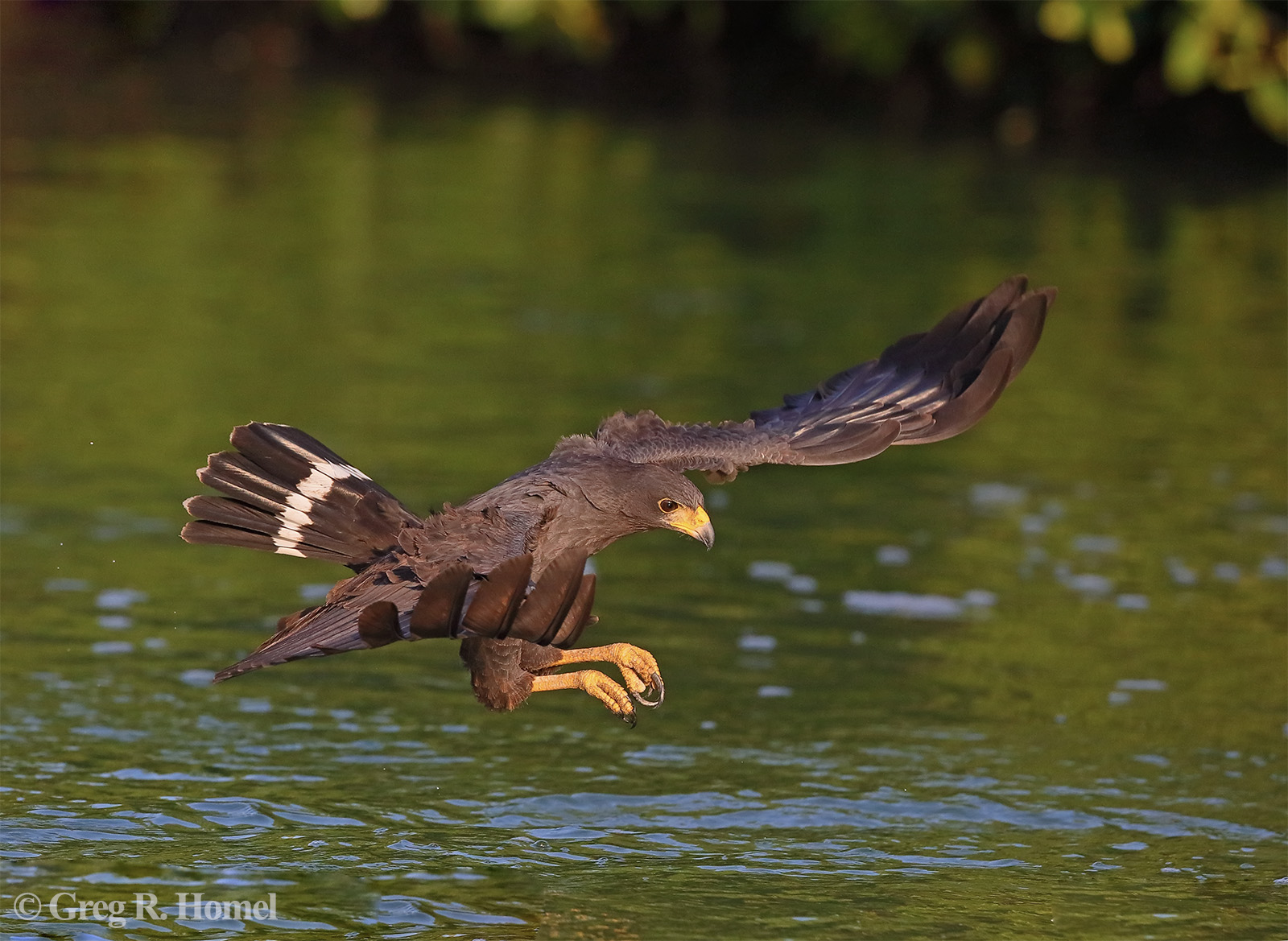
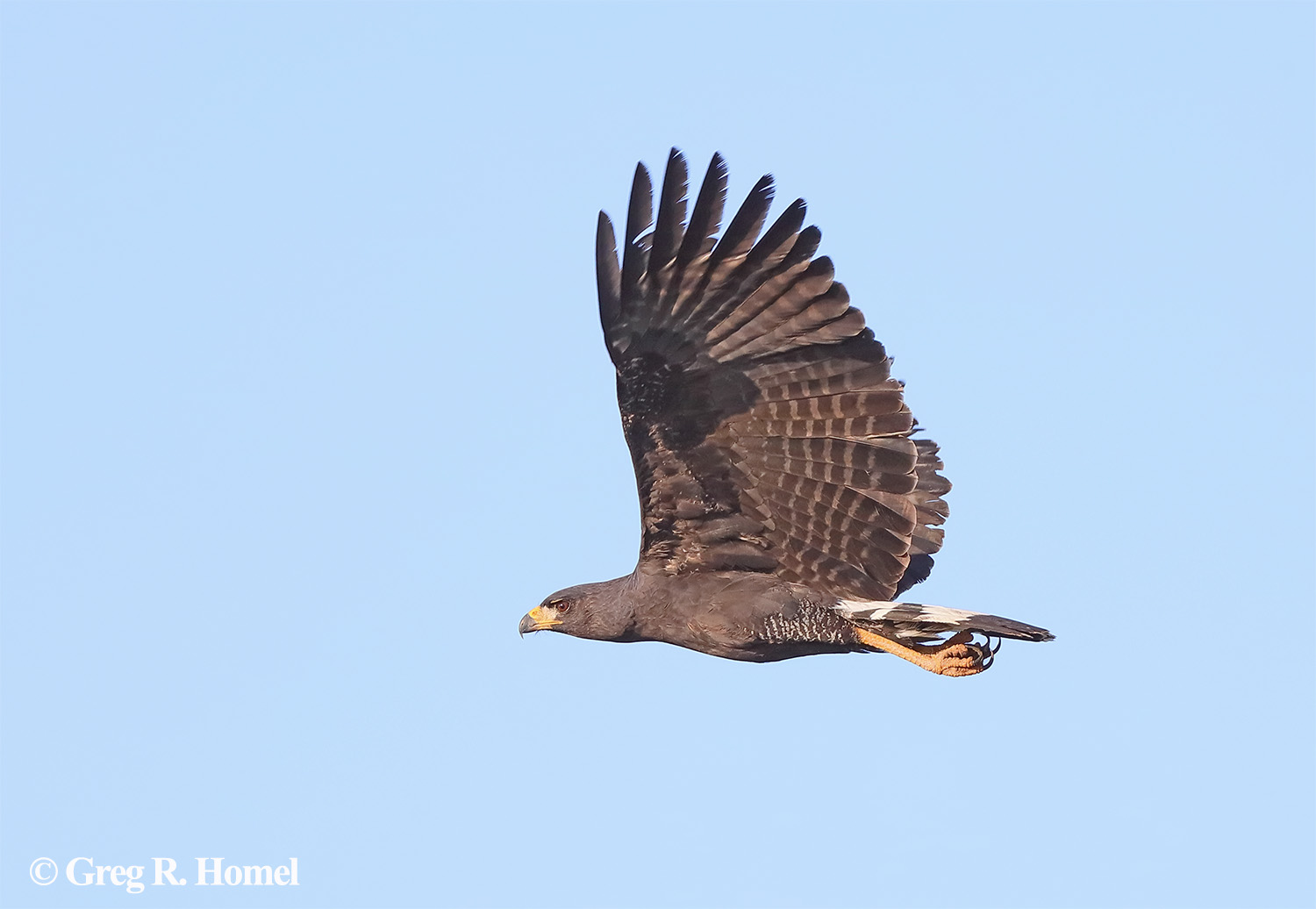
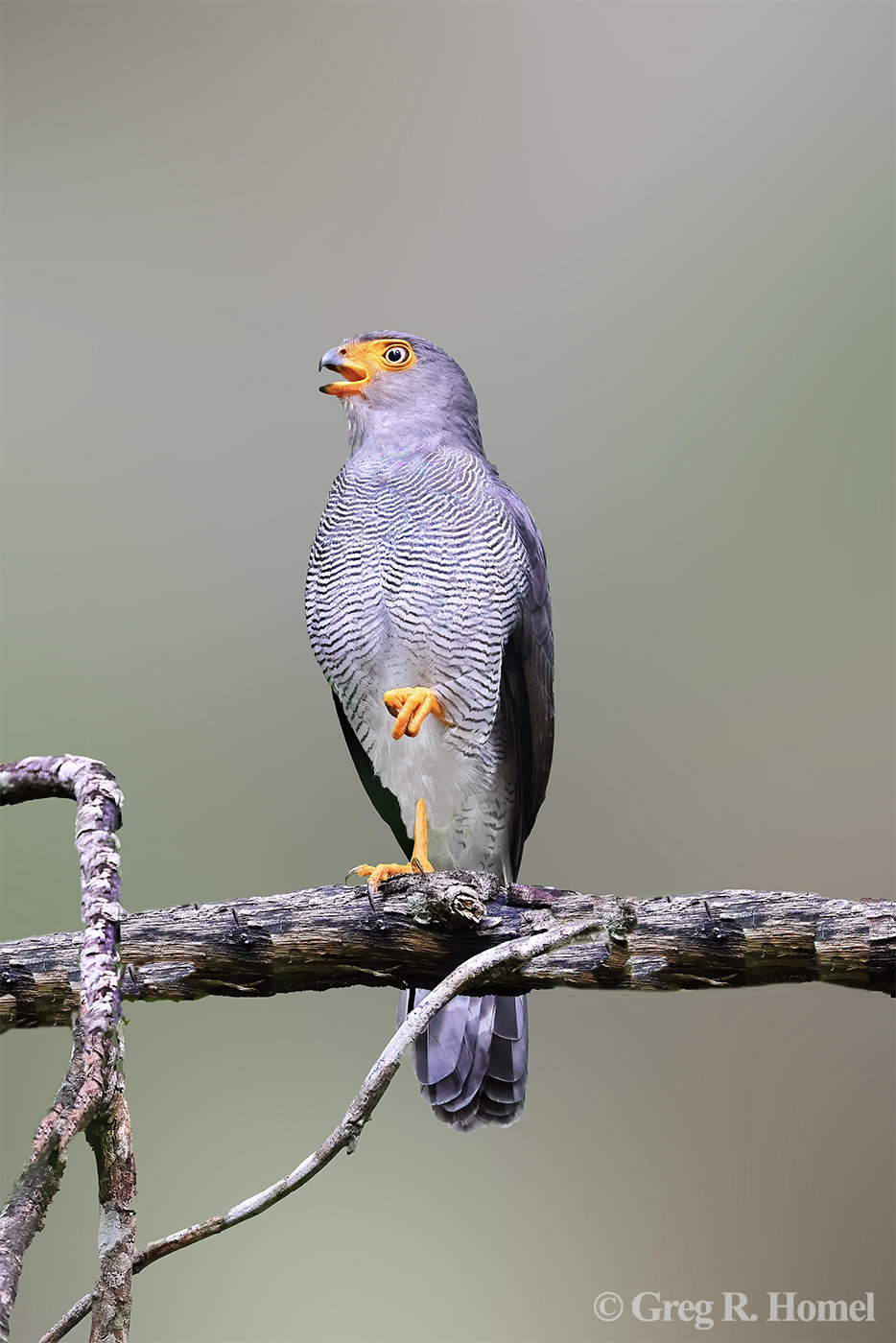
Frequently encountered raptors include Common Black-Hawks (which are conditioned to take fish thrown to them by our boatman-guide, Alberth Rosado Tabasco, and provide excellent photo ops), Whitetailed, Great Black-, Crane, and Roadside hawks, etc.
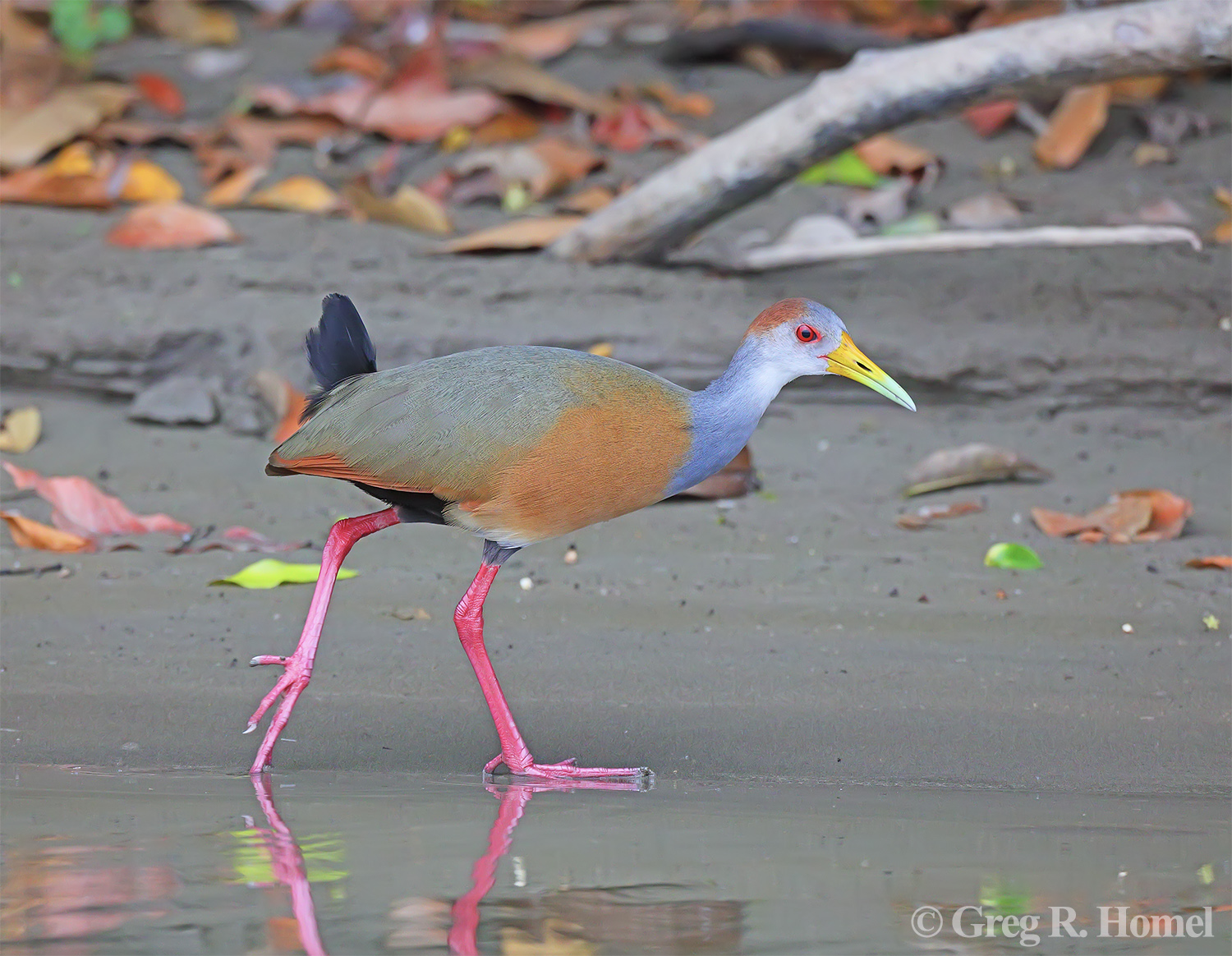
Russet-naped Wood-Rails can be seen inland, while rare Rufous-necked Wood-Rails and more common Clapper Rails (Gulf Coast race) inhabit the mangroves.
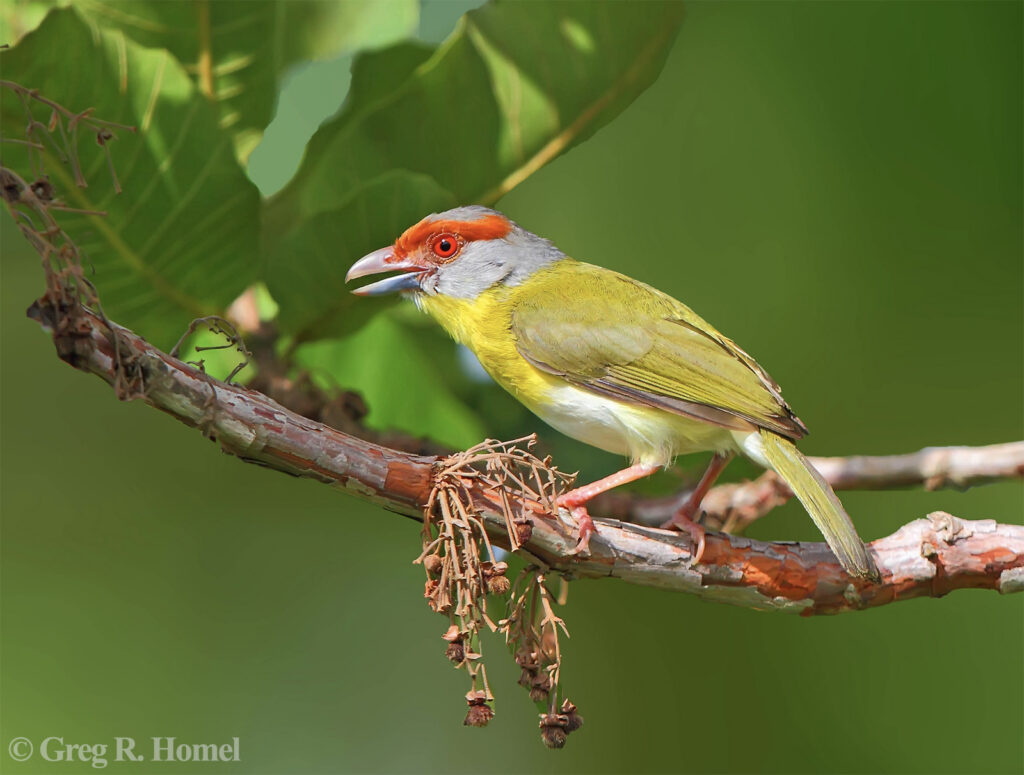
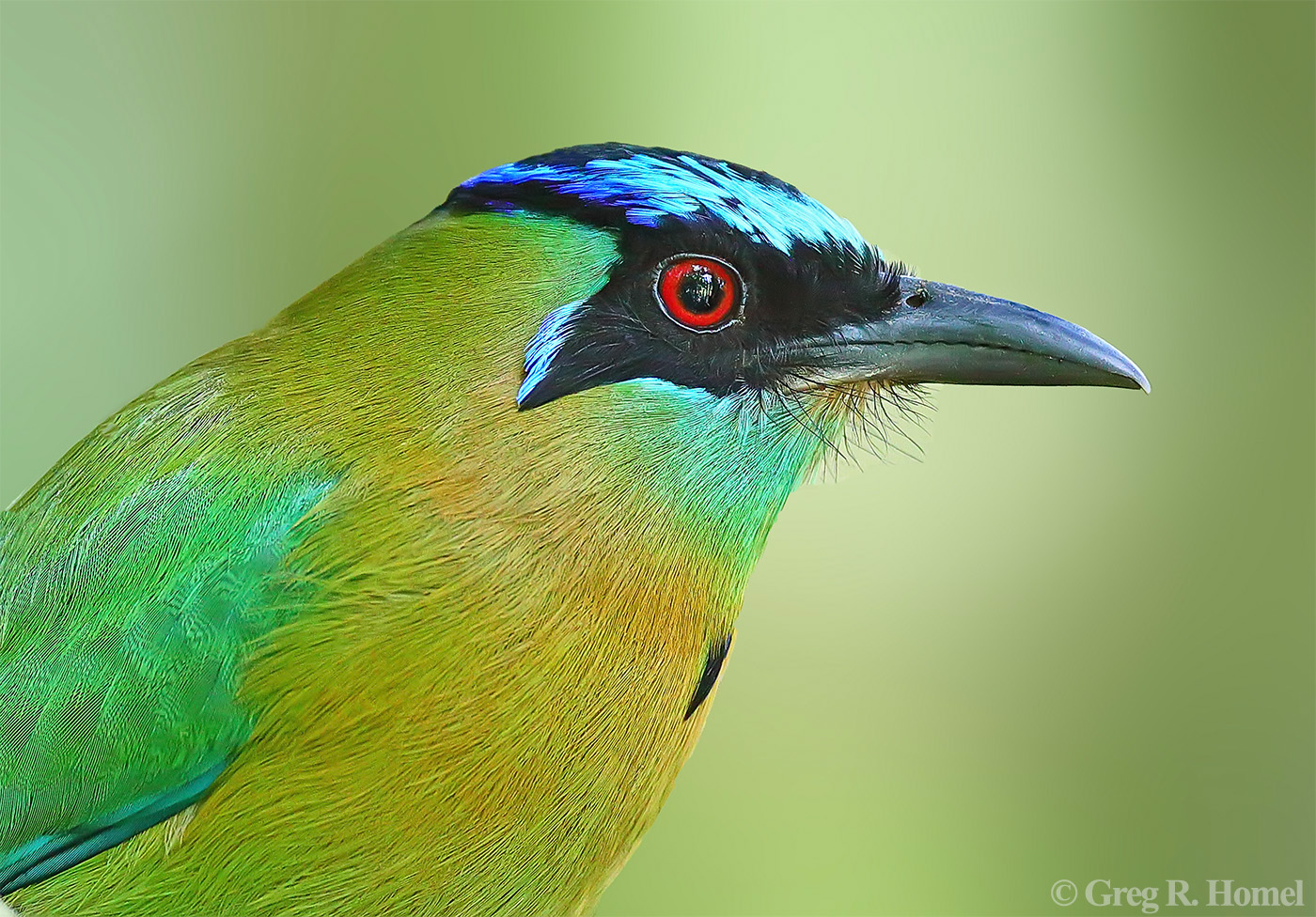
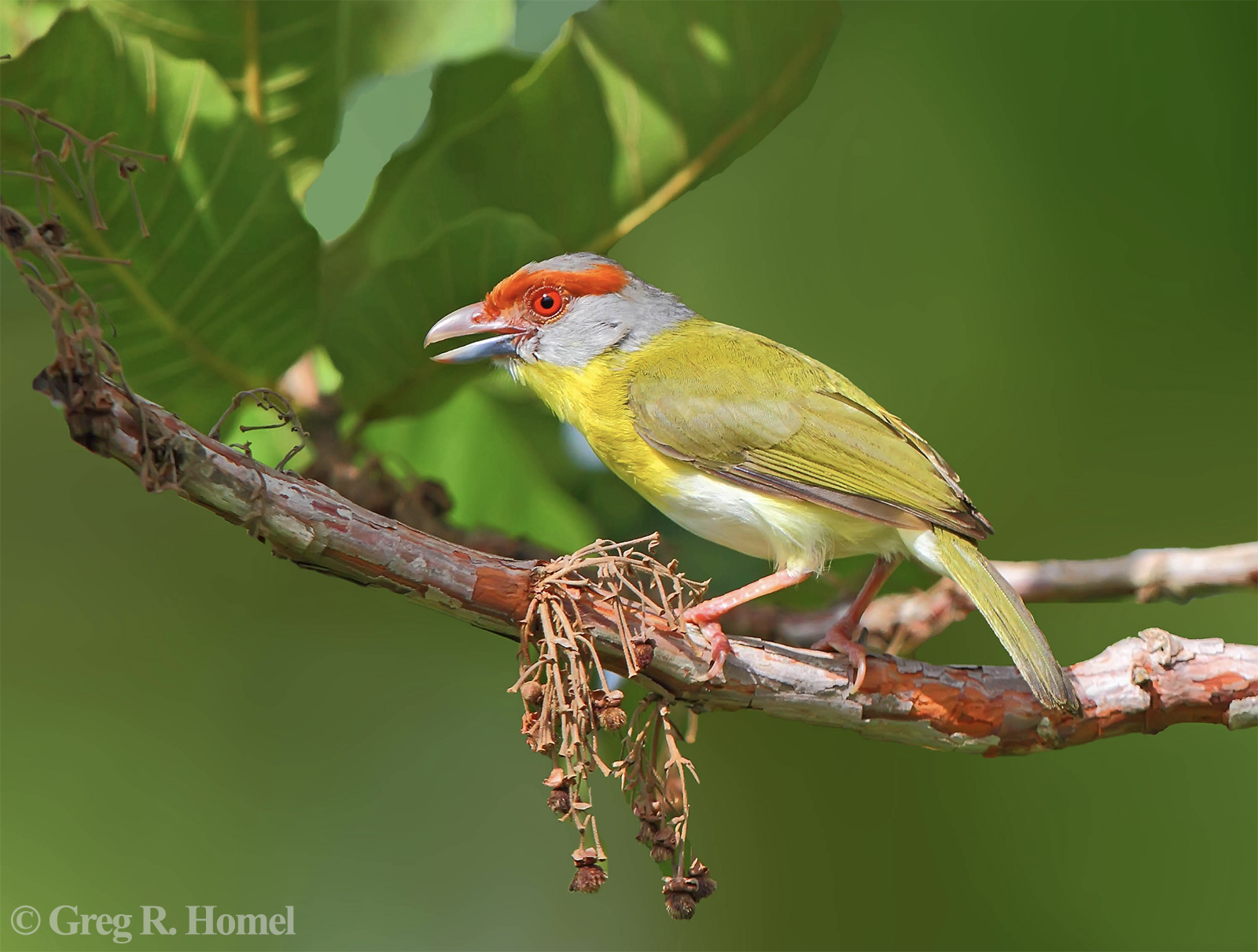
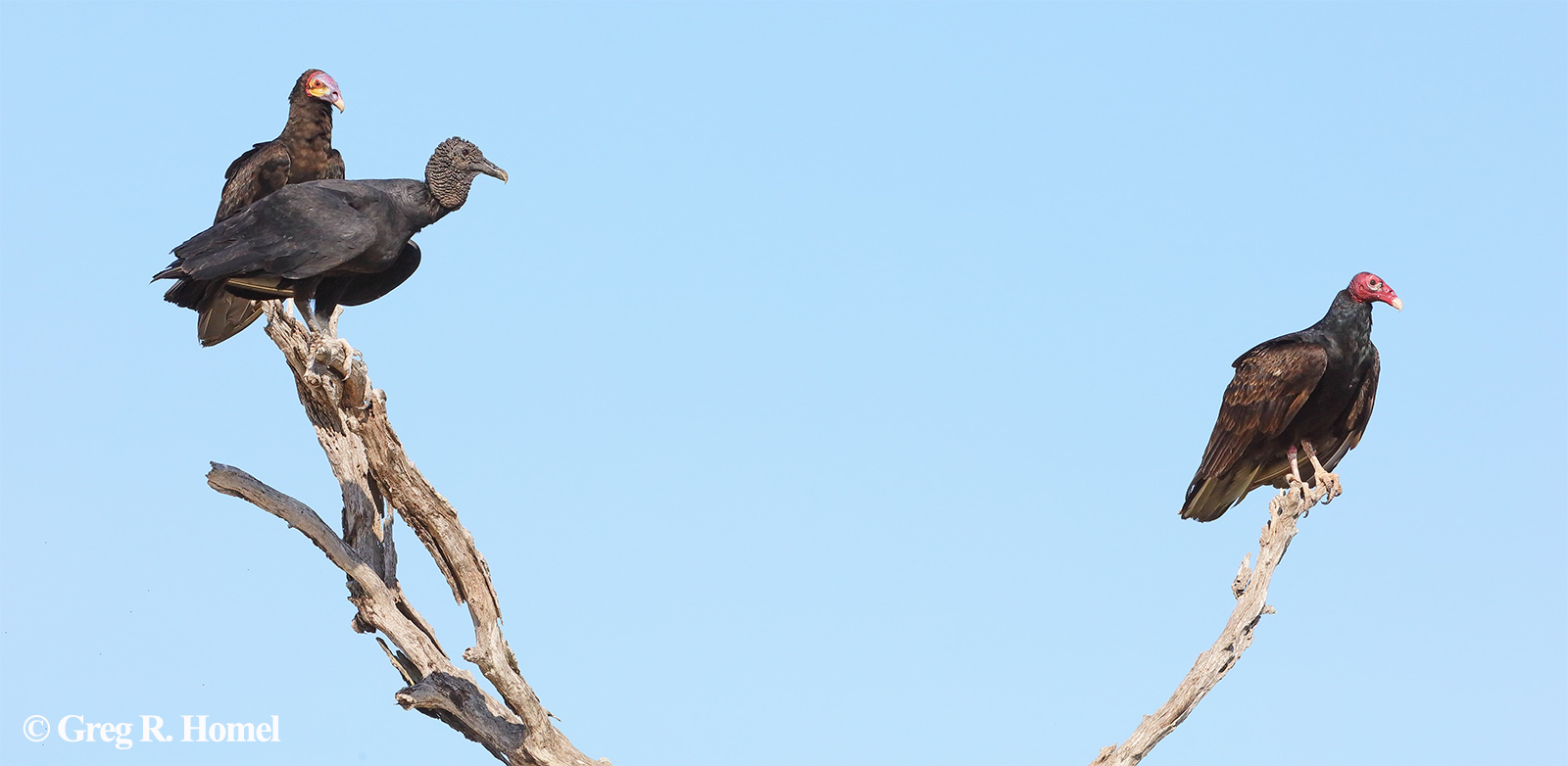
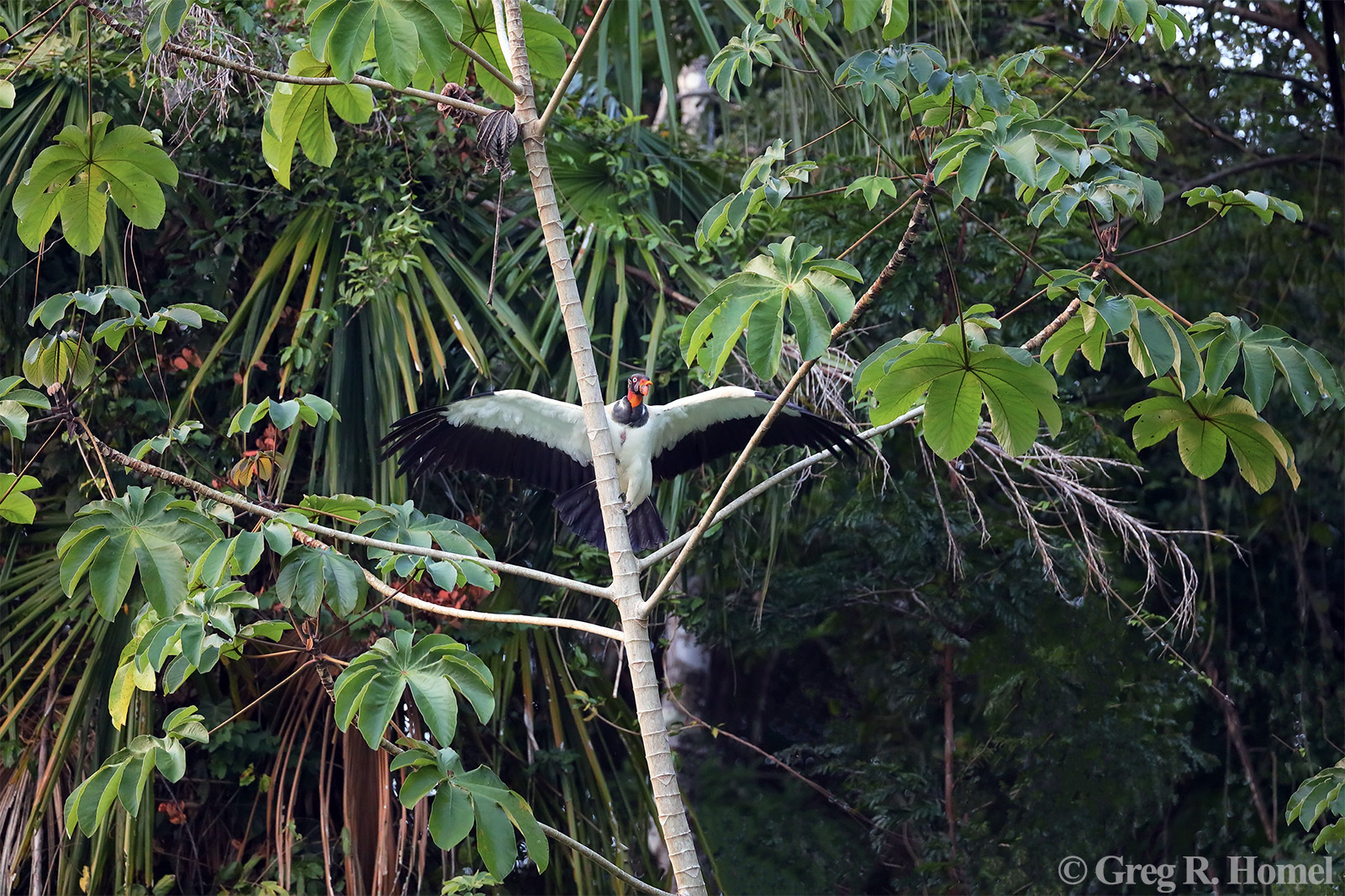
Four species of vultures may also be seen, with abundant Lesser Yellow-headed and rare King vultures stealing the show. Ferruginous Pygmy-Owl, Turquoise-browed Motmot, rare Lesser Roardunner, abundant Mangrove Vireo, and Rufous-browed Peppershrike stimulate the eyes and your lenses here.
Jabiru are occasionally seen in the glades of the north Yucatán in the vicinity of Río Lagartos, and in 2018, crepuscular and nocturnal drives were yielding the usual Common Parauques and Lesser Nighthawks when suddenly a large Jaguar came into view! Surprises await at Ría Lagartos Natural Park!
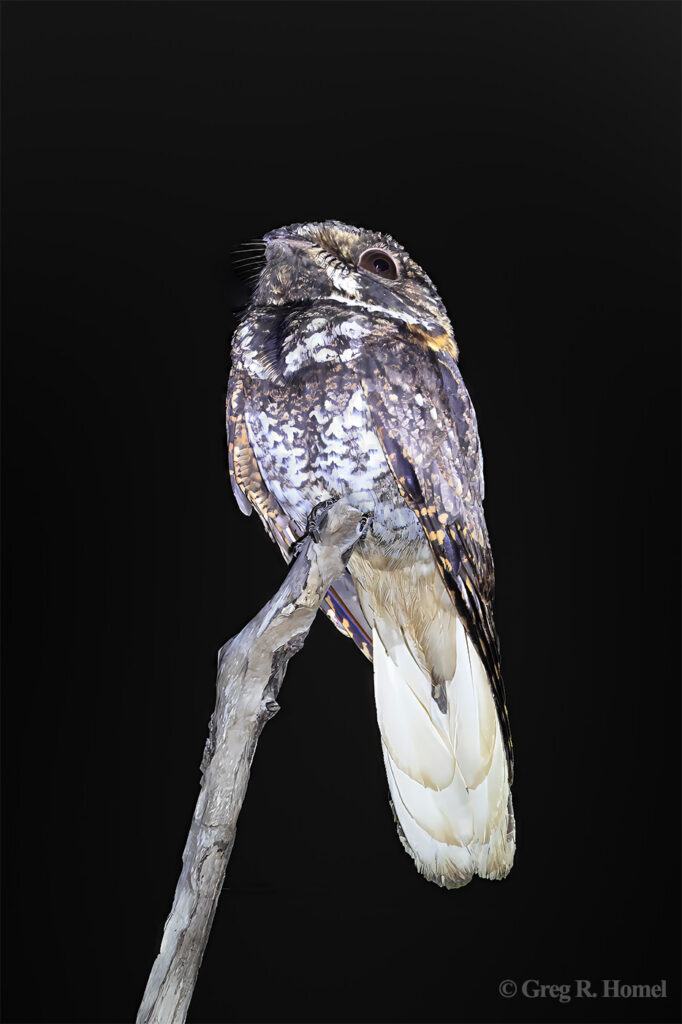
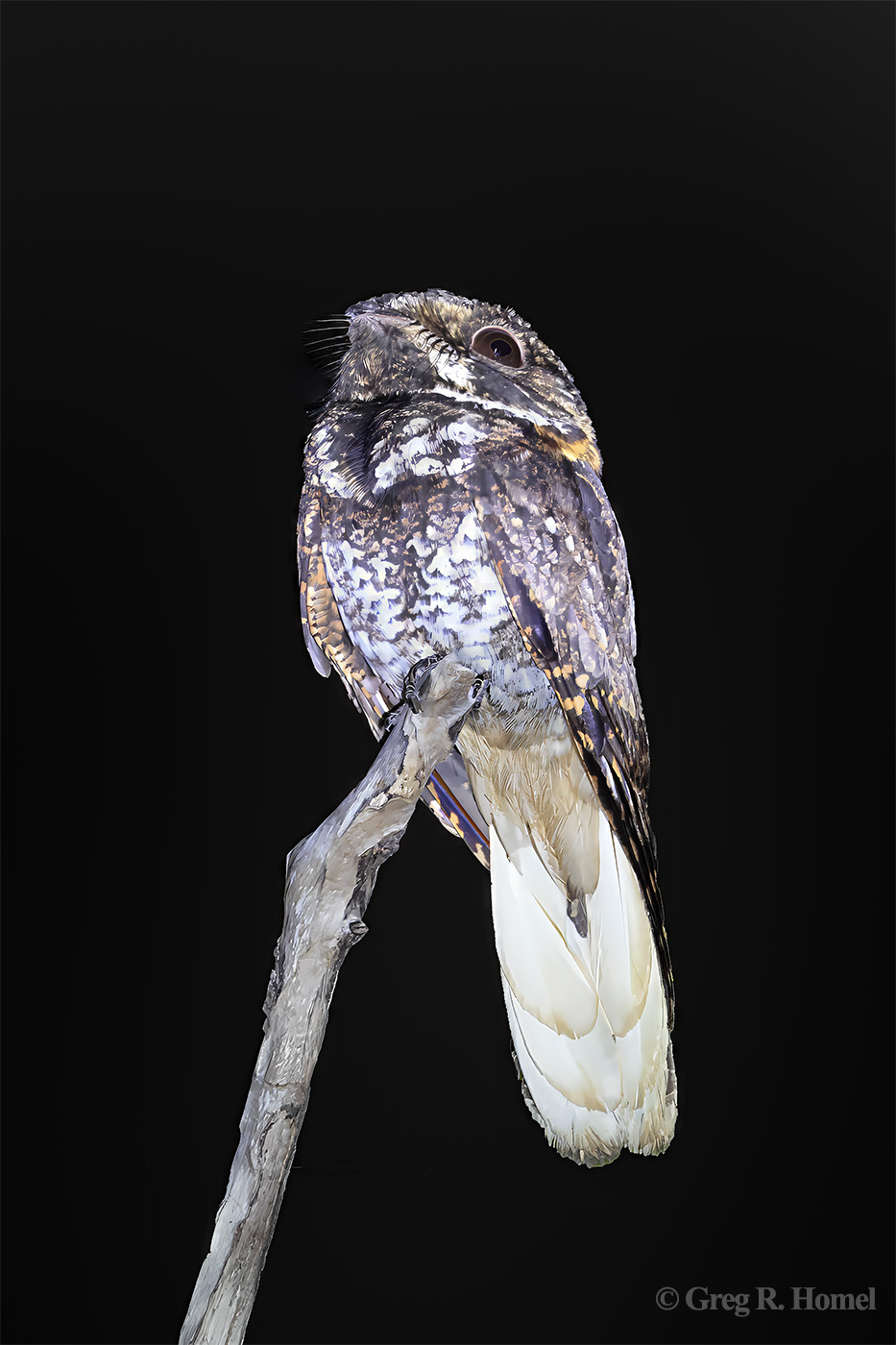
Tonight we pursue the endemic Yucatan Nightjar by boat in the mangroves lining Ría Lagartos before enjoying a fresh seafood dinner (other options are available, but the ceviche here is perhaps the world’s best) at the waterfront of Río Lagartos.
Lodging at the Hotel Río Lagartos, Río Lagartos, N. Yucatán
Day 6
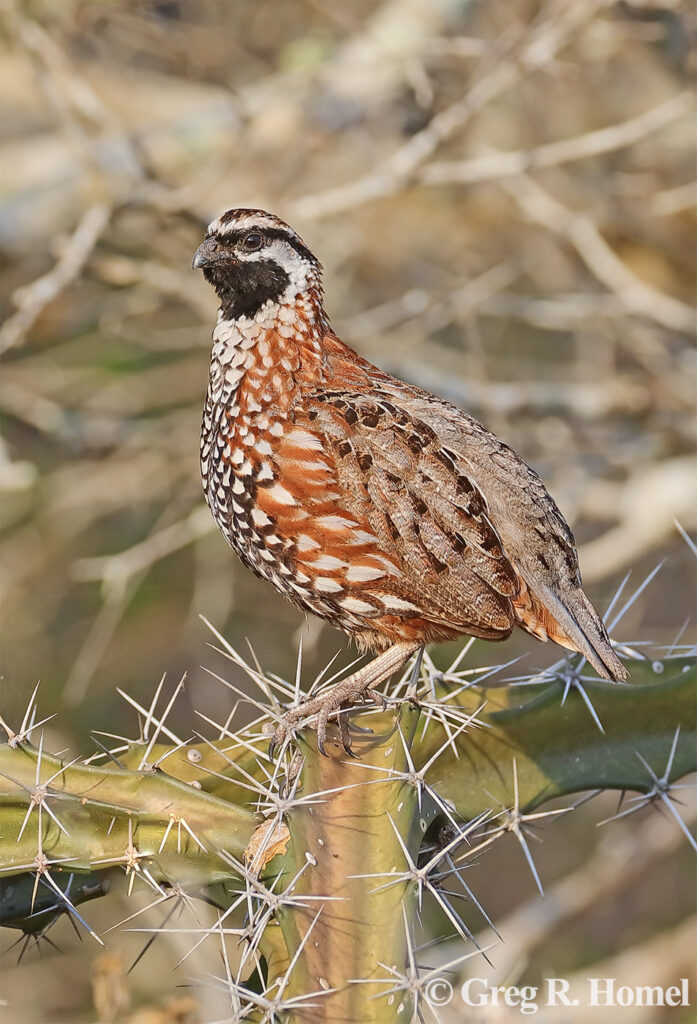
We enjoy a morning of Flamingo photography at Las Coloradas salt ponds, where other birds, such as Black-throated (Yucatan) Bobwhite and a plethora of sandpipers, gulls, terns, waterfowl, and others may be seen. In the afternoon, after our lunchtime siesta, we check out of our hotel at Río Lagartos to take a scene overland journey (116 km; 1 hr 45 min) as we bird our way across the top of the Yucatán to pursue select Yucatán specialties and endemics at Dzilam de Bravo. Here our top target is the endemic Yucatan Gnatcatcher, with Mexican Sheartail, Yucatan Wren, Orange Oriole, Yucatan Jay, and many other endemics and specialties featuring high on our list. We will photograph them to our hearts’ content in the morning. In the afternoon, we return to Río Lagartos in advance of the next leg of our Yucatán journey.
Lodging at Hacienda San Francisco, near Dzilam de Bravo, near the shore of the Gulf of Mexico, N. Yucatán.
Day 7
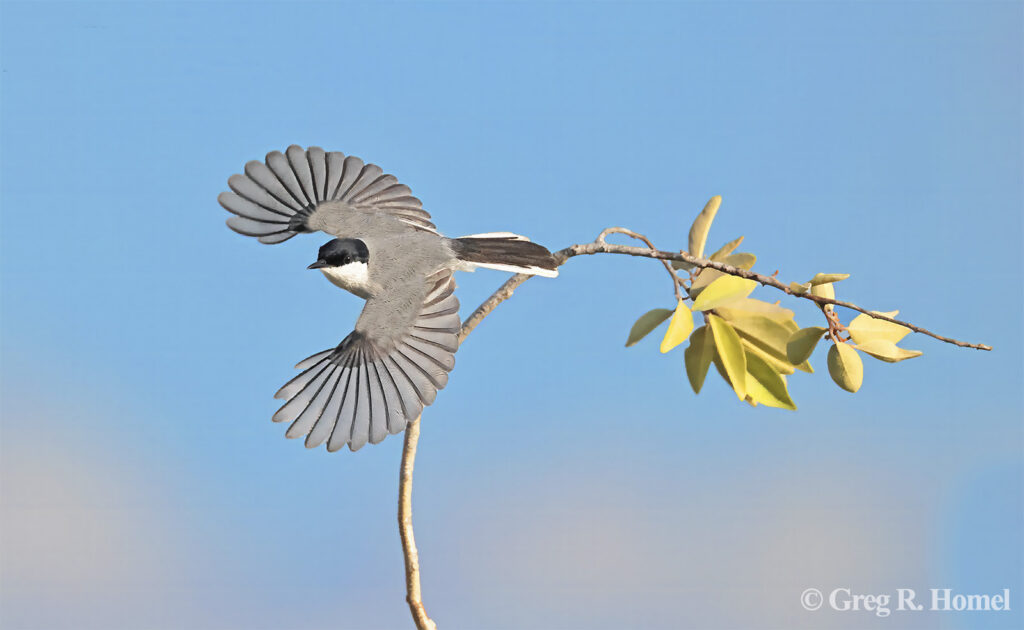
Doing it right, we head out early in the morning, birding for Yucatán specialties at Dzilam de Bravo all day, seeking endemics, including the recently recognized Yucatan Gnatcatcher, Yucatan Jay, Yucatan Wren, and many others, in addition to the Yucatán race of Clapper Rail, Mangrove Yellow Warbler, and more.
Lodging at Hacienda San Francisco, near Dzilam de Bravo, near the shore of the Gulf of Mexico, N. Yucatán.
Part III: Birding Paradises of the South Yucatan, Quintana Roo & Campeche States (Days 7–9)
Day 8
Enjoy birding overland across the peninsula (5 hrs) to reach Bacalar, where we overnight near the shore of the Seven-Colored Lake.
Examples of the aquatic birds here include: Muscovy, Wood Stork, Anhinga, Bare-throated Tiger-Heron, Boat-billed Heron, Snail Kite, American Pygmy-Kingfisher, Ringed Kingfisher, Russet-naped Wood-Rail, Northern Jacana, many long-legged wading birds, etc.
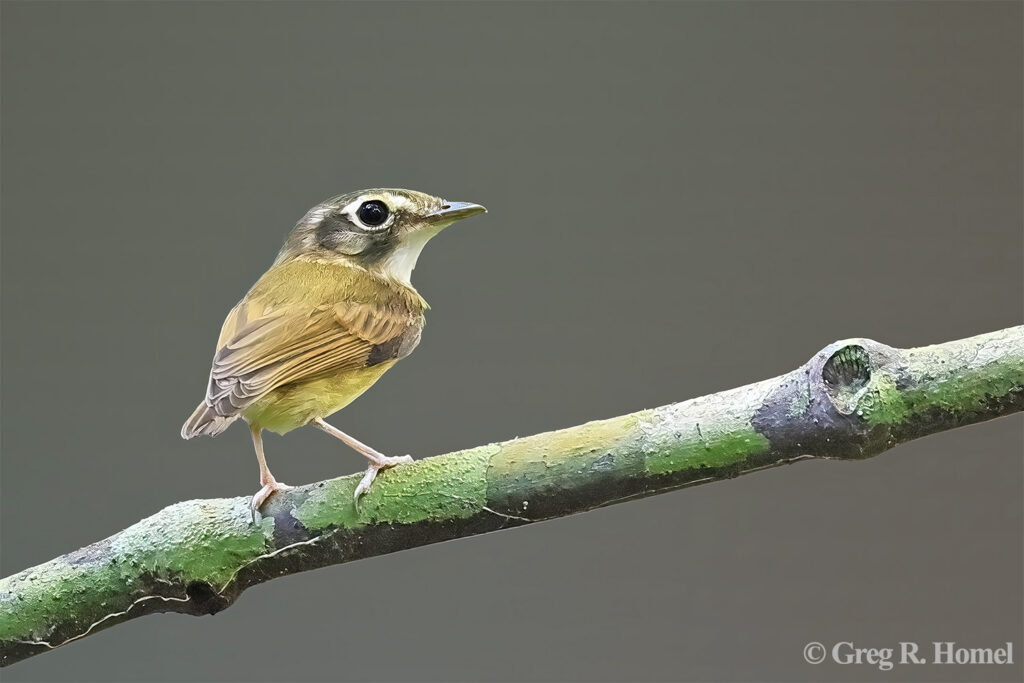
Examples of forest birds in second growth here include: Plain Chachalaca, Canivet’s Emerald, Roadside Hawk, Ferruginous Pygmy-Owl, Barred Antshrike, White-fronted Amazon, Yellow-bellied Elaenia, Couch’s Kingbird, Rufous-browed Peppershrike, Long-billed Gnatwren, White-browed (Carolina) Wren, Spot-breasted Wren, White-bellied Wren, Clay-colored Thrush, Green-backed Sparrow, Yellow-billed Cacique, Melodious Blackbird, Morelet’s Seedeater, Black-headed and Cinnamon-bellied saltator, etc.
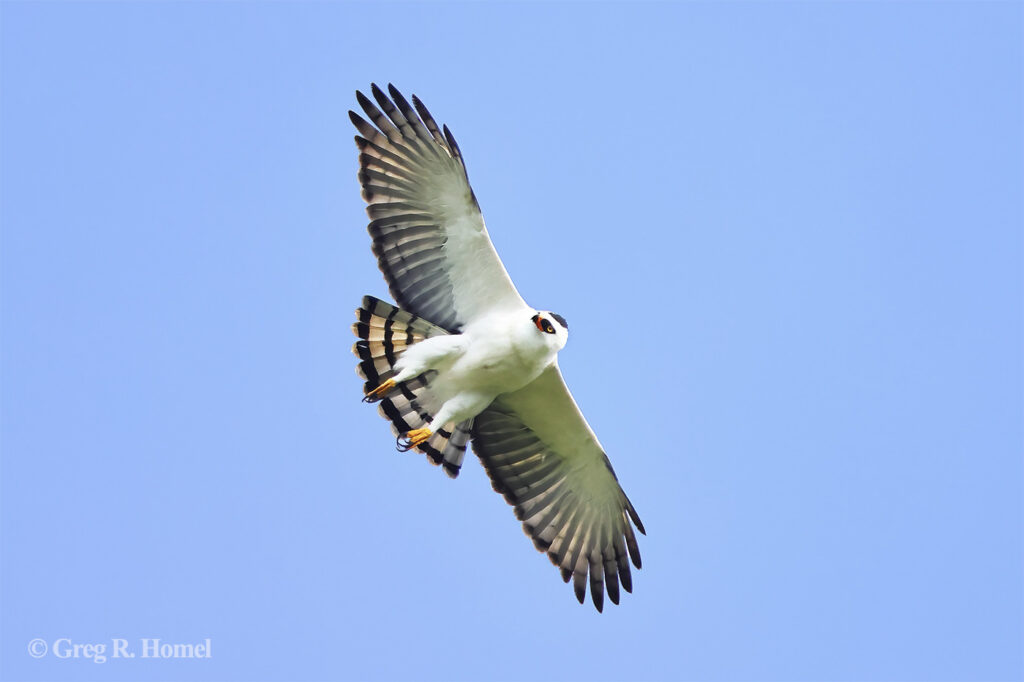
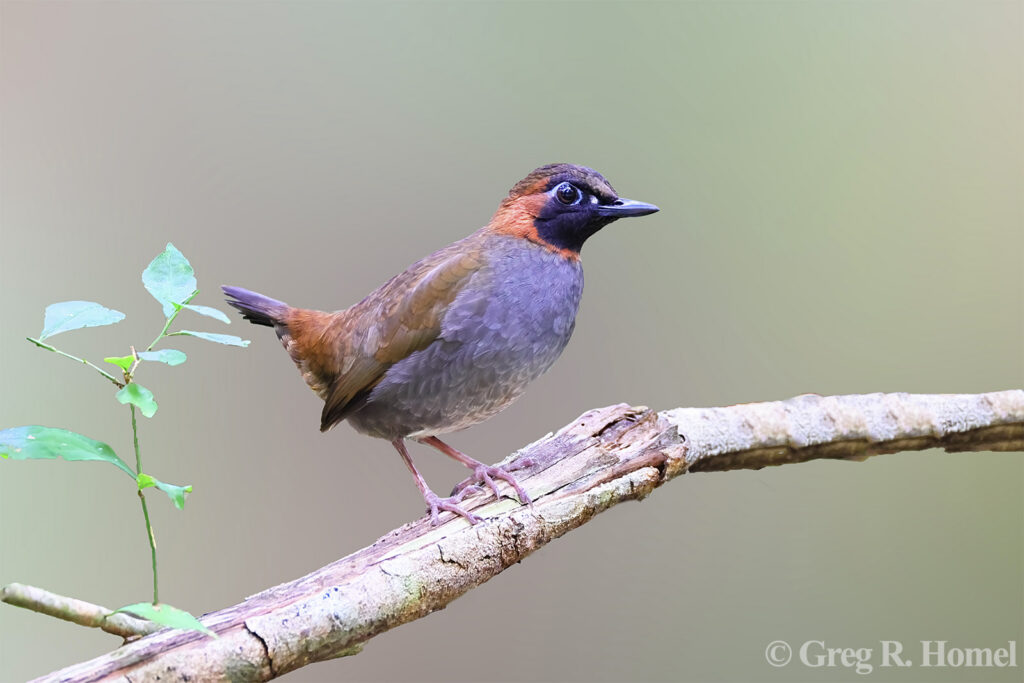
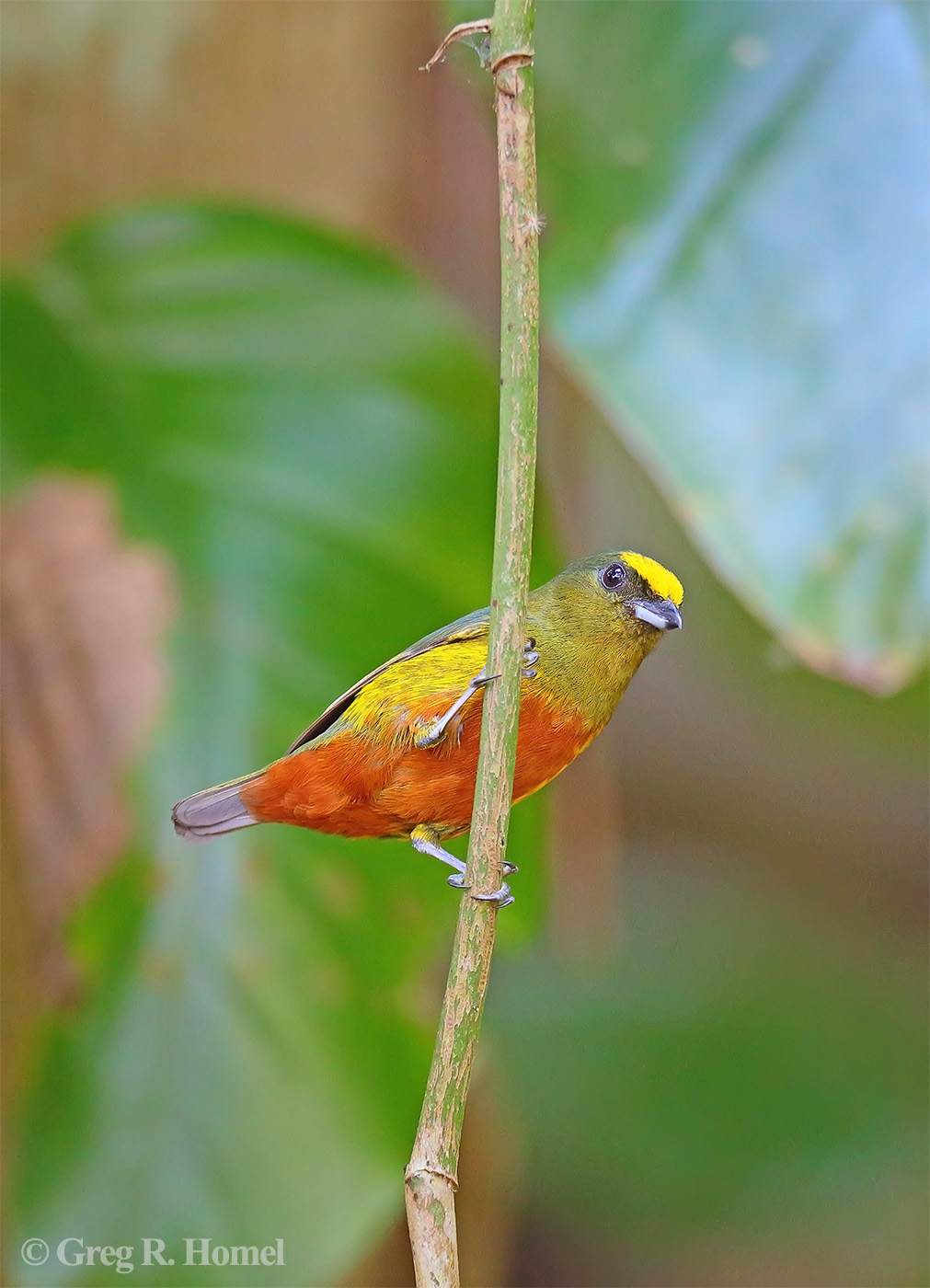
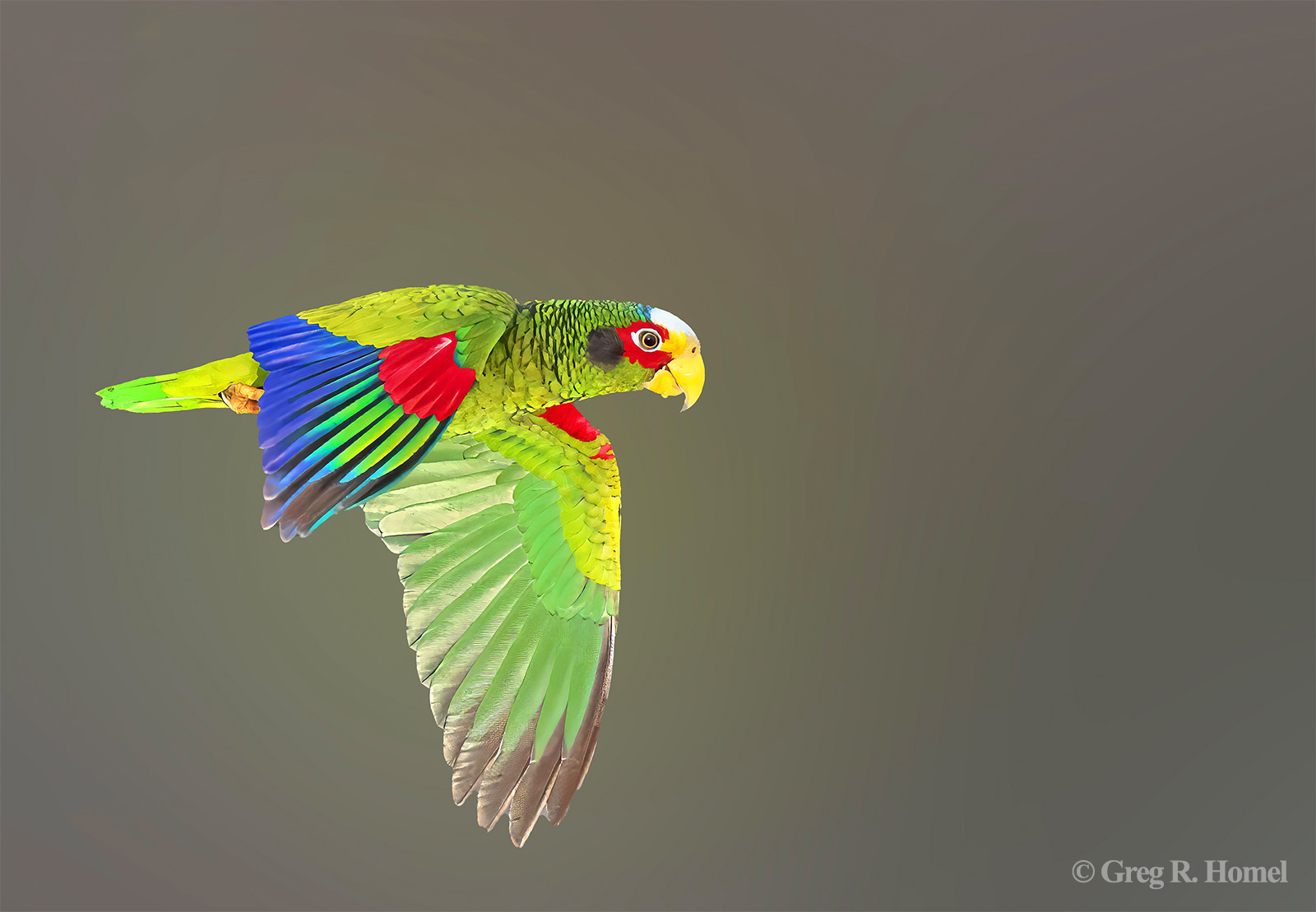
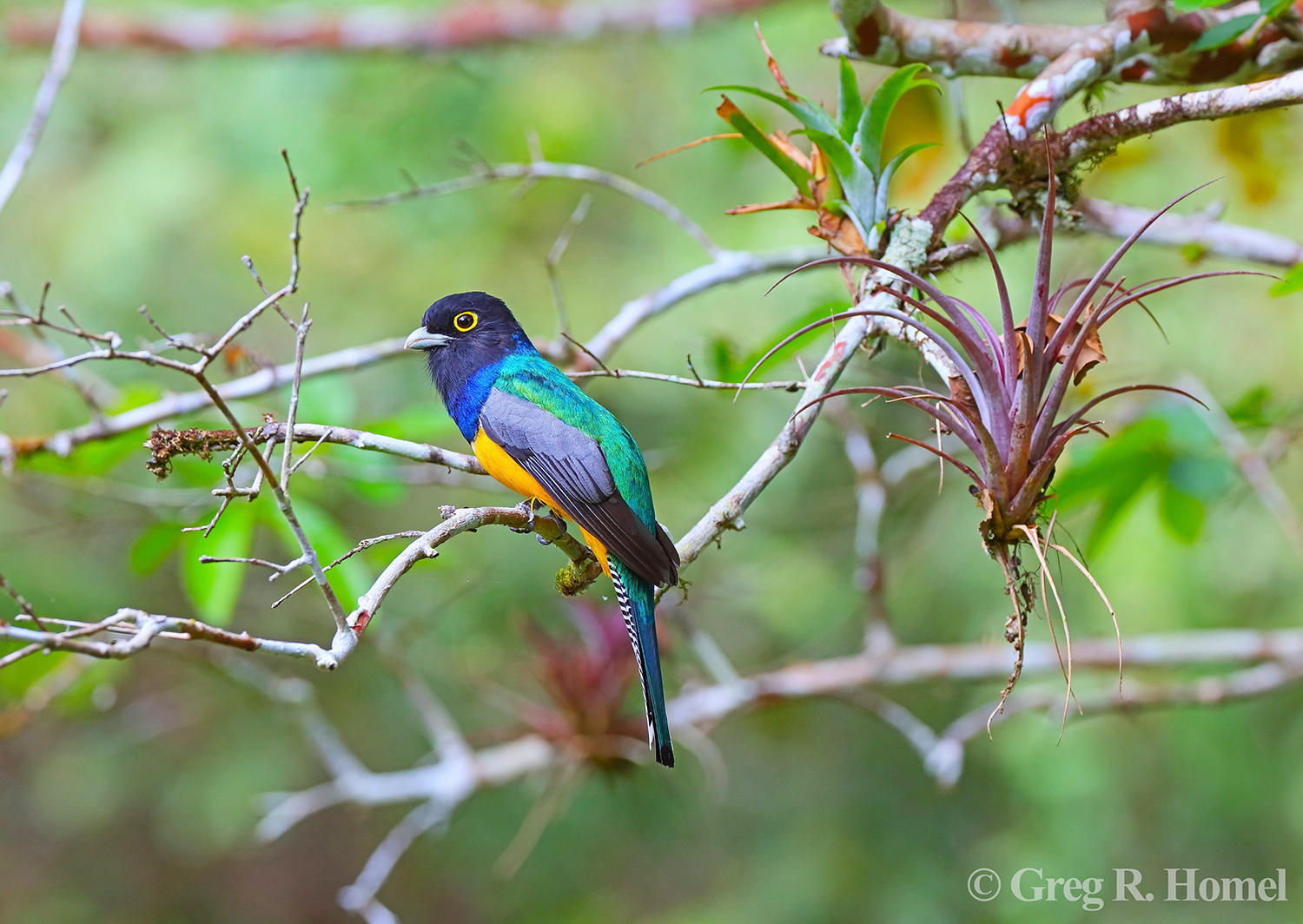
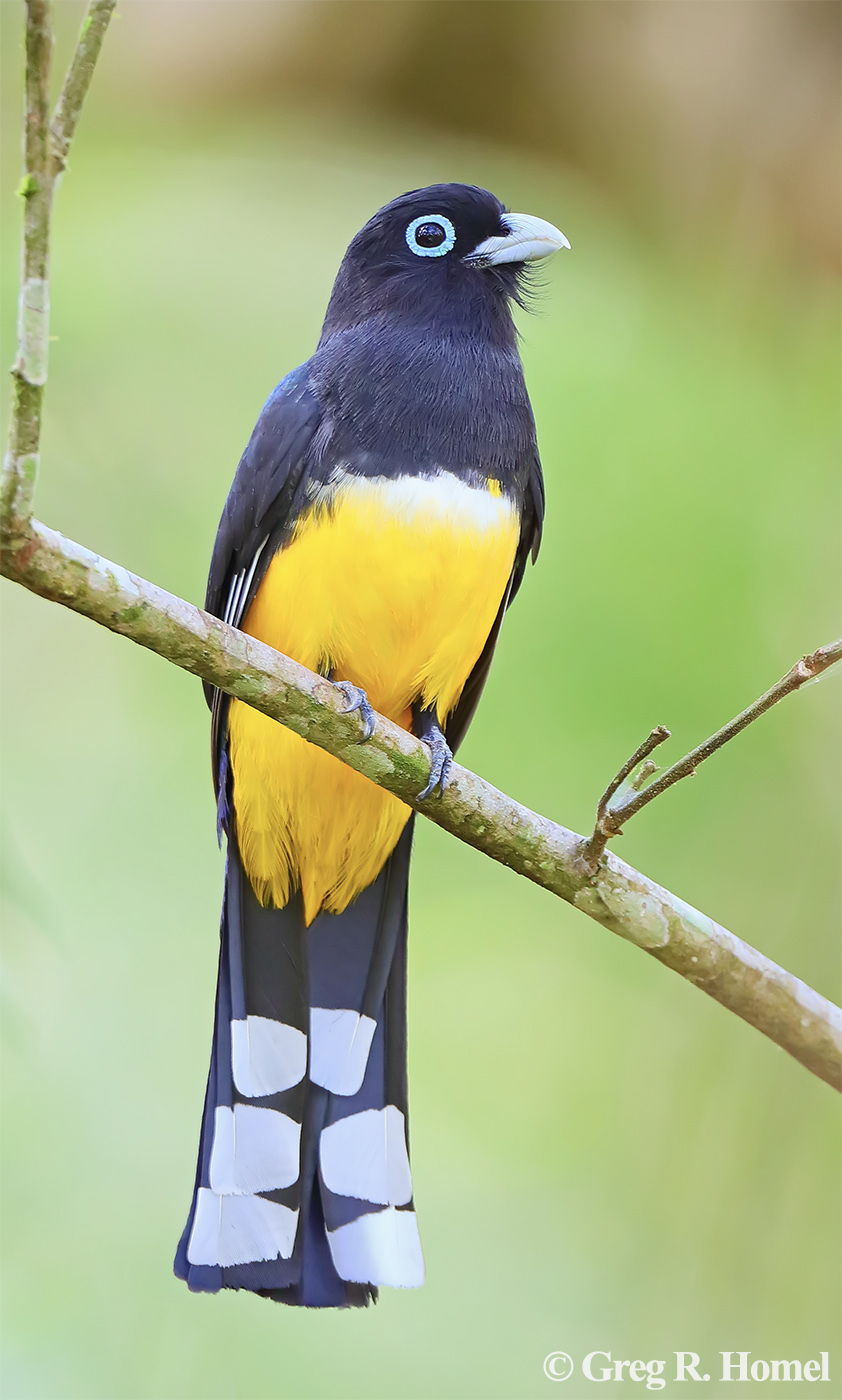
Some examples of birds that can be regularly seen here are: Great Curassow, Black-and-white Hawk-Eagle, White-crowned Parrot, Red-lored Amazon, Mayan Antthrush, White-bellied Emerald, Gartered and Black-headed trogons, Lesson’s Motmot, Tropical Royal Flycatcher, Stub-tailed Spadebill, Northern Bentbill, Gray-throated Chat, Rose-throated Tanager, Lesser Greenlet, Montezuma Oropendola, Red-throated Ant-Tanager, etc.
Lodging at a hotel in Bacalar, Quintana Roo.
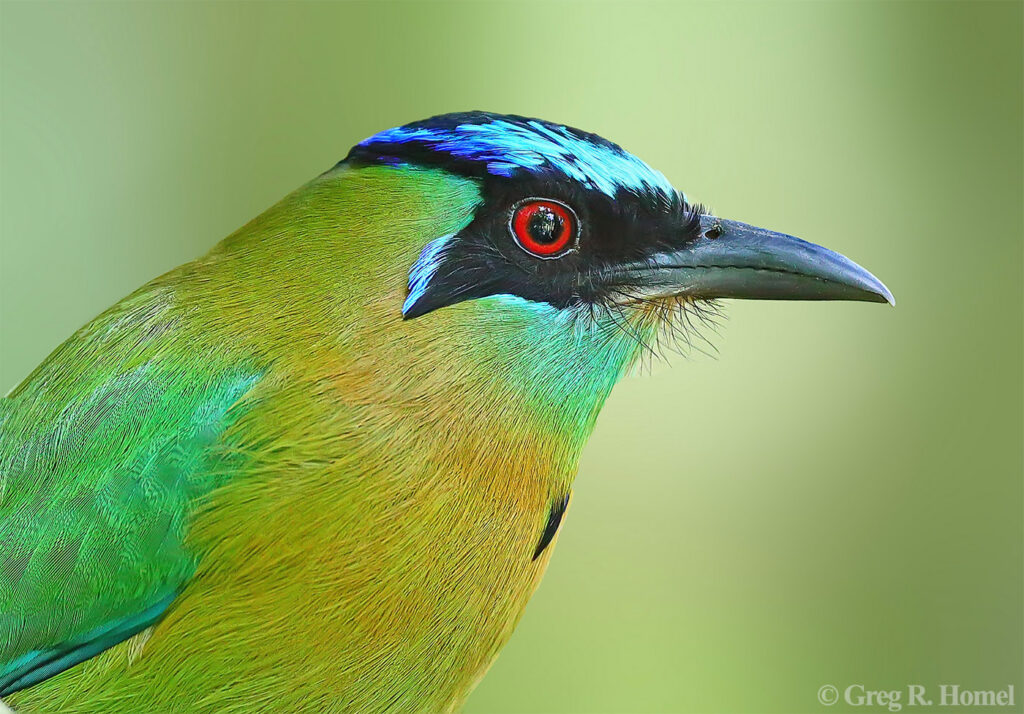
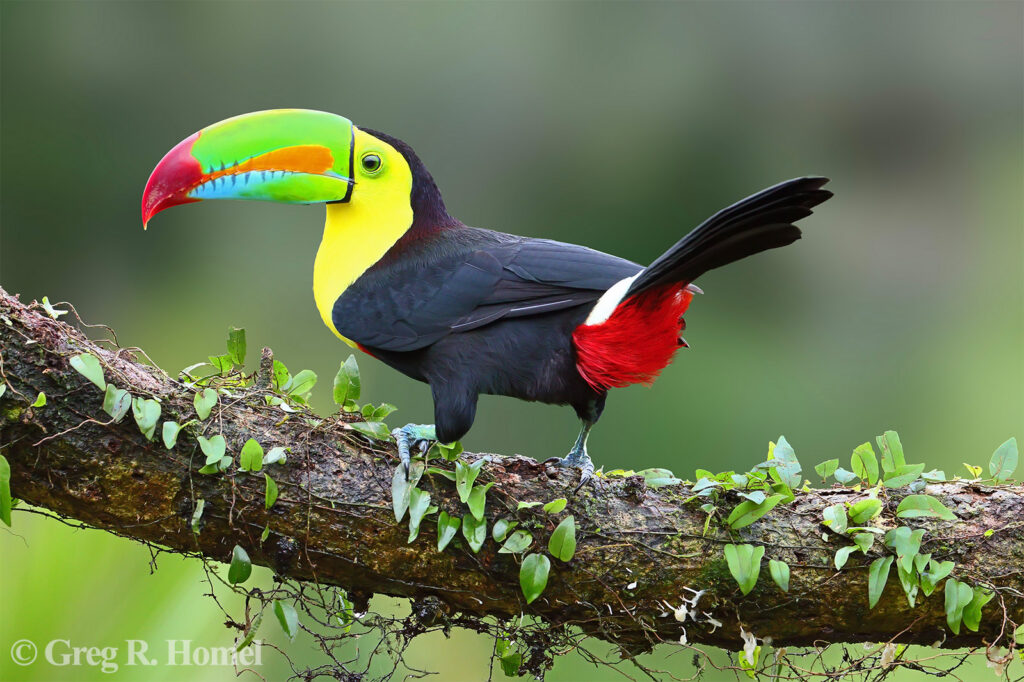
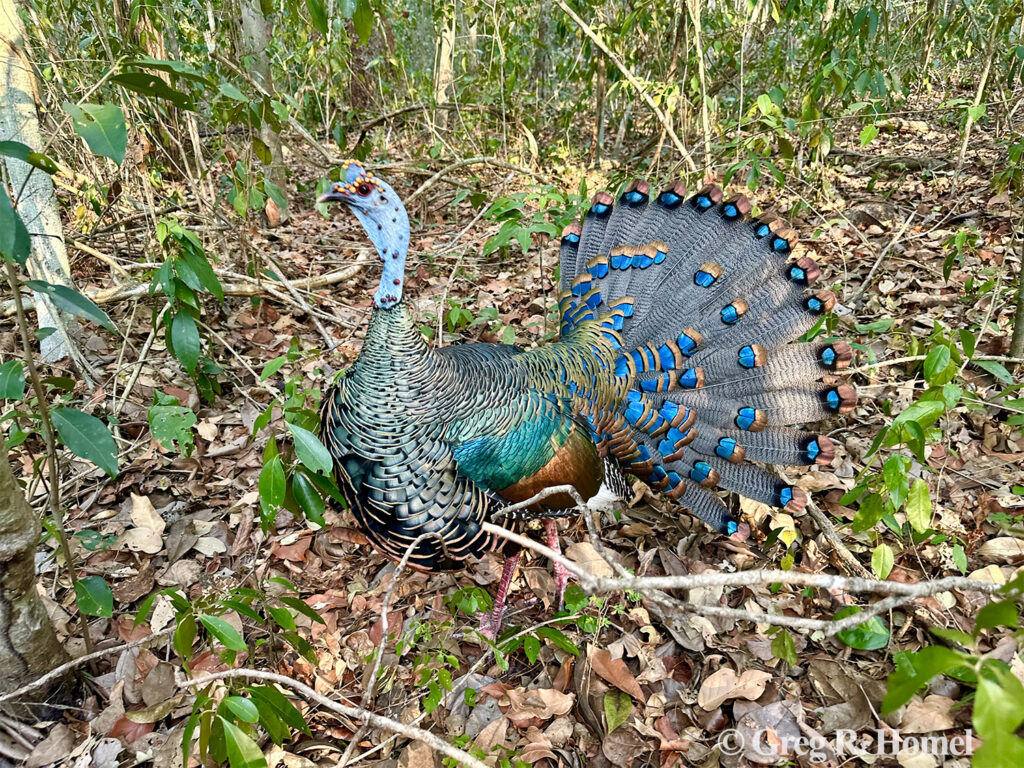
Day 9
Birding by boat on the Laguna de los 7 colores (Lagoon of the Seven Colors) at Bacalar, Quintana Roo.
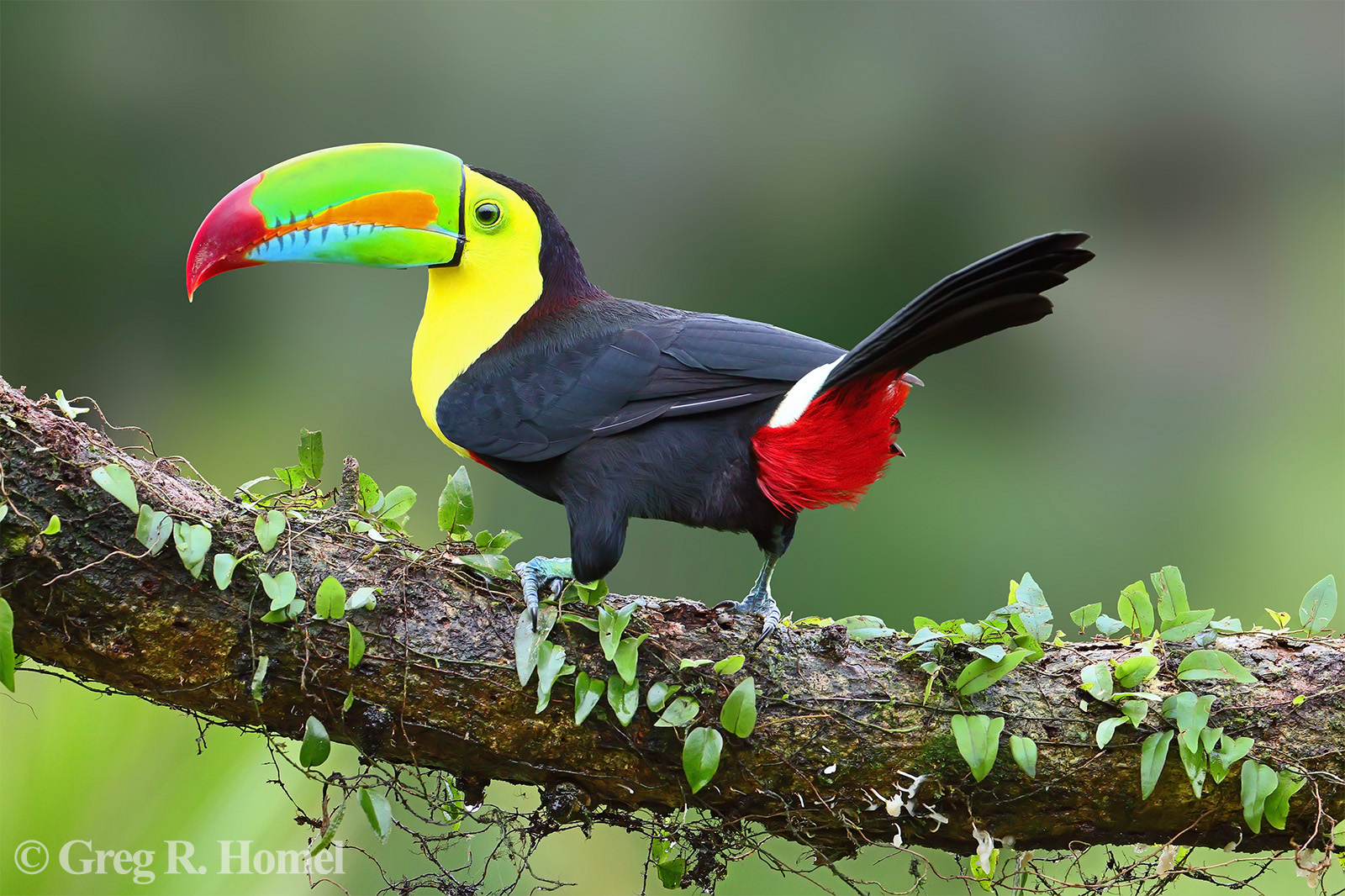
After our exploration of the lake, we have a scenic overland transfer from Bacalar to the Calakmul Biosphere Reserve and the remarkably fine Hotel Puerta Calakmul, Campeche (200 km; 2 hrs 30 mins), birding en route and on site. We will watch for highlight birds such as Jabiru, Keel-billed Toucan, and King Vulture overhead.
Several natural attractions await us on our first overnight at the Calakmul Biosphere Reserve and Hotel Puerta Calakmul, which is located at the “door” of a 65 km wilderness route leading to the splendid Mayan Calakmul ruins.
Lodging at the Hotel Puerta Calakmul, Campeche.
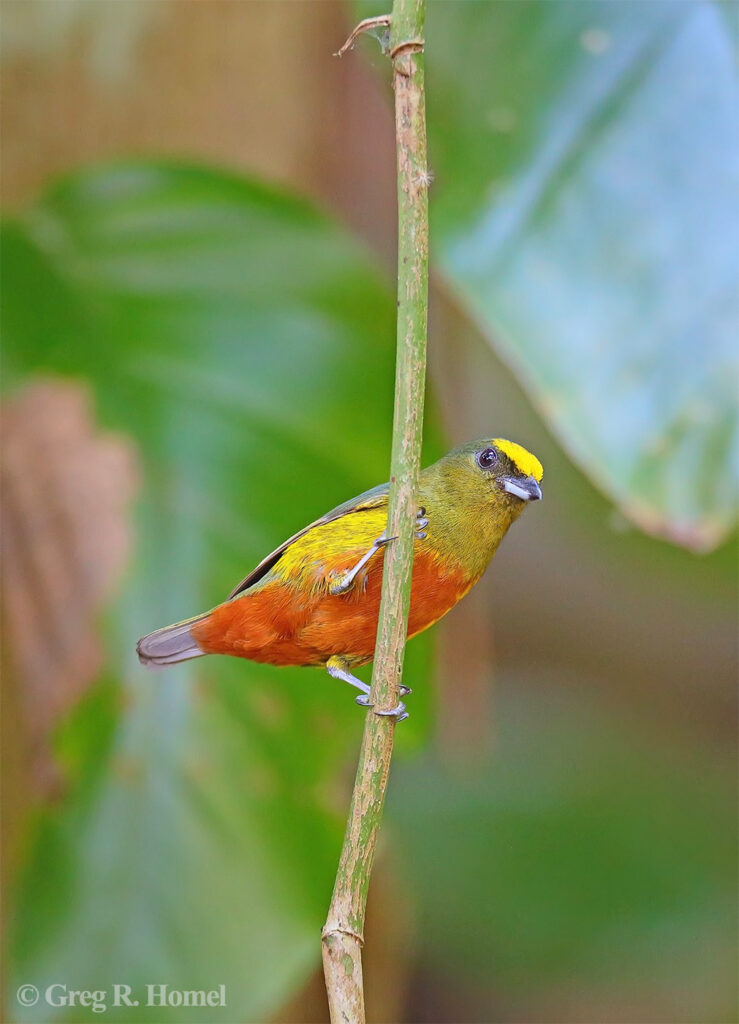
Day 10
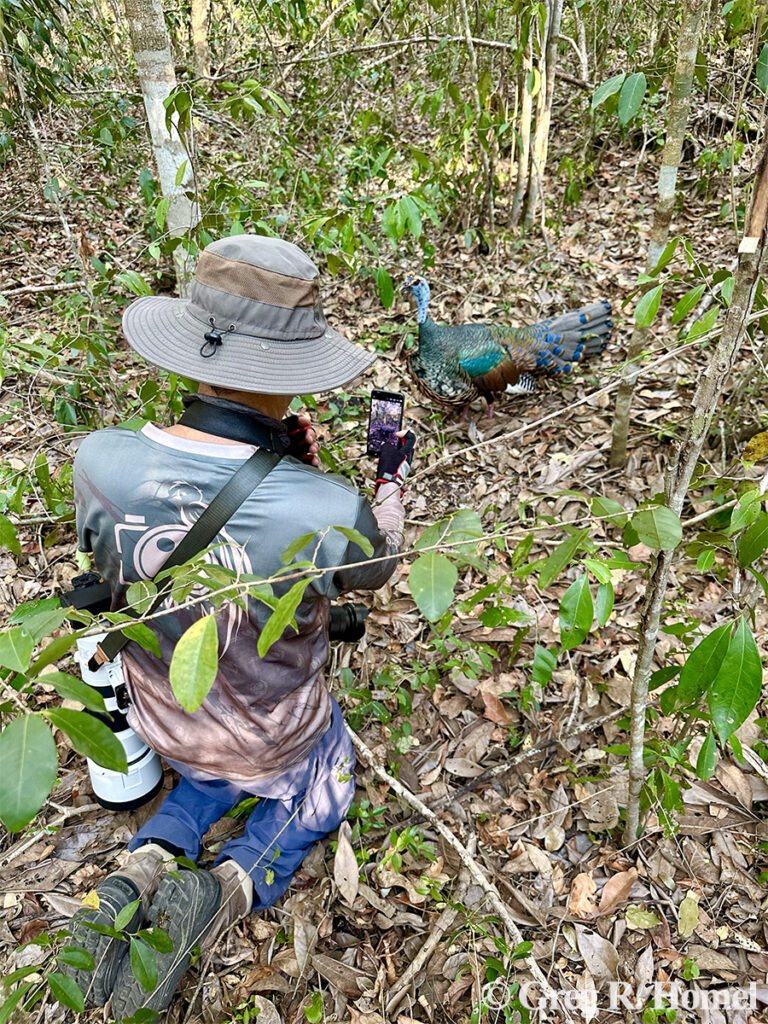
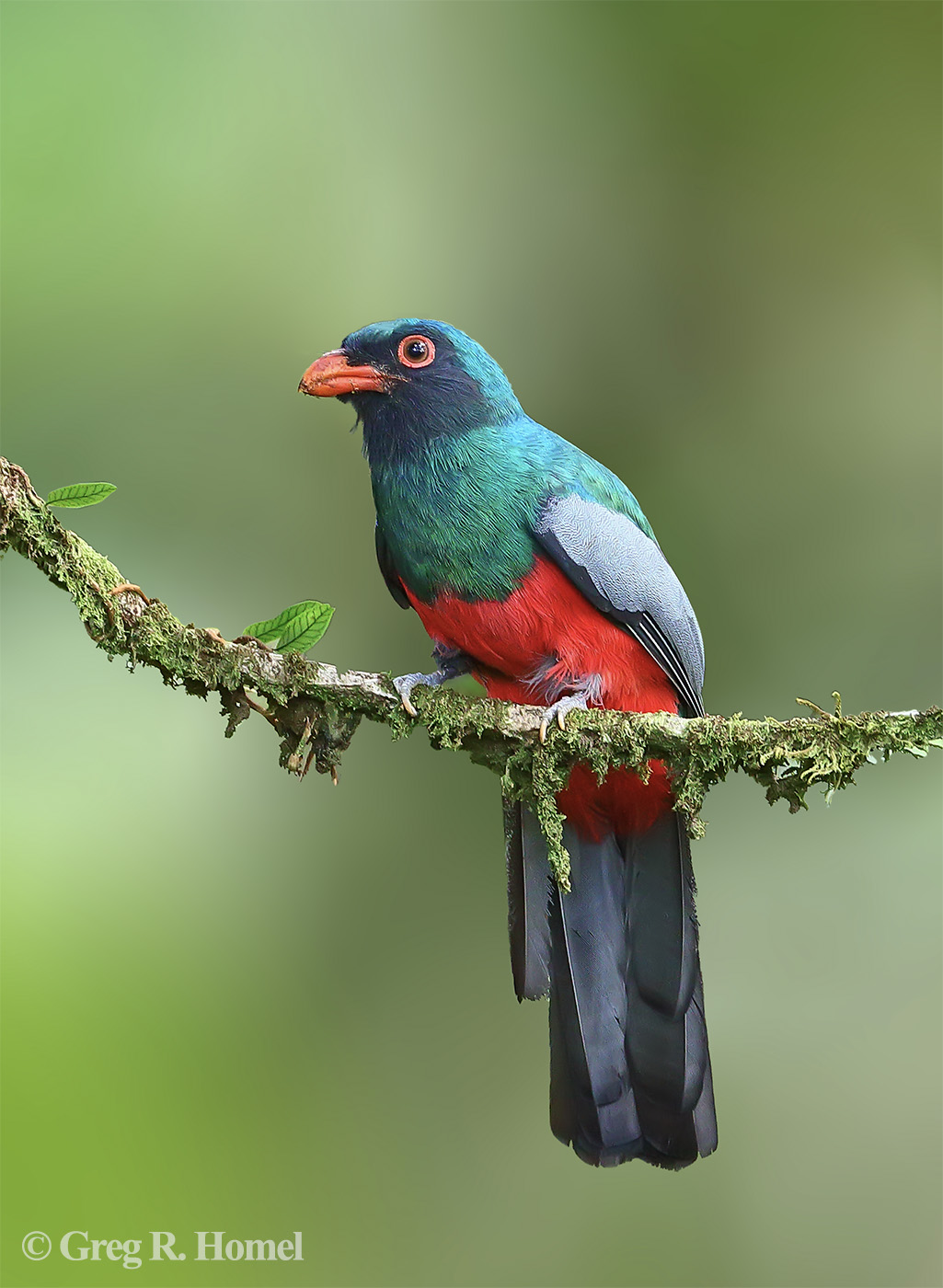
During our stay in this area, we will ply this route both day and night to seek out its avian, mammalian, and herpetological “treasures.” From Hotel Puerta Calakmul, we explore the first 30 km of the route. This will feature photography from the canopy-level bridge that spans the railroad tracks of the Tren Maya (Maya Train), providing excellent vantage points to see and photograph Yucatan Amazons. Some examples of other specialties seen along this exciting route are Thicket Tinamou (which can often be seen closely at roadside as we drive slowly during crepuscular hours), regional Yucatán endemic Ocellated Turkey, endemic Yucatan Woodpecker, Yucatan Jay, Altamira Oriole, and Black-headed, Gartered, Collared, and Slaty-tailed Trogons, in addition to a wide range of forest understory birds: Mayan Antthrush; several woodcreepers, including Ruddy and Tawny-winged; Stub-tailed Spadebill; Northern Bentbill; Yellow-olive Flycatcher; Red-throated and Red-crowned ant-tanagers; Blue-black Grosbeak; etc.
The route, which traverses pristine dry tropical forest and extensive tintal (flooded thorn forest) can be productive for tintal specialties such as the regionally endemic Gray-throated Chat and Yucatan Flycatcher, as well as, at night, Middle-American Screech-Owls. With luck, regional Yucatán endemic Yucatan Poorwill may also be heard or seen.
As with the rest of the Yucatán, the region is rich in orioles, with Hooded, Altamira, Black-cowled, and orange varieties being resident; Baltimore and Orchard orioles join the party during the winter months, along with Wood Thrush, Gray Catbird, and legions of warblers, most of which breed in the eastern part of the United States and Canada.
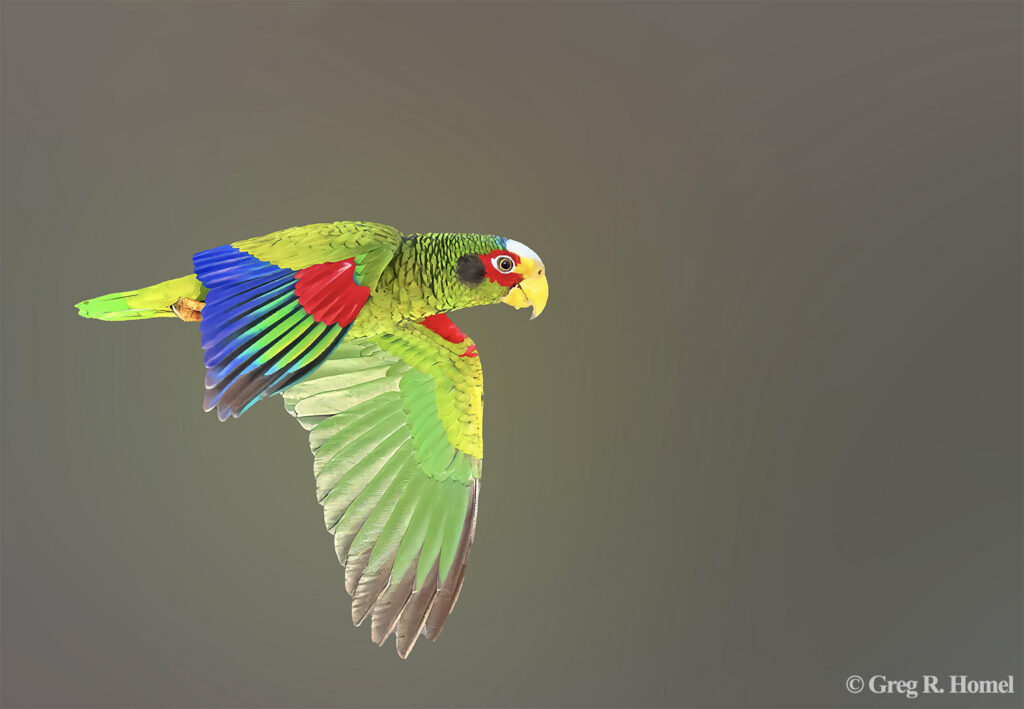
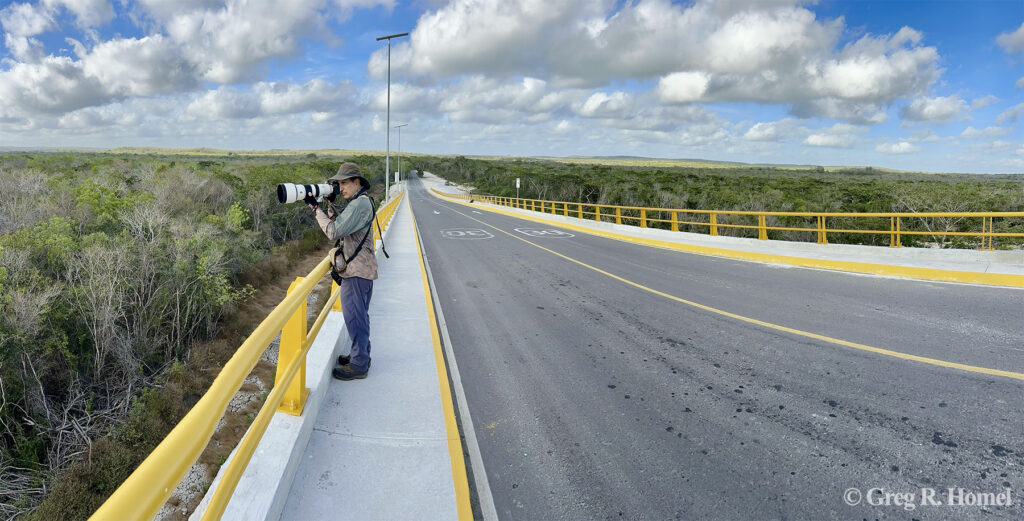
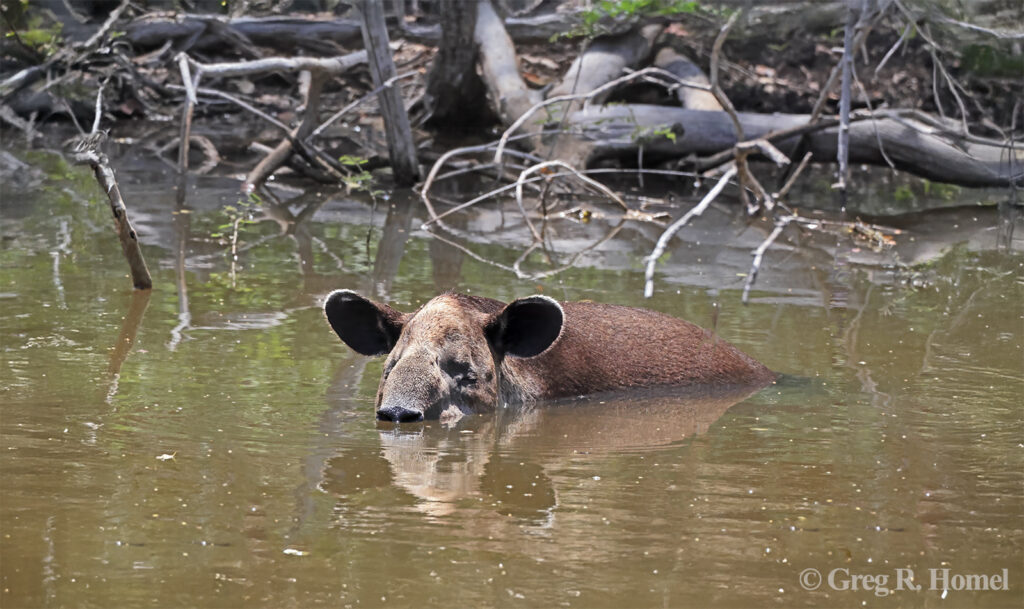
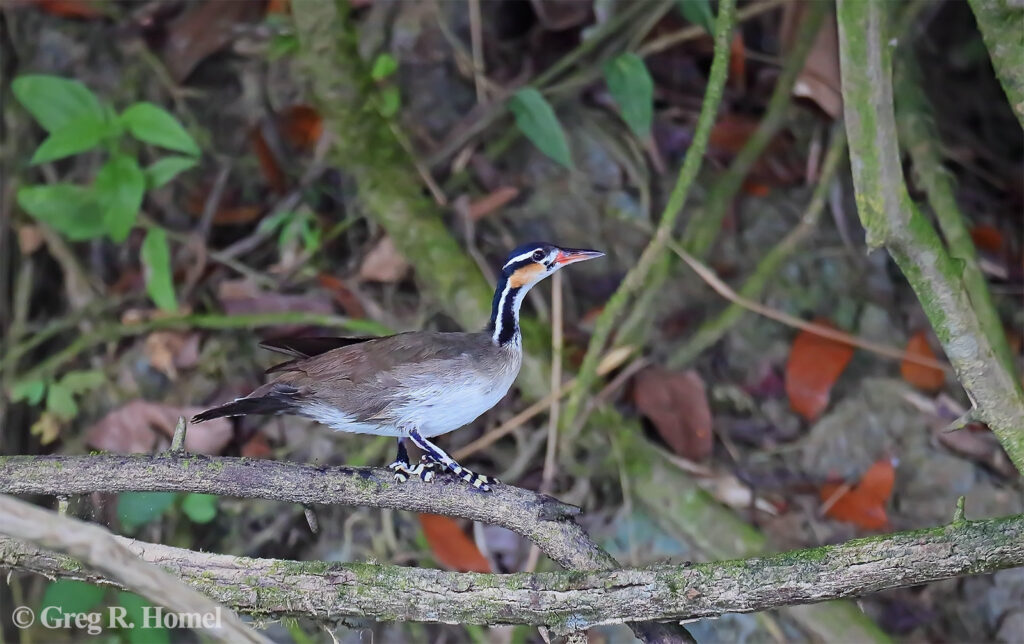
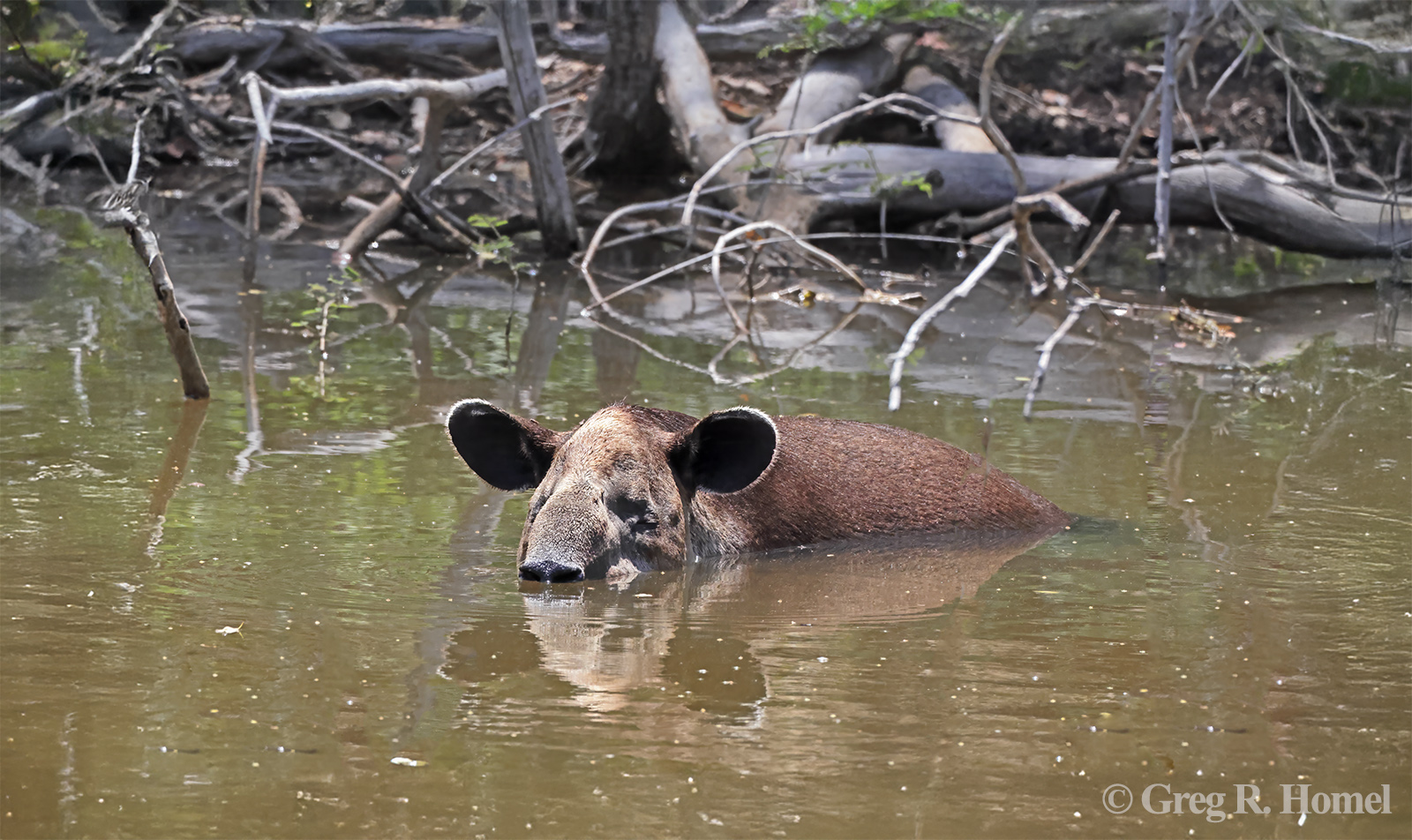
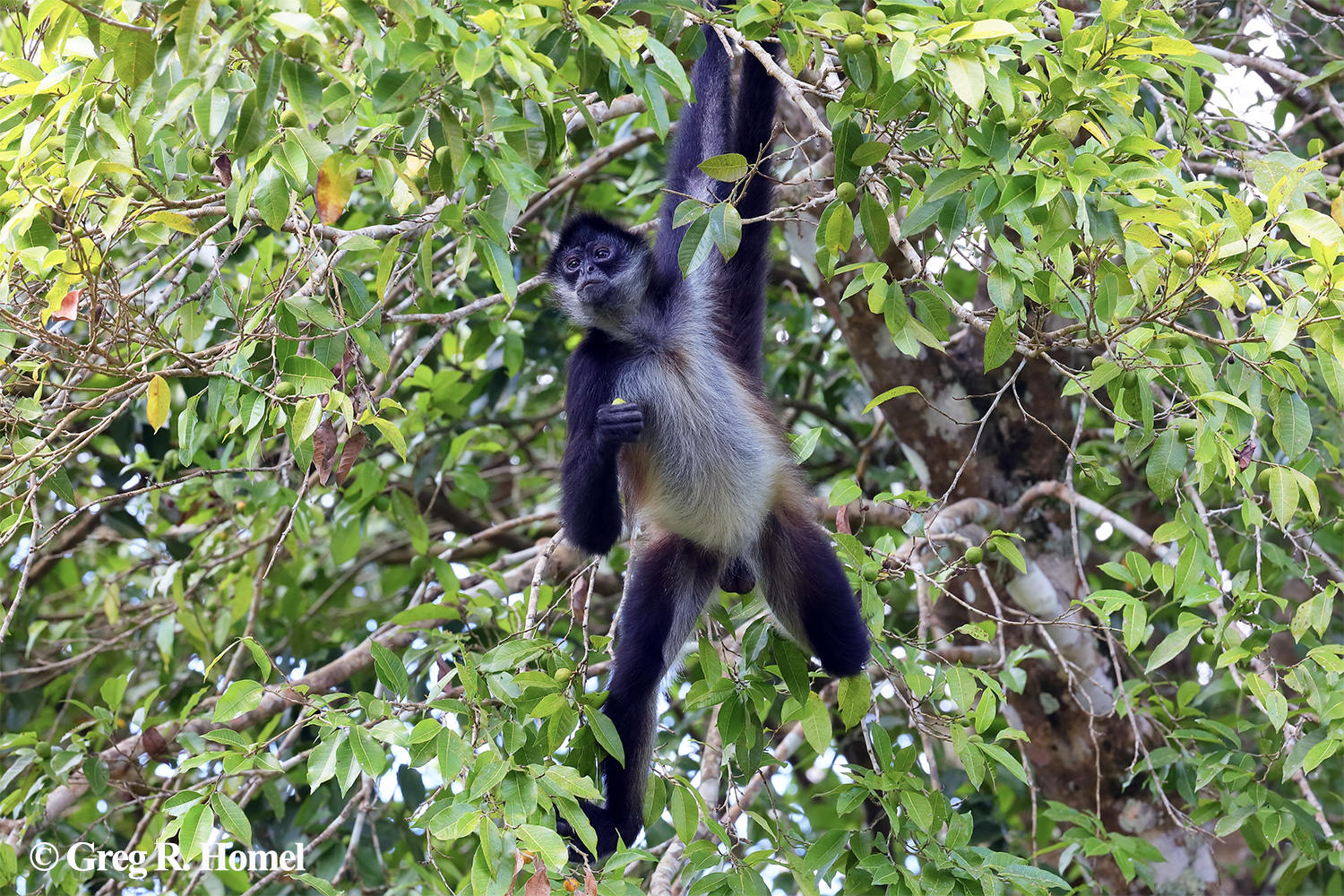
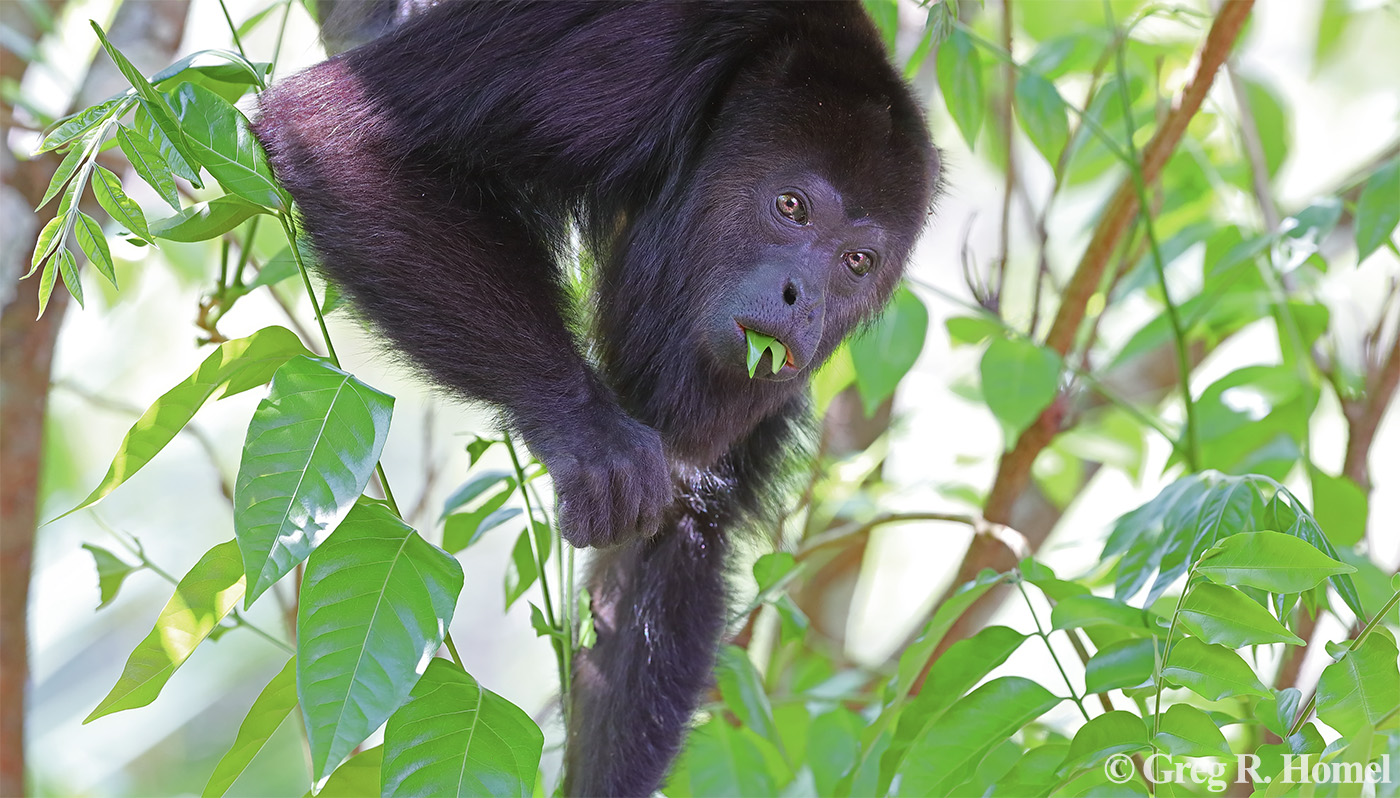
At dusk and dawn, and during the evening hours, White-fronted and Red-lored Amazons fly overhead, while neotropical mammals, including White-nosed Coati, and Gray Fox — and even Jaguars have been reported by lucky visitors traveling along Calakmul’s entrance road, although we have never encountered these enormous cats. But we have encountered Central American Tapirs, Central American Spider Monkey, Yucatan Black Howler-Monkey, Northern Tumandua, and many others.
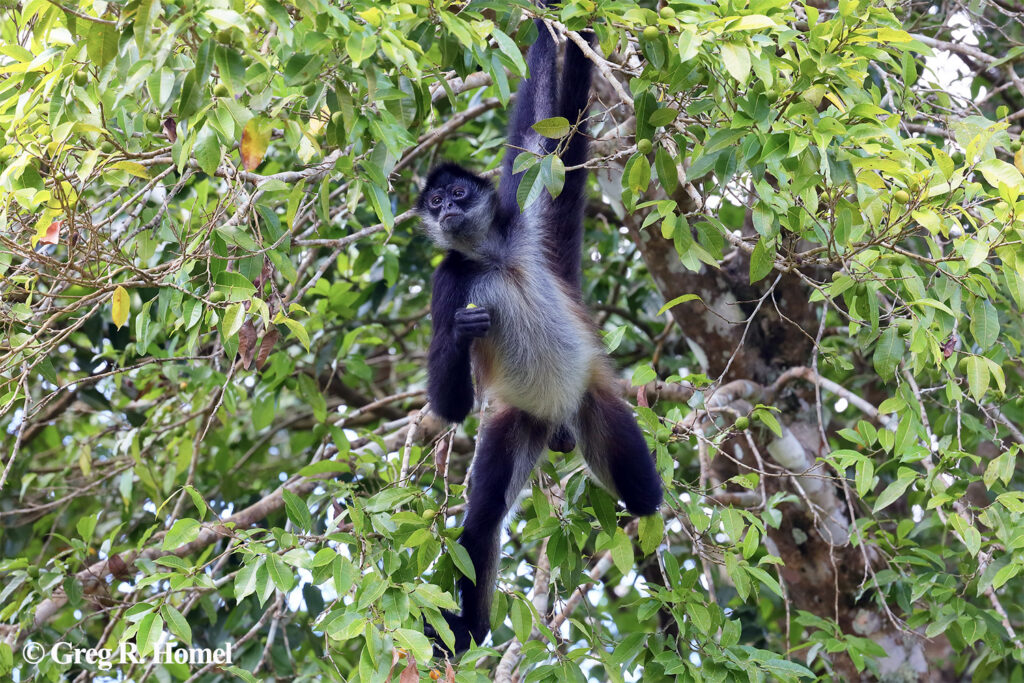
Although it is not realistic to expect to see a Jaguar here in Mexico’s “Jaguar Forest” (for that, we visit Brazil’s Pantanal on another expedition), you never know….
In the afternoon, we bird and watch for bats (a large colony of Mexican Free-tailed Bats emerges as an impressive haze near our hotel) along the main highway leading from Chetumal, Quintana Roo, to Escarcega, Campeche.
Lodging at the Hotel Puerta Calakmul, Campeche.
Day 11
We enjoy our first full day of tropical forest birding and photography along the first 42 km of the 64 km access road linking Hotel Puerta Calakmul with the Calakmul ruins deep within the biosphere reserve. Our first stop in the early morning will be the canopy-level bridge above the Tren Maya tracks, where we will photograph a wide variety of birds and eye level as they fly by and frolic at treetop level, a perspective not possible before construction of the railway.
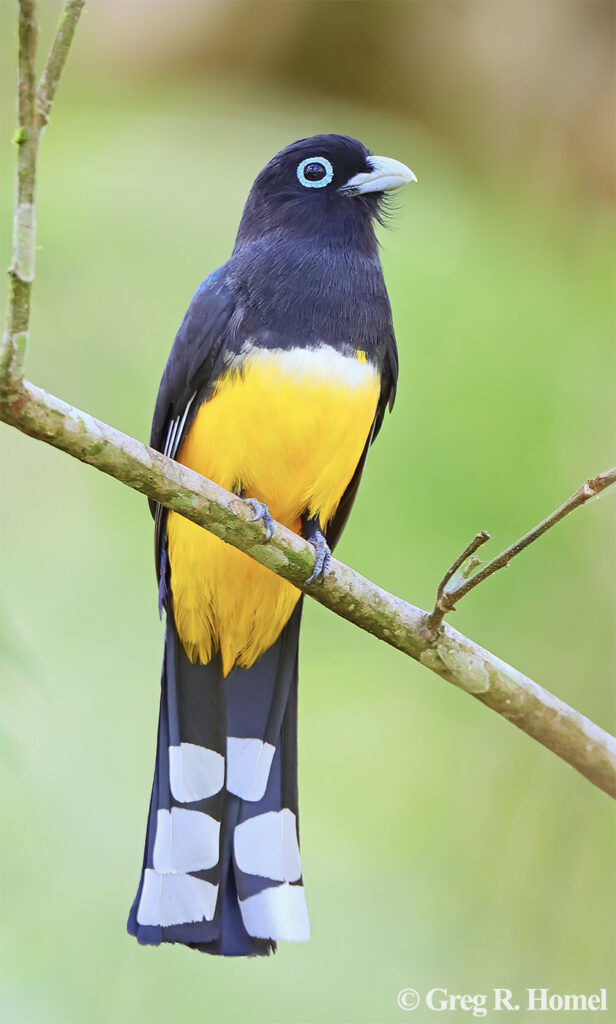
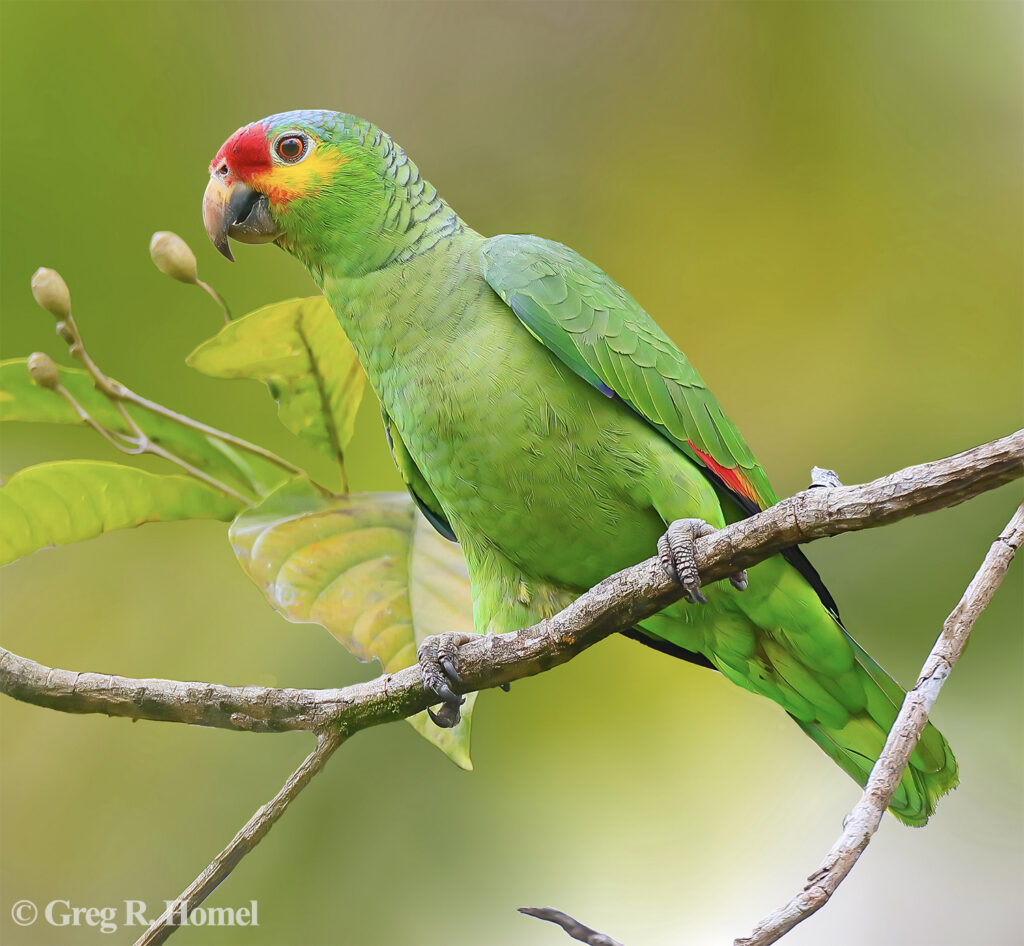
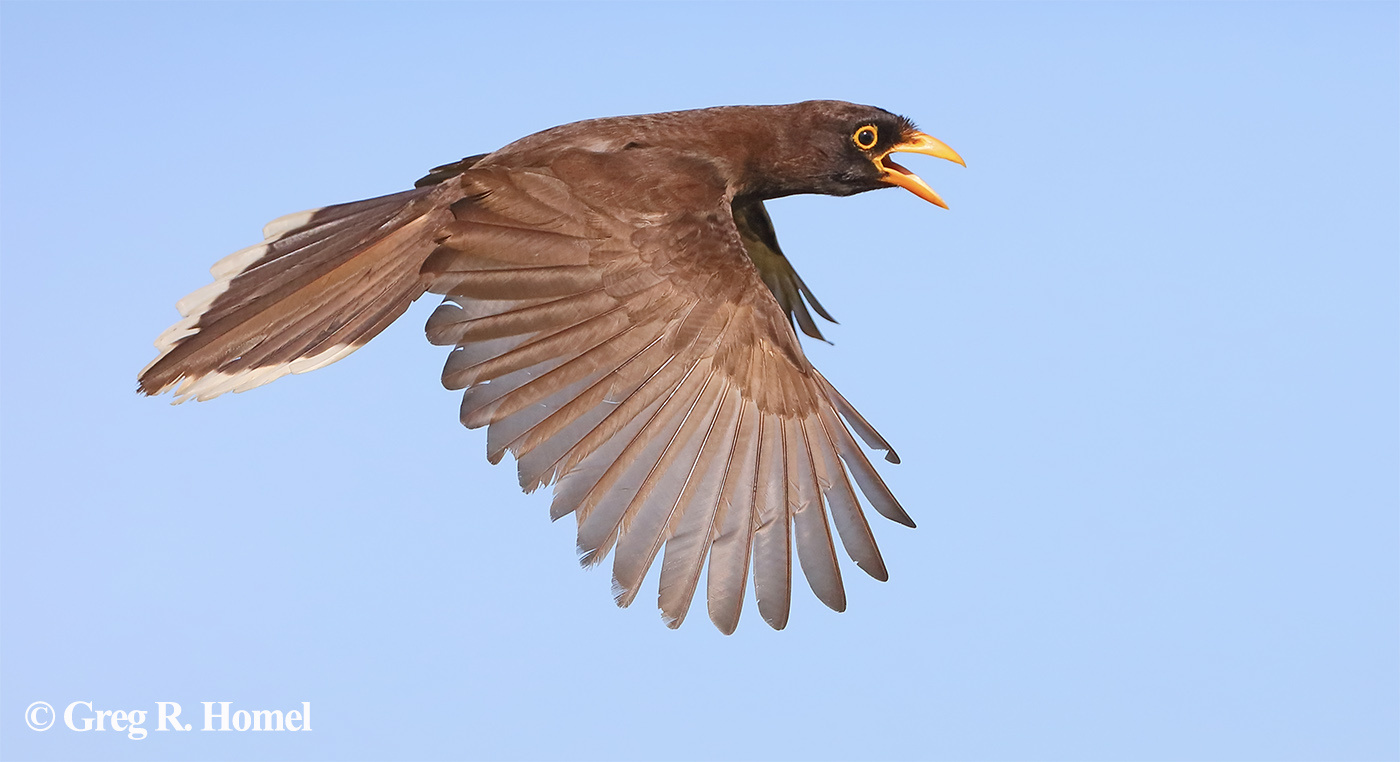
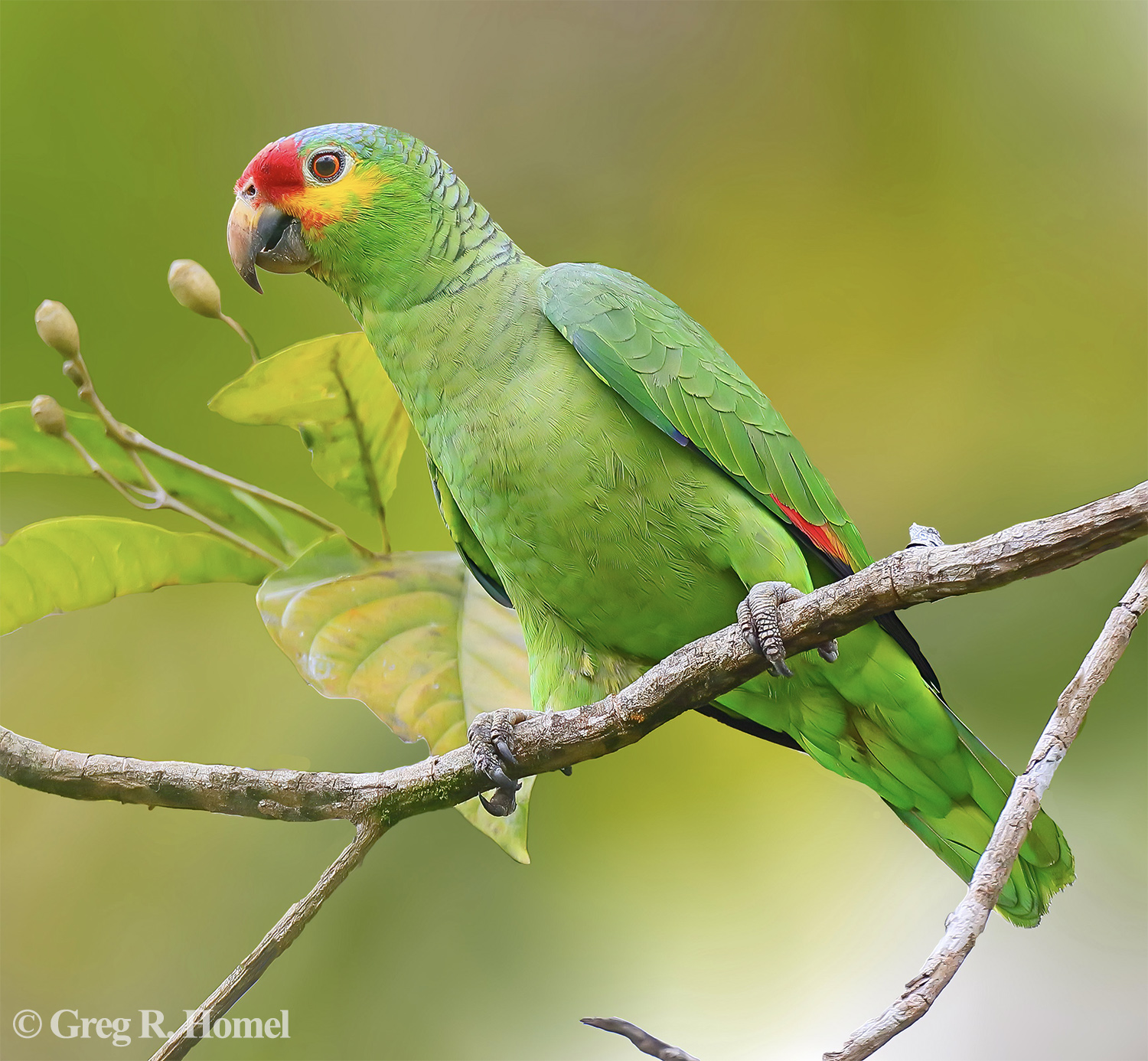
Some examples of frequently encountered birds here include Yellow-lored (Yucatan Amazon, Black-headed trogon, Couch’s Kingbird, Boat-billed Flycatcher, Brown and Yucatan jays, etc.
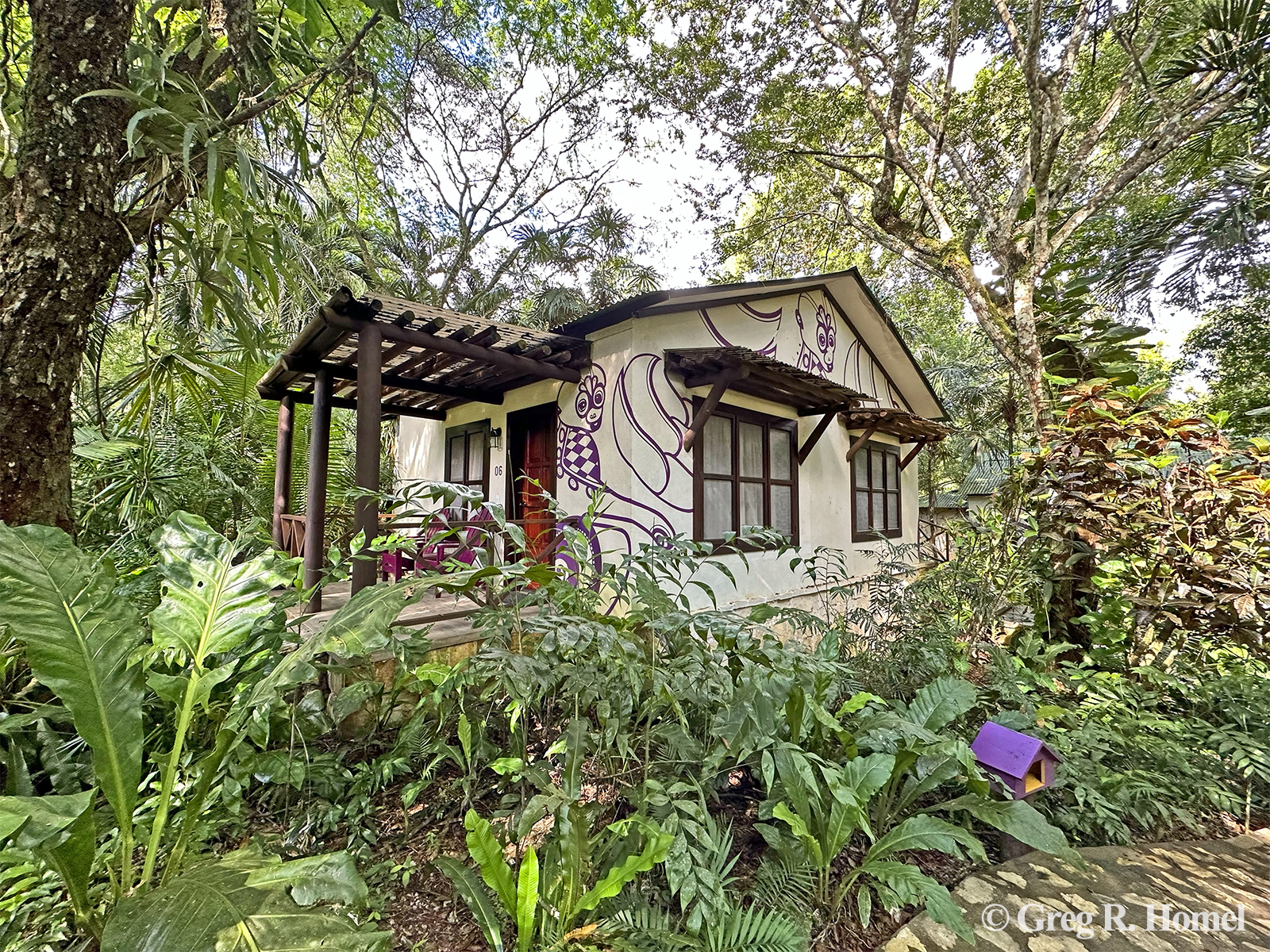
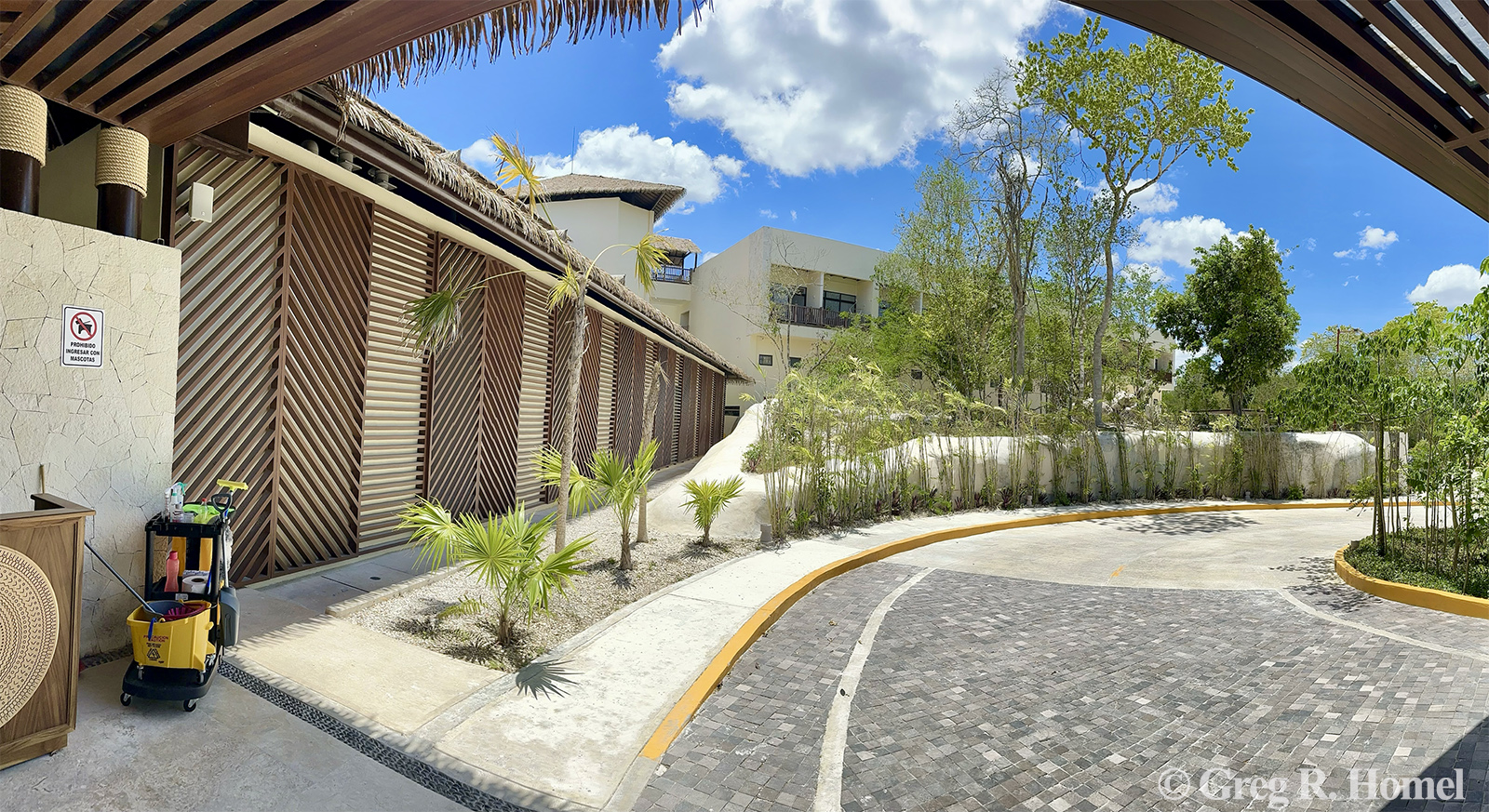
We will have brought our luggage along in order to conveniently lodge at a new, top-quality hotel built deep in the forest, within 12 km of the Calakmul ruins: the remarkably fine Hotel Tren Maya Calakmul, Campeche, itself a birding hotspot.
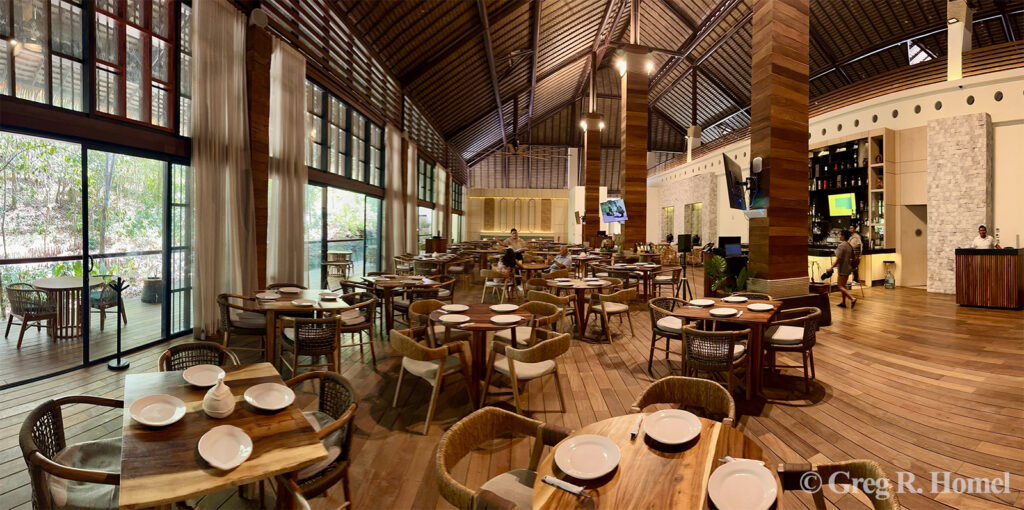
Lodging at the Hotel Tren Maya Calakmul, Campeche.
Days 12–13
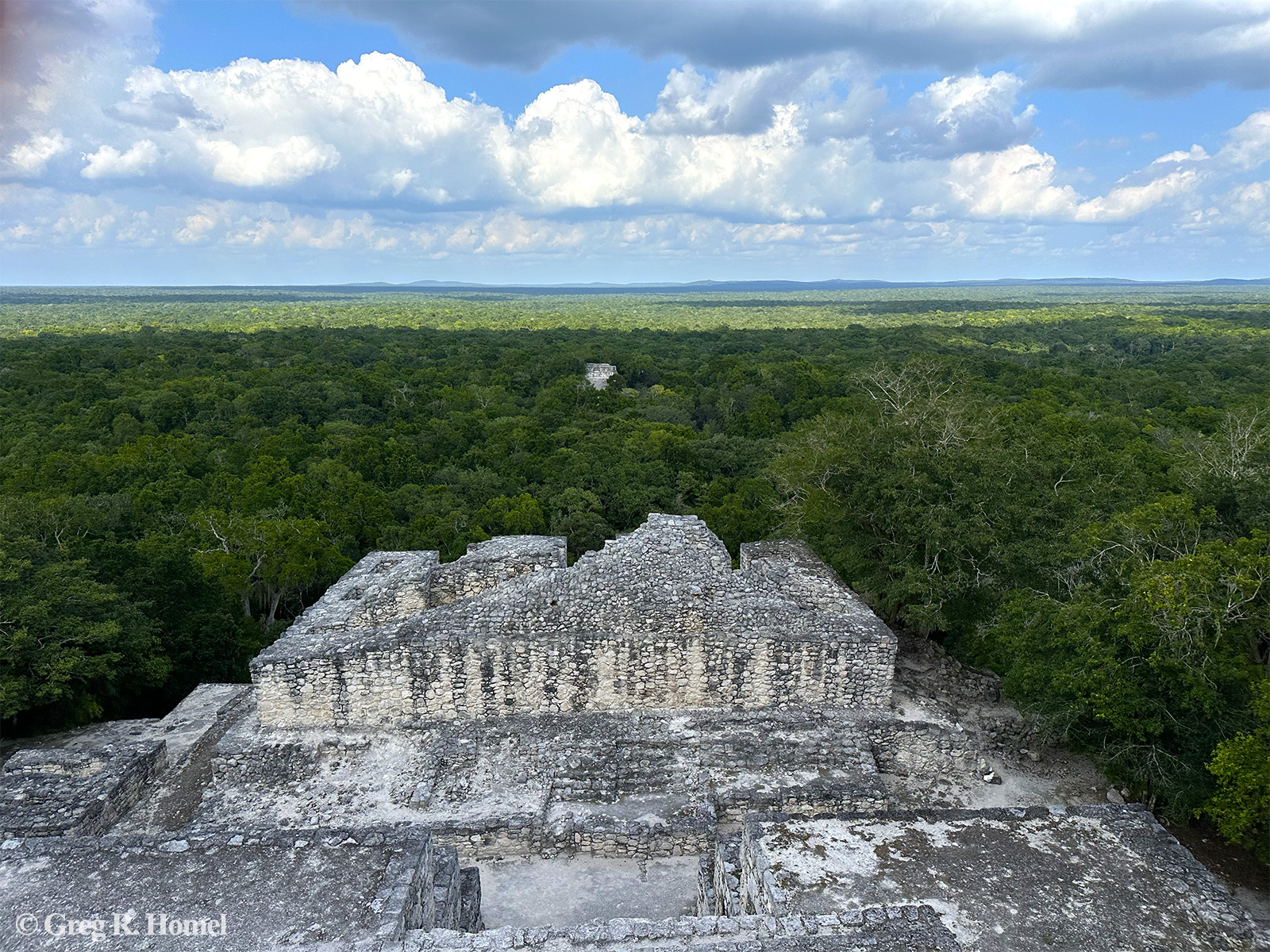
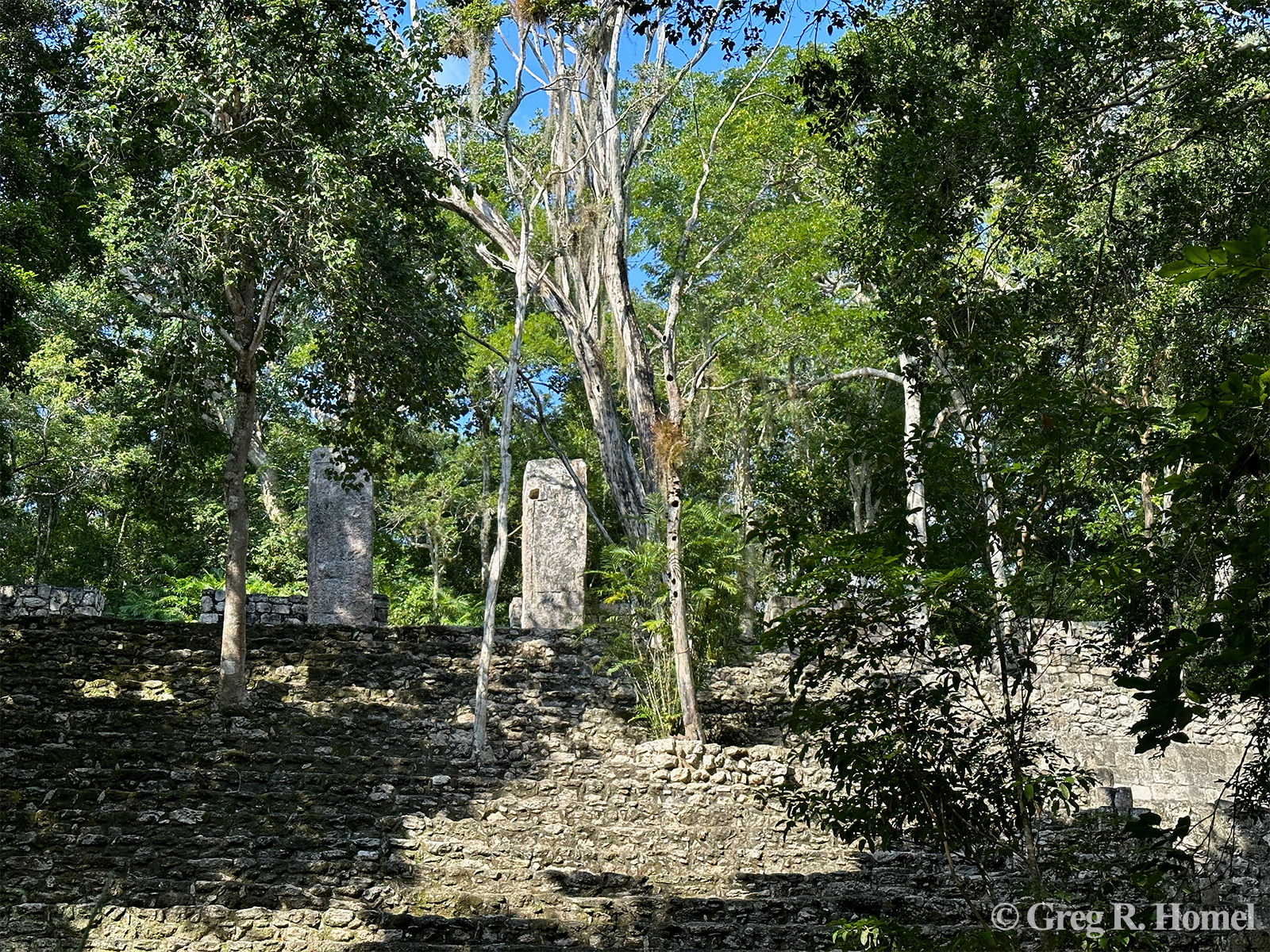
After a restful night in our comfortable rooms deep within Calakmul’s extensive forest, we will enjoy more days of tropical forest birding and photography at Calakmul by visiting the ruins in the early morning. These are readily accessible from our hotel.
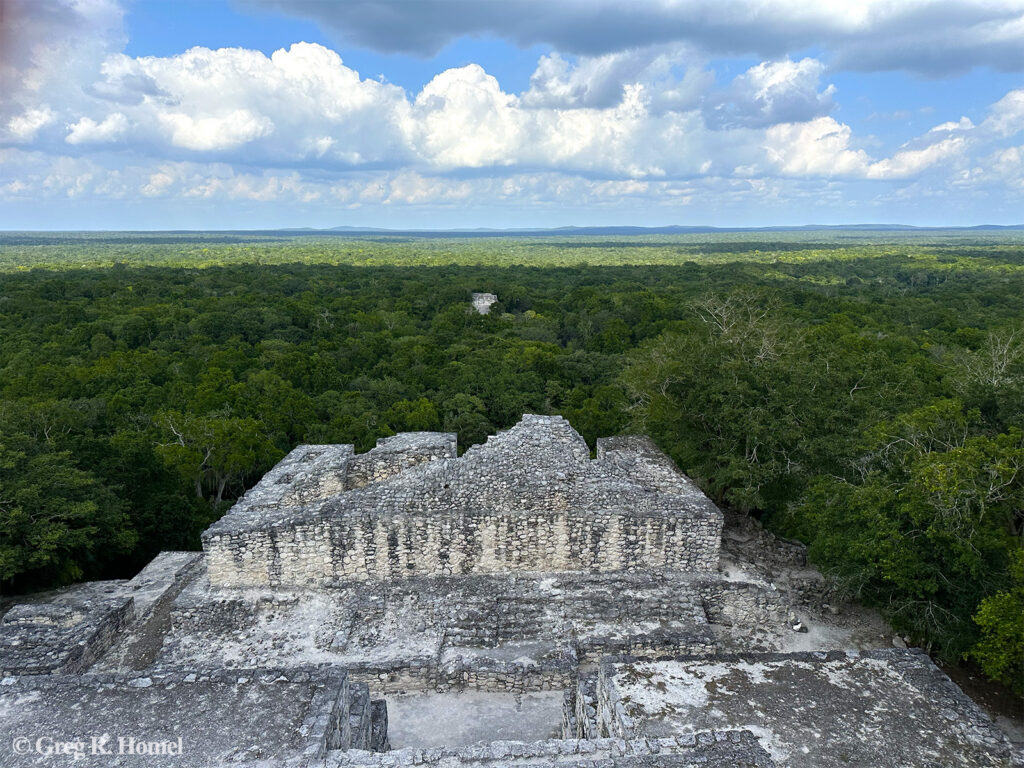
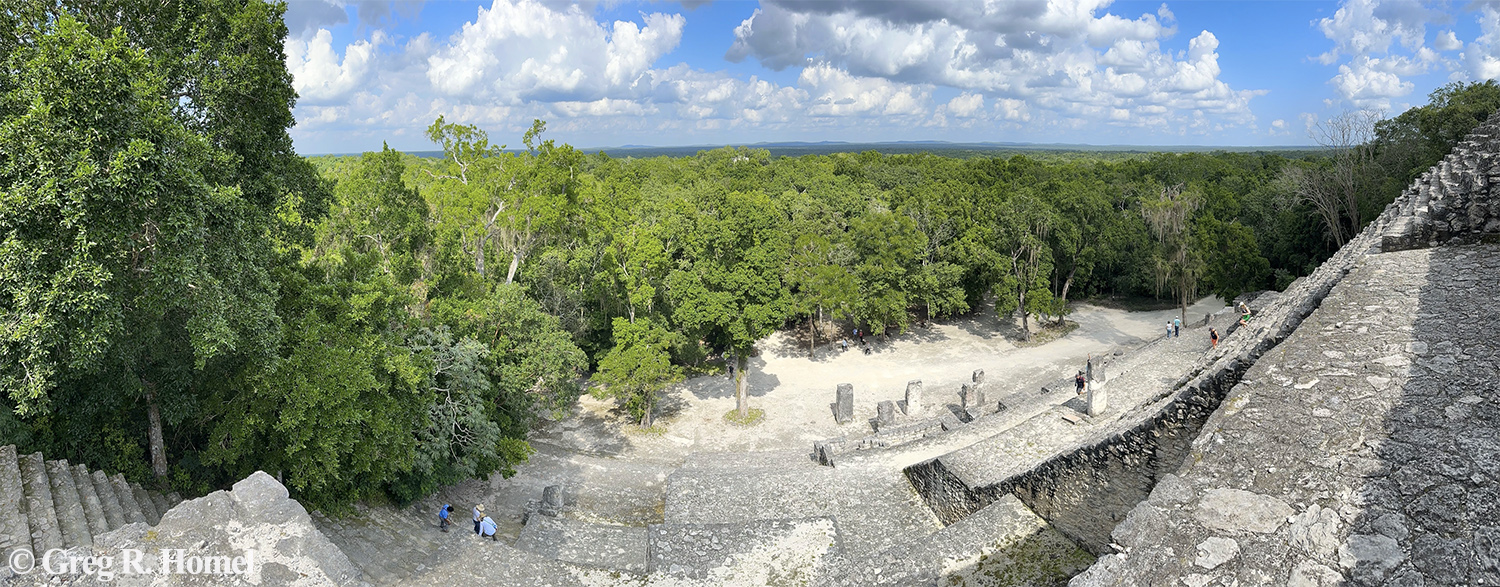
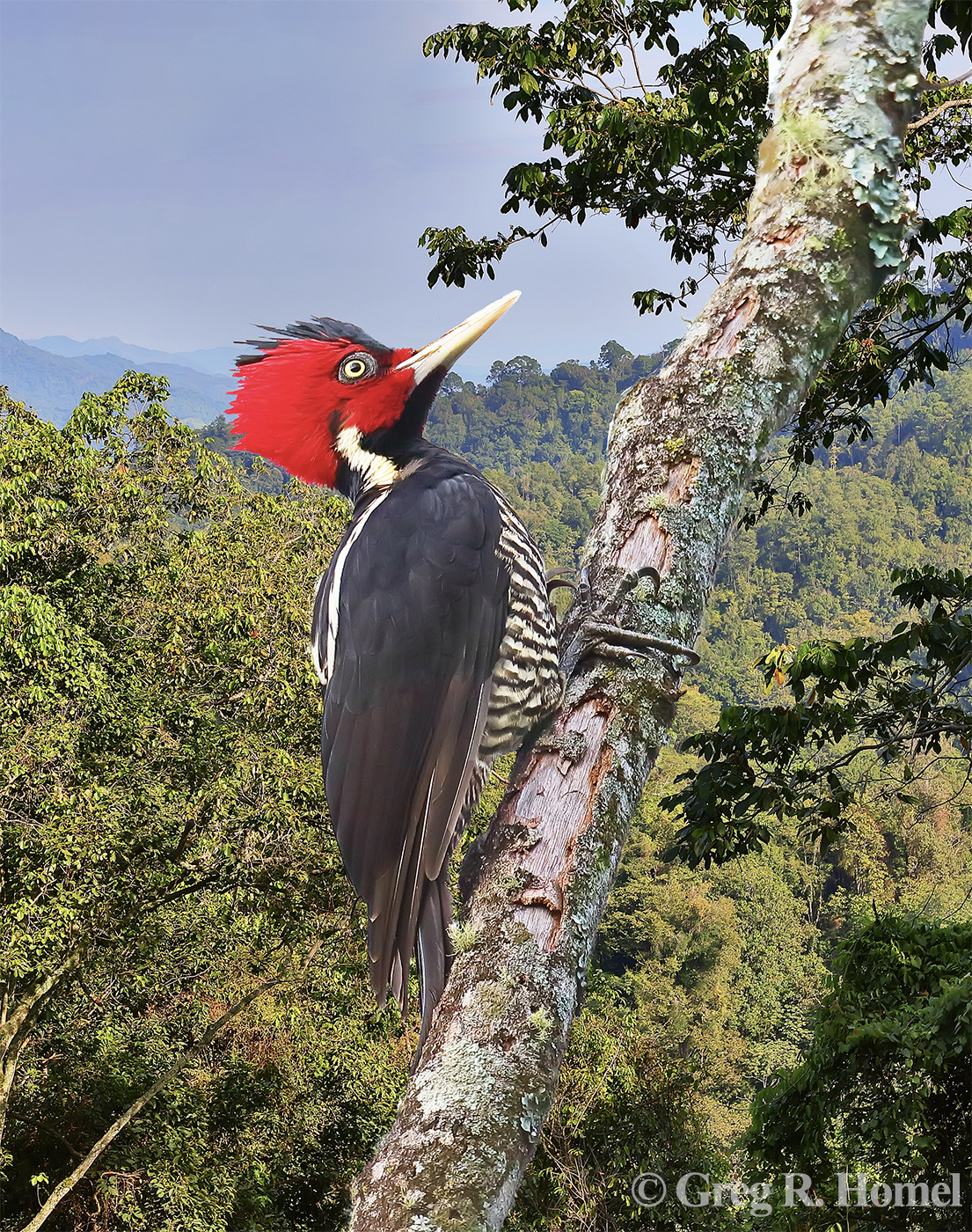
From the elevated perspective afforded by the tops of the ruins it is often possible to view canopy birds and primate, ranging from Keel-billed Toucan to Bat Falcon, Pale-billed Woodpecker, and even both Yucatan Black Howler-Monkeys and Central American Spider-Monkeys. On the forest floor, Singing Quail, Ocellated Turkey, Russet-naped Wood-Rail, and Mayan Antthrush are frequently seen, as well.
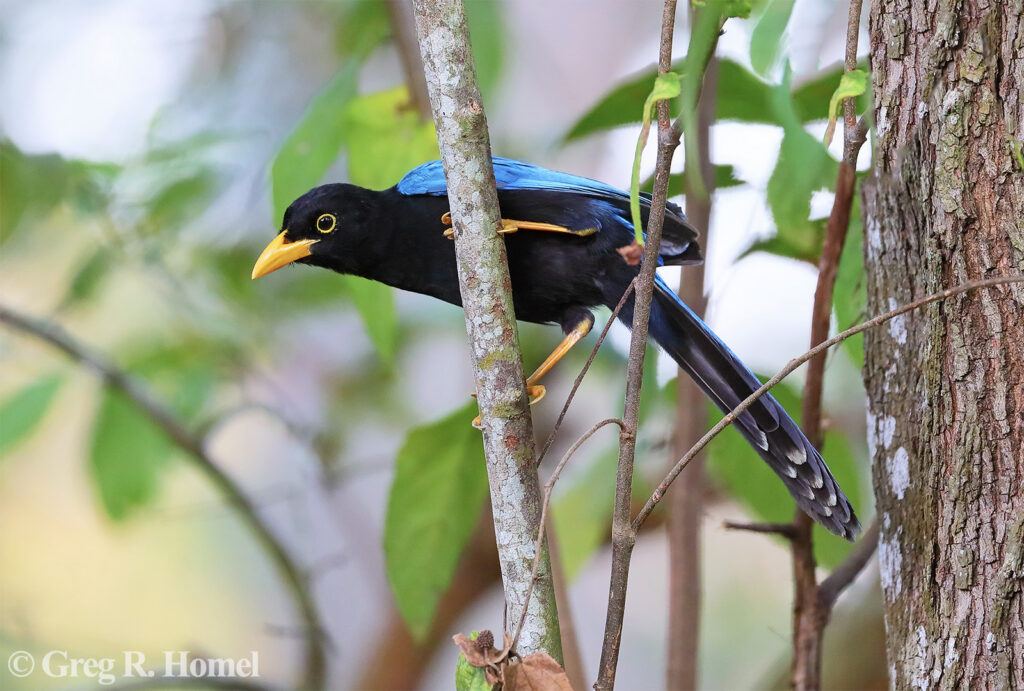
Enjoy owling and star-gazing after dinner.
Lodging at the Hotel Tren Maya Calakmul, Campeche.
Day 14
Today we will enjoy a final morning of birding at Calakmul before a scenic drive to Chetumal (225 km; 3 hr 15 min) on the Caribbean coast, near the border with Belize. At Chetumal, you catch a flight to Mexico City for either connection to your home-bound flights or to travel on with us for the post-extension portion of the expedition in splendid Tikal, Guatemala (Part IV).
End of services for the main tour. Thanks for adventure traveling with Natural Encounters Birding and Wildlife Photography Tours/Birding in Mexico!
Part IV: Optional Post Extension: Tikal National Park, Pétén, Guatemala (Days 14–18)
Day 14
Having arrived in Mexico City after the main trip, we overnight here in advance of our flights to Guatemala City.
Lodging at Clarion Suites or similar.
Day 15
We fly from Guatemala City in advance of our commuter flight to Flores in the wild Petén Department. At Flores, we meet our local guide, Luis Oliveros, and check in at the very fine Hotel Villa Maya. We will then embark on our first expedition for Yellow-breasted Crake on Lago Petén Itzá.
Lodging at the Hotel Villa Maya, Flores, Petén.
Day 16
This morning we make a repeat boating visit to the west end of Lago Petén Itzá for a second crack at the crakes and other exciting aquatic birds. Next, we undertake an overland journey to Tikal National Park (1 hr 10 min/58 km) to begin a day and a half there, with birding and archaeological discovery. We will lodge at the aptly named (and remodeled) Jungle Lodge, within the park itself.
Lodging at the Jungle Lodge, Tikal National Park, Petén.
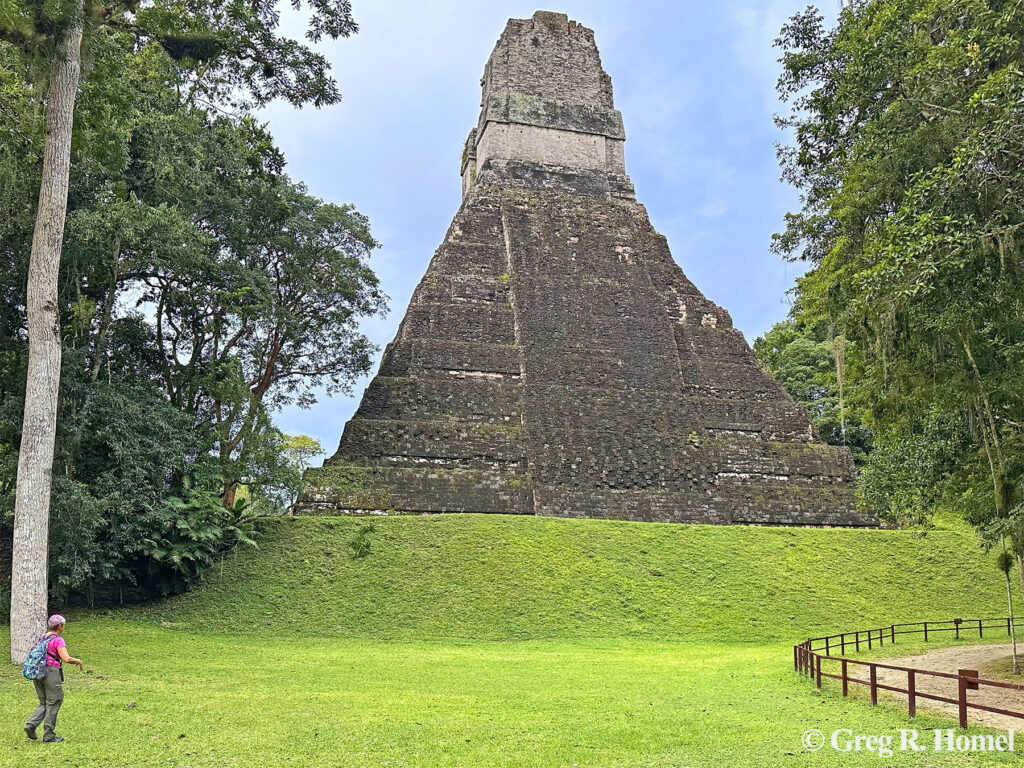
Day 17
We enjoy a full day of birding at Tikal National Park. Some of the activities we may enjoy include:
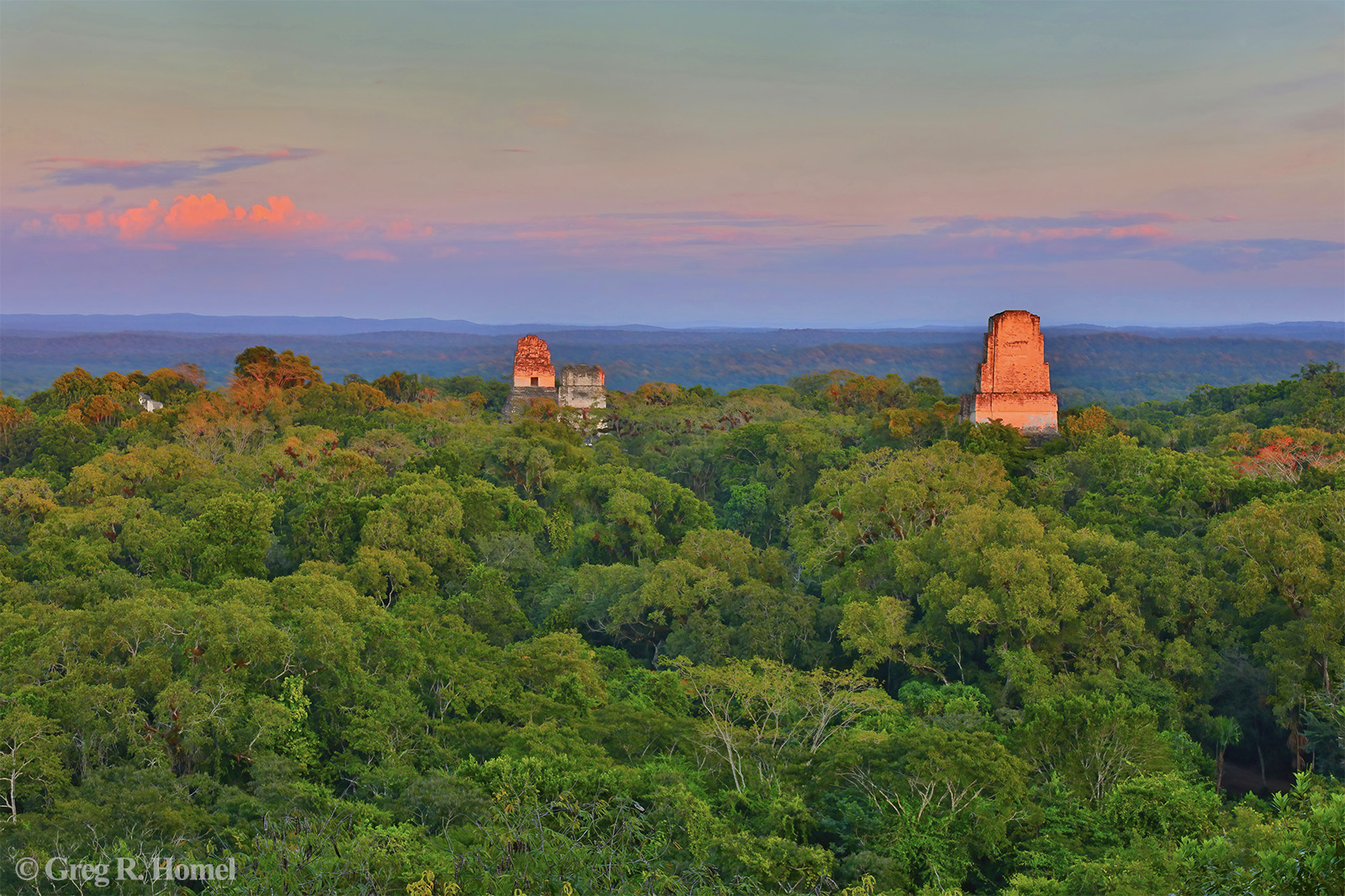
- Wandering and wondering through the heart of Tikal National Park’s tall, pristine tropical broadleaf forest, taking advantage of vistas provided by the highest Mayan ruins.
- Venturing during late afternoon into the wildest part of the park while accessing the Maya Biosphere Reserve and a canopy tower—a Natural Encounters exclusive, virtually unknown to the general public.
- Exploring several aguadas (Mayan freshwater reservoirs), home to aquatic birds and even Morelet’s Crocodiles.
- Walking the old airstrip to access Tikal’s tintal (flooded thorn forest) habitats, including two remote aguadas where tintal specialists reside.
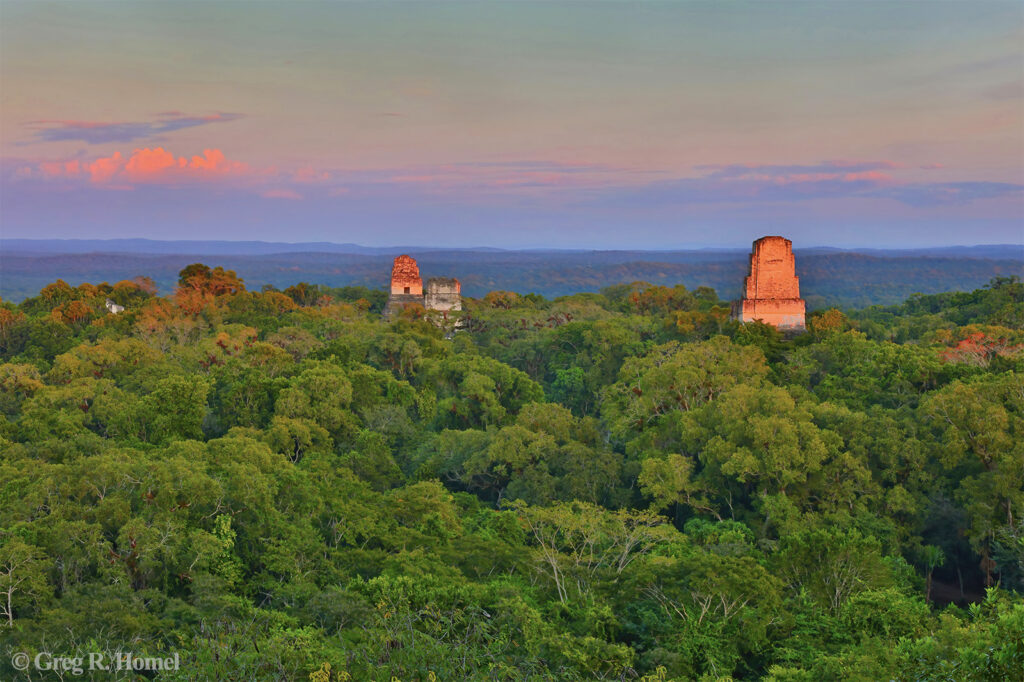
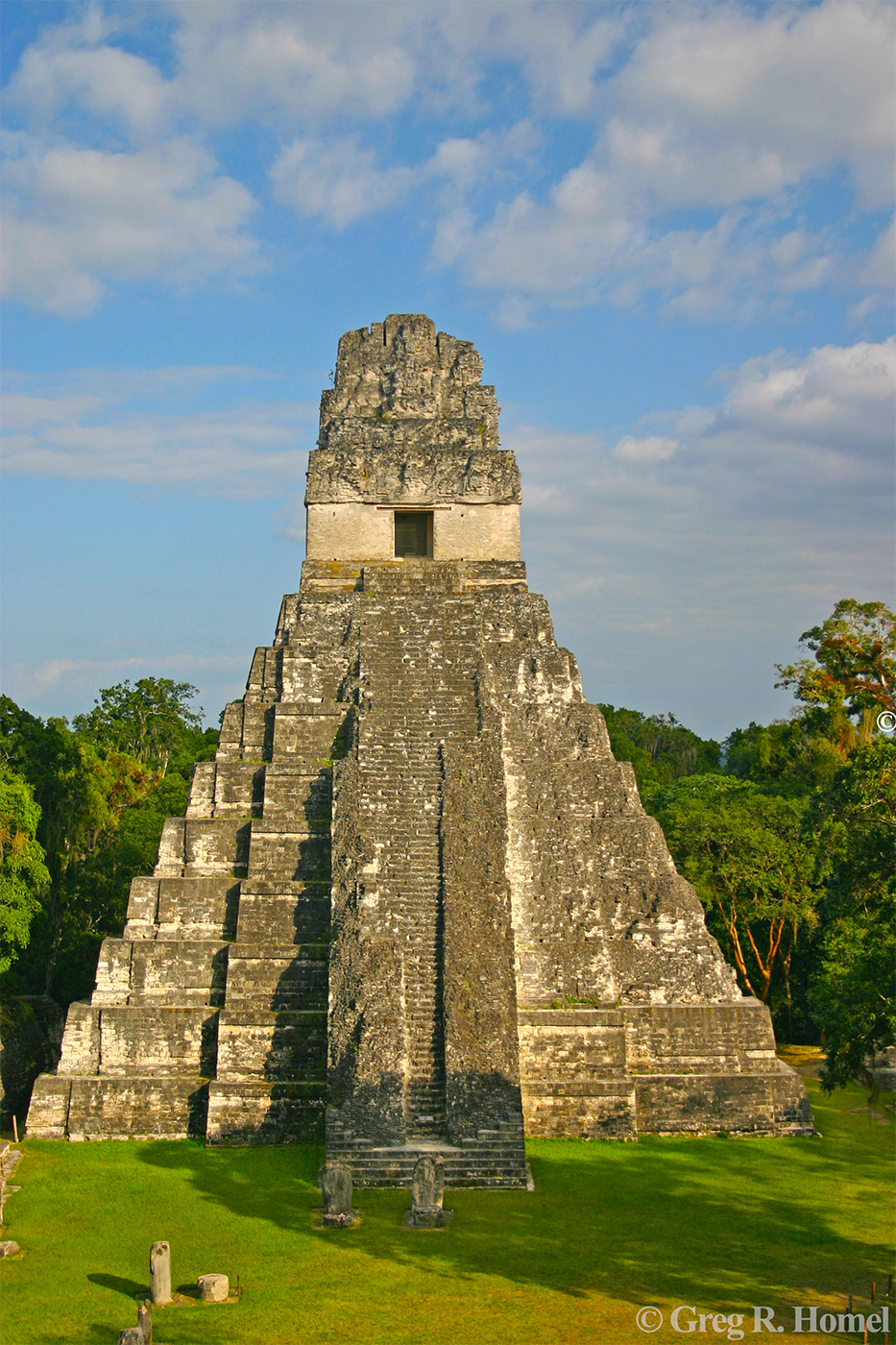
- Viewing the Orange-breasted Falcons of Temple IV and the Lost World.
- Watching the sunset from the vantage of Temple IV.
Lodging at the Jungle Lodge, Tikal National Park, Petén.
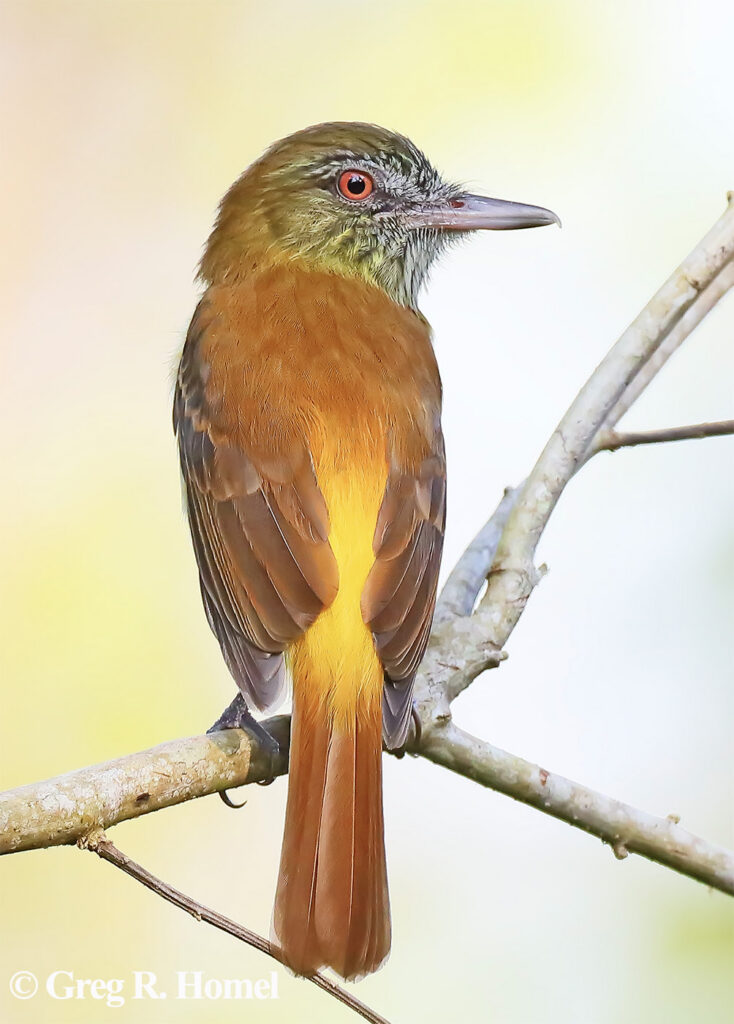
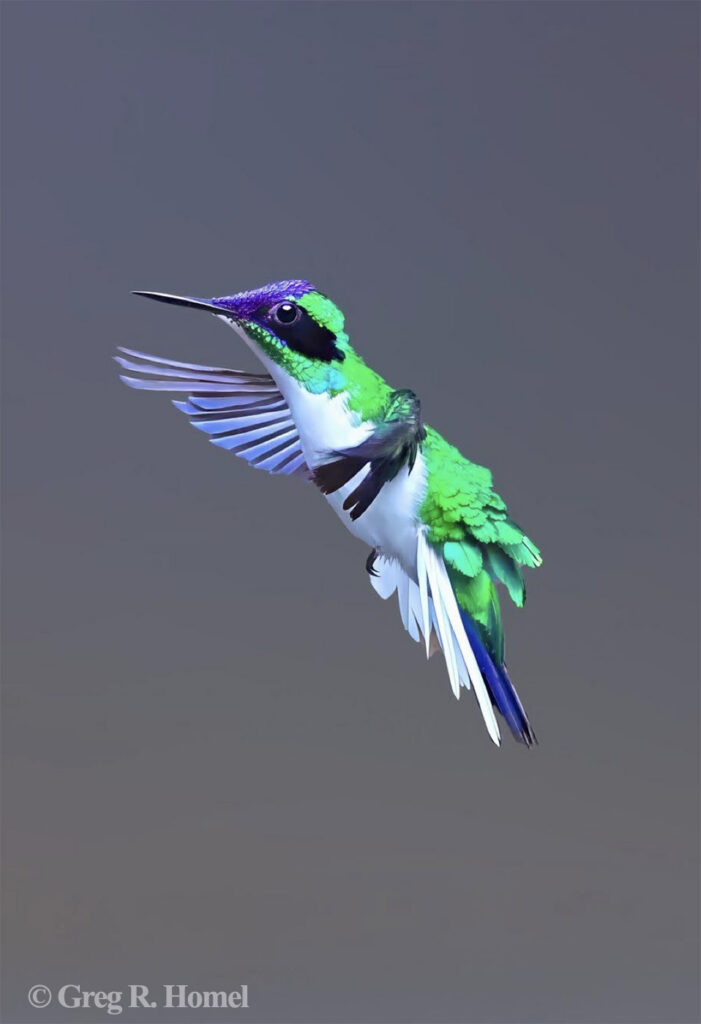
Day 18
Bird Tikal again in the morning before going back to Flores to board our commuter flights to Guatemala City, where you either catch your evening international home-bound flight or overnight in advance of your flight home the next day.
End of services. Thanks for adventure traveling with Natural Encounters Birding and Wildlife Photography Tours/Birding in Mexico!
(Coming soon!)
Click to expand.

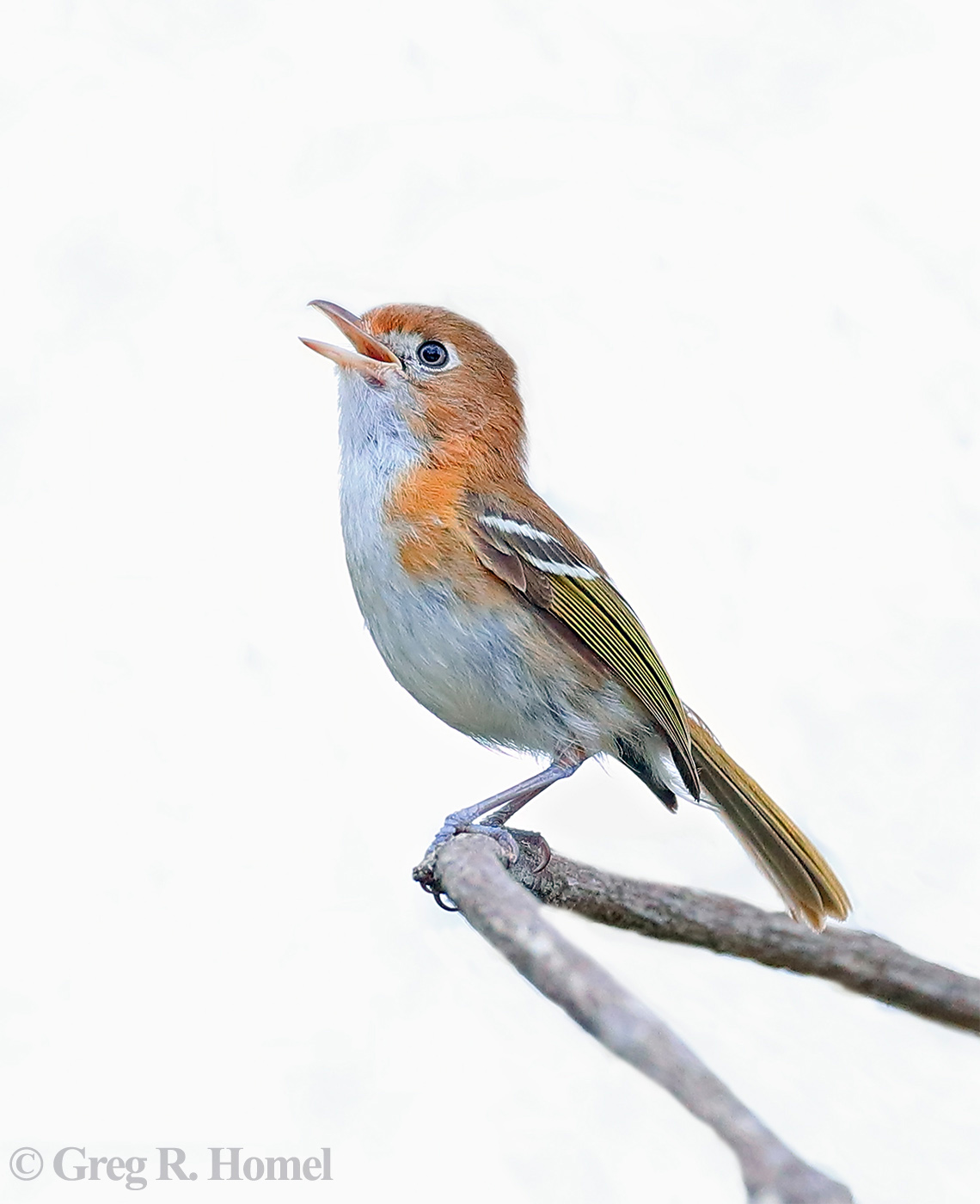
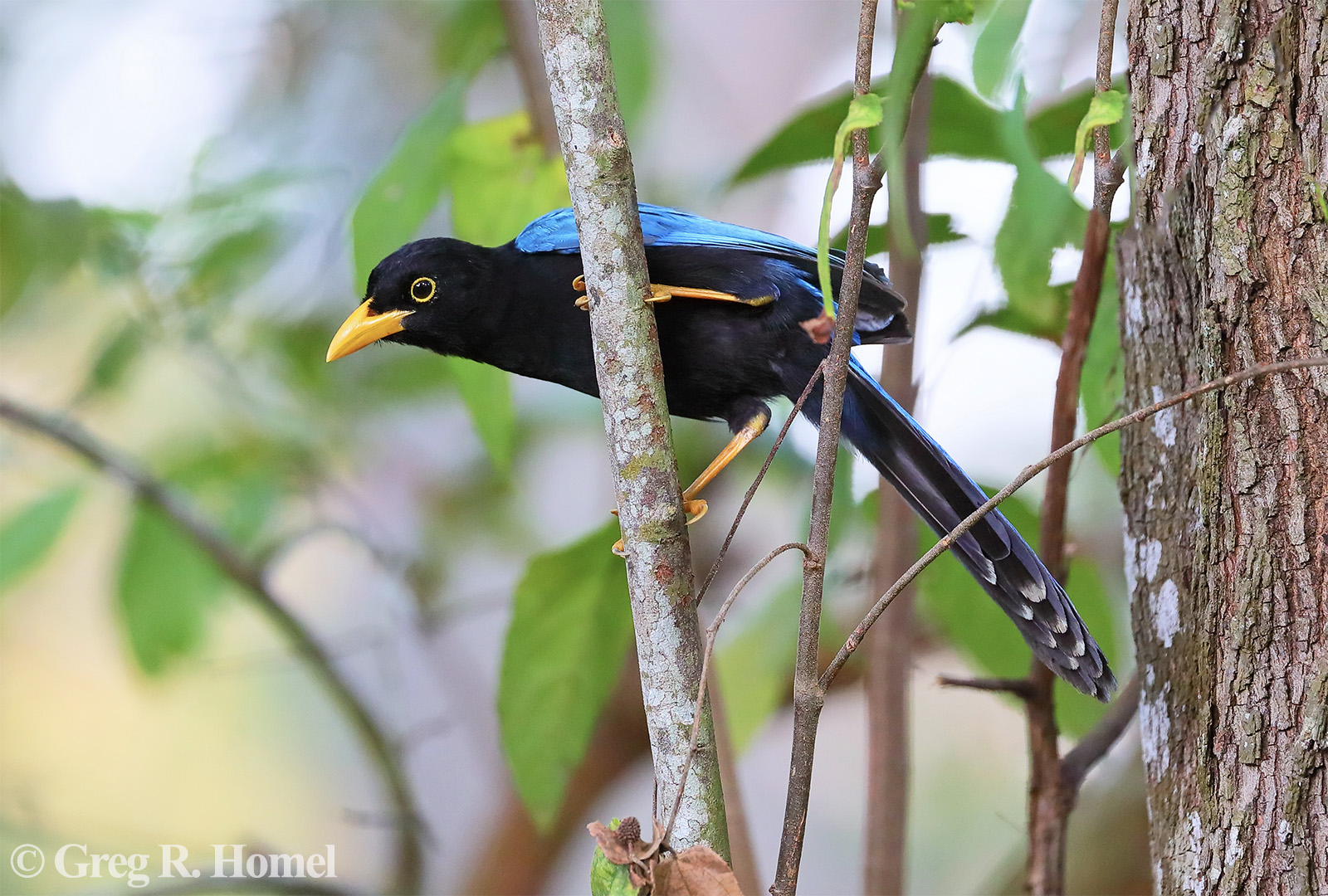
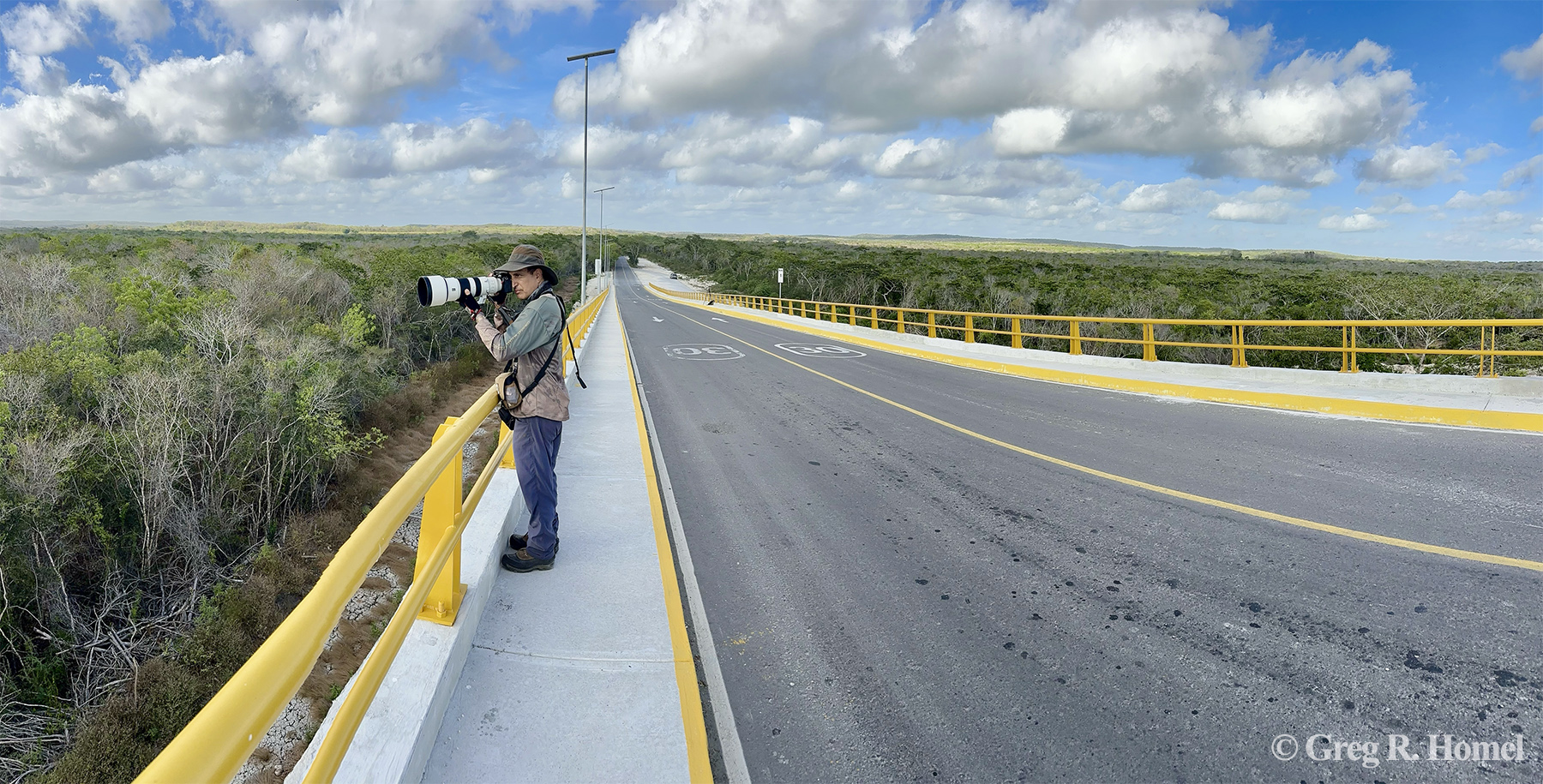
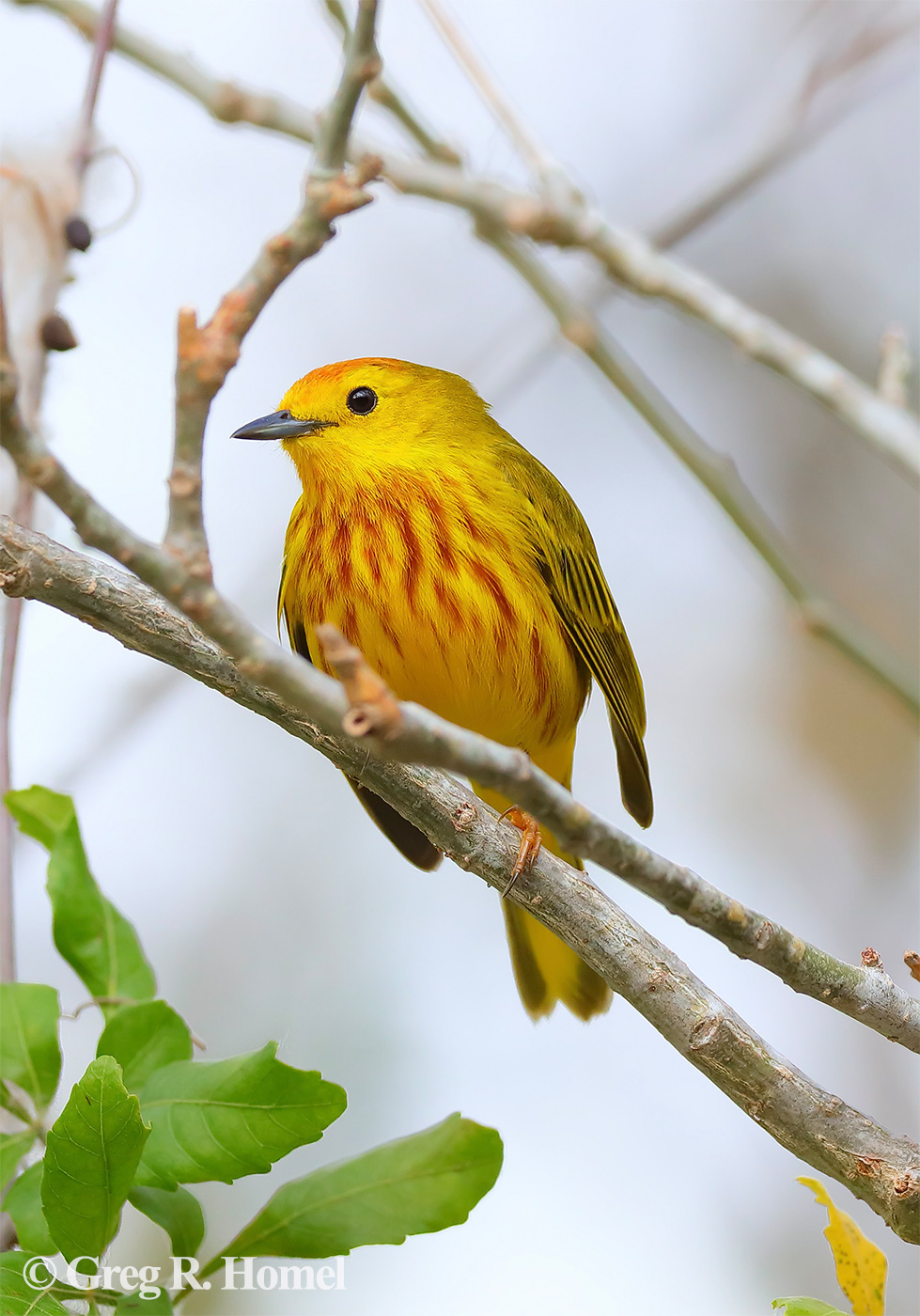
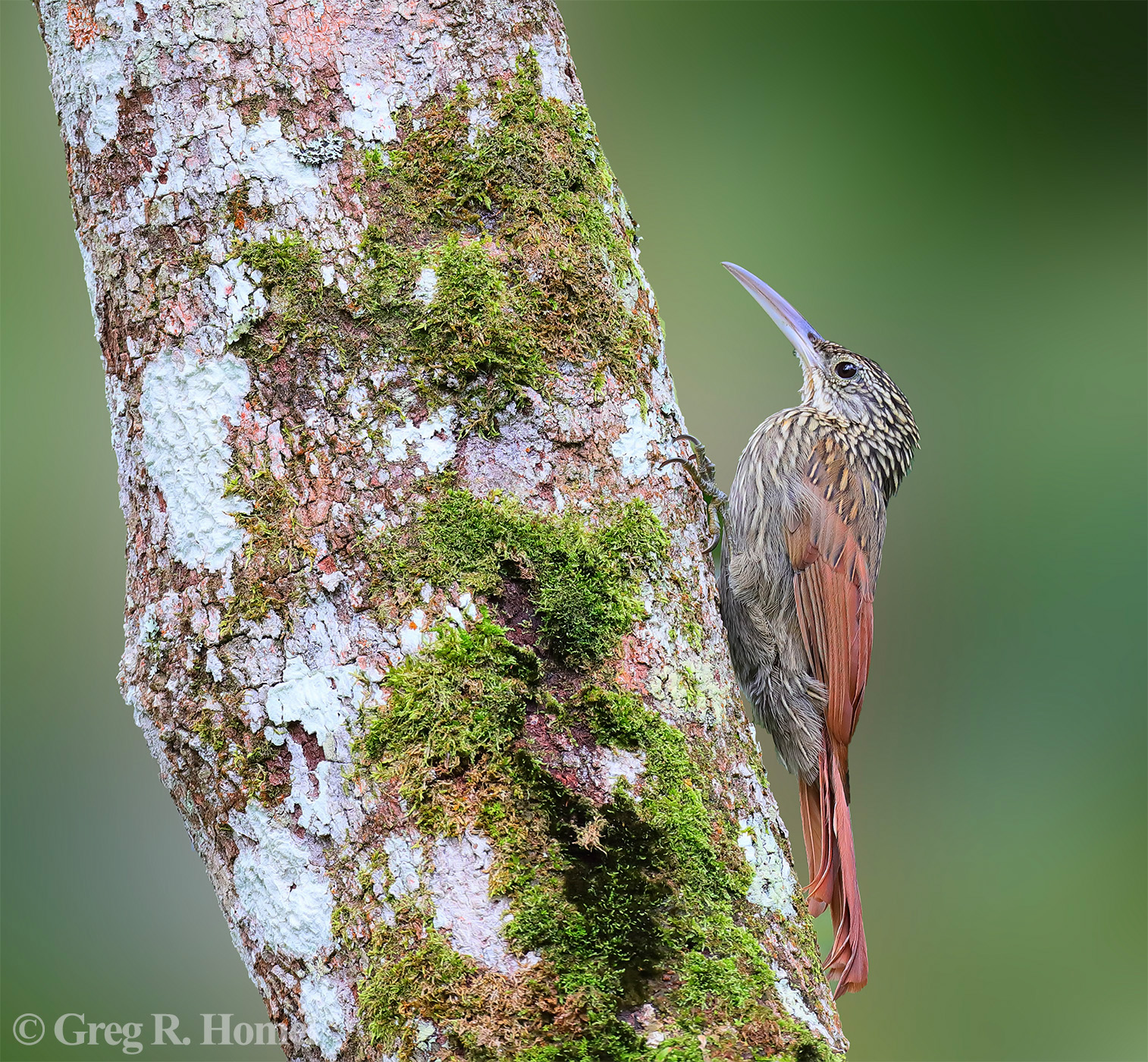
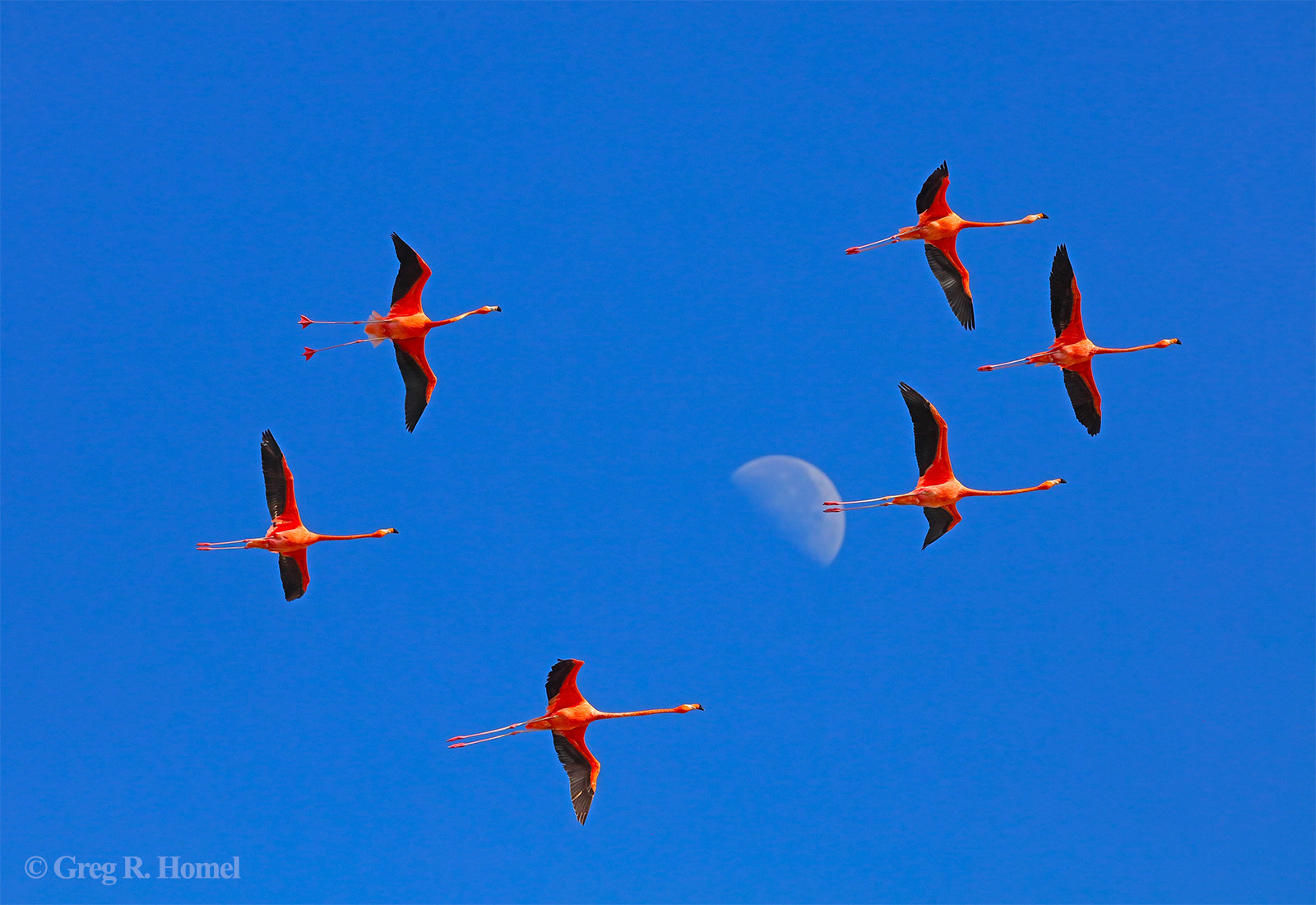
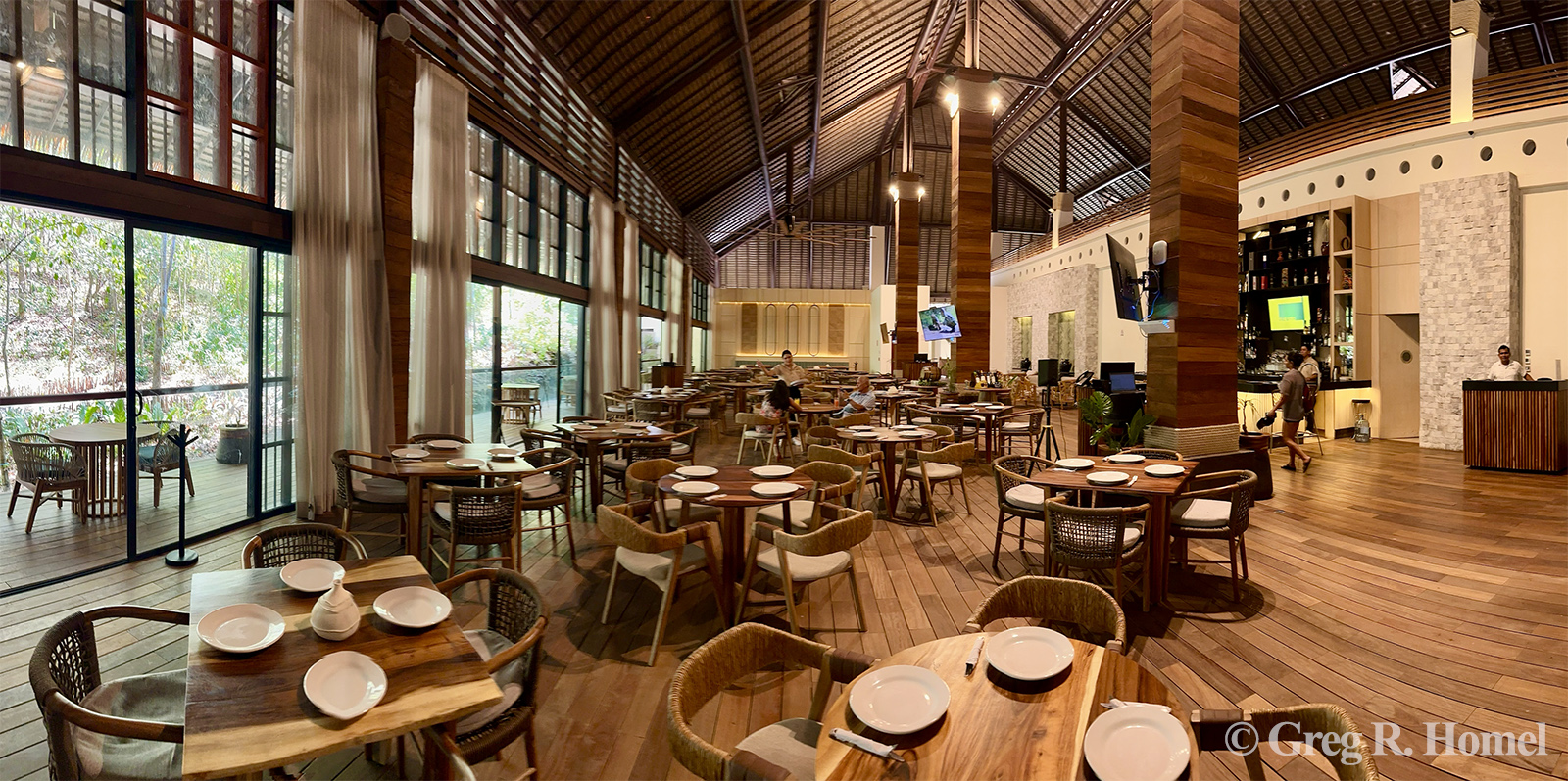
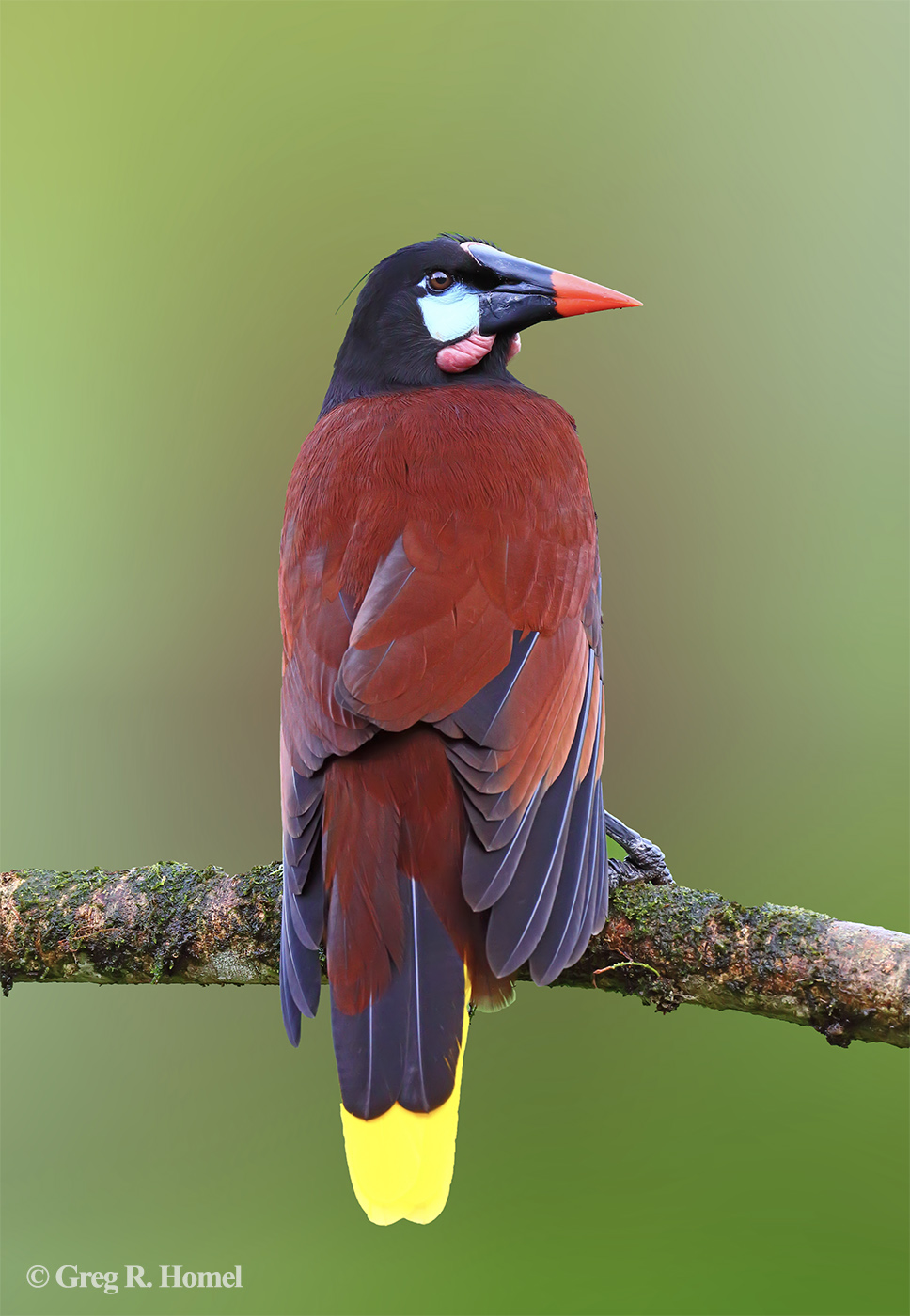
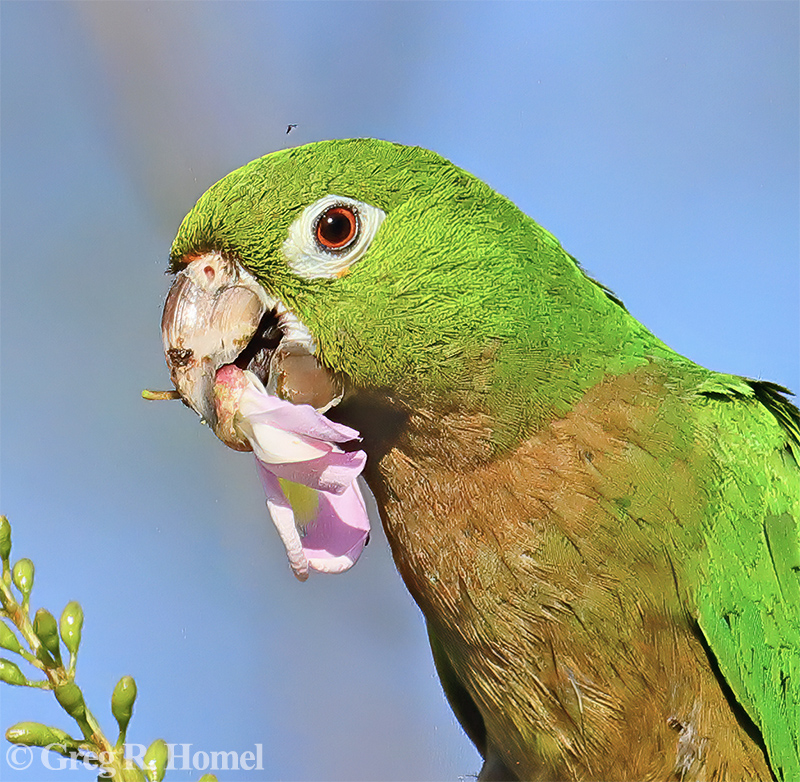
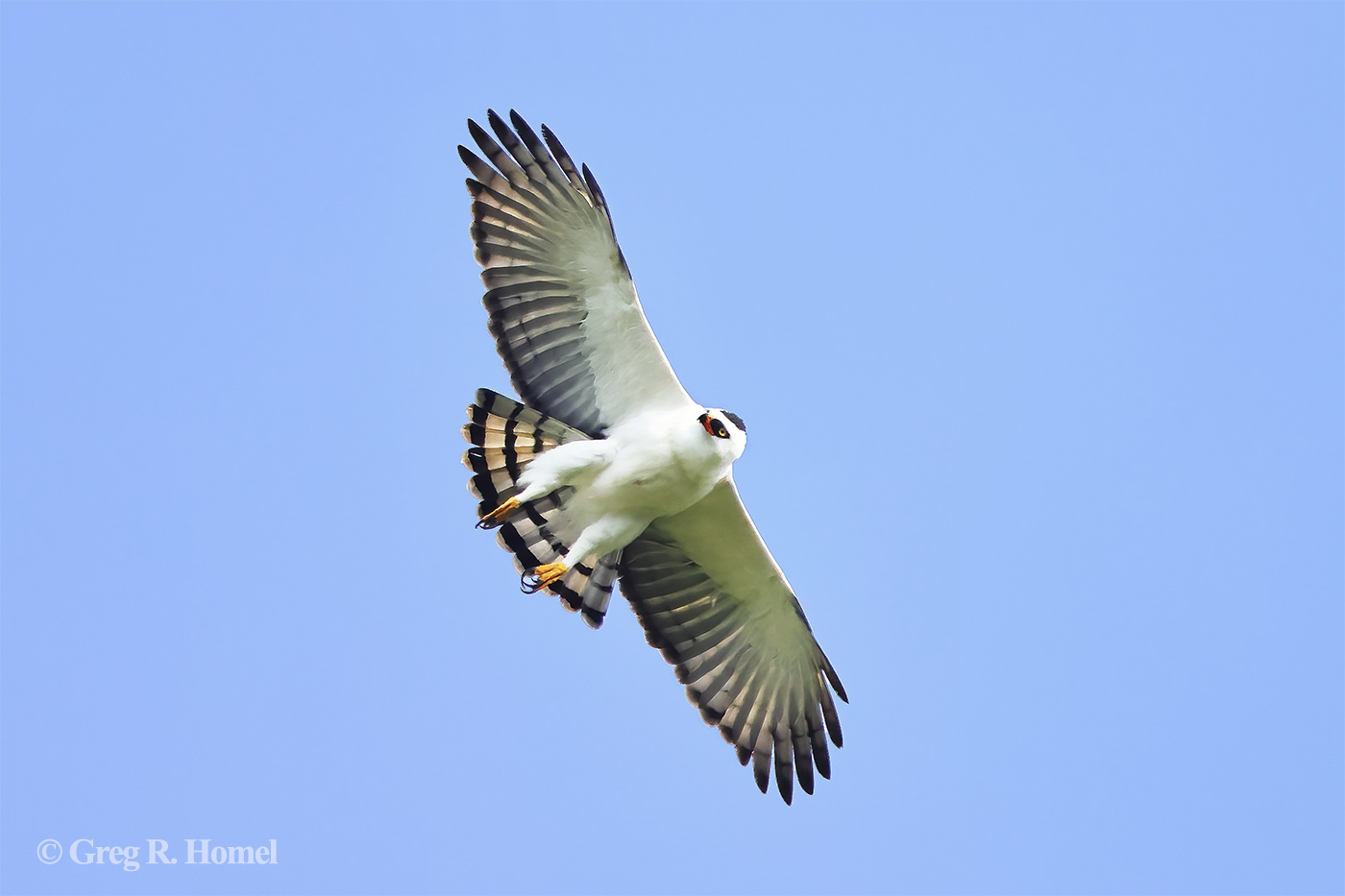
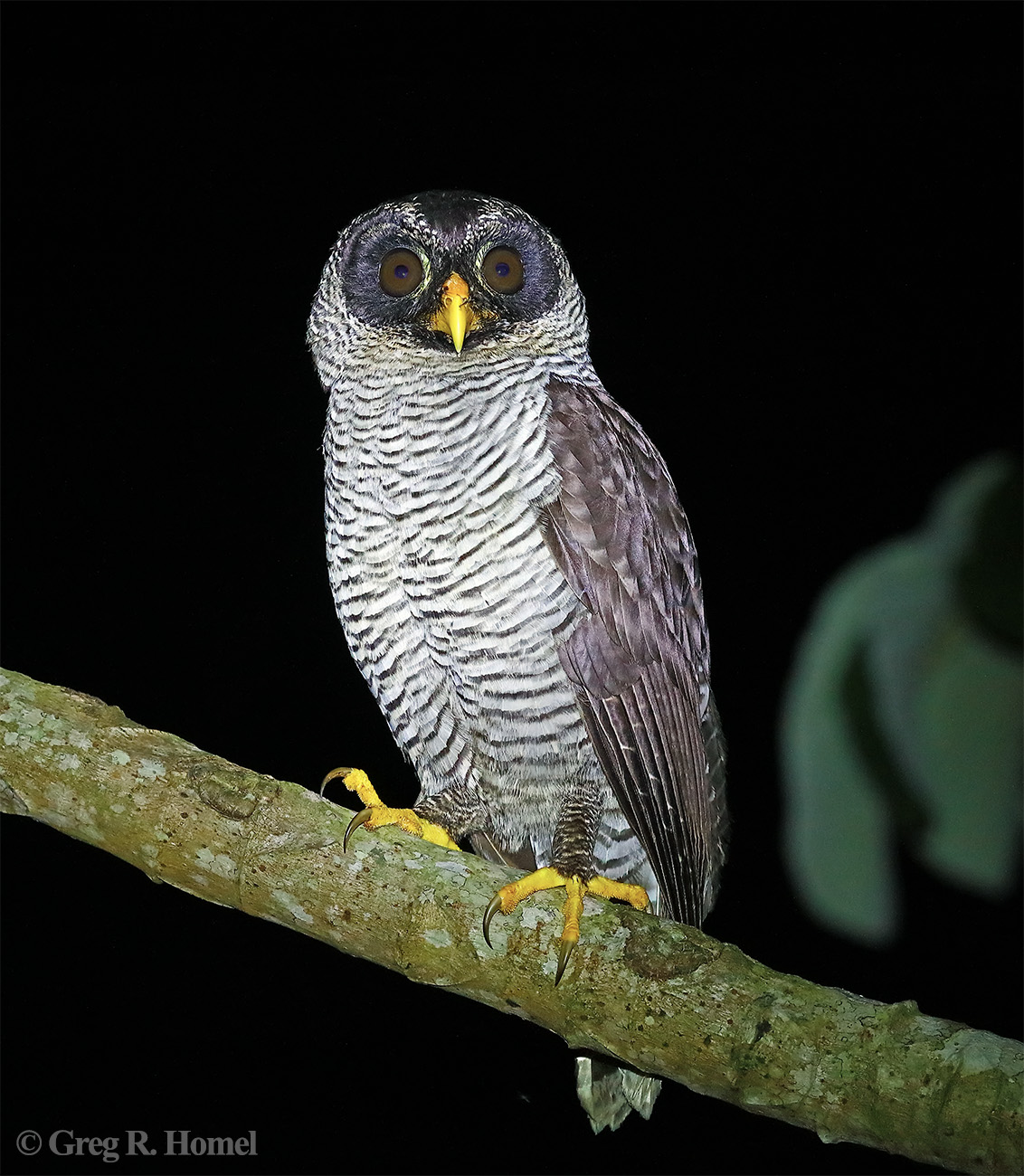
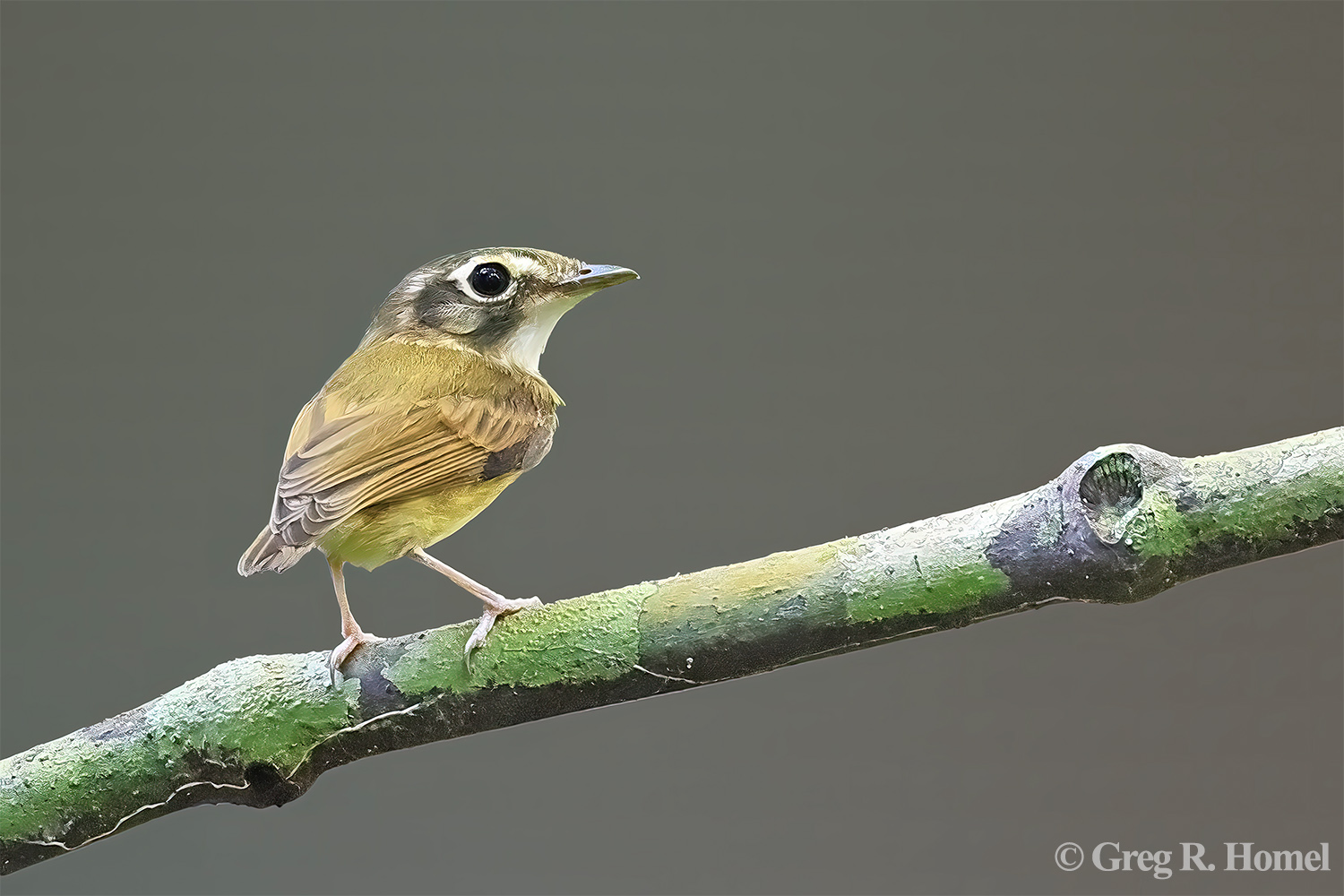
Dates: November 2027. Contact us to inquire or ask about your desired schedule.
Price: To be determined. All-inclusive, per person. Arriving at Cozumel (CZM) and departing from either Chetumal (CTM) or, if opting for the post-extension, Guatemala City (GUA).
To Book: Visit our contact page.
Guides: Your professional guide, Greg R. Homel, is a professional ornithologist, award-winning international nature photojournalist, author, and lecturer, who is intimately familiar with all the birds of the entire region—including the nocturnal ones—so you will be in good hands and in the position to see and photograph a wide variety of specialty Yucatán birds on this excursion.
Alejandro Martinez, our right-hand man on the ground in Mexico, may be assisting with logistics.
Accommodation, Transportation, & Meals:
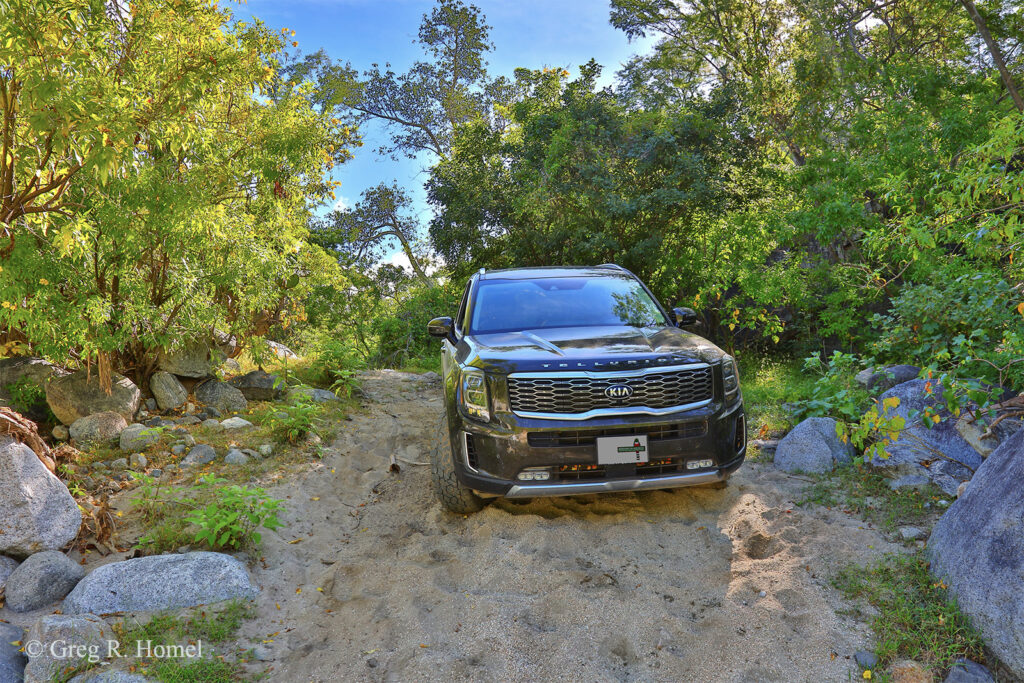
All-inclusive, with very good, comfortable accommodation at the best, high-standard hotels or private eco-lodges available in the region, provided with fresh, sumptuous regional meals throughout the excursion. Transportation is by modern, comfortable SUVs or 4WD vehicle(s), and/or mini-van(s) with window-seats for all, fully air-conditioned.
Pace and Physical Requirements
The pace will be ambitious but not rushed. Enjoyment while watching and photographing birds in their natural environments will be the priority. We may be out early each morning (usually before 7:00 a.m. [just before dawn], sometimes even earlier, depending on the estimated travel time between our hotel and our main destinations), when bird activity and vocalization is at its zenith. We usually return to the hotel for lunch followed by a relaxing midday siesta most days before hitting the birding trail again in the mid-afternoon until dusk.
Since the thrill of birding, bird photography, and archaeological discovery are the priorities on this expedition, if the birding is exceptionally productive at any one location, we may remain in the field longer than expected (sometimes much longer, without any siesta), so participants should be prepared for this with good spirit, a flexible attitude, and a cheerful yen for adventure! Greg R. Homel and the other Natural Encounters staff will always be prepared with extra refreshments, snacks, and water while in the field, but you will need to carry water on your person while walking.
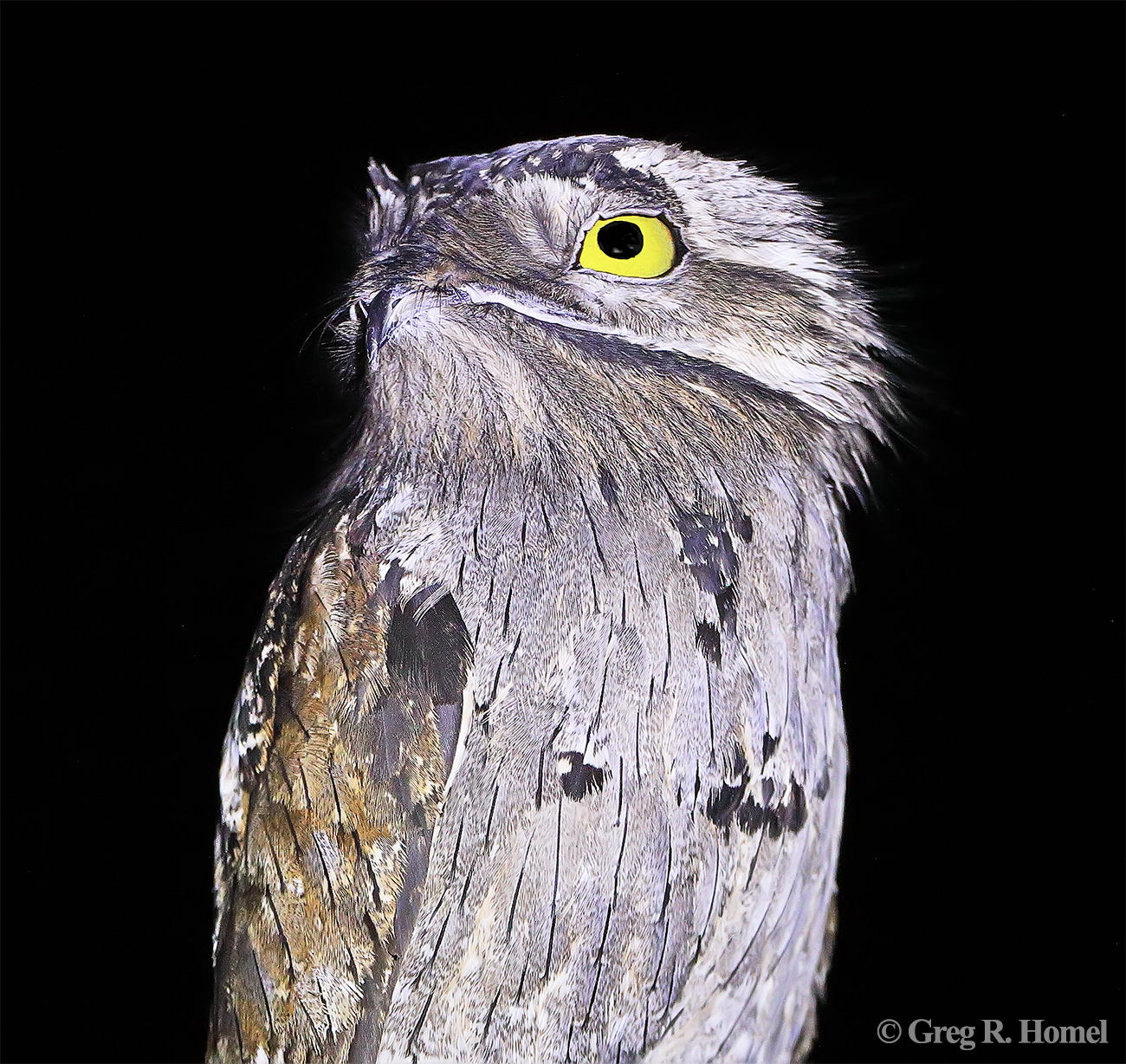
Select nocturnal excursions will be offered to see and photograph owls, potoos, and nightjars.
You should be in fairly good physical condition and able to walk at least one to a few kilometers (cumulatively) per day over sometimes rough, uneven, mountainous, rocky, sandy, snowy or muddy terrain. Bring good high-top walking shoes or soft hiking boots (that have been “worked in,” preferably not new) to avoid blisters and twisted ankles.
Some rural roadways will be rough in places, but we’ve discovered that “bad roads and good birding go together here in Mexico!”
Most Mexican highways are now modern, with occasional potholes (in some of the least expected places) and topes (speed bumps, more kindly referred to as “sleeping policemen”) in the smaller and even larger towns and cities, sometimes in the middle of nowhere, and even on supposed “freeways” or toll ways.
Biting insects are a possibility anytime, so it’s recommended to carry an insect repellent containing DEET (chemical name, N,N-diethyl-meta-toluamide), such as Off! or Deep Woods Off! (the latter highly recommended). In the experience of your guides, only repellents containing DEET work, and regular use will make your outdoor experiences much more comfortable, particularly at dusk and dawn in humid environments. These repellents are available in our region of travel, but it’s always best to bring your own in advance of your arrival. Greg Homel and our local guides will have some extra repellent, but not enough to provide for the entire group. It is your responsibility to be prepared and on time!
You will be required to carry all your personal equipment (including water) in a light backpack or on your person and to provide for reasonable protection of your valuables. We cannot be held responsible for thefts of valuables or injuries to your person.
FOR PARTICIPANTS’ MAXIMUM ENJOYMENT AND FOR MINIMAL IMPACT ON THE FRAGILE HABITATS THAT THE BIRDS WE TRAVEL SO FAR TO ENJOY DEPEND ON FOR SURVIVAL, SPACE IS LIMITED TO 6–8 PARTICIPANTS, PLUS GUIDES.
Reserve early!